If you rely on hydraulic systems to keep your machines running smoothly, you know how frustrating it can be when something goes wrong. Hydraulic system troubles don’t just slow down your work—they can lead to costly repairs and downtime.
But what if you could spot the warning signs early and fix issues before they become major headaches? In this guide, you’ll discover how to identify common problems like contamination, leaks, overheating, and pressure issues. By understanding these key trouble spots, you’ll gain the confidence to troubleshoot your hydraulic system quickly and effectively.
Keep reading to protect your equipment and keep your operations flowing without interruption.
Common Hydraulic Issues
Hydraulic systems are essential for many machines and tools. Problems in these systems can stop work and cause costly repairs. Understanding common hydraulic issues helps keep equipment running smoothly. These issues often involve contamination, overheating, leaks, worn parts, and pressure or flow problems. Each can affect system performance and reliability.
Contamination Effects
Contamination is the leading cause of hydraulic system failure. Dirt, water, and air can enter the fluid and cause damage. Dirt wears down pumps, valves, and seals. Water causes milky fluid and corrosion. Air creates bubbles that reduce system efficiency. Contamination often comes from dirty maintenance, worn seals, or poor filtration. Keeping the fluid clean extends system life and prevents failures.
Overheating Causes
Overheating breaks down hydraulic fluid and harms components. High workloads push the system beyond safe limits. Blocked airflow or clogged heat exchangers trap heat inside. Internal leaks also raise temperatures by wasting energy. Hot fluid loses lubrication properties, causing faster wear. Controlling system temperature prevents damage and keeps parts working well.
Leak Sources
Leaks reduce fluid levels and system pressure. Worn seals and damaged hoses are common leak points. Loose fittings allow fluid to escape. Cracked cylinders can cause major leaks and system failure. Leaks create safety risks and lower performance. Regular inspection and maintenance catch leaks early and avoid bigger problems.
Component Wear
Parts inside hydraulic systems wear out over time. Lack of lubrication speeds up wear and tear. Contamination and overheating also contribute to damage. Excessive pressure strains parts beyond design limits. Old age naturally degrades seals, pumps, and valves. Timely replacement of worn components keeps the system reliable and efficient.
Pressure And Flow Problems
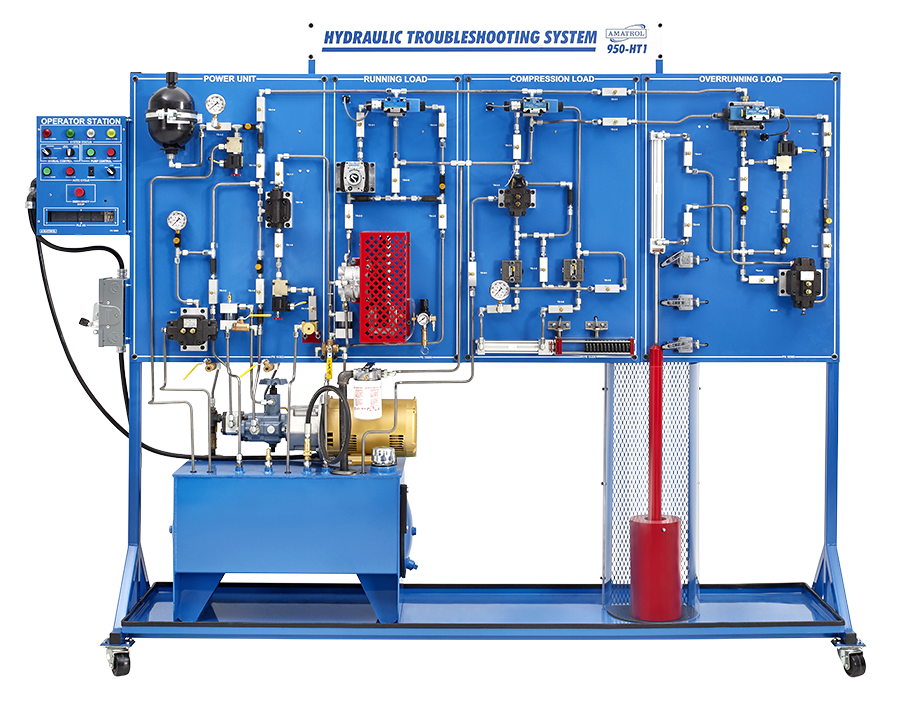
Proper pressure and flow are vital for hydraulic power. Low fluid levels reduce pressure and slow system response. Air trapped in the system causes spongy or weak movement. Using the wrong fluid viscosity affects flow rates. Incorrect valve settings disrupt pressure balance. Worn pumps fail to maintain needed pressure. Diagnosing these issues restores system performance.
Credit: amatrol.com
Identifying Valve Problems
Valves control fluid flow and pressure in hydraulic systems. Problems with valves cause poor system performance. Identifying valve issues early prevents costly repairs and downtime. Signs of valve problems include changes in performance, visible damage, strange sounds, and overheating. Knowing these signs helps pinpoint valve faults quickly and accurately.
Performance Symptoms
Slow or weak system response often signals valve trouble. Pressure drops or fluctuations may occur unexpectedly. The system might fail to hold pressure or leak internally. Erratic or jerky movements suggest valve sticking or blockage. Check for reduced output force or speed during operation.
Physical Damage Signs
Look for cracks, dents, or corrosion on valve bodies. Damaged seals or worn spools affect valve function. Dirt and debris build-up can cause external damage. Bent or broken valve components need immediate replacement. External damage usually reflects internal wear or failure.
Unusual Noises
Hissing or whining sounds often come from leaking valves. Clicking or knocking noises may indicate valve spools sticking. Sudden loud noises suggest internal damage or cavitation. Smooth valve operation should be quiet and steady. Abnormal sounds warn of valve malfunction or wear.
Overheating Indicators
Excess heat around valves signals internal friction or blockage. Overheated fluid degrades quickly, reducing system life. Hot valves can cause seal damage and leaks. Temperature spikes during operation need prompt attention. Use infrared tools to detect unusual heat spots.
Troubleshooting Techniques
Troubleshooting hydraulic systems requires a clear, methodical approach. Identifying the root cause saves time and prevents damage. Using specific techniques helps narrow down issues quickly. Each step focuses on a critical part of the system. This section explains key troubleshooting methods for hydraulic systems.
Fluid Inspection
Start by examining the hydraulic fluid closely. Check the color, clarity, and smell. Milky fluid indicates water contamination. Dark or cloudy fluid shows dirt or debris. A burnt smell means the fluid is overheated or degraded. Also, measure the fluid level to ensure it is adequate. Clean, clear fluid supports system health and performance.
Seal And Hose Checks
Inspect all seals and hoses for leaks or damage. Look for cracks, bulges, or worn spots. Tighten any loose fittings and replace damaged parts. Leaking seals lower system pressure and cause fluid loss. Hoses must be flexible and intact to maintain flow. Regular checks prevent unexpected breakdowns and improve safety.
Pressure Testing
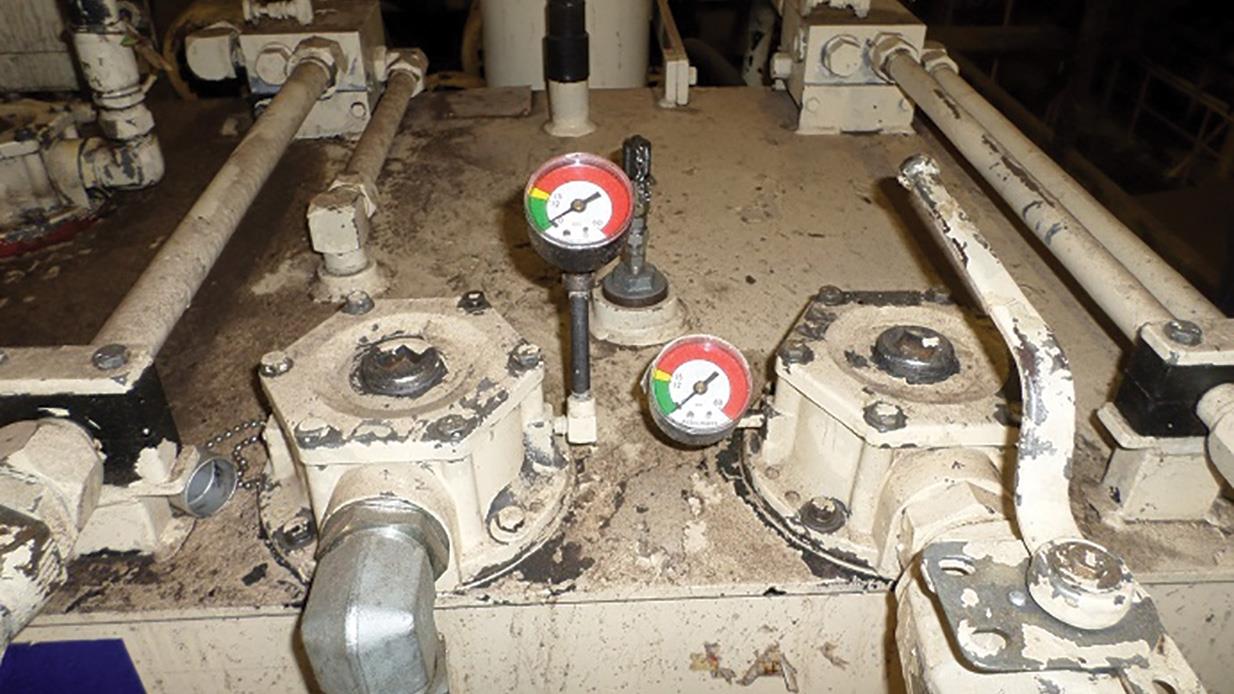
Use a pressure gauge to test system pressure at key points. Compare readings to manufacturer specifications. Low pressure can signal pump failure or leaks. High pressure may result from blockages or valve issues. Accurate pressure testing helps detect hidden faults and ensures proper system operation.
Flow Rate Analysis
Measure the flow rate of the hydraulic fluid through the system. Reduced flow often points to clogged filters or worn components. Flow rate tests reveal restrictions or leaks affecting performance. Maintaining correct flow is vital for efficient machine function and longevity. Regular analysis keeps the system running smoothly.
Credit: www.machinerylubrication.com
Preventive Maintenance Tips
Preventive maintenance plays a vital role in keeping hydraulic systems efficient and reliable. It helps avoid costly breakdowns and extends the system’s life. Following simple steps regularly can stop many common problems before they start. These tips focus on fluid health, cleanliness, temperature control, and parts condition.
Regular Fluid Replacement
Hydraulic fluid wears out over time. Old fluid loses its ability to lubricate and protect parts. Changing the fluid at set intervals keeps the system running smoothly. Fresh fluid removes dirt and moisture, preventing damage. Always use the fluid type recommended by the manufacturer.
Proper Filtration
Filtration stops dirt and particles from entering the system. Dirty fluid causes wear and blocks small parts. Replace filters regularly to maintain clean fluid flow. Check for filter damage or clogging to avoid pressure drops. Clean filters improve system performance and reduce repairs.
Heat Management
Heat damages hydraulic fluid and parts. Overheating lowers fluid quality and causes seals to fail. Use coolers and fans to keep temperature in range. Check heat exchangers and vents for blockages. Maintaining proper heat levels protects the entire system.
Routine Component Inspection
Regularly check hoses, seals, and fittings for leaks or wear. Look for cracks, loose parts, or unusual noises. Early detection of worn components prevents bigger failures. Tighten fittings and replace damaged parts promptly. Routine inspections keep the system safe and efficient.
Quick Fixes For Common Problems
Quick fixes for common hydraulic system problems save time and reduce downtime. These simple steps help maintain system performance and prevent major repairs. Focus on key areas like contamination, leaks, valves, and pressure settings. Each fix improves reliability and keeps operations smooth.
Removing Contaminants
Contaminants like dirt, water, and air cause serious damage. Start by checking and replacing filters regularly. Clean the hydraulic fluid to remove particles and moisture. Inspect seals and breathers for wear or damage. Use proper fluid storage to avoid contamination. Clean components prevent system failure and extend equipment life.
Addressing Leaks
Leaks reduce system pressure and cause fluid loss. Inspect hoses, fittings, and seals for cracks or damage. Tighten loose connections carefully to avoid overtightening. Replace worn or damaged parts immediately. Use the correct seal type for your system. Fixing leaks stops fluid waste and protects the environment.
Fixing Valve Malfunctions
Valves control fluid flow and pressure. Clean valves to remove dirt and debris. Check for stuck or damaged valve components. Adjust or replace faulty valves to restore proper function. Ensure valve settings match system requirements. Proper valve maintenance keeps hydraulic systems responsive and safe.
Adjusting Pressure Settings
Incorrect pressure causes system inefficiency and damage. Use a pressure gauge to monitor system pressure. Adjust relief valves to maintain the correct pressure level. Avoid setting pressure too high or too low. Regularly test pressure settings during maintenance checks. Proper pressure settings improve system performance and protect components.

Credit: www.hydparts.com
When To Seek Professional Help
Knowing when to call a professional can save time and money in hydraulic system troubleshooting. Simple fixes are manageable, but some problems need expert skills. Professionals have the tools and knowledge to handle tough issues safely and correctly.
Complex Failures
Complex failures involve multiple system parts failing at once. These problems can be hard to find and fix. Professionals use diagnostic equipment to pinpoint exact causes. Trying to fix complex failures without experience can cause more damage.
Repeated Issues
When the same problem happens again and again, it shows a deeper issue. Repeated leaks, pressure drops, or overheating need expert attention. Professionals identify root causes to stop the problem permanently. Ignoring repeated issues risks system breakdown and costly repairs.
System Overhauls
System overhauls require thorough inspection and part replacement. These jobs are large and need proper tools and knowledge. Professionals ensure all components work well together after overhaul. Hiring experts for overhauls improves system reliability and lifespan.
Frequently Asked Questions
What Are The 5 Main Problems In A Hydraulic System?
The five main hydraulic system problems are contamination, overheating, leaks, component wear, and pressure or flow issues. Contamination damages parts; overheating degrades fluid; leaks cause fluid loss; wear reduces performance; pressure or flow problems cause inconsistent power delivery.
How To Tell If A Hydraulic Control Valve Is Bad?
A bad hydraulic control valve causes slow, jerky movements, external leaks, unusual noises, overheating, and inconsistent pressure or flow. Worn seals, contamination, or a stuck spool often cause these issues. Check for sluggish or erratic operation to identify valve failure early.
What Is The First Check That Should Be Made If A Hydraulic System Is Malfunctioning?
The first check in a malfunctioning hydraulic system is to inspect the fluid level and quality. Low or contaminated fluid often causes issues.
What Are The Symptoms Of A Clogged Hydraulic Filter?
Symptoms of a clogged hydraulic filter include slow or jerky equipment movement, reduced pressure, overheating, unusual noises, and fluid contamination. These signs indicate restricted fluid flow and potential system damage.
What Are Common Causes Of Hydraulic System Failure?
Contamination, overheating, leaks, internal wear, and pressure or flow issues are common causes. Dirt, water, and air in fluid damage parts quickly. Each issue reduces system efficiency and can cause breakdowns.
Conclusion
Troubleshooting a hydraulic system needs careful steps and attention. Watch for leaks, overheating, and contamination signs. Keep fluid clean and at the right level. Check valves and pumps regularly to avoid failures. Fix small problems early to save time and money.
Understanding these basics helps maintain strong, reliable hydraulic systems. Stay alert, act fast, and keep your equipment running smoothly.