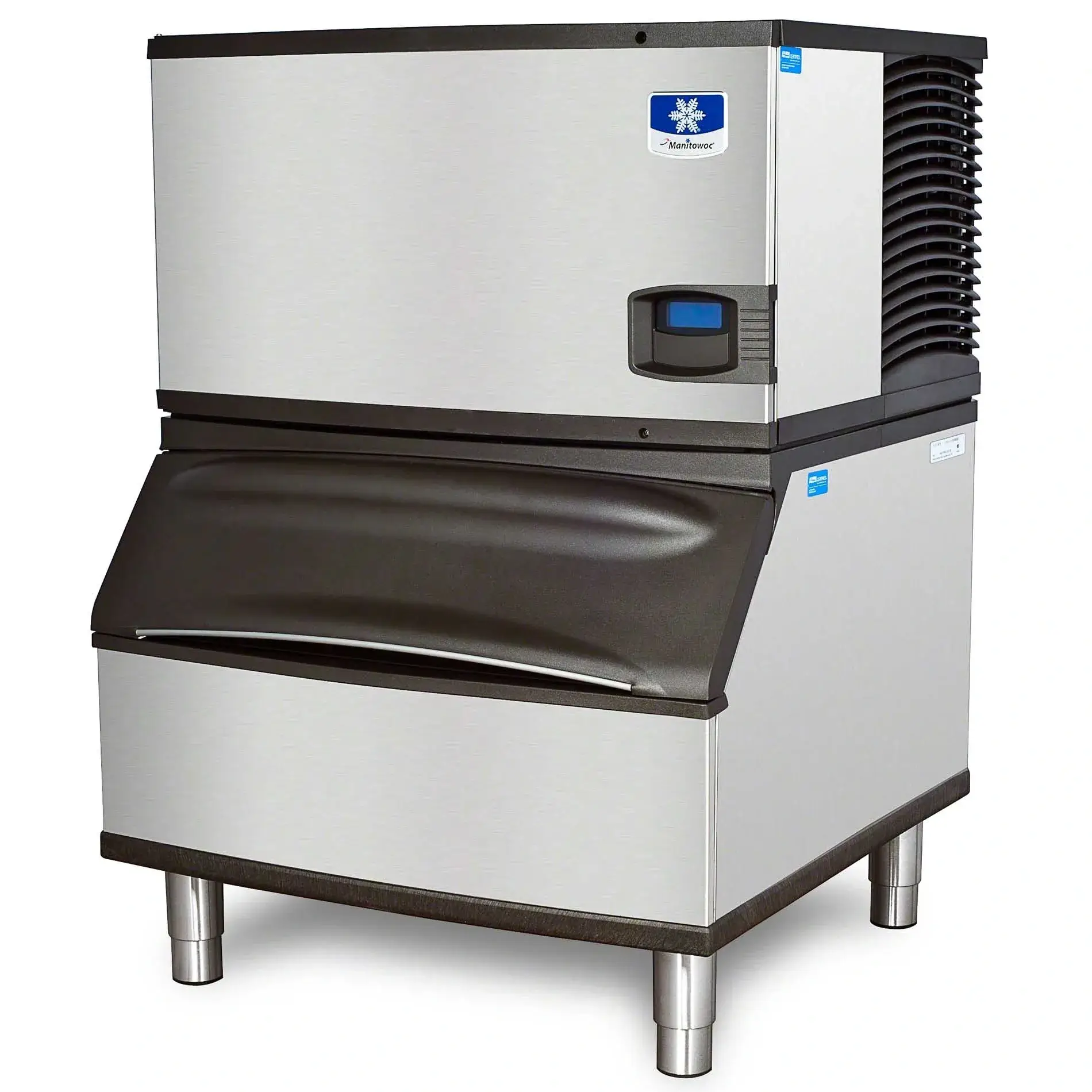
Is your Manitowoc ice machine not working as it should? When your ice maker stops producing ice or starts making poor-quality ice, it can disrupt your daily routine or business operations.
But don’t worry—many common problems can be fixed quickly with the right troubleshooting steps. In this guide, you’ll learn how to identify and solve issues like no ice production, strange noises, or error codes. By following simple checks on power, water supply, and cleanliness, you can get your Manitowoc ice machine back to running smoothly.
Keep reading, and you’ll discover easy ways to save time and avoid costly repairs by handling problems yourself. Your ice machine’s full performance is just a few steps away!

Credit: www.youtube.com
Power And Water Checks
Checking the power and water supply is the first step in fixing your Manitowoc ice machine. Without proper power and water, the machine cannot make ice. These simple checks can save time and prevent bigger problems.
Start with the basics. Confirm the machine has a steady power source and enough water flow. Then ensure the machine sits level. These checks keep your ice machine running smoothly.
Verify Power Supply
Check if the ice machine is plugged in securely. Look for tripped circuit breakers or blown fuses. Use a multimeter to test the power outlet. The machine needs consistent power to operate properly.
Inspect the power cord for any damage or wear. Replace it if you see cracks or frays. A faulty power cord can interrupt the electrical flow and stop the machine.
Inspect Water Source
Make sure the water supply valve is open fully. Check for any kinks or blockages in the water line. Clean or replace the water filter if it looks dirty. Clean water is essential for good ice quality.
Look for leaks around the water inlet valve. A leak can reduce water pressure and affect ice production. Fix any leaks promptly to avoid damage.
Level The Machine
Use a level tool to check if the machine sits flat on the floor. An uneven machine can cause water to flow incorrectly. This leads to poor ice formation or machine errors.
Adjust the machine’s feet to balance it. Re-check the level after adjusting. A level machine works more efficiently and lasts longer.
Credit: cool-results.com
Cleaning Essentials
Regular cleaning is crucial for Manitowoc ice machines to work well. Dirt and grime reduce ice quality and machine efficiency. Keeping key parts clean prevents breakdowns and costly repairs. This section covers cleaning essentials to maintain your ice machine in top shape.
Condenser Maintenance
The condenser removes heat from the machine. Dust and debris block airflow and cause overheating. Clean the condenser coils with a soft brush or vacuum every month. Avoid using water directly on electrical parts. Proper condenser care improves cooling and ice production speed.
Air Filter Cleaning
The air filter stops dust from entering the machine. A dirty filter restricts airflow and strains the compressor. Remove the filter and rinse it under warm water. Let it dry completely before reinstalling. Clean the air filter every two weeks for best results.
Evaporator Care
The evaporator freezes water into ice cubes. Mineral deposits and scale build up over time. Use a manufacturer-approved descaling solution to clean the evaporator monthly. Follow safety instructions and avoid harsh chemicals. Clean evaporators produce clearer, harder ice and extend machine life.
Resetting The Machine
Resetting the Manitowoc ice machine can solve many common problems fast. This step refreshes the machine’s system and clears error codes. It often restores normal operation without needing complex repairs.
Knowing how and when to reset helps avoid unnecessary downtime. Follow the correct reset procedures to protect your machine. A proper reset can save time and reduce frustration.
Reset Procedures
First, turn off the ice machine using the power switch. Wait about 30 seconds to allow the system to shut down fully. Then, press and hold the reset button on the control panel. Hold it for 5 seconds or until the display changes. Release the button and turn the power back on. The machine will run a self-test and clear error codes. Watch the display for any new alerts or messages. If the machine does not reset, repeat the steps or check the user manual for model-specific instructions.
When To Reset
Reset the ice machine after fixing a clear issue, like restoring water supply. Use reset if the machine shows error codes or stops making ice. Reset before calling for professional service to rule out simple faults. Avoid resetting frequently without addressing the root cause. Resetting is not a fix for mechanical failures or leaks. It works best for software glitches and sensor errors. Use reset as part of regular troubleshooting to keep the machine running smoothly.

Credit: www.arborrangers.com
Ice Quality Issues
Ice quality issues in Manitowoc ice machines can disrupt your daily operations. Poor ice can affect drinks, food presentation, and customer satisfaction. Common problems include cloudy or small ice cubes, which usually point to water or machine settings.
Simple checks and adjustments often restore ice quality quickly. Focus on key areas like water temperature, water levels, and cleanliness. This ensures clear, well-formed ice cubes every cycle.
Addressing Cloudy Or Small Ice
Cloudy ice often means minerals or air trapped inside. Small ice cubes can result from low water supply or short freeze cycles. Check the water source for hardness or impurities. Adjust machine settings to extend freezing time. Clear ice improves drink appearance and taste.
Adjusting Water Temperature
Water temperature affects ice clarity and size. Warmer water leads to cloudy, weak ice. Use cold water between 50°F and 70°F for better ice. Avoid very cold or very hot water. Set the machine’s water inlet to maintain this range for best results.
Managing Water Levels
Incorrect water levels cause thin or small ice cubes. Too little water reduces ice size; too much causes flooding. Check the water supply valve and float switch. Adjust to keep water at the proper level. Consistent water flow keeps ice solid and clear.
Cleaning Ice Thickness Probe
The ice thickness probe controls ice size by sensing cube thickness. Dirt or scale on the probe leads to poor ice quality. Clean the probe with a soft cloth and mild cleaner regularly. This helps the machine stop freezing at the right time for perfect cubes.
Water Filtration Tips
Clean water makes clearer ice and protects the machine. Install a good water filter to remove minerals and impurities. Replace filters on schedule to maintain water quality. Regular filtration reduces scale build-up and extends machine life.
Component Troubleshooting
Troubleshooting your Manitowoc ice machine starts with checking its key components. Each part plays a role in ice production. Identifying issues early can save time and repair costs.
Focus on mechanical parts and sensors that affect performance. Regular checks help keep the machine running smoothly. Below are vital areas to inspect.
Curtain And Damper Checks
The curtain controls ice release timing. Look for tears or blockages that stop proper movement. A stuck curtain can halt ice dropping.
The damper regulates airflow for ice freezing. Check if it opens and closes fully. Dust or debris may cause it to stick.
Clean both parts gently to avoid damage. Replace damaged curtains or dampers to restore function.
Compressor And Cooling System
The compressor powers the cooling system. Listen for unusual noises or vibrations. These hint at compressor problems.
Inspect cooling coils and condenser for dirt buildup. Blocked coils reduce cooling efficiency. Clean them carefully with a soft brush or cloth.
Ensure proper airflow around the condenser. Poor ventilation causes overheating and ice production failure.
Sensor Inspection
Sensors monitor temperature and ice thickness. Faulty sensors can stop the machine or cause poor ice quality.
Check sensor connections and wiring for damage or corrosion. Clean sensors if they appear dirty or covered in scale.
Test sensors with a multimeter to confirm they work correctly. Replace any sensor that fails testing.
Error Codes And Diagnostics
Understanding error codes and diagnostics is crucial for troubleshooting your Manitowoc ice machine. These machines display specific error codes that point to the problem quickly. Knowing how to read and interpret these codes saves time and avoids unnecessary repairs. It also helps maintain smooth operation and extends the machine’s life.
Diagnostic tools built into Manitowoc ice machines give clear signals about system issues. These signals guide you through identifying faults like water supply problems, sensor failures, or mechanical issues. Following diagnostic steps carefully ensures accurate problem detection and efficient solutions.
Reading Error Displays
Manitowoc ice machines show error codes on a digital display or through blinking lights. Each code corresponds to a particular issue. For example, a code might indicate low water pressure or a blocked condenser. Check the display as soon as an error occurs to catch problems early. Write down the exact code for reference. This helps in finding the right fix fast and avoids guessing.
Error codes are usually short and easy to spot. Some machines use a combination of letters and numbers, like “E1” or “F3.” Learning these codes prevents confusion and speeds up repairs. Always reset the machine after noting the error. If the code returns, the problem needs deeper attention.
Using Manufacturer Guides
Manitowoc provides detailed manuals and guides for troubleshooting error codes. These resources explain what each code means and suggest steps to fix the problem. Use the manufacturer’s guide as your primary reference. It offers reliable, clear instructions tailored to your ice machine model.
The guides often include diagrams and simple language to help users understand complex issues. Follow the recommended actions carefully to avoid damage. If the guide suggests checking a part or sensor, do so methodically. These steps reduce trial and error and save money on repairs.
Keep the manual handy near the machine for quick access. Download a digital copy from the Manitowoc website for convenience. Using official guides ensures you do not miss critical troubleshooting steps or safety warnings.
When To Call Experts
Knowing when to call experts for your Manitowoc ice machine saves time and prevents damage. Some issues require professional skills and tools beyond basic fixes. Recognize signs that need expert help to keep your ice machine working smoothly.
Persistent Cooling Problems
Cooling problems that do not improve after cleaning or basic checks need expert care. Faulty compressors or refrigerant leaks cause persistent issues. Experts can diagnose these with specialized tools and ensure proper repairs.
Ignoring persistent cooling faults may lead to complete machine failure. Professionals restore cooling efficiency safely and quickly.
Complex Faults
Complex faults include electrical failures, sensor errors, or control board malfunctions. These problems are hard to identify without technical knowledge. Experts have the training to handle intricate electronic systems inside Manitowoc machines.
Attempting complex repairs alone risks further damage. Calling experts ensures proper diagnosis and fixes with genuine parts.
Frequently Asked Questions
What Are The Common Problems With Manitowoc Ice Machines?
Common Manitowoc ice machine problems include insufficient water supply, dirty condensers, faulty sensors, and high ambient temperatures affecting ice production.
How Do I Troubleshoot Common Manitowoc Issues?
Check power and water supply first. Clean water filter, air filter, condenser, and evaporator regularly. Level the machine properly. Adjust water levels and temperature. Inspect sensors and error codes. Address buildup or clogs to resolve most Manitowoc ice machine issues efficiently.
How Do You Reset A Manitowoc Ice Machine?
To reset a Manitowoc ice machine, turn off the power for 5 minutes. Then, restore power and press the reset button if available. Check the control panel for error codes and clear them. Ensure the machine is level and all filters are clean before restarting.
What Does The Red Wrench Light Mean On A Manitowoc Ice Machine?
The red wrench light on a Manitowoc ice machine signals a service or maintenance alert. It indicates a fault needing attention. Check error codes and inspect components like sensors, water supply, or filters. Address issues promptly to restore proper ice machine function and avoid downtime.
What Causes A Manitowoc Ice Machine To Stop Making Ice?
Common causes include low water supply, dirty filters, or a faulty water valve. Check these parts first to fix the issue quickly.
Conclusion
Troubleshooting your Manitowoc ice machine becomes easier with simple checks. Always confirm power and water supply first. Clean filters and condenser regularly to avoid blockages. Adjust water levels and temperature for better ice quality. Keep the machine level to help sensors work correctly.
Watch for error codes and respond quickly. Regular care prevents most common problems. Stay calm and follow these steps to keep your ice machine running smoothly.