Is your KitchenAid ice maker not working like it used to? If you rely on your fridge to keep your drinks cold and your ice ready, a malfunctioning ice maker can be a real hassle.
But don’t worry—you don’t have to call a technician right away. Many common issues with KitchenAid ice makers are easy to spot and fix yourself. In this guide, you’ll learn simple troubleshooting steps that can get your ice maker back in action quickly.
From checking the water supply to resetting the unit, you’ll find clear, practical tips designed just for you. Keep reading to take control of your ice maker problems and enjoy a steady stream of ice once again.
Common Ice Maker Issues
Ice makers in KitchenAid refrigerators are convenient but can face common issues. These problems affect ice production and quality. Understanding these helps fix them quickly. Below are frequent ice maker troubles and simple ways to identify them.
No Ice Production
Sometimes, the ice maker stops making ice completely. Check if the ice maker is turned on. The feeler arm might be in the “off” position, stopping ice creation. Ensure the freezer temperature is cold enough, ideally below 10°F (-12°C). A clogged or old water filter can block water flow. Replace the filter if needed. Also, confirm the water supply valve is open and the line is not kinked.
Ice Maker Jammed
Ice jams can block the ice maker from working. Ice cubes may stick together or jam in the ejector arm. Remove any stuck ice carefully to avoid damage. Check the ice bin for overfilling, which can cause jams. Sometimes warm air enters the freezer, melting and refreezing ice. Keep the freezer door closed tightly to prevent this. Regularly clear ice build-up to keep the mechanism moving freely.
Water Supply Problems
Without water, the ice maker cannot produce cubes. Inspect the water line for kinks or leaks. A frozen water line also stops water flow. Thaw the line gently if frozen. The water inlet valve may fail, blocking water entry. Test the valve and replace if defective. Make sure the water pressure meets KitchenAid’s requirements for ice making. Low pressure can reduce ice production speed and size.
Ice Quality Issues
Cloudy, small, or misshapen ice cubes indicate quality problems. Old or dirty water filters cause poor ice quality. Replace filters every six months for best results. Minerals or impurities in water affect ice clarity. Use filtered water to improve cube appearance. If cubes taste bad, clean the ice maker and storage bin with mild soap and water. Regular cleaning prevents mold and odors.
Credit: www.youtube.com
Quick Checks Before Reset
Before resetting your KitchenAid ice maker, perform some quick checks. These steps help identify simple problems. Avoid unnecessary resets that may not fix the issue. Follow these checks to save time and effort.
Power And Settings
Confirm the ice maker is turned on. Look for the power switch or control panel. Check if the ice maker is in “Off” or “Pause” mode. Ensure the feeler arm is in the down position. This allows the machine to produce ice. If power is off, the ice maker will not work.
Water Line Inspection
Inspect the water line connected to the ice maker. Make sure the water supply valve is fully open. Look for any kinks or bends in the line. Blocked or pinched lines stop water flow. Without water, the ice maker cannot make ice. Replace old or clogged water filters for better flow.
Clearance And Obstructions
Check the space around the ice maker inside the freezer. Remove any objects blocking the ice maker or its chute. Ensure the refrigerator is not pushed too far back against the wall. Proper clearance allows the ice maker to work correctly. Obstructions can stop ice ejection and refill cycles.
Resetting Your Kitchenaid Ice Maker
Resetting your KitchenAid ice maker often resolves many common issues. This process can help restart the ice maker’s system and clear minor errors. Resetting is simple and does not require special tools. It is a good first step before calling for repairs or service.
There are two main methods to reset your KitchenAid ice maker. The first is the push-button reset, which manually triggers the ice maker to start a new cycle. The second is the power cycle reset, which involves turning off the power to the ice maker or refrigerator and then turning it back on. Both methods can refresh the ice maker’s operation and restore normal function.
Push-button Reset
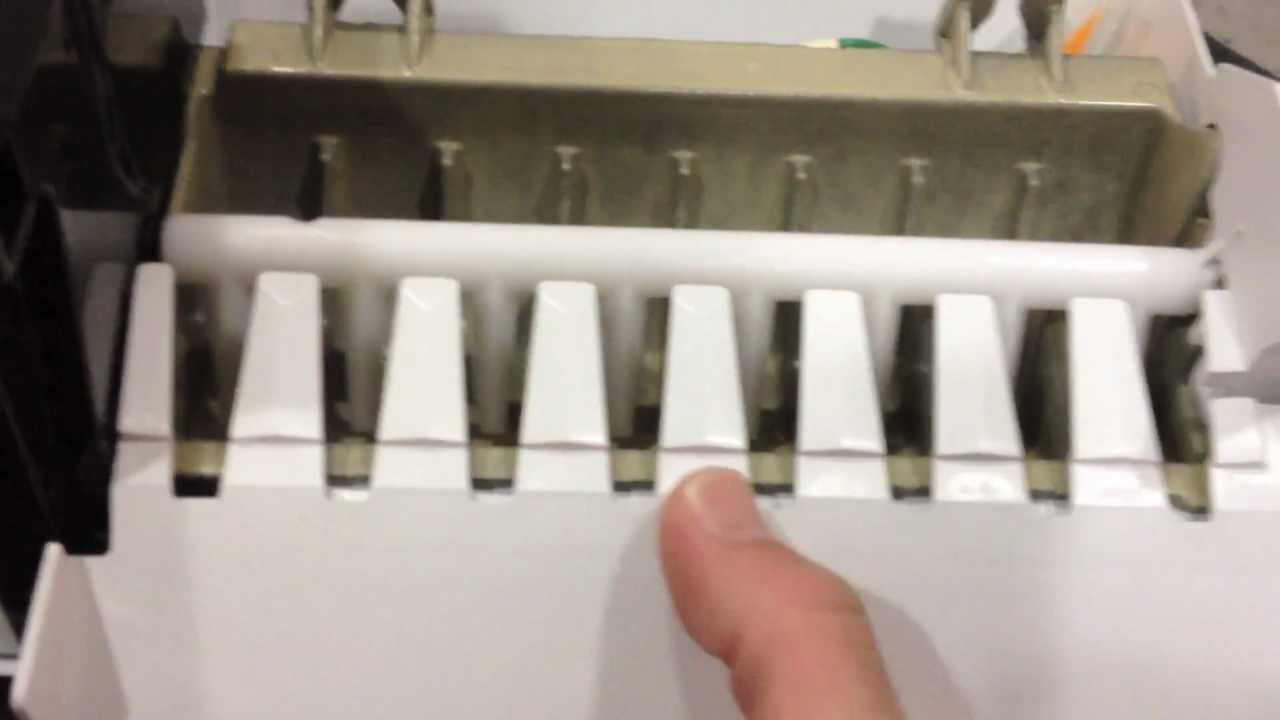
Locate the reset button on your KitchenAid ice maker. This button is usually small and may be on the front or side of the unit. Place a towel underneath to catch any ice or water that may fall during the reset process.
Press and hold the reset button for about 10 seconds until you hear the ice maker start. The bail arm will move, signaling the unit is beginning a new ice cycle. Let the ice maker complete this cycle to clear any jam or error.
This method helps when the ice maker stops producing or gets stuck. It forces the ice maker to eject old ice and refill with fresh water.
Power Cycle Reset
Turn off the ice maker’s power switch or unplug the entire refrigerator from the wall outlet. Leave it off for at least 5 minutes. This pause lets the system fully reset.
Plug the refrigerator back in or turn the power switch back on. The ice maker will go through a startup sequence. Watch for normal sounds and movements indicating it is working again.
This reset is useful for electrical glitches or after a power outage. It resets the internal controls and sensors of the ice maker.
Credit: www.kitchenaid.com
Fixing Common Problems
Fixing common problems with your KitchenAid ice maker can save time and money. Many issues have simple solutions. Regular maintenance keeps the ice maker working smoothly. Follow these steps to troubleshoot and fix typical problems quickly.
Defrosting Frozen Fill Tube
The fill tube can freeze and block water flow. First, unplug the refrigerator to prevent damage. Use a hair dryer on low heat to gently warm the tube. Avoid direct heat to plastic parts. Once thawed, check for leaks before restarting the ice maker.
Clearing Jammed Feeler Arm
The feeler arm senses ice level and stops production when full. Ice or debris can jam it, causing errors. Gently move the arm up and down to free it. Remove any stuck ice or objects. Ensure the arm moves smoothly for proper function.
Cleaning Condenser Coils
Dirty condenser coils reduce cooling efficiency. Locate the coils at the back or beneath the fridge. Use a vacuum or brush to remove dust and dirt. Clean coils help the ice maker freeze water faster. Regular coil cleaning improves overall appliance life.
Testing Water Inlet Valve
The water inlet valve controls water flow into the ice maker. A faulty valve stops ice production. Turn off power and water supply before testing. Use a multimeter to check valve continuity. Replace the valve if it shows no electrical resistance.
Replacing Water Filter
A clogged water filter lowers water flow and ice quality. Locate the filter inside the fridge or at the base. Turn the old filter counterclockwise to remove it. Insert a new filter and turn clockwise to secure. Change filters every six months for best results.
Maintaining Ice Maker Performance
Maintaining your KitchenAid ice maker ensures it works well and lasts longer. Regular care prevents common issues and keeps ice production steady. Simple steps can improve performance and save repair costs.
Regular Cleaning Tips
Clean the ice maker every few months. Use a soft cloth and mild soap. Remove ice buildup inside the tray. Avoid harsh chemicals that can damage parts. Clean the water reservoir to stop mold and bacteria. This keeps ice tasting fresh and the machine running smoothly.
Monitoring Freezer Temperature
Keep your freezer temperature between 0°F and 5°F (-18°C to -15°C). Too cold, and the ice maker may freeze shut. Too warm, and ice may melt or form slowly. Check the temperature with a freezer thermometer often. Adjust the settings if needed to maintain ideal conditions for ice making.
Ensuring Proper Water Flow
Check the water supply line for kinks or blockages. A steady water flow is needed for clear, solid ice cubes. Replace the water filter every six months to prevent clogs. Ensure the valve is fully open to allow water through. Good water flow stops ice maker jams and improves ice quality.
When To Call A Technician
Knowing the right time to call a technician for your KitchenAid ice maker saves time and prevents further damage. Some issues need expert tools and skills for proper diagnosis and repair. Recognizing these problems early ensures your ice maker returns to working order quickly.
Electronic Control Issues
Electronic problems often cause ice makers to stop working. Faulty control boards or sensors can disrupt the ice-making cycle. These issues are hard to fix without special equipment. A technician can test and replace parts safely. Avoid trying to fix electronic controls yourself to prevent damage or shock.
Complex Mechanical Failures
Mechanical parts like motors, gears, or the ejector arm may fail. These failures block ice production or cause jams inside the unit. Repairing complex mechanical parts requires experience and the right tools. A trained technician can disassemble and fix these parts correctly. Attempting repairs without knowledge may worsen the problem or void warranties.

Credit: www.kitchenaid.com
Frequently Asked Questions
How To Reset Ice Maker In Kitchenaid Refrigerator?
To reset a KitchenAid ice maker, locate and press the reset button on the unit. Alternatively, turn off the ice maker or unplug the refrigerator for a few minutes, then turn it back on. Ensure the ice maker is powered and the water supply is connected before resetting.
Why Is My Kitchenaid Ice Maker Not Producing Ice?
Your KitchenAid ice maker may not produce ice due to power issues, closed water supply, clogged filter, or frozen fill tube. Check the ice maker is on, water valve open, and reset the unit by unplugging it briefly. Clear any ice jams and clean condenser coils.
Why Is My Whirlpool Ice Maker Not Working But The Water Works?
Your Whirlpool ice maker may fail due to a frozen fill tube, faulty water inlet valve, or stuck feeler arm. Check power, temperature, and water filter. Clear ice jams and ensure the ice maker is turned on. Replace clogged filters or defective parts to fix the issue.
Where Is The Reset Button On An Icemaker?
The reset button on an icemaker is usually a small button on the ice maker unit. Check near the ice tray or motor cover. Press and hold it for a few seconds to reset. Consult your icemaker manual if unsure about the exact location.
Why Is My Kitchenaid Ice Maker Not Making Ice?
Check that the ice maker is turned on and the water line is open. Make sure the freezer temperature is cold enough. Also, replace the water filter if it is old or clogged.
Conclusion
Troubleshooting your KitchenAid ice maker can be simple with a few quick steps. Check power, water supply, and the feeler arm first. Resetting the ice maker often solves many issues. Keep the water line clear and the condenser clean. These easy fixes help restore ice production fast.
Regular maintenance prevents future problems and keeps ice flowing smoothly. Don’t let a small issue stop your ice supply. Follow the steps, and enjoy cool, fresh ice again.