Is your iHeat tankless water heater acting up when you need hot water the most? You’re not alone.
Many homeowners face common issues like insufficient hot water, unexpected cold bursts, or the unit simply not turning on. The good news is, most of these problems have straightforward fixes that you can try yourself before calling a professional. In this guide, you’ll discover easy troubleshooting tips to quickly identify and solve your iHeat tankless water heater issues.
Keep reading, and you’ll be back to enjoying steady, on-demand hot water in no time.
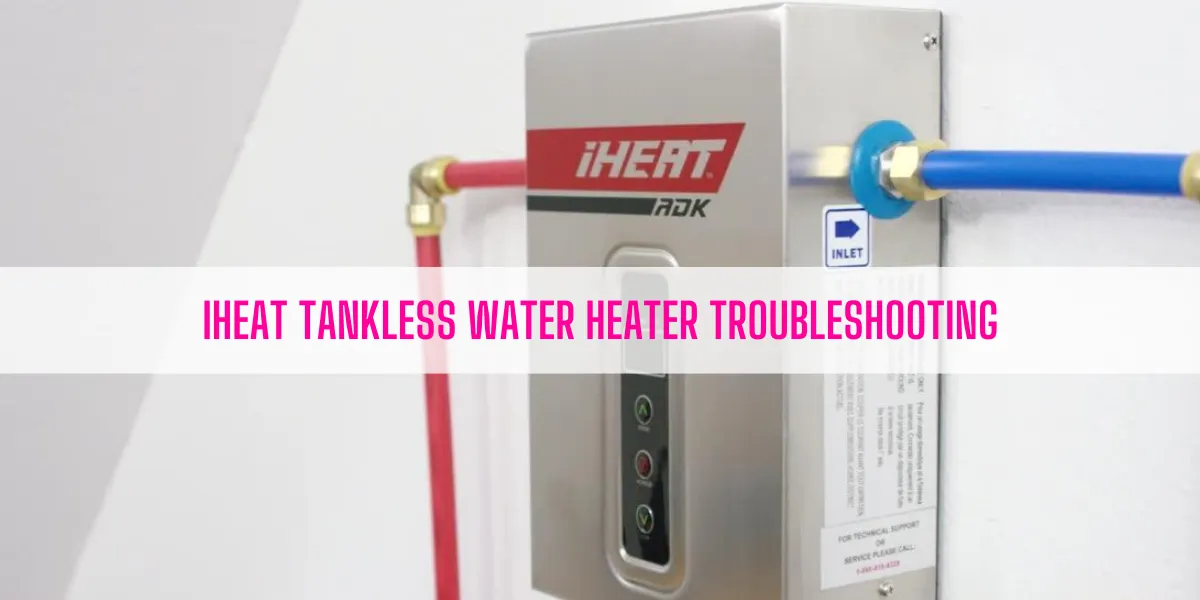
Credit: materiaiscastanheira.com.br
Common Issues
Tankless water heaters offer endless hot water and energy savings. Yet, some common issues can affect their performance. Understanding these problems helps keep your iHeat unit running smoothly. Below are frequent troubles and what causes them.
Mineral Buildup
Hard water leaves mineral deposits inside the heater. These deposits, mainly calcium and magnesium, form scale. Scale blocks water flow through the heat exchanger. It also lowers heating efficiency. Over time, the heater works harder and may fail to heat water properly.
Insufficient Hot Water
This happens if the unit is too small for your needs. Heavy water use at once can overload the system. Mineral buildup also blocks heat transfer, causing less hot water. The heater may not keep up with demand. You might notice water temperature drops during showers.
Low Flow Activation
The heater requires a minimum water flow to start heating. If the flow is too weak, the unit stays off. This causes cold water to come out. Low flow can happen with some faucets or showerheads. It may seem like the heater is not working at all.
Cold Water Sandwich
This means a short burst of cold water appears between hot water cycles. It happens because hot water in the pipes cools before the heater activates again. When the heater restarts, hot water returns. This effect feels like a cold splash during use.
Sizing Problems
An undersized unit cannot supply enough hot water for your home. It struggles during peak usage times. Large families or multiple appliances worsen this issue. Choosing the right size heater avoids constant shortages and poor performance.
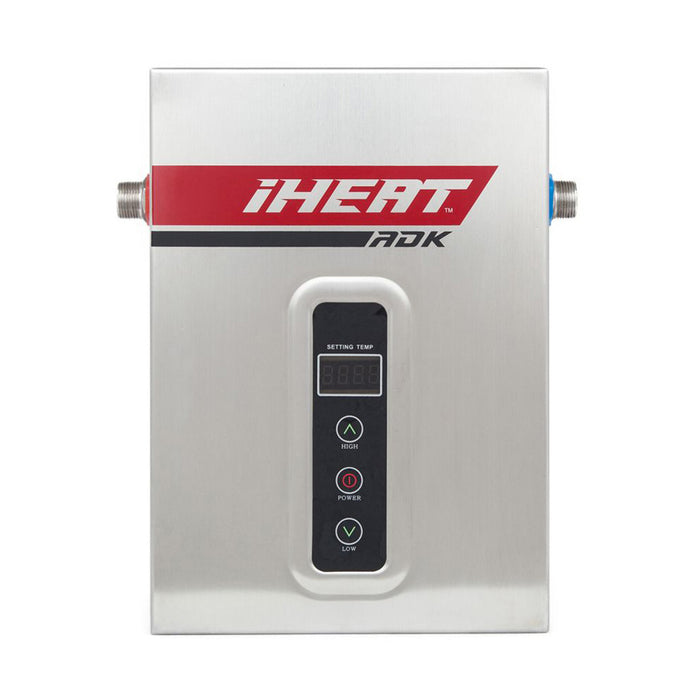
Credit: www.drakkenusa.com
Quick Fixes
Quick fixes can save you time and prevent bigger problems with your iHeat tankless water heater. These simple steps often restore normal function without professional help. Always start with easy checks before moving to complex solutions.
Resetting The Heater
Resetting your iHeat water heater can clear minor errors. Locate the reset button on the unit. Press and hold it for a few seconds. This action can fix temporary glitches and restore normal operation.
Unplug the unit before resetting if it has one. After resetting, wait a minute and turn it back on. Check if the heater works properly now.
Cleaning Filters And Valves
Dirty filters and valves reduce water flow and heat efficiency. Turn off the water and power supply first. Remove the filters and valves carefully. Rinse them under running water to clear debris.
Use a soft brush if needed to clean stubborn dirt. Reinstall the parts and turn the water on slowly. This cleaning helps maintain steady water flow and prevents overheating.
Running Water Before Use
Running cold water for a few seconds before turning on the heater helps flush out cool water in pipes. This prevents the cold water sandwich effect. It also ensures the heater senses proper flow.
Open the hot water tap and let water run until it feels warm. This simple step improves comfort and heater performance.
Preventive Measures
Preventive measures play a vital role in keeping your iHeat tankless water heater working well. Taking simple steps can avoid many common problems. These steps help extend the heater’s life and improve its performance. Focus on key areas like water quality, size choice, and regular care. This section highlights practical tips to prevent issues before they start.
Installing Water Softeners
Hard water causes mineral buildup in tankless heaters. Minerals clog the heat exchanger and reduce efficiency. Installing a water softener lowers these minerals. Soft water flows smoothly through the system. This reduces scaling and extends the heater’s life. Water softeners protect the unit and keep hot water steady.
Choosing The Right Size
Size matters for tankless water heaters. An undersized unit struggles to meet demand. This leads to cold water or low flow problems. Choose a model that matches your household’s hot water needs. Consider the number of users and peak usage times. Proper sizing ensures reliable hot water supply.
Regular Maintenance
Routine care keeps your heater in top shape. Flush the system yearly to remove mineral deposits. Check filters and clean them as needed. Inspect the unit for leaks or damage regularly. Simple maintenance stops small problems from growing. This ensures smooth operation and saves repair costs.

Credit: cosafarearodi.com
Reset Methods
Resetting your iHeat tankless water heater can resolve many common issues quickly. Reset methods help clear minor errors and restore normal operation. These simple steps save time and avoid unnecessary repairs.
Use the reset methods carefully. Follow the instructions exactly to avoid damage. Two main reset options include using the circuit breaker or the physical reset button.
Using The Circuit Breaker
Locate the circuit breaker that powers the water heater. Switch it off to cut the power completely. Wait for about one minute to let the unit reset fully. Then, switch the breaker back on. This process restarts the system and clears minor faults.
This method works well if the unit is not responding or showing error codes. It is quick and requires no tools besides access to your breaker panel. Make sure your hands are dry and you are standing on a safe surface.
Physical Reset Button Steps
Find the reset button on the water heater’s control panel. It is usually red and marked clearly. Press and hold the button for 5 to 10 seconds. Release it when you see the display turn off or reset.
Wait a few moments before turning the water heater back on. This method resets the internal electronics and clears error messages. Use this if the breaker reset does not fix the issue.
Keep the area around the button clean and dry. Avoid pressing it repeatedly or using sharp objects. This simple physical reset can often restore proper heater function.
When To Call A Professional
Knowing when to call a professional for your iHeat tankless water heater saves time and prevents damage. Some problems require expert skills and tools. Attempting repairs without experience can cause more harm. Recognizing signs that need professional help is important for safety and system health.
Persistent Errors
Errors that keep appearing despite resets or basic fixes need expert attention. These may indicate deeper electrical or mechanical faults. Professionals can diagnose error codes accurately. They have the tools to fix complex issues quickly and safely.
Leaks And No Power
Water leaks around the unit or no power supply are serious problems. Leaks can cause water damage and risk electrical shock. No power might mean wiring or circuit problems. A licensed technician can safely handle electrical repairs and replace faulty parts.
Safety Precautions
Working on water heaters involves risks like electrical shocks and hot water burns. Professionals follow strict safety standards to protect themselves and your home. Avoid opening the unit or touching wiring if you are unsure. Calling a technician ensures proper handling and peace of mind.
Frequently Asked Questions
What Is The Most Common Problem With Tankless Water Heaters?
The most common problem with tankless water heaters is mineral buildup (scaling) that clogs the heat exchanger. This reduces efficiency and limits hot water flow. Regular descaling and proper unit sizing prevent these issues. Other problems include low flow activation and the cold water sandwich effect.
How Do You Reset A Tankless Water Heater?
To reset a tankless water heater, turn off its circuit breaker. Press the reset button on the unit’s control panel. Turn the breaker back on and wait a few minutes for the heater to restart.
Why Is My Tankless Water Heater Not Kicking On?
Your tankless water heater may not kick on due to mineral buildup, low water flow, or an undersized unit. Check for clogged filters, ensure proper water flow, and verify unit size. Clean scaling deposits and inspect valves to restore function.
How To Tell If Your Tankless Water Heater Is Clogged?
Signs of a clogged tankless water heater include reduced hot water flow, inconsistent temperatures, and error codes. Mineral buildup causes these issues. Check for strange noises or leaks. Regularly descale to prevent clogs and maintain efficiency.
What Causes Common Iheat Tankless Water Heater Problems?
Mineral buildup from hard water clogs the heat exchanger, reducing efficiency. Undersized units and low water flow also cause heating issues.
Conclusion
Troubleshooting your iHeat tankless water heater can save time and money. Regular maintenance prevents common problems like mineral buildup and low flow activation. Keep the unit clean and ensure it fits your household needs. Simple steps like running water before use help avoid cold water bursts.
Always watch for signs of trouble, such as strange noises or leaks. When unsure, call a professional for a thorough check. Taking care of your water heater keeps hot water flowing smoothly every day.