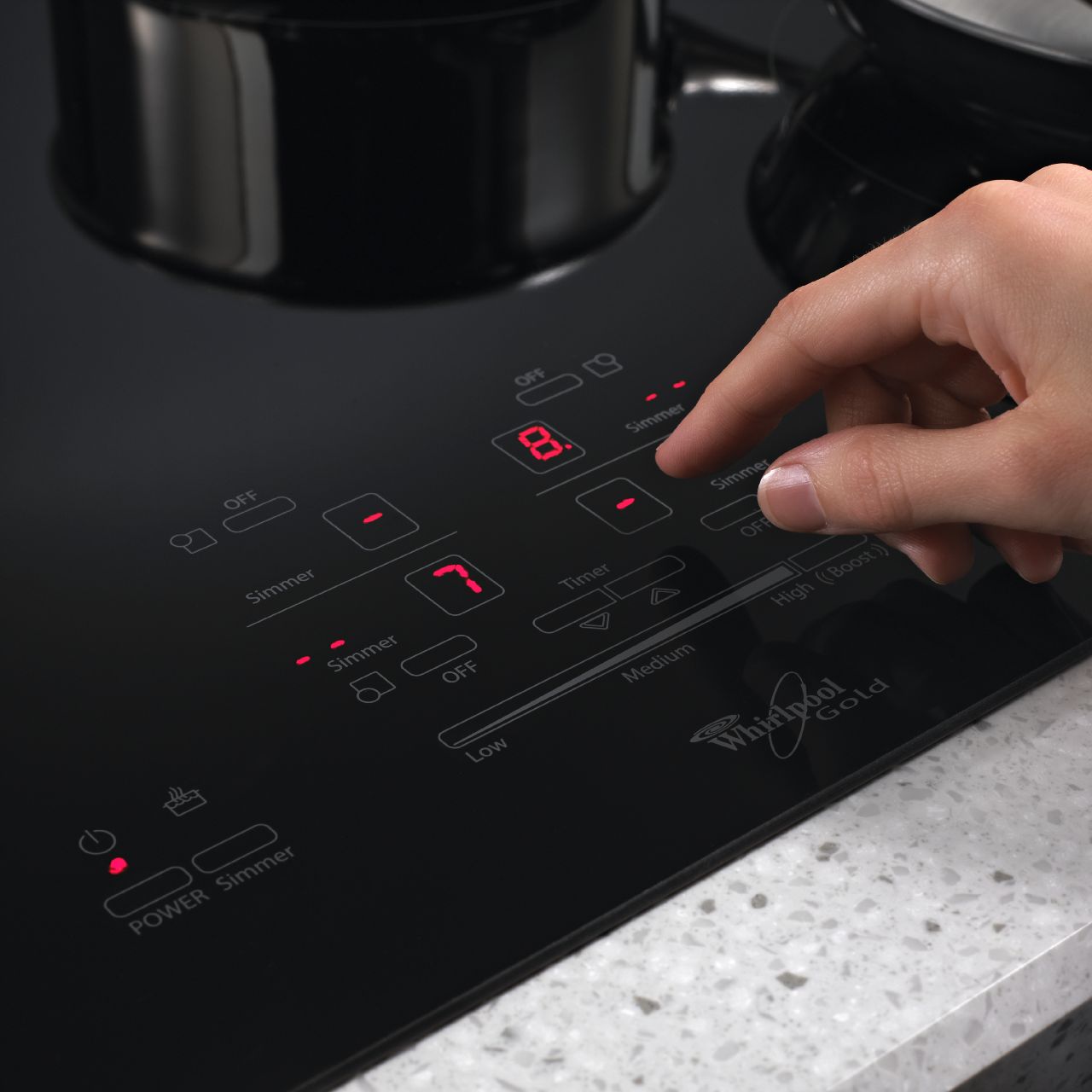
Is your induction cooker acting up right when you need it most? Maybe it won’t heat properly, or the controls seem unresponsive.
These common hiccups can be frustrating, but don’t worry—you don’t have to call a repair technician just yet. By understanding a few simple troubleshooting steps, you can often fix the problem yourself quickly and get back to cooking without stress.
In this guide, you’ll discover easy ways to identify and solve the most frequent induction cooker issues, saving you time and money. Ready to regain control of your kitchen? Let’s dive into the essential induction cooker troubleshooting tips you need to know.
Credit: authorizedco.com
Common Induction Issues
Induction cookers offer fast and efficient cooking but can face common issues. These problems often interrupt cooking and cause frustration. Understanding typical faults helps solve them quickly. The following section covers frequent induction cooker troubles and simple fixes you can try at home.
Cooktop Not Heating
One frequent problem is the cooktop failing to heat. This usually happens if the cookware is not suitable. Induction cookers need magnetic pots and pans. If the pot is not centered, the cooker may not detect it. Check the cookware first. Use a magnet to test if it sticks to the bottom. Also, ensure the pot sits flat on the cooking zone. Dirty or wet surfaces can stop heating as well.
Error Codes And Alerts
Many induction cookers show error codes when something goes wrong. These codes help identify the issue quickly. Common errors include overheating, no pan detected, or electrical faults. Consult your user manual for code meanings. Some errors clear after you remove the pan or let the cooker cool down. Others may need a reset by turning off the power for a few minutes. Keep the cooktop clean and dry to avoid false alerts.
Power Failure And Shutdowns
Sudden power loss or unexpected shutdowns disrupt cooking. This can happen if the cooker overheats or if there is an electrical fault. Poor wiring or a tripped circuit breaker might cause power issues. Check your home’s breaker box and reset if needed. Avoid blocking ventilation vents under the cooktop. Overheating triggers automatic shutdown to protect the unit. Allow the cooker to cool before turning it back on.

Credit: www.youtube.com
Cookware Compatibility
Cookware compatibility plays a vital role in the performance of an induction cooker. Not all pots and pans work well with induction technology. Using the wrong cookware can cause the cooker to not heat properly or even show error messages. Understanding what makes cookware suitable helps avoid common problems and improves cooking results.
Magnetic Cookware Requirements
Induction cookers need magnetic cookware to work. Cookware must attract a magnet to be compatible. Materials like cast iron and some stainless steel are usually magnetic. Aluminum, copper, or glass pans do not work unless they have a magnetic base. Test your cookware with a magnet before use to ensure it will heat on the induction surface.
Pan Size And Placement
The size of the pan matters for proper heating. The pan’s base should cover the cooking zone fully. Small pans may not trigger the induction sensor. Place the pan in the center of the zone to get even heat. Uneven placement can cause the cooker to stop heating or display an error.
Flatness And Material Concerns
Flat-bottomed pans work best on induction cookers. Warped or curved bases reduce contact with the cooktop. This causes uneven heating and may lead to errors. The pan material also affects heat transfer. Cookware with thick or layered bottoms may heat slowly. Choose smooth, flat, magnetic pans for best results on induction cookers.
Quick Reset Methods
Quick reset methods fix many induction cooker issues fast. These easy steps help clear errors and get your cooktop working again. Try these resets before calling for repairs. They save time and often solve common problems.
Power Button Reset
Press and hold the main Power button for five seconds. The cooktop will turn off completely. Wait a moment, then press the Power button again to restart. This reset clears minor glitches and refreshes the system quickly.
Cooktop Lock Release
Some induction cookers have a lock feature to prevent accidental changes. Check if the lock icon is on the display. Press and hold the lock button or Power + Lock buttons together for three seconds. The lock will release, allowing normal use again.
Breaker Power Cycle
Locate your home’s electrical panel and find the breaker labeled for the cooktop. Switch the breaker off and wait about one minute. Turn the breaker back on to restore power. This power cycle resets the cooktop’s electronics and can fix stubborn errors.
Dealing With Error Codes
Dealing with error codes on your induction cooker can feel confusing. These codes appear to alert you of specific problems. Understanding them saves time and stress. Most errors are simple and fixable at home. Knowing what each code means helps you act quickly. Some issues require a reset, while others need professional help. This guide breaks down common error codes and shows when to reset or seek help.
Common Error Meanings
Error codes on induction cookers usually show a letter and number. For example, “E1” or “F3.” Each code points to a different issue. E1 often means the cookware is not suitable. The pan might not be magnetic or too small. F3 can indicate overheating in the cooktop. Other codes like E2 suggest sensor problems. Some errors warn about power supply issues. Refer to your manual for exact code meanings. Understanding these helps you avoid damage and cook safely.
When To Reset
A reset often fixes minor errors quickly. Start by turning off the cooktop using the power button. Wait a few seconds, then turn it back on. If that does not work, try unplugging the cooktop for one minute. Another method is to press and hold specific buttons like “Power” and “+” together. This clears temporary locks or glitches. You can also reset by switching off the circuit breaker for the cooktop. Turn it off for 60 seconds before turning it back on. Only reset after checking your cookware and settings.
When To Seek Help
Some error codes signal serious problems. If resetting does not fix the issue, call a technician. Avoid trying to repair electrical parts yourself. Persistent errors like sensor failure or electrical faults need expert care. Also seek help if the cooktop does not heat properly after resetting. If error codes keep appearing or the cooktop shuts down suddenly, professional service is best. Using the cooker with a fault can be unsafe. Always follow safety advice and get help when unsure.
Avoiding User Mistakes
Using an induction cooker is easy, but small mistakes can cause problems. Avoiding user errors helps keep the cooker working well. Simple habits improve safety and cooking results. This section explains key tips to prevent common user mistakes.
Using Proper Cookware
Induction cookers need special pots and pans. Use cookware with a flat magnetic base. Check if a magnet sticks to the bottom. Cookware without this will not heat properly. Avoid glass, aluminum, or copper pots unless they have a magnetic layer. Proper cookware ensures even heating and saves energy.
Safe Cleaning Practices
Keep the induction cooker clean to avoid damage. Use a soft, damp cloth to wipe spills quickly. Avoid abrasive cleaners or metal scrubbing pads. Do not pour water directly on the cooker surface. Clean gently to protect the glass top and sensors. Regular cleaning prevents errors and extends the cooker’s life.
Correct Heat Settings
Choose the right heat level for your cooking. High heat is not needed for all dishes. Start with low or medium settings for better control. Adjust heat gradually to avoid overheating. Using correct heat saves energy and prevents food from burning. It also reduces wear on the cooker’s parts.
When To Call A Technician
Knowing when to call a technician for your induction cooker saves time and prevents further damage. Some issues need expert attention beyond basic troubleshooting. A professional can diagnose problems inside the unit and offer safe repairs. Avoid risking injury or voiding your warranty by handling complex faults yourself.
Read on to learn key signs that mean it’s time to get expert help for your induction cooker.
Persistent Malfunctions
Minor glitches sometimes fix with resets or simple checks. Persistent malfunctions show when the cooker keeps failing after repeated attempts. If it won’t heat properly or shuts off randomly, a technician should examine it. Constant error codes or unresponsive controls also require professional service.
Internal Component Failures
Internal parts like the coil, circuit board, or sensors may fail. These failures cause unusual noises, burning smells, or no power at all. Opening the cooker is risky and may cause more harm. A trained technician has tools and knowledge to safely replace damaged components.
Warranty And Support Options
Check your induction cooker’s warranty before attempting repairs. Many brands offer free service within the warranty period. Contact authorized support centers to avoid voiding coverage. Using certified technicians keeps your warranty valid and ensures quality repairs.

Credit: www.youtube.com
Frequently Asked Questions
What Is The Common Problem In Induction Stoves?
A common problem in induction stoves is improper heating due to incompatible or non-magnetic cookware. Ensure cookware is flat and magnetic.
How Do I Reset An Induction Cooker?
To reset an induction cooker, turn off its circuit breaker for one minute. Then, turn it back on. Alternatively, press and hold the Power button for a few seconds to clear errors. Ensure you use induction-compatible cookware centered on the cooking zone before restarting.
What Are The Most Common Induction Mistakes?
Common induction mistakes include using non-magnetic cookware, placing pans unevenly, overheating, ignoring safety locks, and improper cleaning methods.
Can Induction Cooktops Be Fixed?
Yes, induction cooktops can be fixed. Simple issues often resolve with resets or replacing parts. For complex problems, contact a professional technician.
Why Is My Induction Cooker Not Heating Properly?
Induction cookers need magnetic cookware to heat. Check if your pan is induction-compatible and placed flat on the surface. Uneven or non-magnetic pans cause no heat.
Conclusion
Troubleshooting an induction cooker can solve many common problems quickly. Check if your cookware is magnetic and properly placed. Try simple resets like turning the power off and on again. Make sure the cooktop lock is not active. For persistent issues, a full power reset often helps.
If errors continue, contact a professional technician. Regular maintenance keeps your cooker working well longer. Following these steps saves time and avoids frustration in the kitchen. Keep your induction cooker running smoothly with easy troubleshooting tips.