Are you facing unexpected electrical issues that disrupt your industrial operations? Industrial electrical troubleshooting can seem complicated, but understanding the basics can save you time, money, and stress.
Whether it’s flickering lights, tripping breakers, or dead outlets, knowing how to quickly identify and fix these problems keeps your equipment running smoothly and your workplace safe. You’ll discover practical tips and clear steps to diagnose and solve common electrical faults.
Stay with us, and empower yourself to tackle electrical challenges confidently and prevent costly downtime in your facility.
Common Electrical Issues
Industrial electrical systems often face common issues that disrupt operations and cause safety concerns. Identifying these problems early helps prevent costly downtime and hazards. Many issues arise from loose wiring, outdated equipment, or circuit overloads. Understanding these signs aids in quick troubleshooting and maintenance.
Flickering And Dimming Lights
Flickering or dimming lights usually signal loose bulbs or voltage drops. Overloaded circuits can also cause this issue. Check bulbs first and tighten them. Persistent flickering means wiring or circuit problems need expert attention.
Tripping Circuit Breakers
Circuit breakers trip to prevent damage from overloads or short circuits. Too many devices on one circuit cause overload. Unplug some equipment to reduce load. Frequent trips require professional inspection to avoid fire risks.
Dead Outlets
Outlets that do not work may have blown fuses or loose connections. Faulty wiring or damaged outlets also cause dead spots. Testing the outlet and replacing faulty parts restores power safely.
Warm Or Hot Outlets
Outlets that feel warm or hot indicate excessive current or poor connections. This can lead to electrical fires. Turn off power and call an electrician immediately to inspect and fix the problem.
Electrical Shocks And Tingling
Shocks or tingling sensations when touching equipment point to grounding issues or damaged insulation. This is dangerous and needs urgent repair. Avoid using affected devices until a professional checks the system.
Frequent Bulb Burnout
Bulbs that burn out too often may suffer from voltage fluctuations or poor wiring. Using bulbs with the correct wattage and fixing wiring problems increases bulb life and improves safety.
Buzzing Sounds And Burning Smells
Buzzing noises or burning odors signal serious electrical faults like loose connections or overheating components. Turn off power and seek immediate help to prevent fires and equipment damage.
High Electricity Bills
Unexpectedly high bills might result from faulty wiring, inefficient equipment, or power leaks. Regular system checks and timely repairs help control energy costs and improve efficiency.
Power Surges
Power surges occur due to lightning, faulty wiring, or sudden load changes. Surges can damage sensitive equipment. Installing surge protectors safeguards devices and reduces repair expenses.
Overloaded Circuits
Overloaded circuits happen when too many devices draw power on one line. This causes breaker trips and overheating. Distributing load evenly and upgrading circuits prevent overloads and enhance safety.
Credit: bin95.com
Initial Troubleshooting Steps
Starting industrial electrical troubleshooting requires a clear and careful approach. The initial steps help identify the source of the problem quickly. These steps also reduce the risk of further damage or safety hazards. Following a structured process improves the chances of finding the issue fast and fixing it correctly.
Gathering Information
Collect details about the equipment and the issue. Ask operators what they noticed before the problem started. Record any error codes or warning lights displayed. Understand the exact symptoms and when they appear. This information guides the next steps and narrows down possible causes.
Observing Equipment Condition
Look at the equipment closely before touching anything. Check for unusual noises, smells, or heat. Notice if parts move smoothly or seem stuck. Observe if any lights or displays are off or blinking. These signs give clues about what might be wrong.
Checking Wiring And Components
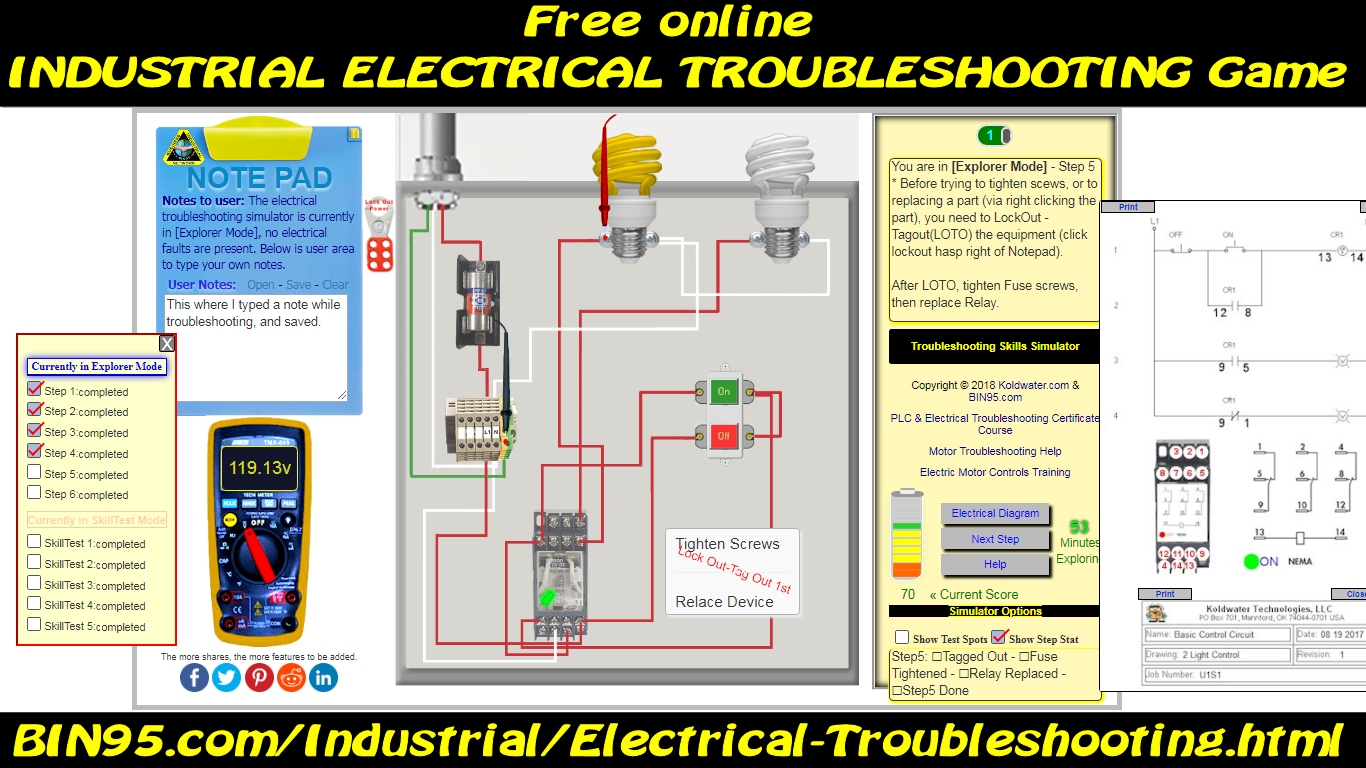
Inspect wiring for loose connections or corrosion. Verify that all connectors are secure and free from damage. Test switches, fuses, and relays for proper function. Use basic tools like a multimeter to check voltage and continuity. Faulty wiring or components often cause electrical problems.
Identifying Signs Of Damage
Search for burn marks, melted insulation, or broken parts. Look for worn wires or damaged circuit boards. Notice if any components smell burnt or overheated. Physical damage usually points to where the fault lies. This step helps prioritize repairs and replacements.
Systematic Troubleshooting Process
Industrial electrical troubleshooting requires a clear, step-by-step method. A systematic troubleshooting process helps identify and fix issues fast. It reduces downtime and prevents recurring faults. Each step builds on the previous one, making the diagnosis precise. Following this process keeps the system safe and efficient.
Identifying The Problem
Start by observing the system carefully. Note any unusual sounds, smells, or behavior. Ask operators about the exact symptoms. This helps to define what is wrong clearly. Avoid guessing or skipping this step.
Understanding Malfunctions
Learn how the equipment should work normally. Compare normal operation with the current problem. This comparison shows what parts may fail. Understanding the malfunction narrows down possible causes.
Evaluating Key Parameters
Check important electrical values like voltage, current, and resistance. Use tools such as multimeters and testers. Compare readings with standard ranges. Any deviation points to faulty components or connections.
Locating The Fault Source
Trace wiring and components step by step. Look for loose wires, burnt parts, or corrosion. Test each section separately to isolate the fault. This method saves time and avoids unnecessary replacements.
Repairing Or Replacing Components
Fix or swap out damaged parts carefully. Use the right tools and follow safety rules. Ensure replacements match original specifications. Proper repairs restore the system’s full function.
Verifying The Fix
Turn the system back on and test it thoroughly. Check if the original problem is gone. Monitor the equipment for a short time to confirm stability. This step ensures the repair was successful.
Conducting Root Cause Analysis
Investigate why the fault happened initially. Look for underlying issues like wear, overload, or poor maintenance. Fix these root causes to prevent future breakdowns. This step improves long-term reliability.
Credit: nttinc.com
Safety Precautions
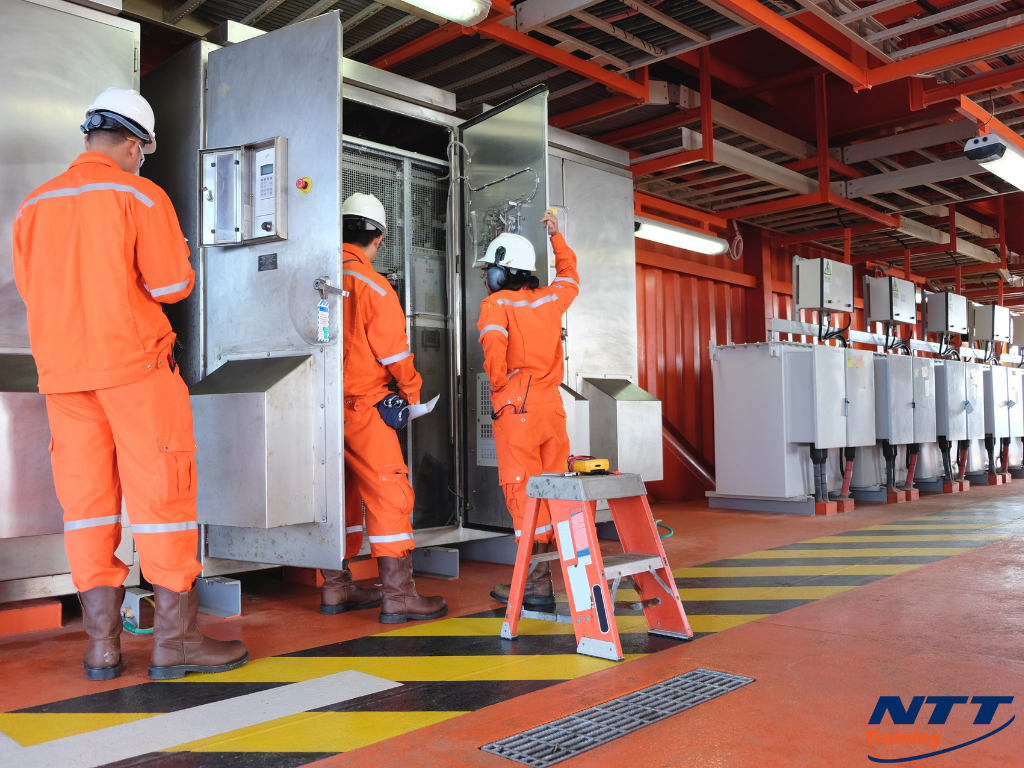
Safety is the top priority in industrial electrical troubleshooting. Electrical systems carry risks that can cause serious harm. Taking proper safety steps protects workers and equipment.
Following safety rules reduces accidents and keeps the work environment secure. Workers need to understand common hazards and how to handle them carefully.
Recognizing Fire Hazards
Electrical fires often start from damaged wires or overloaded circuits. Look for signs like burn marks, melted insulation, or a burning smell. Sparks and flickering lights can also indicate fire risk. Always keep flammable materials away from electrical panels and devices.
When To Call A Professional
Some electrical problems require expert help. Call a licensed electrician if you see smoke, sparks, or hear unusual noises. Never try to fix high-voltage systems alone. Professionals have training and tools to handle complex and dangerous issues safely.
Using Proper Tools And Equipment
Use insulated tools designed for electrical work only. Avoid using damaged or worn-out tools. Always wear protective gear like gloves and safety glasses. Proper equipment reduces the chance of injury and improves work quality.
Avoiding Electrical Shocks
Turn off power before starting any troubleshooting. Test circuits with a voltage detector to confirm power is off. Stand on dry surfaces and avoid touching metal objects. Never work alone; a partner can help in emergencies.
Tips To Speed Up Repairs
Speeding up repairs in industrial electrical troubleshooting saves time and reduces downtime. Quick fixes require clear steps and good preparation. Focus on tools, knowledge, and organization to act fast and smart. Efficient repairs improve safety and lower costs. Follow these tips to make your repair process smoother and faster.
Preparing Equipment Knowledge
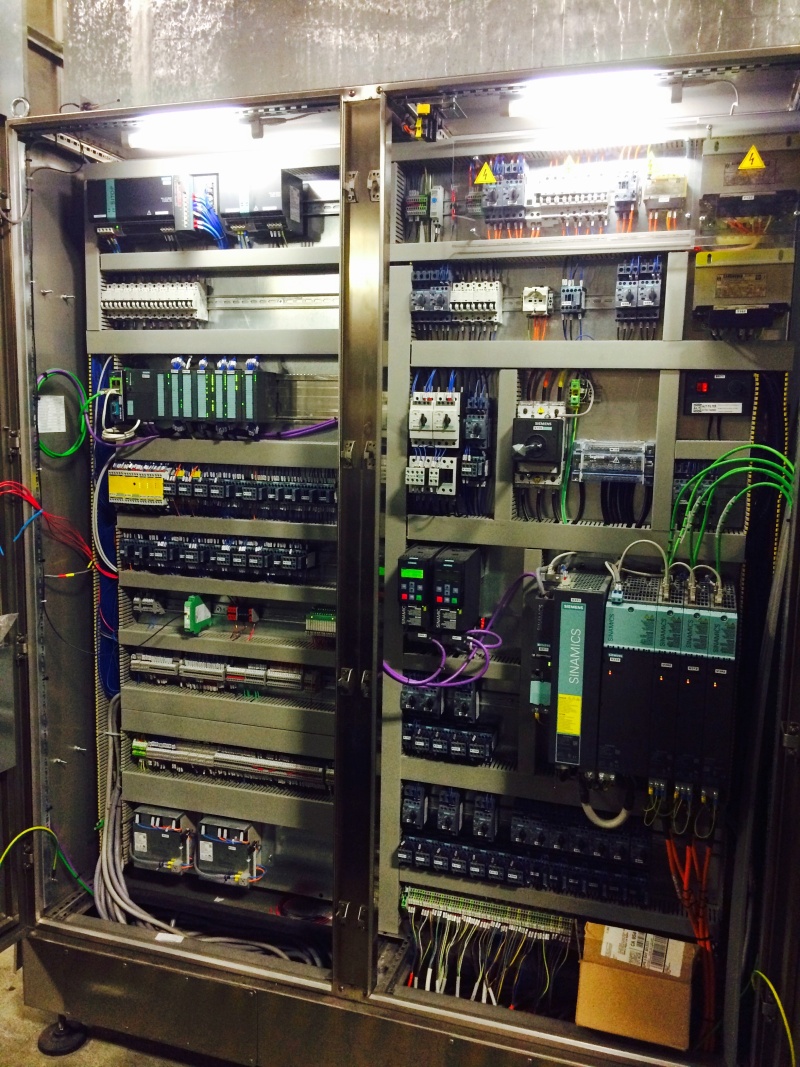
Know the equipment before starting repairs. Study manuals and wiring diagrams. Understand how machines work and common faults. This helps spot problems faster. Familiarity prevents guesswork and speeds up decisions. Review equipment history and past issues to anticipate repairs.
Using Diagnostic Tools
Use the right diagnostic tools for quick checks. Multimeters, thermal cameras, and circuit testers help find faults fast. Regularly calibrate tools to ensure accuracy. Digital tools offer faster readings and clearer results. Proper tool use reduces trial and error during repairs.
Organizing Workspace
Keep your workspace clean and organized. Arrange tools and parts within easy reach. Label wires and components clearly. A tidy area prevents mistakes and saves time looking for items. Good lighting and safety gear also speed up repair work.
Documenting Findings
Write down all observations and steps taken during troubleshooting. Record faults, repairs, and test results. Documentation helps track recurring problems and guides future repairs. Share notes with your team for better communication. Clear records reduce repeat work and speed up fixes.
Credit: bin95.com
Upgrading And Preventing Issues
Upgrading and preventing issues is essential for smooth industrial electrical systems. Regular upgrades help reduce downtime and costly repairs. Prevention focuses on early detection and protection against common electrical problems. This approach ensures safety and improves system reliability.
Installing Surge Protectors
Surge protectors guard electrical equipment from voltage spikes. These spikes can damage sensitive devices and cause failures. Installing surge protectors in key areas reduces the risk of damage. They help maintain stable power and extend equipment life.
Upgrading Wiring And Panels
Old wiring and panels often cause electrical faults. Upgrading to modern wiring meets current safety standards. New panels handle higher loads and offer better protection. This upgrade prevents overheating and reduces fire risks.
Balancing Circuit Loads
Uneven circuit loads lead to frequent breaker trips and equipment wear. Balancing loads spreads power demand evenly across circuits. This reduces stress on wiring and prevents overloads. Balanced circuits improve system efficiency and safety.
Regular Maintenance Practices
Routine maintenance identifies potential problems early. Checking connections, cleaning components, and testing systems prevent failures. Regular inspections keep equipment in optimal condition. Scheduled maintenance lowers repair costs and avoids unexpected downtime.
Frequently Asked Questions
How To Troubleshoot Industrial Electrical Problems?
Start by understanding the equipment’s operation and inspecting for visible damage or overheating. Check wiring, connections, and components carefully. Use a multimeter to test circuits and identify faults. Repair or replace damaged parts promptly. Always prioritize safety and consult a professional electrician for complex issues.
What Are The 7 Step Processes In Troubleshooting Electrical Circuit Faults?
The 7-step electrical troubleshooting process includes: 1) Gather information, 2) Understand malfunction, 3) Identify parameters to evaluate, 4) Locate fault source, 5) Repair component, 6) Verify repair, 7) Perform root cause analysis.
What Are The 10 Common Electrical Problems And Solutions?
Common electrical problems include flickering lights, tripping breakers, dead outlets, warm outlets, shocks, frequent bulb burnout, buzzing sounds, high bills, power surges, and overloaded circuits. Solutions involve tightening connections, resetting breakers, replacing wiring, using correct bulbs, installing surge protectors, and hiring electricians for safety and repairs.
What Are The 7 Troubleshooting Steps?
The 7 troubleshooting steps are: gather information, understand the issue, identify parameters, locate the problem, fix the component, verify the repair, and analyze the root cause.
What Is Industrial Electrical Troubleshooting?
Industrial electrical troubleshooting is finding and fixing electrical problems in factories or plants. It helps keep machines running safely and efficiently. Knowing basic steps speeds up repairs and avoids damage.
Conclusion
Effective industrial electrical troubleshooting keeps systems running smoothly. Check equipment carefully for visible damage or wear. Always follow safety rules to prevent accidents and injuries. Understanding basic electrical functions helps identify problems fast. Fix issues promptly to avoid costly downtime and repairs.
Use proper tools and test components step-by-step for accuracy. When unsure, seek help from qualified electricians. Regular maintenance reduces future electrical faults and hazards. Staying alert and prepared improves your troubleshooting success. Keep learning and practicing to enhance your skills steadily.