Is your inverter acting up in Utah? Whether you rely on it for your home, RV, or solar setup, inverter issues can disrupt your daily routine and cause unnecessary stress.
But don’t worry—understanding the common problems and simple troubleshooting steps can save you time and money. In this guide, you’ll discover easy ways to identify faults, reset your inverter safely, and know when it’s time to call in a professional.
Keep reading to take control of your inverter troubles and get your power running smoothly again.
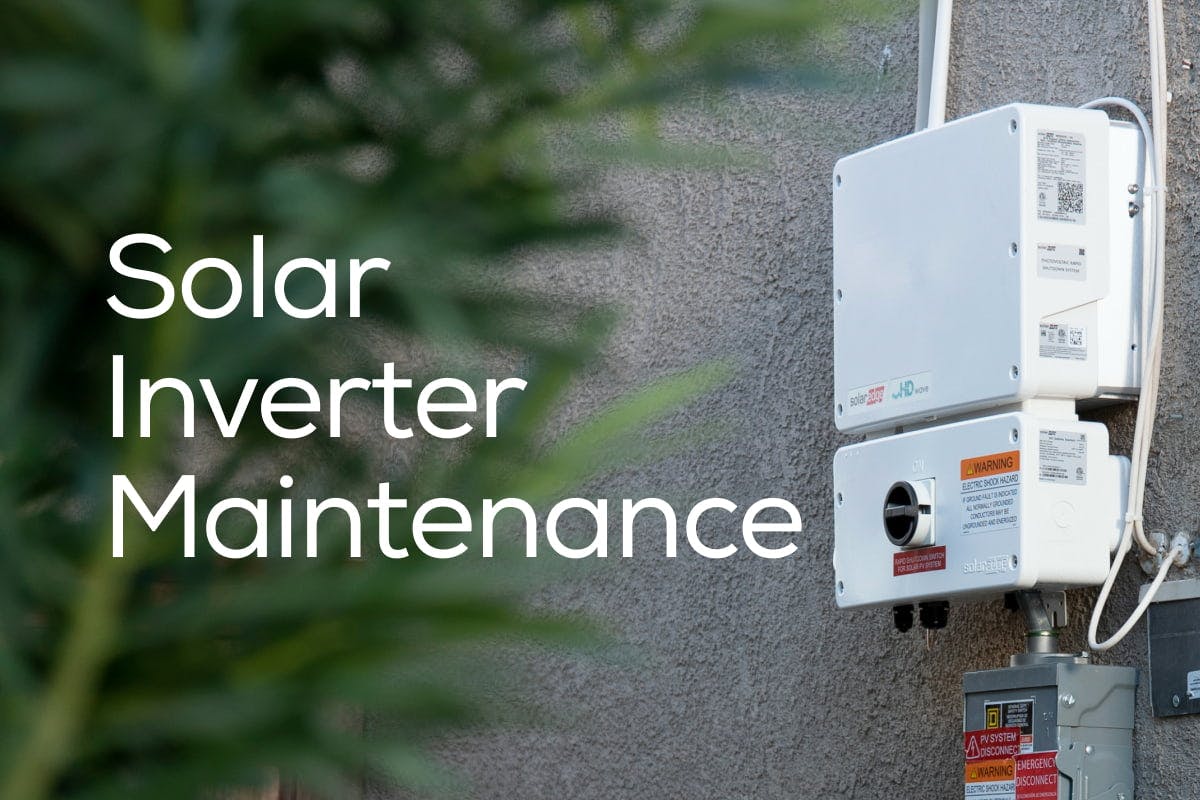
Credit: palmetto.com
Common Inverter Issues
Inverters play a crucial role in converting power for various uses. Knowing common inverter issues helps in quick fixes and maintenance. This section covers typical problems that affect inverter performance and how to identify them.
Module And Circuit Failures
Modules inside the inverter can fail due to heat or age. Circuit failures happen when components break or short-circuit. These problems cause the inverter to stop working or run inefficiently. Regular checks can catch these faults early.
Overload Causes
Overloading happens when the inverter handles more power than it can manage. This can damage the system or cause shutdowns. It may result from connecting too many devices or a faulty motor. Avoid overload to keep the inverter safe and stable.
Connection Problems
Loose or corroded wires cause poor connections in the inverter system. Bad connections lead to power loss or erratic behavior. Check all terminals and cables for tightness and cleanliness. Proper connections ensure smooth inverter operation.

Credit: www.amazon.com
Basic Diagnostic Steps
Basic diagnostic steps help identify common inverter issues quickly. These steps involve simple checks anyone can perform. They save time and avoid unnecessary repairs.
Start with the simplest parts. Then move to more technical checks. Each step narrows down the possible problems.
Checking Fuses And Breakers
Fuses and breakers protect the inverter from electrical faults. Check if any fuse is blown or breaker tripped. Replace blown fuses with the same type and rating. Reset any tripped breakers to restore power. Faulty fuses or breakers often cause the inverter to stop working.
Inspecting Wiring And Corrosion
Loose or corroded wires disrupt the inverter’s operation. Examine all connections carefully. Look for rust, dirt, or damaged insulation. Clean corrosion with a wire brush and apply contact cleaner. Tighten loose connections firmly. Damaged wires need replacement to ensure safe function.
Measuring Input And Output Voltages
Use a multimeter to check voltages at the inverter’s input and output. Input voltage comes from the battery or power source. Output voltage powers your devices. Compare readings to the inverter’s specifications. Low or no voltage indicates wiring or internal faults. Correct voltages mean the inverter is likely working properly.
Resetting Your Inverter
Resetting your inverter is a key step in inverter troubleshooting Utah residents trust. It helps clear minor faults and restores normal function quickly. Proper reset procedures protect your system and extend inverter life. Follow simple, safe steps for a successful reset.
Safe Power Shutdown
Always start with a safe power shutdown. Turn off the inverter’s AC power from the main breaker or wall switch. Next, disconnect the DC power by switching off the battery isolator or removing the positive cable. Wait at least 5 minutes to let the inverter fully discharge. This prevents electrical shock or damage during reset.
Reset Sequence For Ac And Dc
Restore power in the correct sequence after shutdown. First, reconnect the DC power by turning on the battery isolator or reattaching the positive cable. Then, switch on the AC power from the breaker or wall switch. This order helps the inverter reboot safely and avoid faults. Some models require pressing a reset button after power restoration.
Using Reset Buttons And Breakers
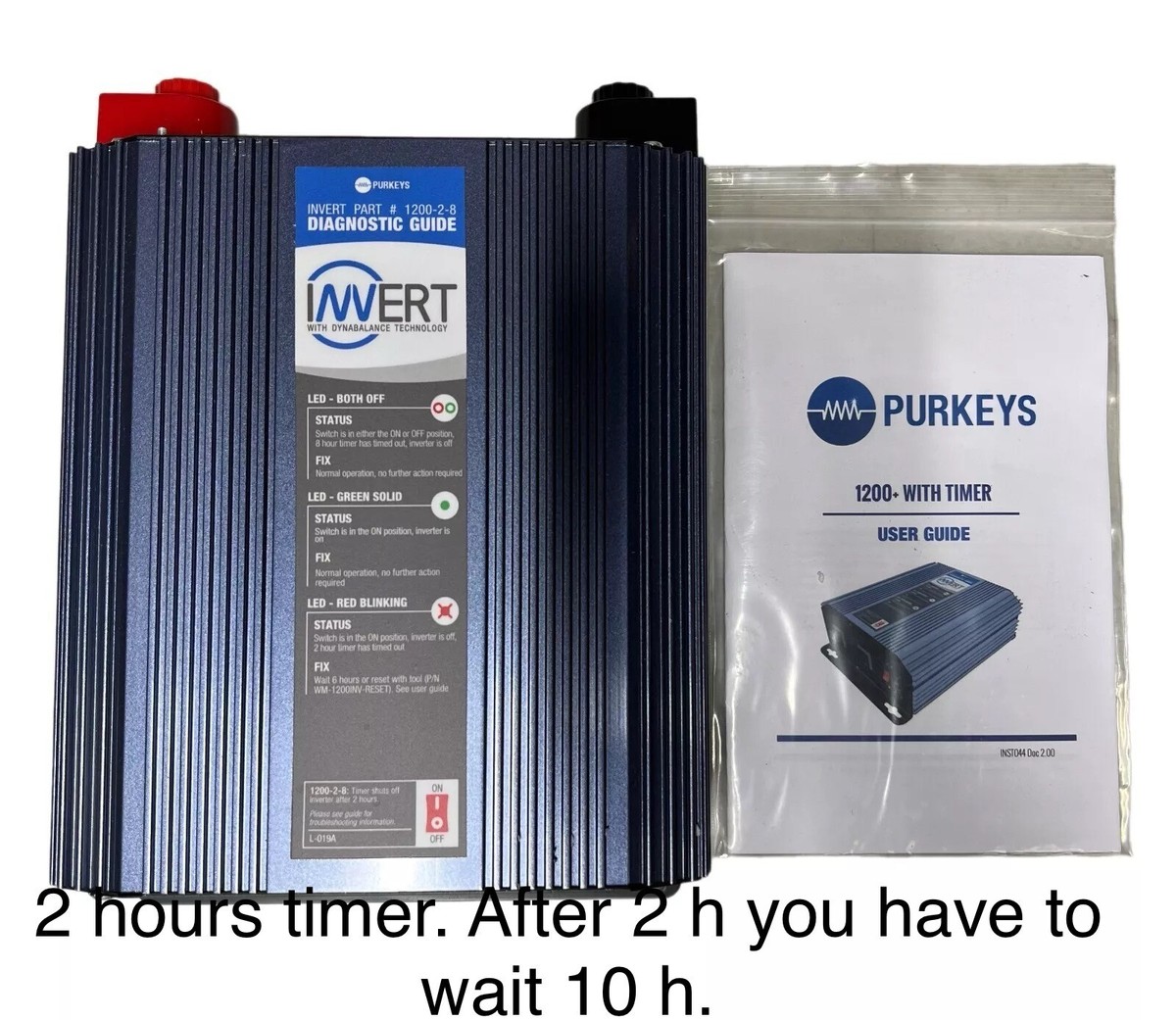
Many inverters have a physical reset button near the control panel. Press and hold this button for a few seconds after restoring power. If your inverter lacks a reset button, use the circuit breakers instead. Flip the breaker off and on to reset the unit. Always check the user manual for model-specific instructions.
Credit: www.ebay.com
Specific Reset Scenarios
Resetting an inverter can solve many common issues quickly. Different reset methods suit specific problems. These methods prevent damage and restore normal function.
Understanding each reset scenario helps save time and avoid costly repairs. Follow the right steps for your inverter type and situation. Below are some common reset scenarios in Utah.
Simple Breaker Reset
This reset works for minor power interruptions or overloads. Turn off the AC breaker linked to the inverter. Wait about 30 seconds to let the system clear faults. Then turn the breaker back on. This action often restores inverter function quickly.
Use this reset first before trying complex steps. It is safe and requires no special tools. Monitor the inverter after reset to check if problems recur.
Gfi Outlet Reset
Inverters connected to GFI outlets may trip due to ground faults. Locate the GFI outlet near the inverter. Press the “Reset” button on the outlet. This restores power to the inverter’s circuit. GFI resets often fix sudden power loss issues linked to outlet faults.
Check the outlet regularly for moisture or damage. These factors can cause frequent trips and require professional inspection.
Solar Inverter Restart
Solar inverters need a specific restart procedure. First, switch off the DC isolator or solar input breaker. Wait 5 minutes to allow stored energy to drain. Then turn off the AC breaker connected to the inverter.
Reverse the order to restart: turn on the DC isolator first, then the AC breaker. This sequence prevents damage and ensures proper inverter reboot. Follow the manufacturer’s guide for model-specific instructions.
Error Codes And Indicators
Error codes and indicators on your inverter provide crucial information about its health and operation. These signals help detect problems early, avoiding bigger damage. Understanding these codes and lights is essential for effective inverter troubleshooting in Utah.
Knowing what each warning light means saves time and effort. It guides you to the right action, whether fixing the problem or calling for help. Let’s explore how to recognize these signals, use manuals, and decide when to contact a technician.
Recognizing Warning Lights
Inverters use warning lights to show their status. A green light usually means normal operation. Yellow or amber lights often warn of minor issues. Red lights signal serious errors that need attention.
Flashing lights may indicate specific faults or error codes. Pay attention to the pattern and color. Each pattern relates to a different problem type.
Consulting Manuals
Manufacturer manuals explain error codes and indicators in detail. They describe what each light or code means. Manuals also provide steps to fix common problems.
Keep your inverter manual handy. Refer to it whenever you see an unfamiliar error code. It helps you troubleshoot safely and correctly.
When To Call A Technician
Some errors require professional help. If the inverter shows persistent red lights or unusual codes, avoid DIY fixes. Complex issues like circuit failures or overheating need expert repair.
Call a technician if the inverter does not reset after following manual instructions. Early professional service prevents costly damage and ensures safe operation.
Maintenance Tips For Longevity
Maintaining your inverter properly increases its lifespan and efficiency. Regular care prevents common faults and reduces repair costs. Simple maintenance routines help keep the inverter running smoothly in Utah’s unique climate.
Regular Inspection Routines
Check your inverter every month for any visible damage. Look for loose wires, burnt components, or unusual sounds. Early detection of problems avoids bigger failures later. Use a checklist to track issues during each inspection. Keep the inverter area clear of dust and debris.
Cleaning And Corrosion Prevention
Clean the inverter surface gently with a dry cloth. Avoid using water or harsh chemicals that can damage parts. Check terminals and connectors for rust or corrosion. Apply anti-corrosion spray on metal parts if needed. Corrosion can block electricity flow and reduce performance.
Battery And Solar Panel Checks
Inspect the battery terminals for tight connections and corrosion. Test battery voltage regularly to ensure proper charging. Clean solar panels with water and a soft brush to remove dust. Check for cracks or shading that reduce solar power. Proper battery and panel care supports inverter stability.
Local Repair Resources In Utah
Utah residents experiencing inverter issues can access several local repair resources. These options help fix problems quickly and professionally. Knowing where to turn saves time and reduces stress.
From certified technicians to service centers and mobile repair units, Utah offers reliable support. Each resource suits different needs and locations.
Finding Qualified Technicians
Qualified technicians in Utah have training in inverter repair. Many hold certifications to ensure quality service. They diagnose problems like module failure or circuit issues accurately. Hiring certified experts increases the chance of a lasting fix. Verify credentials before scheduling a repair appointment.
Service Centers Near Salt Lake City
Salt Lake City hosts several inverter service centers. These centers provide comprehensive diagnostics and repairs. They stock common replacement parts for quick turnaround. Many centers offer warranties on repairs. Choose a center close to your location to save travel time.
Mobile Repair Options
Mobile repair services come directly to your home or business. They handle inverter troubleshooting without needing to transport the unit. This option is convenient for urgent repairs or large systems. Mobile technicians carry essential tools and parts for most fixes. Check availability in your Utah area.
Frequently Asked Questions
What Is The Common Fault In Inverter?
The common faults in inverters include module failure, drive circuit failure, reactor failure, and overload issues. Motor or inverter overload often causes malfunctions.
How Do You Diagnose An Inverter Problem?
Diagnose an inverter problem by checking fuses and breakers for continuity. Inspect wiring for corrosion or looseness. Use a multimeter to measure input and output voltages. Look for error codes on the display. Consult the manual or a technician if issues persist.
How Do I Reset My Inverter?
To reset your inverter, turn off AC and DC power sources. Wait a few minutes to discharge. Then restore DC power first, followed by AC power. Press the reset button if available. Always consult your inverter’s manual for specific instructions.
What Is The Average Lifespan Of A Solar Inverter?
The average lifespan of a solar inverter ranges from 10 to 15 years. Proper maintenance can extend its durability and performance.
What Are Common Inverter Faults In Utah Homes?
Common inverter faults include module failure, drive circuit issues, and overloads. Motor or inverter overloads often cause shutdowns. Regular checks help prevent these problems.
Conclusion
Troubleshooting inverters in Utah can save time and money. Start by checking connections and fuses carefully. Simple resets often fix common issues quickly. Always follow safety steps to avoid accidents. Regular maintenance helps prevent unexpected failures. If problems persist, seek professional help for accurate diagnosis.
Keeping your inverter in good shape ensures reliable power supply. Understanding basic troubleshooting builds your confidence and reduces stress. Stay calm, methodical, and patient while solving inverter problems. This approach keeps your energy system running smoothly every day.