Are you frustrated because your Janome sewing machine isn’t working like it should? Whether your thread keeps breaking, stitches are skipping, or the fabric just won’t feed properly, these common issues can bring your creative flow to a halt.
But don’t worry—you’re not alone, and many of these problems have simple fixes you can do yourself. In this guide, you’ll discover straightforward solutions to get your Janome running smoothly again. Keep reading, and you’ll soon be back to stitching with confidence and ease.
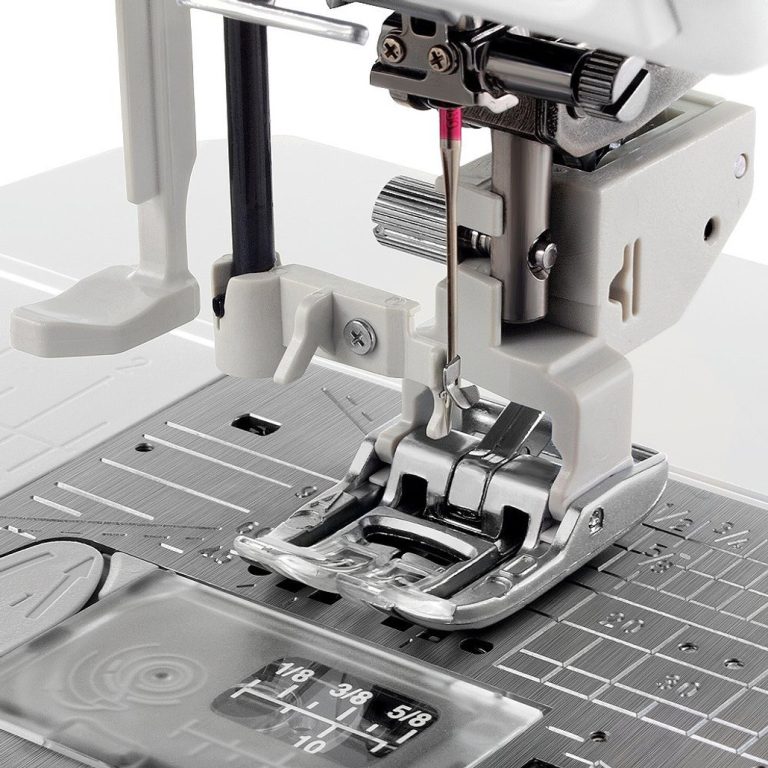
Credit: www.toews.com
Thread Bunching Fixes
Thread breaks can stop your sewing project suddenly. They cause frustration and waste time. Fixing these breaks quickly keeps your work smooth. Understanding common causes helps you prevent them easily. Follow these simple tips to solve thread breaks on your Janome machine.
Choosing Quality Thread
Use good thread to avoid frequent breaks. Cheap thread often has weak spots or rough surfaces. These damage the needle or get stuck in the machine. Pick thread made for sewing machines. Cotton, polyester, or blended threads work well. Avoid tangled or old threads. They increase the chance of breaking.
Adjusting Thread Tension
Correct tension stops thread snapping during sewing. Too tight tension pulls the thread hard. It breaks easily. Too loose tension causes loops and knots. Check your machine’s tension dial. Lower the tension slightly if thread breaks often. Test on scrap fabric before starting your project. Adjust slowly until stitches look even and smooth.
Proper Rethreading Steps
Rethreading the machine fixes many thread break problems. Raise the presser foot before threading. This opens the tension discs properly. Follow the thread path exactly as the manual shows. Pass the thread through all guides and the needle eye carefully. Pull thread tails gently to avoid knots. Incorrect threading causes thread to catch and break.
Needle And Thread Match
Match needle size to your thread and fabric thickness. Thick thread needs a larger needle eye to pass smoothly. Thin thread fits better with smaller needles. Using the wrong needle causes friction and breaks thread. Replace bent or dull needles often. A fresh needle helps smooth stitching and reduces thread breaks.

Credit: www.youtube.com
Solving Thread Breaks
Skipped stitches disrupt your sewing projects and cause frustration. This problem often happens due to needle issues or machine settings. Fixing skipped stitches improves stitch quality and project durability. Focus on key areas like needle condition, needle placement, and presser foot pressure. Each element plays a vital role in smooth stitching.
Needle Inspection And Replacement
Check the needle for bends or dull spots. A damaged needle misses fabric loops, causing skipped stitches. Replace needles after 8 hours of sewing or with visible damage. Use the correct needle type for your fabric to ensure proper stitching.
Correct Needle Insertion
Insert the needle fully with the flat side facing the right direction. A misaligned needle causes thread to miss loops and skip stitches. Tighten the needle clamp securely to prevent movement during sewing. Double-check needle position after replacement or cleaning.
Presser Foot Pressure
Adjust the presser foot pressure to match your fabric thickness. Too little pressure lets the fabric slip, skipping stitches. Too much pressure can bend the needle or distort fabric feed. Use the sewing machine manual to set the correct pressure for each material.
Handling Skipped Stitches
Needle issues are common challenges for Janome sewing machine users. These problems can stop your project and cause frustration. Understanding how to fix needle troubles helps you sew smoothly and save time.
Below are key points about needle breakage, choosing the right needle, and preventing fabric forcing. These tips keep your machine running well and protect your fabric.
Causes Of Needle Breakage
Needles often break due to hitting hard objects like pins or thick seams. Using a bent or dull needle also causes breakage. Sewing too fast or forcing fabric through the machine increases the risk. Incorrect needle insertion can lead to needle damage and breakage too.
Using Correct Needle Type
Selecting the right needle type is crucial for your fabric and thread. Janome machines need specific needles for woven, knit, or heavy fabrics. Using a universal needle on denim or leather can cause needle problems. Always check needle size and type before starting your work.
Avoiding Fabric Forcing
Forcing fabric through the machine can bend or break needles. Let the feed dogs move the fabric naturally. Use the correct presser foot pressure for your fabric weight. Guide the fabric gently without pulling or pushing. This prevents needle damage and keeps stitches even.
Dealing With Needle Issues
Maintaining your Janome sewing machine ensures smooth operation and extends its lifespan. Simple care steps prevent common issues and keep your machine stitching perfectly. Follow these maintenance tips to avoid downtime and costly repairs.
Regular Cleaning Routine
Dust and lint buildup cause thread jams and uneven stitching. Clean the bobbin area after every few uses. Remove the needle plate carefully to access the feed dogs and bobbin case. Use a small brush or compressed air to clear debris. Avoid using water or harsh chemicals that can damage parts. Wipe the exterior with a soft, dry cloth to keep your machine looking new.
Lubrication Points
Proper lubrication reduces friction and wear on moving parts. Check your Janome manual for exact oiling spots. Use sewing machine oil only, applying a drop to each point as directed. Avoid over-oiling to prevent oil stains on fabric. Regular oiling keeps the machine running quietly and smoothly. Perform lubrication after cleaning or if the machine sounds noisy.
Storage Advice
Store your Janome in a clean, dry place to prevent dust and moisture damage. Use a dust cover or case to shield it when not in use. Avoid placing heavy items on top to protect the machine from damage. Keep the machine away from extreme temperatures and direct sunlight. Proper storage preserves the machine’s performance and appearance over time.
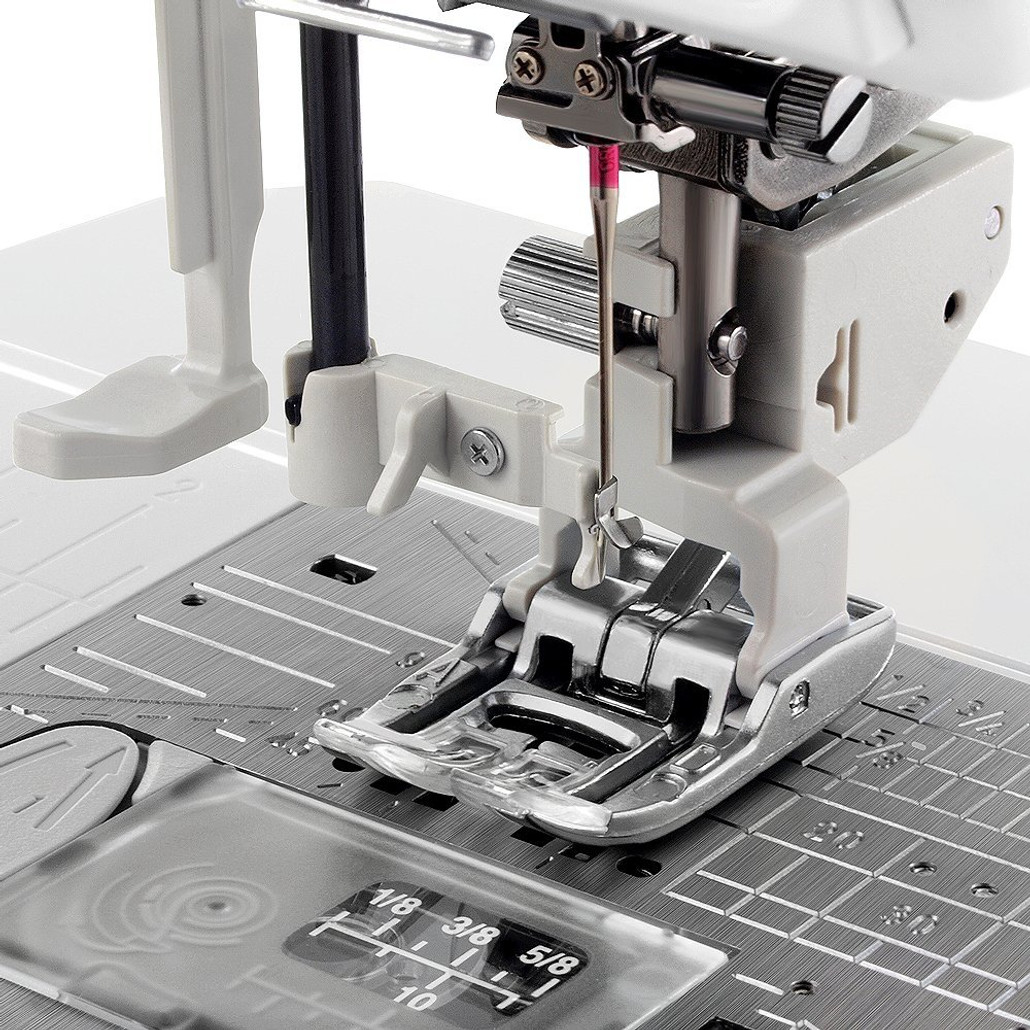
Credit: www.toews.com
Frequently Asked Questions
How To Troubleshoot A Janome Sewing Machine?
Check and clean the bobbin case and feed dogs regularly. Adjust upper thread tension if thread breaks. Replace bent or dull needles. Rethread with the presser foot up. Reset machine settings to default to fix misconfigurations.
What Are The 7 Common Sewing Machine Troubles?
The 7 common sewing machine troubles are thread bunching, thread breaking, skipped stitches, needle breaking, fabric not feeding, puckering stitches, and machine jams.
Why Is My Sewing Machine Thread Bunching Underneath?
Thread bunching underneath occurs from incorrect top threading, uneven bobbin tension, or lint buildup in the bobbin area. Raise the presser foot, rethread properly, clean lint, and balance thread tension to fix it.
How Do You Reset A Janome Sewing Machine?
To reset a Janome sewing machine, turn it off, unplug it, wait 30 seconds, then plug it back in and turn it on. This clears errors and restores default settings. Refer to your model’s manual for specific reset instructions.
How Do I Fix Thread Bunching On My Janome Machine?
Thread bunching happens when the top thread tension is off or the bobbin is poorly wound. Raise the presser foot and rethread the machine carefully. Also, clean lint from the bobbin area and balance the tension.
Conclusion
Troubleshooting your Janome sewing machine becomes easier with clear steps. Keep the machine clean and check the needle often. Adjust thread tension gently to avoid breaks or bunching. Replace dull or bent needles promptly to maintain stitch quality. Regular care prevents many common sewing problems.
Follow simple fixes to keep your Janome working smoothly. Sewing stays fun when your machine runs without issues. Don’t hesitate to consult the manual or expert help if needed. Small efforts save time and frustration in the long run.