Is your Japanese maple looking tired, with curling leaves or fading colors? You’re not alone.
Many gardeners face challenges keeping these beautiful trees healthy and vibrant. But don’t worry—your Japanese maple can bounce back with the right care. In this guide, you’ll discover how to identify common problems, what might be causing them, and simple steps you can take to revive your tree.
Whether you’re battling dry leaves, pests, or watering troubles, learning to troubleshoot your Japanese maple will help you enjoy its graceful beauty for years to come. Keep reading to unlock the secrets to a thriving Japanese maple right in your own garden.
Common Japanese Maple Problems
Japanese maples are beautiful trees but can face several common problems. These issues affect their health and appearance. Knowing these problems helps keep your tree healthy and vibrant. Below are frequent troubles and how to spot them early.
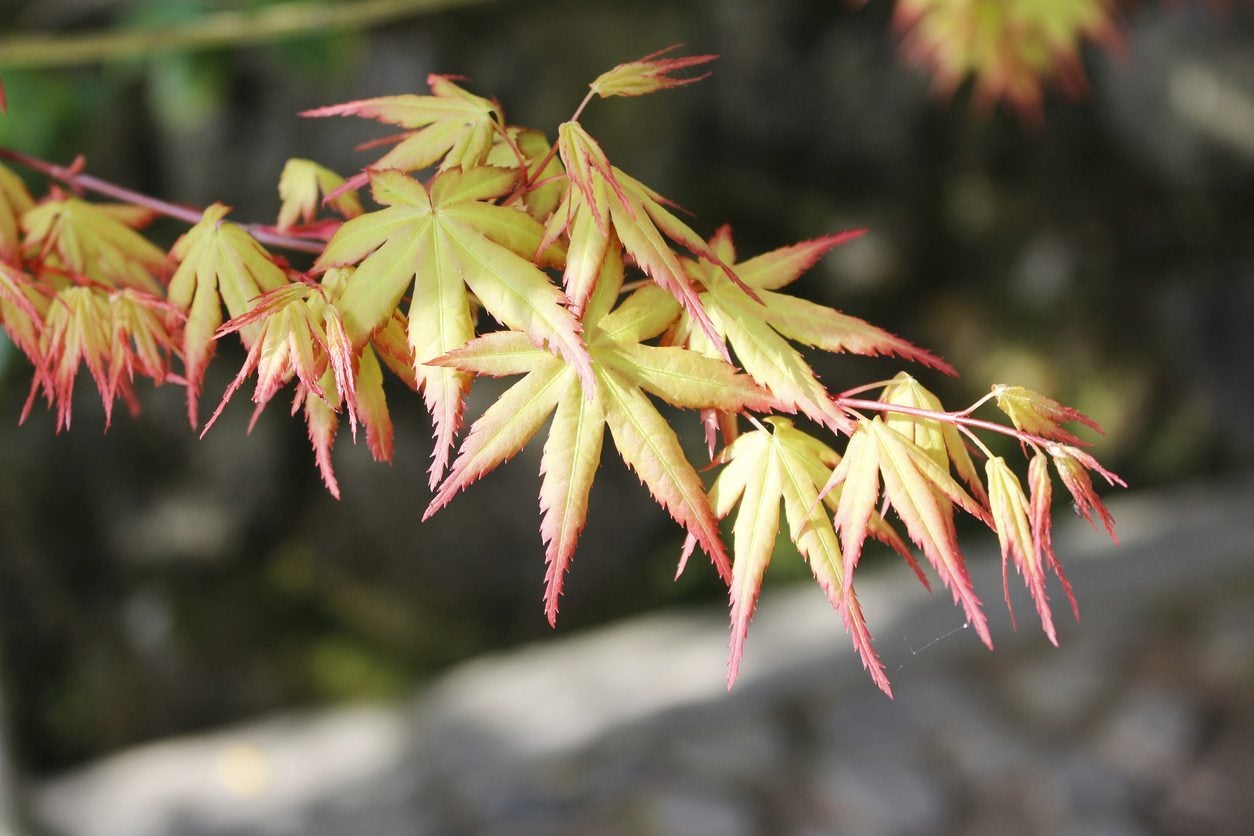
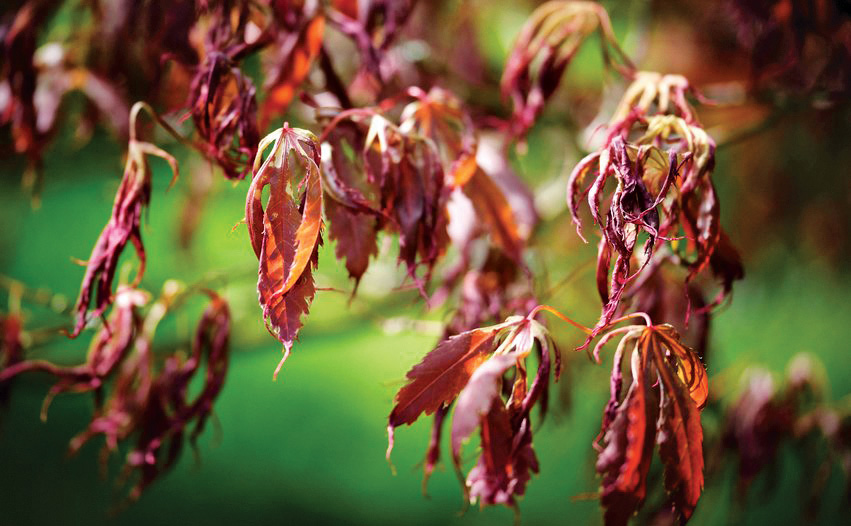
Leaf Curling And Browning
Leaves curl and turn brown due to lack of water or too much sun. Dry soil stresses the tree, causing leaf damage. Protect young trees from harsh afternoon sun. Keep soil moist but not soggy for healthy leaves.
Yellowing Leaves And Wilting
Yellow leaves and wilting usually show overwatering or poor drainage. Roots may suffocate without oxygen, causing leaf color changes. Check soil moisture before watering again. Proper watering helps leaves stay green and firm.
Root Rot And Overwatering
Root rot appears when soil stays wet too long. Soft, mushy roots stop absorbing nutrients. Overwatering is the main cause. Improve drainage and reduce watering frequency. Healthy roots support strong tree growth.
Pest Infestations
Common pests include aphids, scale, and spider mites. They suck sap, weakening the tree. Look for sticky residue or tiny insects on leaves. Treat infestations early with insecticidal soap or neem oil. Regular checks prevent serious damage.
Fungal Diseases
Fungal diseases cause leaf spots, blights, and wilting. Wet, humid conditions help fungi spread. Remove infected leaves and improve air circulation. Fungicides may be needed for severe cases. Keep leaves dry and avoid overhead watering.
Credit: www.gardeningknowhow.com
Environmental Stress Factors
Japanese maples are delicate trees that often face challenges from their environment. Environmental stress factors can cause leaves to wilt, discolor, or drop. Understanding these stressors helps keep your tree healthy and vibrant. Below are common environmental issues affecting Japanese maples.
Temperature Fluctuations
Japanese maples dislike sudden changes in temperature. Rapid warm-ups after cold nights can damage leaves and buds. Extreme heat can also cause leaf scorch. Protect young trees by planting them in spots shielded from harsh winds. Avoid placing them in full sun where temperature swings are strongest.
Sunburn And Winter Damage
Strong sun exposure can burn leaves and bark. This damage appears as brown, dry patches. In winter, the sun’s reflection on snow can worsen bark injury. Protect trees with burlap wraps or shade cloth during intense sun or cold spells. Avoid pruning late in the season to prevent exposing sensitive wood.
Soil And Mulch Issues
Poor soil drainage stresses Japanese maples. Waterlogged roots cause yellowing leaves and weak growth. Use well-draining soil and avoid heavy clay. Mulch should be applied carefully to keep roots moist but not soggy. Keep mulch away from the trunk to prevent rot and pests.
Watering Techniques
Watering is a key part of caring for Japanese maples. These trees need just the right amount of water to stay healthy. Too little water can dry them out. Too much water can cause root problems. Knowing how to water correctly helps your tree thrive and avoid common troubles. Below are important tips to keep your maple well hydrated.
Signs Of Underwatering
Leaves curl and become dry or crispy. Branch tips may turn brown and brittle. Soil feels very dry several inches below the surface. The tree looks wilted or droopy during hot days. New growth may be slow or stunted. Watch for these signs to act quickly.
Avoiding Overwatering
Yellowing leaves often mean too much water. Leaves may drop off easily. Soil stays wet and soggy for days. Roots can become soft or mushy. Avoid watering if the soil is still moist. Good drainage in the soil helps prevent overwatering. Check soil moisture before watering again.
Proper Watering Schedule
Water deeply but less often. Let the top 1-2 inches of soil dry before watering. During hot, dry weather, water more frequently. Early morning or late afternoon watering is best. Avoid watering at night to prevent fungal issues. Adjust watering during rainy or cool seasons. Consistency helps maintain healthy roots and leaves.
Soil And Fertilization Tips
Proper soil and fertilization are key to keeping Japanese Maples healthy. These trees thrive in well-draining soil that holds enough moisture without becoming waterlogged. Fertilizing at the right time and with the right product helps maintain vibrant leaves and strong growth. Poor soil or incorrect fertilization often causes leaf discoloration, wilting, or stunted growth.
Understanding the soil needs and fertilization best practices can prevent many common problems. This section covers how to choose the right soil, avoid fertilizer burn, and select the best fertilizers for Japanese Maples.
Choosing The Right Soil
Japanese Maples prefer slightly acidic soil with a pH between 5.5 and 6.5. The soil should be loose and well-draining to avoid root rot. Mixing organic matter like compost or peat moss improves soil texture and nutrient content. Avoid heavy clay soils as they retain too much water and limit root oxygen. Using a quality potting mix for container trees also supports healthy root development.
Fertilizer Burn Prevention
Fertilizer burn happens when too much fertilizer damages roots and leaves. Always follow label instructions for application rates. Applying fertilizer too often or in hot weather increases burn risk. Water the soil well before and after fertilizing to help nutrients soak in evenly. Using slow-release fertilizers reduces the chance of sudden nutrient overload and keeps your tree safe.
Best Fertilizers For Japanese Maples
Choose fertilizers with balanced nitrogen, phosphorus, and potassium for overall health. A formula like 10-10-10 works well for most Japanese Maples. Use fertilizers designed for acid-loving plants to support the tree’s preferred pH. Organic options, such as fish emulsion or compost tea, provide gentle feeding and improve soil quality. Fertilize in early spring and again in late summer for steady growth.
Pest And Disease Control
Japanese maples are beautiful trees but often face pest and disease challenges. Controlling these issues helps keep your tree healthy and vibrant. Early detection and proper treatment protect your tree from damage.
Understanding common pests and diseases allows you to act quickly. Using natural remedies and careful treatments supports your tree without harsh chemicals. Regular care and observation are key to preventing serious problems.
Identifying Common Pests
Japanese maples attract pests like aphids, scale insects, and spider mites. Aphids cluster on new leaves, sucking sap and causing distortion. Scale insects appear as small bumps on branches and leaves. Spider mites create fine webbing and cause leaf speckling.
Look for yellowing, curling, or sticky leaves. Check for tiny moving insects or webbing. Early pest identification helps reduce damage and spread.
Natural Pest Remedies
Use insecticidal soap or neem oil for safe pest control. Spray affected areas gently, covering leaves and stems. Introducing ladybugs can naturally reduce aphid populations.
Keep your tree well-watered and healthy to resist pests. Remove heavily infested leaves or branches to limit pest growth. Avoid harsh chemicals that can harm beneficial insects and your tree.
Treating Fungal Infections
Fungal diseases like powdery mildew and leaf spot can harm Japanese maples. Powdery mildew shows as white powder on leaves. Leaf spot causes dark, round spots on foliage.
Remove infected leaves promptly and dispose of them away from the tree. Improve air circulation by pruning crowded branches. Use fungicides labeled for Japanese maples if needed, following instructions carefully.
Water the base of the tree, avoiding wetting leaves. This practice reduces fungal growth and keeps your tree healthy.
Credit: www.avidbookshop.com
Pruning And Maintenance
Pruning and maintenance are key to keeping your Japanese Maple healthy. Regular care helps the tree grow strong and beautiful. It also prevents common issues like disease and poor growth. Knowing when and how to prune makes a big difference. Preparing the tree for winter protects it from harsh weather. Follow simple steps for pruning and winter care to enjoy a vibrant Japanese Maple year-round.
Proper Pruning Timing
Prune your Japanese Maple in late winter or early spring. This timing avoids stress during active growth. Pruning too late can cause bleeding from cuts. Avoid pruning in summer, as it may harm new leaves. Light pruning throughout the year helps keep shape and size. Always remove dead or damaged branches first.
Avoiding Over-pruning
Cut only small branches at a time to avoid over-pruning. Removing too many leaves can weaken your tree. Over-pruning reduces energy stored for winter survival. Keep the tree’s natural shape by pruning selectively. Use clean, sharp tools to make smooth cuts. This prevents disease and promotes faster healing.
Winter Preparation
Prepare your Japanese Maple for winter by pruning light branches. Clear fallen leaves and debris around the base. Mulch the soil to keep roots warm and moist. Avoid heavy fertilizing late in the season. Protect young trees with burlap wraps from strong winds. These steps reduce winter damage and help your tree thrive.
Reviving A Struggling Tree
Reviving a struggling Japanese maple requires careful attention and patience. These trees are delicate and show stress through leaf changes or branch damage. Early action can restore health and beauty to your tree. Follow clear steps to help your tree recover and thrive again.
Assessing Damage
Start by examining leaves and branches closely. Look for wilting, browning, or curled leaves. Check if many leaves have dropped suddenly. Inspect branches for cracks or dead wood. Note any areas with sunburn or frost damage. This helps identify the cause and severity of the problem.
Hydration Strategies
Water the tree deeply but avoid waterlogging the soil. Let the top inch of soil dry out before watering again. Use mulch to keep soil moist and cool. Avoid letting roots sit in standing water. Monitor the tree daily during hot, dry weather to prevent drought stress.
Adjusting Care Routine
Reduce fertilizer use until the tree shows improvement. Avoid heavy pruning in late summer or fall. Provide some shade if the tree gets harsh afternoon sun. Keep the soil loose to improve root breathing. Adjust watering and feeding based on the tree’s response over time.
Credit: www.finegardening.com
Frequently Asked Questions
How To Revive A Struggling Japanese Maple?
Check for leaf damage and soil dryness. Water deeply only when soil is dry. Apply balanced fertilizer. Prune dead branches. Protect from extreme sun and temperature changes. Monitor regularly for pests and adjust care accordingly.
What Is Wrong With My Japanese Maple Tree?
Your Japanese maple may suffer from water stress, sunburn, root issues, pests, or disease. Check soil moisture, leaf condition, and signs of infestation. Adjust watering, protect from extreme sun, and prune properly to improve health.
Why Are My Japanese Maple Leaves Curling And Turning Brown?
Japanese maple leaves curl and turn brown due to underwatering, sunburn, pests, or fungal infections. Check soil moisture and sunlight exposure.
What Does Overwatered Japanese Maple Look Like?
Overwatered Japanese maple shows yellowing, wilting leaves that drop easily. Stems may become mushy and the tree looks dull and unhealthy.
Why Are My Japanese Maple Leaves Curling And Browning?
Curling and browning leaves often signal underwatering or sunburn. Japanese maples need consistent moisture and some shade to stay healthy.
Conclusion
Healthy Japanese maples need steady care and attention. Watch for signs like curled or brown leaves early. Adjust watering carefully—too much or too little harms the tree. Protect your maple from extreme temperatures and harsh sun. Keep soil well-drained and avoid burying roots too deep.
Regularly check for pests and disease to act fast. With patience and simple steps, you can help your tree thrive. A little effort keeps your Japanese maple beautiful year-round.