Is your John Deere riding mower acting up just when you need it most? Whether it won’t start, the blades aren’t cutting evenly, or it’s making strange noises, these problems can be frustrating.
But don’t worry—most common issues have simple fixes you can handle yourself. In this guide, you’ll discover easy troubleshooting tips to get your mower back on track quickly. Keep reading to learn how to diagnose and solve the problems so your lawn stays perfectly trimmed all season long.
Your mower will thank you!
Common John Deere Mower Issues
John Deere riding mowers are reliable machines, but they can face common issues. Knowing these problems helps keep your mower running smoothly. Troubleshooting these issues saves time and money.
Many John Deere users report similar problems. Understanding these issues allows quick fixes and better maintenance. This section covers common mower troubles and ways to identify them.
Engine Won’t Start
The engine not starting is a frequent issue. This can result from a dead battery, faulty spark plug, or clogged fuel filter. Sometimes, the safety switch may be off or damaged. Check these parts first before deeper repairs.
Uneven Cutting Problems
Uneven cutting often comes from dull or damaged blades. Incorrect blade height or worn deck components also cause this. Inspect the blades and deck for damage or misalignment. Regular blade sharpening improves cut quality.
Belt And Drive Troubles
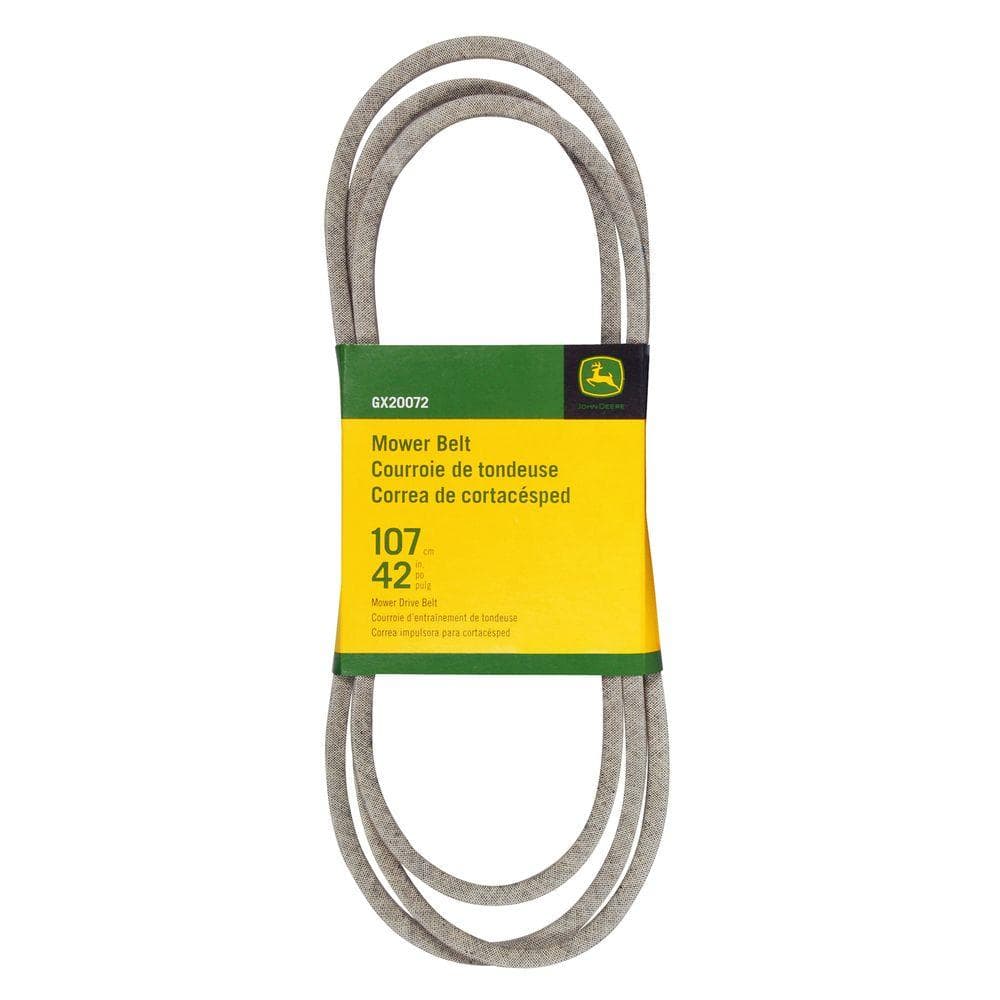
Belts may slip or break, causing drive issues. Worn or loose belts reduce mower performance. Check belt tension and condition regularly. Replace belts showing cracks or excessive wear to maintain smooth operation.
Excessive Vibration
Vibration can damage mower parts and cause discomfort. This usually happens due to unbalanced or bent blades. Loose parts or worn engine mounts also cause shaking. Tighten loose components and balance blades to reduce vibration.
Blade Performance Issues
Blades that don’t cut well affect lawn health. Blunt or damaged blades tear grass instead of cutting cleanly. Rust or debris on blades can reduce sharpness. Regular cleaning and sharpening keep blades effective and extend their life.
Credit: sintesa.bmtibandung.id
Solenoid Problems And Solutions
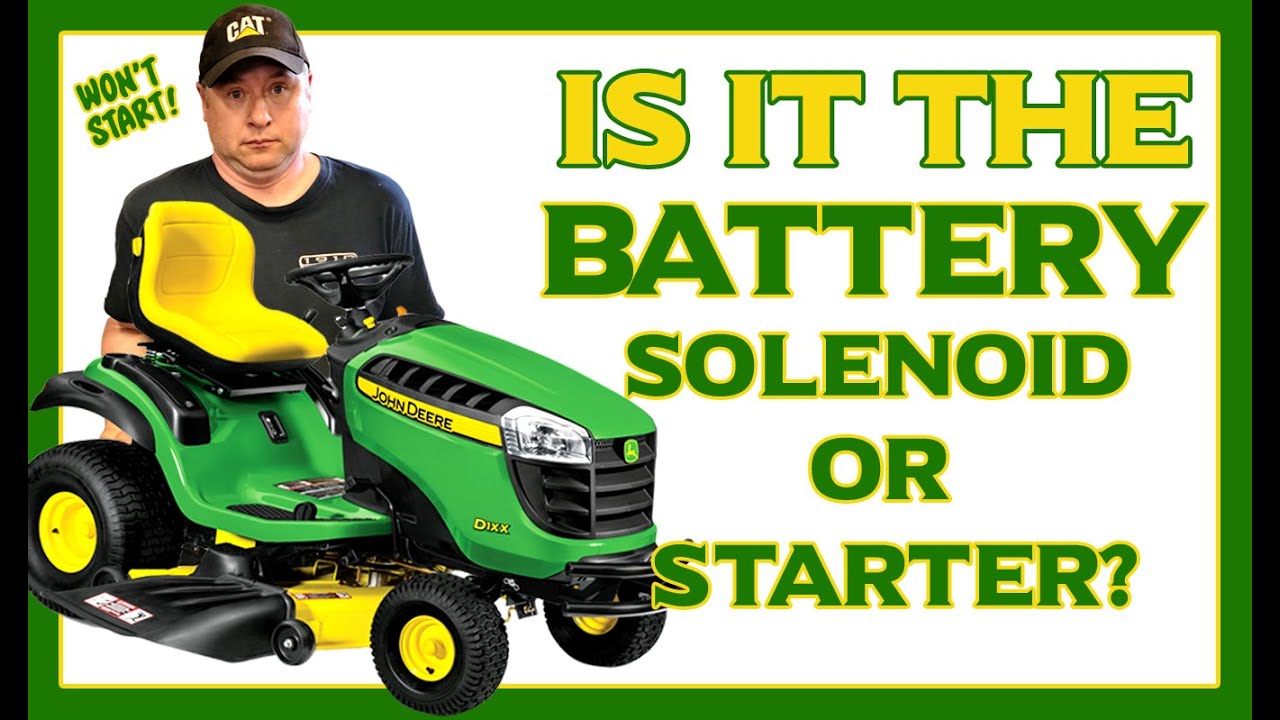
The solenoid plays a vital role in starting your John Deere riding mower. It acts like a switch to send power from the battery to the starter motor. Problems with the solenoid often cause the mower not to start or crank properly. Understanding solenoid issues helps in quick troubleshooting and repair.
Solenoid problems can show up as no response or just a click sound when turning the key. Testing the solenoid with simple tools can confirm if it is faulty. Some tests let you bypass the solenoid to check if the starter motor works.
Replacing a bad solenoid is straightforward and restores proper starting function. Below are key signs, testing methods, and replacement tips for solenoid issues.
Signs Of A Bad Solenoid
One clear sign is no crank and no click when you turn the key. The engine stays silent, showing no power reaches the starter. Another sign is hearing a single click, but the engine does not turn. This means the solenoid tries to engage but fails to activate the starter motor.
Sometimes the mower starts intermittently or only after several attempts. This can also signal a weak or failing solenoid. Other signs include dim lights during start attempts or no sound at all from the solenoid area.
Testing With A Multimeter
Use a multimeter to check solenoid voltage and continuity. First, set the meter to measure voltage. Turn the key to the start position and check if battery voltage reaches the solenoid input terminal. If power is present, switch the meter to test continuity between the solenoid output terminal and the starter.
No continuity means the solenoid contacts are bad and not passing power. Continuity with no starter action confirms a different starter or wiring problem. This test helps confirm if the solenoid is the cause of no start.
Bypass Test Method
Carefully bypass the solenoid by using a screwdriver or metal tool to connect the two large terminals on the solenoid. This action sends power directly to the starter motor, bypassing the solenoid switch. If the engine cranks during this test, the solenoid is faulty.
Use caution to avoid sparks or shorts during the bypass test. This quick test is useful to isolate solenoid failure from other electrical issues.
Replacing The Solenoid
Start by disconnecting the mower’s battery to avoid shocks. Locate the solenoid near the battery or starter motor. Remove the wires connected to the solenoid terminals, noting their positions. Unscrew the mounting bolts and remove the old solenoid.
Install the new solenoid by securing it with bolts and reconnecting the wires correctly. Reconnect the battery and test the mower to ensure it starts properly. Replacing a solenoid often fixes starting problems quickly and restores mower reliability.
Battery And Electrical Checks
Battery and electrical issues cause many John Deere riding mower problems. Checking these parts helps find power faults fast. Start with the battery health, then move to wiring and connections. Finally, test the starter motor to spot any faults. This step-by-step approach saves time and effort.
Battery Health And Charging
Check the battery voltage using a multimeter. A healthy battery shows about 12.6 volts when fully charged. If the voltage is below 12 volts, charge or replace the battery. Clean battery terminals remove corrosion that blocks power flow. Tighten all connections to prevent loose contacts. Test the charger to ensure it works correctly. A good battery and charger keep your mower running well.
Inspecting Wiring And Connections
Look over all wires for cracks, breaks, or wear. Damaged wires cause shorts or open circuits. Check connectors for corrosion or loose fits. Use contact cleaner to improve electrical flow. Secure wires away from moving parts or heat sources. Proper wiring and solid connections stop many mower startup problems.
Starter Motor Troubleshooting
Turn the key and listen for sounds from the starter motor. No noise or just a click means the starter may fail. Test voltage at the starter terminals with a multimeter. If voltage is present but the motor does not spin, replace the starter. Check the starter solenoid for faults by listening for a click. A bad solenoid blocks power from reaching the starter motor.
Credit: www.youtube.com
Blade And Deck Maintenance
Proper blade and deck maintenance keeps your John Deere riding mower cutting smoothly and evenly. It prevents damage and extends the mower’s lifespan. Regular care avoids common issues like uneven cuts or clogging.
This section covers key tasks: sharpening and replacing blades, clearing discharge chute blockages, and adjusting deck height. Each step helps maintain peak performance and safety.
Sharpening And Replacing Blades
Dull blades tear grass instead of cutting cleanly. This stresses your mower and harms your lawn. Check blades often for dullness or damage.
Remove blades carefully using the right tools. Sharpen them evenly on both sides with a file or grinder. Balance blades after sharpening to prevent vibration.
Replace blades if they are cracked, bent, or severely worn. Use only John Deere approved blades for best fit and safety.
Clearing Discharge Chute Blockages
Grass clippings can clog the discharge chute, causing poor cutting and engine strain. Always turn off the mower and disconnect the spark plug before clearing blockages.
Use a stick or tool to remove clumps from the chute. Avoid using hands to prevent injury. Keep the chute clean to ensure smooth grass flow.
Adjusting Deck Height
Proper deck height controls grass length and mower performance. Set the height according to grass type and season.
Use the mower’s height adjustment lever or knob. Check that all wheels are level for an even cut. Avoid cutting too low to prevent scalping and damage.
Drive And Transmission Fixes
The drive and transmission system plays a crucial role in your John Deere riding mower’s performance. Problems in this area can cause the mower to lose power or stop moving. Fixing these issues quickly helps keep your mower running smoothly and extends its life.
Many common problems relate to the drive belt tension, slipping belts, or transmission fluid. Each of these parts needs regular attention and care. Simple adjustments and maintenance can solve most issues.
Adjusting Drive Belt Tension
The drive belt must have the correct tension to work properly. Too loose or too tight belts cause poor mower movement or slipping. Use the tensioner pulley or adjust the idler arm to set the belt tension.
Start by locating the belt and checking its slack. Press down on the belt; it should move about half an inch. If it moves too much, tighten the belt by loosening the mounting bolts and adjusting the tensioner. Retighten the bolts once the belt feels firm but not overly tight.
Fixing Slipping Belts
Slipping belts reduce the mower’s power and make it hard to drive. Worn or oily belts often cause slipping. Clean the belt with a cloth and mild detergent to remove dirt and oil.
If cleaning does not help, inspect the belt for cracks or fraying. Replace the belt if it shows any damage. Also, check the pulleys for wear or debris and clean them. Proper belt alignment ensures smooth power transfer and stops slipping.
Transmission Fluid And Filters
Transmission fluid lubricates moving parts and prevents overheating. Low or dirty fluid can cause transmission problems. Check the fluid level regularly using the dipstick and top off with the recommended John Deere transmission fluid.
Change the transmission fluid and filter based on the mower’s manual schedule. This keeps the system clean and running well. Old fluid contains dirt that can clog the filter and damage the transmission. Fresh fluid improves shifting and power delivery.
Troubleshooting Mower Controls
Troubleshooting mower controls is essential to keep your John Deere riding mower running smoothly. Control issues can stop your mower from starting or moving. Identifying and fixing these problems saves time and money. This section covers common control problems and simple checks you can do yourself.
Foot Pedal And Brake Issues
Foot pedals must move freely without sticking. Dirt or rust can cause pedal problems. Clean the pedal area and apply lubricant to moving parts. Check the brake system. If the brake feels loose or won’t hold, the brake cable may need adjustment or replacement. Test the brake safety switch, which stops the mower if the brake is not engaged.
Ignition Switch Problems
The ignition switch controls power to the mower. If the mower won’t start, the switch could be faulty. Turn the key and listen for any clicking sounds. No sound might mean a bad ignition switch or a dead battery. Use a multimeter to test the switch’s electrical connections. Replace the switch if testing shows no power flow.
Safety Switch Checks
John Deere mowers have safety switches to prevent accidents. These switches stop the engine if the operator leaves the seat or the mower is in gear. Check all safety switches for dirt or damage. Use a multimeter to test each switch’s continuity. Clean or replace switches that do not work properly to ensure safety and mower function.
Preventive Care Tips
Preventive care keeps your John Deere riding mower running smoothly. It reduces breakdowns and extends mower life. Small daily tasks make a big difference. Follow simple tips to protect your mower from common issues. Regular attention prevents costly repairs and keeps your lawn looking great.
Regular Cleaning Routines
Clean your mower after each use. Remove grass clippings, dirt, and debris from the deck. Use a brush or a hose to clear the underside. Avoid letting buildup block the blades or engine parts. Clean air filters often to keep airflow strong. A clean mower runs cooler and cuts better.
Scheduled Maintenance Tasks
Check the oil level before every use. Change the oil every 50 hours or as the manual says. Replace the spark plug yearly for easy starting. Sharpen blades to ensure a smooth, even cut. Inspect belts and replace if cracked or worn. Follow the service schedule to catch problems early.
Proper Storage Practices
Store your mower in a dry, covered place. Avoid damp areas to prevent rust and corrosion. Drain fuel or add a stabilizer before long storage. Remove the battery or keep it charged during winter months. Cover the mower to keep dust and pests away. Proper storage saves money on repairs later.

Credit: west-equip.com
Frequently Asked Questions
What Are Some Common Problems With John Deere Lawn Mowers?
Common John Deere lawn mower problems include plugged discharge chute, slipping belts, uneven cuts, excessive vibration, scalping grass, and mower stalling when reversing.
How To Tell If A Solenoid Is Bad On A Riding Lawn Mower?
Listen for no click or a weak click when turning the key, indicating no starter power. Use a multimeter to check voltage at solenoid terminals during cranking. No voltage out means a bad solenoid. Bypass the solenoid with a screwdriver carefully to test if the starter engages.
Why Will My John Deere Mower Not Start?
Your John Deere mower may not start due to a dead battery, faulty ignition switch, bad solenoid, clogged fuel system, or dirty spark plug. Check these components first to diagnose the issue quickly.
Why Does My Lawn Mower Leave A Strip Of Grass In The Middle?
Your lawn mower leaves a grass strip due to uneven blade rotation or clogged discharge chute. Check blade sharpness and clear debris for even cutting.
Why Won’t My John Deere Mower Start Properly?
Check the battery charge and connections first. A dead battery or loose wires often cause start issues. Also, inspect the ignition switch and safety features.
Conclusion
Troubleshooting your John Deere riding mower helps keep it running well. Simple checks can solve many common problems fast. Pay attention to sounds, lights, and mower behavior. Regular maintenance avoids bigger issues later on. Use this guide to spot issues early and fix them yourself.
Staying calm and patient makes troubleshooting easier. Keep your mower ready for smooth, even grass cutting. Small efforts save time and money in the long run. Your mower will serve you better with proper care.