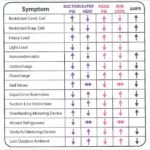
Is your Kenmore clothes dryer acting up and leaving your laundry damp or taking forever to finish? You’re not alone.
Many Kenmore dryer owners face issues like the dryer not heating, stopping mid-cycle, or making strange noises. These problems can be frustrating, especially when you need your clothes dried quickly. But before you call a repair technician or buy a new machine, there’s good news—you can often troubleshoot and fix common Kenmore dryer problems yourself.
This guide will walk you through easy-to-understand steps to identify what’s wrong and how to get your dryer back to working smoothly. Keep reading, and you’ll save time, money, and stress by tackling these issues head-on.
Dryer Not Heating
Kenmore clothes dryers sometimes stop heating, leaving clothes damp after a full cycle. This common issue can disrupt your laundry routine. Troubleshooting is simple once you know what to check. Understanding the reasons behind no heat helps you fix the problem fast. Below are key points to guide you through this issue.
Common Causes
- Clogged exhaust vent blocking airflow
- Burnt-out heating element in electric models
- Blown thermal fuse preventing power to heat
- Faulty high-limit thermostat cutting heat
- Broken igniter in gas dryers
Symptoms
- Dryer runs but clothes remain wet or damp
- Warm air is weak or not present
- Longer drying times than usual
- Dryer drum spins normally without heating
Quick Fixes
- Clean the lint filter and exhaust vent thoroughly
- Test and replace the heating element if damaged
- Check the thermal fuse with a multimeter and swap if blown
- Inspect the high-limit thermostat and replace if faulty
- For gas dryers, test the igniter and replace if it does not glow
Drum Not Tumbling
The Kenmore clothes dryer drum not tumbling is a common issue. It means the drum does not rotate during the drying cycle. Clothes remain wet and the dryer seems stuck. This problem interrupts your laundry routine and needs quick fixing. Understanding the cause can save time and money on repairs.
Possible Reasons
The drive belt may be broken or slipped off. Without the belt, the motor cannot turn the drum. Drum rollers can wear out and stop the drum from turning smoothly. The motor itself could fail or become jammed. Another cause might be a faulty idler pulley or a worn-out drum bearing. These parts help the drum spin freely.
Signs To Watch
The dryer runs, but the drum stays still. You might hear the motor running loudly or straining. Clothes stay wet after a full cycle. The dryer may make unusual squeaking or thumping sounds. Sometimes, the dryer stops mid-cycle or smells burnt. These signs indicate a tumbling problem inside the dryer.
How To Repair
Unplug the dryer before any repair. Check the drive belt for breaks or looseness. Replace the belt if it is damaged. Inspect drum rollers and replace if worn or seized. Test the motor by listening for noise or checking for power. Replace the motor if it does not run properly. Examine the idler pulley and drum bearing, replacing faulty parts. Clean lint buildup to avoid strain on parts. Use a screwdriver and socket set for most repairs. Follow the dryer manual for safety and part details.
Stopping Mid-cycle
Kenmore clothes dryers stopping mid-cycle can disrupt your laundry routine. This issue often signals an underlying problem needing attention. Understanding why your dryer stops suddenly helps fix it faster and prevents damage.
Frequent Triggers
Common causes for a dryer stopping mid-cycle include a faulty timer, door switch, or overheating. A broken timer can cut power abruptly. A defective door switch may signal the dryer to stop for safety. Overheating triggers the thermal fuse, shutting down the dryer to avoid fire risks.
Identifying Issues
Check if the dryer stops at the same point every time. Listen for unusual noises or if the drum stops turning. Inspect the door latch; if it feels loose, the switch might be faulty. Feel the dryer’s exterior; excessive heat suggests overheating. Testing the timer requires a multimeter and some technical skill.
Simple Solutions
Reset the dryer by unplugging it for a few minutes. Clean the lint filter and vent to prevent overheating. Replace the door switch if it does not click when pressed. If overheating persists, check the thermal fuse and replace if needed. For timer issues, consulting a technician is safest.
Credit: www.ifixit.com
Loud Noises
Loud noises coming from your Kenmore clothes dryer can signal a problem. These sounds often mean parts are worn or broken. Acting early helps avoid bigger repairs and saves money. Understanding the types of sounds, what causes them, and how to fix them keeps your dryer running smoothly.
Types Of Sounds
Different noises mean different problems. A thumping sound may come from a broken belt. Squealing or screeching often signals worn drum rollers. Rattling noises can mean loose or damaged parts inside. Listening closely helps identify the exact issue.
Root Causes
Worn drum rollers cause many loud noises. They support the drum and wear out over time. A broken or loose belt can create a thumping sound. Faulty idler pulleys or motor bearings often cause squealing. Foreign objects like coins or buttons can rattle inside the dryer. Dirt and lint buildup may also create noise by blocking moving parts.
Fixing Noise Problems
Start by unplugging the dryer. Check the drum rollers for wear and replace if needed. Inspect the belt for cracks or looseness and tighten or replace it. Clean out lint and debris from all areas. Remove any foreign objects found inside. Lubricate motor bearings if squealing persists. Testing the dryer after repairs ensures the noise is gone.
Burning Smell Or Smoke
A burning smell or smoke from a Kenmore clothes dryer signals a serious issue. This problem can damage the appliance or cause a fire. Detecting the cause quickly protects your home and family. Understanding common sources and knowing what to do helps you act fast and safely.
Potential Sources
Lint buildup is a common cause of burning smells. It blocks airflow and overheats the dryer. Faulty heating elements can also emit a burning odor. Electrical wiring problems may cause smoke or sparks. Overheating motors or drum belts can produce a burning scent. Check for foreign objects caught inside the drum too.
Safety Precautions
Turn off the dryer immediately if you smell burning or see smoke. Unplug the machine from the power outlet to cut electricity. Avoid using water to put out smoke or flames near the dryer. Keep children and pets away from the area. Have a fire extinguisher nearby just in case.
Immediate Actions
Open windows and doors to ventilate the room. Remove clothes from the dryer carefully once it cools. Inspect the lint trap and clean it if needed. Check the vent hose for clogs or damage. Call a professional technician to inspect internal parts. Do not restart the dryer until it is fully checked and repaired.

Credit: www.youtube.com
Clogged Vents
Clogged vents are a common issue in Kenmore clothes dryers. They block airflow, causing several performance problems. Lint and debris build-up narrow the vent path. This reduces drying efficiency and may cause overheating. Regular vent checks prevent damage and keep your dryer working well.
Impact On Performance
Clogged vents slow down drying time. Clothes stay damp longer, wasting energy. The dryer may overheat and shut off. Overheating can damage internal parts. Lint buildup increases fire risk. Proper airflow is crucial for safety and efficiency.
Maintenance Tips
Check vents every few months. Remove lint from the lint trap after each load. Use a vent brush to clean inside ducts. Ensure vents lead outside and are not crushed or blocked. Replace old or damaged vent hoses. Keep the area around the dryer clean and free of dust.
Cleaning Steps
Unplug the dryer before cleaning vents. Detach the vent hose from the dryer and wall. Use a vacuum or vent brush to remove lint inside the hose. Clean the vent opening outside your home. Reconnect the vent hose securely. Run the dryer to check airflow and drying time.
Thermal Fuse Issues
The thermal fuse is a key safety part in your Kenmore clothes dryer. It stops the dryer from overheating. If the fuse blows, the dryer may stop working or fail to heat. Knowing about thermal fuse issues helps you fix the dryer faster.
Role Of Thermal Fuse
The thermal fuse acts like a safety switch. It cuts power to the heating system if the dryer gets too hot. This prevents fires and damage. The fuse is usually on the blower housing or near the heating element.
Symptoms Of Failure
A blown thermal fuse causes the dryer to stop heating. The dryer might run but clothes stay wet. Sometimes, the dryer will not start at all. No heat and no tumbling can both signal fuse problems.
Testing And Replacement
Unplug the dryer before testing the fuse. Use a multimeter to check for continuity. No continuity means the fuse is blown. Replace the fuse with an exact match part. After replacement, the dryer should heat and run normally again.
Credit: www.ifixit.com
Door Switch Problems
Door switch problems often cause Kenmore clothes dryers to stop working properly. The door switch signals the dryer to start only when the door is fully closed. If this switch fails, the dryer might not start or may stop mid-cycle. Understanding these issues helps in quick troubleshooting and repair.
Function In Dryer
The door switch acts as a safety device. It stops the dryer from running with an open door. When you close the door, the switch closes the circuit. This allows the dryer to start heating and tumbling. If the switch is faulty, the circuit stays open. The dryer will not operate to prevent accidents.
Signs Of Fault
The dryer won’t start even when the door is closed tightly. The drum does not turn or stops suddenly during a cycle. The dryer light stays on or flickers oddly. Sometimes, the dryer runs with the door open, which is unsafe. These signs indicate a bad door switch that needs testing.
How To Fix
First, unplug the dryer to avoid electric shock. Remove the dryer’s front panel or door bezel to access the door switch. Use a multimeter to check the switch for continuity. Replace the switch if it shows no continuity when pressed. Reassemble the parts and test the dryer. This usually solves the door switch problem fast.
Drive Belt Troubles
The drive belt is a key part of your Kenmore clothes dryer. It helps the drum spin, which dries clothes by tumbling them. Problems with the drive belt can stop the drum from turning. This makes the dryer stop working properly. Knowing how the belt works and how to fix it saves time and money.
Purpose In Operation
The drive belt wraps around the drum and the motor pulley. When the motor runs, it turns the belt. The belt then spins the drum. This movement tumbles clothes, allowing hot air to dry them evenly. Without the belt, the drum stays still. The dryer will run, but clothes stay wet.
Common Failures
The drive belt can wear out or break over time. It may snap due to age or heavy loads. Sometimes it slips off the pulleys or becomes loose. Signs of belt trouble include a loud thumping noise or no drum movement. The dryer motor runs, but the drum does not turn.
Replacement Guide
First, unplug the dryer for safety. Open the dryer’s front panel to reach the drum. Locate the broken or worn belt around the drum and motor pulley. Remove the old belt carefully. Place the new belt around the drum and motor pulley. Make sure the belt is tight and properly aligned. Close the front panel and plug the dryer back in. Test the dryer to check if the drum spins correctly.
Heating Element And Igniter
The heating element and igniter are key parts of your Kenmore clothes dryer. They produce the heat needed to dry clothes efficiently. Without a working heating element or igniter, your dryer will not warm up properly. This can lead to damp clothes after a full drying cycle.
Understanding how these parts work helps you spot problems early. It also guides you in fixing simple issues yourself. Below, learn about their function, signs of failure, and repair tips.
How They Work
The heating element warms the air inside the dryer drum. It uses electrical power to create heat. In gas dryers, the igniter lights the gas burner. This burner then heats the air that dries the clothes. Both parts must work well for the dryer to heat properly.
Failure Symptoms
The dryer runs but does not get hot. Clothes remain wet or take too long to dry. You may hear clicking sounds without heat starting. The dryer might shut off mid-cycle or show error codes. These signs suggest a problem with the heating element or igniter.
Repair Tips
Unplug the dryer before starting any repair. Check the heating element for visible breaks or damage. Test the igniter with a multimeter to confirm it works. Replace any faulty parts with exact Kenmore replacements. Clean lint buildup around these parts to prevent overheating. Follow the user manual for safe and correct installation.
Frequently Asked Questions
What Are Common Problems With Kenmore Dryers?
Common Kenmore dryer problems include no heat, drum not tumbling, stopping mid-cycle, loud noises, and burning smells. Causes often involve faulty heating elements, broken belts, worn rollers, clogged vents, or failing thermostats. Regular vent cleaning prevents many issues and improves dryer performance.
How Do I Reset My Kenmore Dryer?
To reset your Kenmore dryer, unplug it for 5 minutes. Plug it back in and press the Start button. This clears minor errors and restarts the system.
Why Is My Dryer Not Working When I Push The Start Button?
Check if the door is fully closed and the dryer is properly plugged in. Faulty door switch, blown thermal fuse, or a tripped circuit breaker can stop it. Clogged vents may cause overheating and prevent starting. Inspect these parts to troubleshoot the issue quickly.
What Is The Most Common Dryer Problem?
The most common dryer problem is not heating, often caused by a clogged vent, faulty heating element, or blown thermal fuse.
Why Won’t My Kenmore Dryer Start?
Check the door switch and power supply first. A faulty door switch or no power can stop the dryer from starting.
Conclusion
Kenmore clothes dryers can face common issues like not heating or tumbling. Simple checks often solve these problems quickly. Clean your dryer vent regularly to avoid overheating. Inspect parts like belts, fuses, and thermostats for damage. Small repairs save money and extend dryer life.
Stay patient and follow step-by-step troubleshooting tips. This helps keep your dryer running smoothly every day. Don’t ignore strange noises or smells—they signal needed fixes. Taking care of your Kenmore dryer prevents bigger problems later. Keep clothes dry and fresh with proper maintenance.