Is your Kohler toilet acting up and leaving you frustrated? Whether it’s constantly running, not flushing properly, or leaking, these common problems can disrupt your daily routine and waste water—and money.
But before you reach for the phone to call a plumber, you can try simple fixes yourself with the right guidance. This Kohler Toilet Troubleshooting Manual is designed just for you. It breaks down the most frequent issues and their easy solutions in clear, straightforward steps.
By the end of this guide, you’ll feel confident tackling your toilet troubles head-on, saving time and avoiding unnecessary repair costs. Ready to get your Kohler toilet working like new again? Let’s dive in!
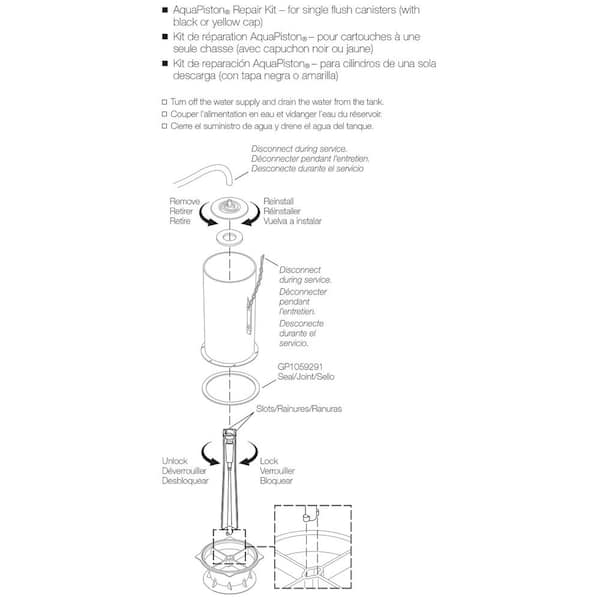
Credit: www.homedepot.com
Common Toilet Issues
Toilets can develop problems over time. These common issues cause discomfort and waste water. Knowing how to spot these troubles helps solve them quickly. The Kohler Toilet Troubleshooting Manual covers typical problems anyone may face. Understanding these issues saves time and money.
Clogs And Blockages
Clogs happen when too much toilet paper or foreign objects block the drain. Slow draining or no flushing can result. A plunger or toilet auger often clears these blockages. Avoid flushing wipes or large items to prevent clogs.
Running Toilets
Running toilets waste water and increase bills. A faulty fill valve or worn flapper may cause this. The chain can also be too tight or loose. Adjusting or replacing these parts usually fixes the problem.
Leaks And Drips
Leaks appear at the base, tank, or supply line. A worn wax ring or loose bolts cause leaks at the base. Tank leaks often come from a bad gasket or cracked tank. Tightening or replacing seals stops leaks.
Weak Or Incomplete Flush
A weak flush leaves waste behind. Low tank water level or mineral buildup in rim holes causes this. A loose or broken chain can also reduce flush power. Cleaning and adjusting parts improves flush strength.
Gurgling Noises
Gurgling sounds mean air or blockages in the drain or vent pipe. These noises signal deeper plumbing issues. Clearing vents or removing blockages usually stops the gurgling. A plumber may be needed for serious problems.
Loose Or Wobbly Seats
Loose toilet seats wobble and feel unstable. Over time, bolts can loosen or rust. Tightening the bolts under the seat fixes this problem. Replacing old bolts ensures a secure fit.
Toilet Won’t Flush
A toilet that won’t flush usually has a detached chain or broken handle. A damaged flapper can also cause this issue. Checking and repairing these parts restores flushing function quickly.
Causes Behind Problems
Understanding the causes behind Kohler toilet problems helps in quick troubleshooting. Many common issues arise from simple faults. Identifying these causes saves time and prevents damage. This guide covers key reasons why Kohler toilets may fail to work properly.
Flushing Inappropriate Items
Flushing items like wipes, paper towels, or feminine products clogs the toilet. These materials do not break down easily. They block the drain and cause slow flushing. Always use toilet paper only to avoid problems.
Worn Flapper And Chain
The flapper controls water flow from the tank to the bowl. A worn or damaged flapper causes leaks and constant running. The chain may also break or get stuck, preventing a full flush. Replacing these parts restores proper function.
Faulty Fill Valve
The fill valve refills the tank after flushing. A faulty valve can cause the tank to overfill or not fill enough. This leads to running water or weak flushes. Adjusting or replacing the fill valve fixes these issues.
Mineral Buildup
Hard water causes mineral deposits in the rim holes and pipes. This buildup reduces water flow and weakens the flush. Cleaning these deposits regularly improves toilet performance and prevents blockages.
Loose Bolts And Seals
Bolts and seals hold the toilet parts tightly together. Over time, they can loosen or wear out. This causes leaks at the base or between the tank and bowl. Tightening or replacing bolts and seals stops leaks and stabilizes the toilet.
Vent And Drain Blockages
Blocked vents or drains cause slow draining and gurgling sounds. These blockages stop air flow and trap waste. Clearing the vent and drain pipes ensures smooth flushing and prevents sewer gas odors.
Quick Fixes For Clogs
Clogs disrupt your Kohler toilet’s function and cause frustration. Simple, quick fixes often clear blockages without professional help. These solutions save time and avoid costly repairs. Follow easy methods to restore smooth flushing and keep your toilet working well.
Using A Plunger Effectively
Choose a flange plunger for toilets. Position the plunger over the drain hole. Push down gently to create suction. Pull up sharply without breaking the seal. Repeat this motion several times. This action loosens the clog and moves it along the pipe. Avoid splashing by keeping the plunger sealed. Flush the toilet to check if water drains well. If not, try plunging again before moving to other tools.
Toilet Auger Techniques
A toilet auger reaches clogs deeper than a plunger can. Insert the auger cable slowly into the drain. Turn the handle clockwise to break or hook the blockage. Pull the cable out carefully to remove debris. Use gloves to keep hands clean. After clearing the clog, flush the toilet to confirm success. Repeat if needed. Avoid forcing the auger too hard to prevent damage to the toilet bowl.
Preventing Future Blockages
Limit toilet paper use to avoid clogs. Never flush wipes, feminine products, or foreign objects. Use a trash bin for these items. Regularly clean the toilet bowl and rim jets. This prevents buildup that can cause slow drains. Consider a routine check every few months. Promptly address small blockages before they worsen. Proper use and maintenance keep your Kohler toilet clog-free longer.
Stopping A Running Toilet
A running toilet wastes water and increases your water bill. It also causes constant noise that can be annoying. Fixing a running toilet saves water and money. Most running issues come from simple parts inside the tank. Checking and adjusting these parts can stop the running. Below are easy steps to fix a running Kohler toilet.
Adjusting The Chain Length
The chain connects the flush handle to the flapper. If the chain is too short, the flapper stays open. Too long, and the flapper won’t lift fully. Adjust the chain so it has slight slack. This allows the flapper to seal tightly after flushing. Test by flushing and watching the flapper close. Adjust again if water keeps running.
Replacing The Flapper
The flapper seals the flush valve at the tank bottom. Over time, flappers wear out or warp. This causes water to leak into the bowl. Turn off the water supply and drain the tank. Remove the old flapper and clean the valve seat. Install a new Kohler flapper matching your model. Reconnect the chain and test the flush. A new flapper often stops running completely.
Fixing Or Replacing The Fill Valve
The fill valve controls the water level in the tank. A faulty valve can cause water to overflow into the overflow tube. Adjust the fill valve height or float arm to set the correct water level. If adjusting does not help, replace the fill valve. Turn off water, drain the tank, and remove the old valve. Install a Kohler fill valve designed for your toilet. Proper fill valve function stops constant running and refills tank correctly.
Improving Flush Performance
Improving flush performance is key to a well-functioning Kohler toilet. Poor flushes waste water and cause inconvenience. Small fixes can boost flush power and efficiency. Focus on simple parts that affect water flow and flushing force. Check the rim jets for clogs, the water level in the tank, and the flush chain tension. These steps help restore a strong, clean flush.
Cleaning Rim Jets
Rim jets are small holes under the toilet bowl rim. They release water during flushing. Mineral buildup can block these jets and weaken the flush. Use a brush or a thin wire to clear the holes. Vinegar helps dissolve hard water deposits. Clean rim jets improve water flow and flush power.
Adjusting Water Level
The water level in the tank affects flush strength. Too low water means a weak flush. Open the tank lid and check the water line. Adjust the float arm or fill valve to raise the water level. Keep water below the overflow tube to avoid leaks. Proper water level ensures enough force to clear the bowl.
Tightening The Flush Chain
The flush chain connects the handle to the flapper. A loose chain can cause a weak or incomplete flush. Lift the tank lid and check the chain slack. Shorten the chain slightly if it is too loose. Avoid making it too tight to prevent the flapper from staying open. Correct chain tension improves flush consistency.
Repairing Leaks
Leaks in a Kohler toilet can cause water damage and waste water. Identifying the source of the leak is important. Common leak points include the base, supply line, and between the tank and bowl. Fixing these leaks often requires replacing seals or tightening connections. This section covers simple repairs to stop leaks effectively.
Replacing Wax Ring At The Base
The wax ring seals the toilet to the floor drain. A worn or damaged ring causes leaks at the base. To replace it, first turn off the water supply and drain the toilet. Then, disconnect the supply line and unbolt the toilet from the floor.
Lift the toilet carefully and remove the old wax ring. Clean the flange area and place a new wax ring on the flange. Set the toilet back down, aligning the bolts, and press firmly to seal. Tighten the bolts evenly and reconnect the supply line. Turn the water back on and check for leaks.
Securing Supply Line Connections
Leaks can happen at the supply line where it meets the shutoff valve or the toilet tank. Check both connections for looseness or damage. Use an adjustable wrench to tighten the nuts gently. Do not overtighten to avoid cracking the fittings.
If the supply line is old or cracked, replace it with a new one. Always turn off the water before disconnecting the line. After reconnecting or replacing, turn the water on slowly and watch for leaks. Tighten further if needed, but avoid over-tightening.
Fixing Tank-to-bowl Gasket And Bolts
Leaks between the tank and bowl usually come from a worn gasket or loose bolts. To fix this, turn off the water and drain the tank. Remove the tank bolts carefully and lift the tank off the bowl.
Replace the old gasket with a new one designed for your Kohler model. Clean the bolt holes and reinstall the bolts with rubber washers. Tighten the bolts evenly to avoid cracking the tank. Place the tank back on the bowl and reconnect the water supply. Turn on the water and check for leaks around the gasket area.
Fixing Loose Seats
Loose toilet seats cause discomfort and can be unsafe. Fixing them improves your bathroom’s comfort and cleanliness. The process is simple and requires only a few tools. Follow these steps carefully for a secure seat.
Locating Seat Bolts
Lift the toilet seat to find the bolts. Look behind the seat where it attaches to the bowl. You will see two bolts, one on each side. These bolts hold the seat firmly to the toilet. They may be covered with plastic caps. Pry off the caps gently with a flat tool.
Tightening And Replacing Hardware
Use a screwdriver to tighten the bolts. Hold the nut underneath the bowl with pliers. Turn the screwdriver clockwise to secure the seat. If bolts are rusty or broken, replace them. Buy a toilet seat bolt kit from any hardware store. Insert new bolts, then tighten them as before. Make sure the seat does not wobble after tightening.

Credit: www.youtube.com
Identifying Your Kohler Toilet Model
Identifying your Kohler toilet model is the first step in effective troubleshooting. Knowing the exact model helps you find the right parts and guides for repairs. Each Kohler toilet has unique features and components. This makes model identification crucial for quick and correct fixes.
Checking Inside The Tank
Open the toilet tank lid carefully. Look for a sticker or stamp on the inside wall. This label usually shows the model number and date of manufacture. The numbers can be near the fill valve or on the back wall. Write down the model number for reference. This method works for most Kohler toilets.
Inspecting Under The Tank Lid
Turn the tank lid upside down after removal. Some Kohler toilets have the model number printed here. Check for embossed or printed codes on the underside. The numbers may be faint, so use a flashlight if needed. This place is often overlooked but useful for identification. Keep the lid clean to see the numbers clearly.
Using The Kohler Identify App
Kohler offers a free app for model identification. Download it on your smartphone. The app lets you take pictures of your toilet parts. It matches the images with the Kohler product database. This digital tool speeds up model finding. It also suggests compatible replacement parts. The app is user-friendly and helpful for beginners.
When To Call A Plumber
Knowing when to call a plumber can save time and prevent costly damage. Minor toilet issues often have simple fixes. But some problems need a professional’s help. Recognize the signs that go beyond basic troubleshooting. Act quickly to avoid bigger troubles in your bathroom.
Major Blockages And Sewer Issues
Severe clogs that plungers cannot clear require a plumber. Blockages deep in the sewer line need special tools. Foul odors or sewage backup signal serious sewer problems. These issues can damage your home’s plumbing system. Professionals have the skills to diagnose and fix them safely.
Persistent Leaks
Leaks that continue after replacing parts need expert attention. Water pooling around the toilet base or tank wastes water and causes damage. A leaking wax ring or cracked tank often needs a plumber’s repair. Ignoring leaks can lead to mold and costly repairs later.
Complex Repairs Beyond Diy
Toilet repairs involving the internal mechanisms can be tricky. Broken flush valves, damaged fill valves, or cracked bowls are complex. Plumbers have the right tools and knowledge for these fixes. Attempting complex repairs without experience may cause more damage. Trust professionals to restore your Kohler toilet properly.

Credit: fluidmaster.com
Frequently Asked Questions
What Are The Most Common Problems In The Toilet?
Common toilet problems include clogs, running toilets, leaks, weak flushes, gurgling sounds, and loose seats. Worn parts or flushing inappropriate items often cause these issues.
How Can I Tell What Model Kohler Toilet I Have?
Check inside the toilet tank lid or bowl for the model number. It’s usually stamped or printed on the porcelain or label. You can also locate it on the Kohler manual or receipt. Contact Kohler customer service with this info for confirmation.
Why Does My Kohler Toilet Intermittently Run For 20 Seconds?
Your Kohler toilet runs intermittently for 20 seconds due to a faulty fill valve, a worn flapper, or a misadjusted chain causing water leakage. Adjust or replace these parts to stop the running and save water.
What Is The Most Common Toilet Flush Problem?
The most common toilet flush problem is a constantly running toilet. It often results from a worn flapper, faulty fill valve, or misadjusted chain. This issue wastes water and can be fixed by replacing or adjusting these parts quickly.
How Do I Stop My Kohler Toilet From Constantly Running?
A running Kohler toilet usually means a faulty flapper or fill valve. Adjust or replace these parts to fix the issue quickly. Check the chain length to ensure it is not too tight or loose.
Conclusion
Kohler toilet issues often have simple fixes you can try yourself. Small problems like running water, clogs, or leaks usually need basic tools and parts. Follow clear steps to save time and money on repairs. Some repairs may require a plumber’s help for safety and lasting results.
Regular care can keep your Kohler toilet working well longer. Stay patient and use this manual to guide your troubleshooting efforts confidently.