Are you struggling with your laminate flooring? Maybe you’ve noticed gaps, buckling, or boards that just won’t click together properly.
These common issues can be frustrating, especially when you want your floor to look flawless and last for years. But don’t worry—understanding the root causes and quick fixes can save you time, money, and stress. In this guide, you’ll discover easy troubleshooting tips that help you tackle the most frequent laminate flooring problems head-on.
Keep reading to learn how to protect your investment and enjoy a smooth, beautiful floor every day.
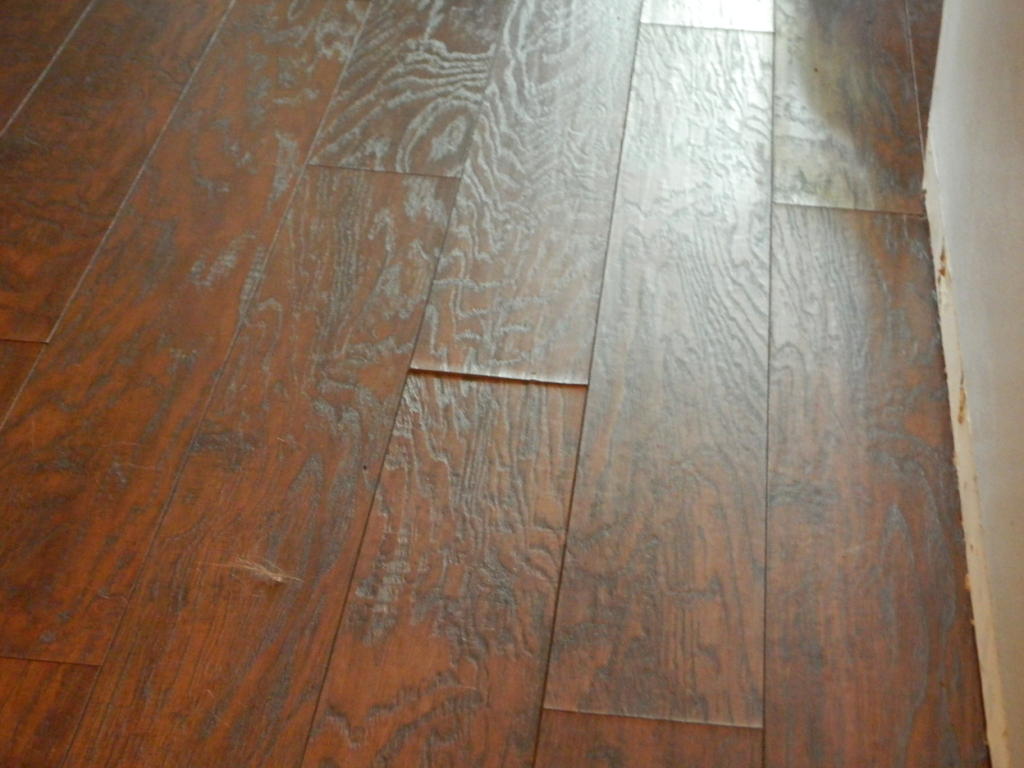
Credit: www.floordetective.com
Common Laminate Issues
Laminate flooring is a popular choice for many homes. It offers style and durability at a reasonable cost. Despite these benefits, some common issues can arise. Knowing these problems helps you keep your floor looking its best. This section highlights typical laminate flooring troubles and how to spot them early.
Gaps And Separation
Gaps appear when planks pull apart. This often happens due to changes in humidity. When the air is dry, laminate can shrink and create spaces. Dust and dirt can collect in these gaps. That makes the floor look uneven and messy. Proper installation and maintaining stable humidity helps prevent this problem.
Buckling And Warping
Buckling means the floor lifts or bends upward. Warping is when planks twist or curve. Both issues usually come from moisture damage. Water leaks or spills that sit too long cause this. Poor subfloor preparation can also lead to buckling. Fixing leaks and controlling moisture prevents damage to your laminate floor.
Click Lock Problems
Many laminate floors use a click lock system. It makes installation easier without glue or nails. Sometimes, the locking mechanism breaks or does not fit well. This can cause loose or uneven planks. Careful installation and using quality products reduce click lock problems. Repair may require replacing damaged planks or re-clicking them properly.
Fading And Discoloration
Fading happens when sunlight hits the floor for long periods. UV rays break down the color and make it dull. Discoloration can also result from spills or harsh cleaning chemicals. Protect your floor by using curtains or blinds. Clean spills quickly and use gentle cleaners to keep colors vibrant.
Causes Of Flooring Problems
Understanding the causes of laminate flooring problems helps fix issues quickly. Many common problems stem from factors that affect the floor’s stability and appearance. Identifying these causes can save time and money on repairs.
Improper Installation
Installing laminate flooring without following instructions causes many issues. Planks may not lock correctly, leading to gaps or buckling. Uneven subfloors also create instability, making the floor creak or shift. Proper alignment and use of the right tools are essential for a smooth finish.
Moisture And Water Damage
Laminate flooring is sensitive to water and moisture. Spills left uncleaned or high humidity cause swelling and warping. Water can seep into joints, damaging the core material. Using water-resistant underlayment and cleaning spills immediately reduces damage risk.
Lack Of Expansion Gaps
Floors need space to expand and contract with temperature changes. Without expansion gaps, planks push against walls and each other. This pressure causes buckling or lifting of the floorboards. Leaving proper gaps around edges prevents these problems.
Sunlight Exposure
Direct sunlight fades laminate flooring over time. UV rays break down the surface finish, causing discoloration and dullness. Using window treatments or area rugs protects floors from harsh sunlight. Rotating furniture also helps avoid uneven fading.
Quick Fixes For Gaps
Gaps in laminate flooring can spoil the look of any room. These spaces may appear due to changes in humidity, improper installation, or natural wear over time. Quick fixes for gaps help restore a smooth surface without needing full plank replacement. Simple tools and materials often solve the problem fast and cleanly.
Re-engaging Locking Mechanisms
Laminate planks connect through a locking system along their edges. Sometimes, gaps happen when these locks loosen or separate. Gently lifting and pressing the planks back together can re-engage the locks. Use a tapping block and hammer to avoid damaging the edges. This method works best for small gaps caused by minor shifts.
Using Pull Bars
Pull bars help close wider gaps that cannot be fixed by hand. Place the bar on the edge of the loose plank and carefully pull it toward the adjoining plank. This action tightens the connection and removes the gap. Pull bars are affordable and easy to use, making them ideal for do-it-yourself repairs.
Applying Wood Filler Or Putty
For stubborn gaps that won’t close, wood filler or putty offers a neat solution. Choose a filler color that matches your floor tone. Apply it carefully inside the gap with a putty knife, then smooth the surface. Let it dry fully before walking on the area. This fix hides gaps and protects the floor from dirt and moisture.
Addressing Buckling And Warping
Buckling and warping are common issues in laminate flooring. These problems usually happen because of moisture or poor installation. Fixing them quickly stops further damage and keeps floors looking good. Understanding the causes helps in choosing the right solution.
Removing Excess Moisture
Moisture causes laminate to swell and buckle. Start by checking for leaks or spills on the floor. Use a dry cloth or mop to remove water immediately. A dehumidifier can lower room humidity to safe levels. Avoid wet cleaning methods and use damp mops instead. Keeping floors dry prevents future buckling and warping.
Replacing Damaged Planks
Warped or buckled planks need replacement to restore a smooth surface. Gently lift the damaged plank by unlocking it from the tongue and groove. Measure and cut a new plank to fit the space. Click the new plank firmly into place. This step is simple but requires care to avoid harming surrounding planks.
Improving Room Ventilation
Poor ventilation traps moisture and heat, causing flooring problems. Open windows or doors to allow fresh air circulation. Use fans to move air around the room. Proper ventilation keeps laminate dry and stable. Regular airflow reduces the risk of future buckling and warping.
Repairing Click Lock Issues
Click lock systems make laminate flooring easy to install. Problems with these joints can cause gaps, movement, or uneven surfaces. Repairing click lock issues helps maintain the floor’s look and function. Small fixes often restore stability without full replacement. Below are key steps to solve common click lock problems.
Cleaning Joint Surfaces
Dirty or dusty joints prevent proper locking. Remove debris using a soft brush or cloth. Clean both the tongue and groove areas carefully. Avoid water as it can damage laminate. A clean surface allows tight, secure clicks.
Replacing Faulty Boards
Sometimes boards have damaged locking edges. Swollen or broken tongues cause gaps or loose joints. Identify the faulty plank by checking for movement or visible damage. Remove the damaged board gently by unlocking adjacent planks. Insert a new board with matching click locks for a seamless fit.
Using Super Glue For Stability
Super glue can fix minor loose joints. Apply a small drop inside the joint before clicking boards together. Hold the planks firmly until glue sets. This adds extra grip without harming the floor. Use glue sparingly to avoid mess or stiffness.

Credit: www.youtube.com
Preventive Tips
Taking care of laminate flooring starts with good preventive steps. These tips help avoid common problems like warping, buckling, and fading. Small actions make a big difference in keeping floors looking great for years. Below are key ways to protect your laminate flooring.
Allowing Proper Expansion Gaps
Laminate flooring needs space to expand and contract with temperature changes. Without gaps, planks may buckle or lift. Leave a small gap around walls and fixed objects. Use spacers during installation to keep this gap consistent. This simple step prevents costly damage and keeps flooring stable.
Avoiding Water Exposure
Water is one of the biggest enemies of laminate floors. Even small spills can cause swelling and warping. Wipe up any liquid immediately. Avoid wet mopping or steam cleaners. Use a damp cloth instead. Keep humidity levels in your home steady to protect your floors.
Using Rugs In High Traffic Areas
High traffic areas face more wear and tear. Place rugs or mats in spots like entrances and hallways. Rugs reduce scratches and dirt buildup. Choose rugs with a non-slip backing to prevent slipping. This simple layer helps preserve your laminate floor’s finish and appearance.
Limiting Direct Sunlight
Sunlight can fade laminate flooring over time. Use curtains or blinds to block harsh rays during peak hours. Rotate rugs and furniture to avoid uneven fading. Protect floors from UV damage to keep colors vibrant and fresh. Controlling sunlight extends your floor’s life and look.
Tools And Materials Needed
Troubleshooting laminate flooring needs the right tools and materials. Having these ready makes repairs easier and faster. Some tools help fit planks tightly. Others fix small damages or check floor conditions. Preparing these items ensures smooth work and better results.
Pull Bars And Tapping Blocks
Pull bars help pull laminate planks close together. They work well in tight spots near walls. Tapping blocks protect plank edges from damage. Use a hammer to tap blocks and lock planks firmly. These tools prevent gaps and keep the floor even.
Wood Filler And Putty
Wood filler fills small cracks or holes in laminate. It restores the floor’s smooth look. Choose a filler color matching your floor. Apply with a putty knife and smooth the surface. Let it dry before walking on the floor or sanding.
Super Glue
Super glue fixes loose or broken laminate pieces quickly. It bonds planks to prevent movement. Use small drops for best results. Avoid glue on visible surfaces to keep the floor clean. Hold pieces together until glue sets fully.
Moisture Meters
Moisture meters check the floor’s water content. Too much moisture causes warping or buckling. Test planks before installation or repair. This tool helps find hidden water problems early. Acting fast can save the entire floor.

Credit: floorcentral.com
Frequently Asked Questions
What Is A Common Problem With Laminate Flooring?
A common problem with laminate flooring is buckling or warping due to water damage. Poor installation and lack of expansion gaps also cause issues.
What Is The Rule Of 3 Flooring?
The rule of 3 flooring limits a home to three flooring materials for cohesive, balanced spaces. It avoids a cluttered look and defines zones naturally.
Why Does Laminate Flooring Keep Separating While Installing?
Laminate flooring separates during installation due to improper locking, inadequate expansion gaps, or uneven subfloor. Ensure edges click fully and leave expansion space.
Why Is My Laminate Flooring Not Clicking?
Your laminate flooring may not click due to misaligned edges or faulty locking mechanisms. Ensure planks engage fully and check for debris blocking joints.
Why Does Laminate Flooring Keep Separating During Installation?
Laminate flooring separates mostly due to uneven subfloor or improper locking. Make sure the surface is clean and level before installing. Use the correct installation tools and follow the locking system instructions carefully.
Conclusion
Laminate flooring can face common issues like gaps, warping, or buckling. Many problems happen due to moisture or poor installation. Always check for proper expansion gaps to avoid separation. Fix minor damages early to keep floors looking good. Regular cleaning and avoiding water spills help maintain durability.
Understanding these tips makes troubleshooting easier and extends your floor’s life. Keep your laminate floor strong and attractive with simple care steps.