Is your lawn mower struggling to start, sputtering, or stalling unexpectedly? These frustrating issues often trace back to one hidden culprit: a faulty ignition coil.
If your mower’s engine feels weak, idles roughly, or loses power, you might be dealing with coil problems that stop your machine from running smoothly. But don’t worry—you don’t have to guess or spend hours at the repair shop. In this guide, you’ll discover simple, effective steps for lawn mower coil troubleshooting that anyone can follow.
By learning how to spot the key symptoms and test your coil, you’ll save time and money while keeping your mower ready for the next cut. Ready to bring your lawn mower back to life? Let’s dive in!
Credit: bobistheoilguy.com
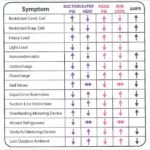
Symptoms Of A Bad Coil
Identifying the symptoms of a bad coil is crucial for maintaining your lawn mower’s performance. The ignition coil creates the spark that ignites the fuel. A failing coil results in weak or no spark, causing several engine problems. Recognizing these signs early helps prevent further damage and keeps your mower running smoothly.
Hard Starting And No Start
The engine struggles to start or won’t start at all. A weak or absent spark from the coil causes this issue. You may pull the starter rope many times without success. This symptom signals that the coil is not delivering enough voltage to ignite the fuel.
Stalling And Hesitation
The engine starts but then dies suddenly. It may cut out when you increase speed or push the mower uphill. This happens because the coil’s spark is inconsistent. The engine loses power and cannot keep running smoothly.
Misfiring And Sputtering
You might hear coughing or sputtering sounds from the engine. Sometimes the mower jerks or runs unevenly. These signs show the coil is firing erratically. The fuel combustion is incomplete, causing the engine to misfire.
Rough Idle
The engine runs roughly or “flutters” at idle speed. Instead of a steady hum, it feels shaky or uneven. This happens when the coil does not supply a steady spark. The result is poor combustion and unstable engine speed.
Loss Of Power And Sluggish Acceleration
The mower feels weak and slow to respond when you try to speed up. It loses power during mowing, especially on thick grass or slopes. A failing coil cannot provide a strong spark for full engine power.
Poor Fuel Economy And Fuel Smell
The engine uses more fuel than usual. You may notice a strong fuel odor near the mower. Incomplete combustion caused by a bad coil wastes fuel. This not only costs more but also harms engine health.
Backfiring
A loud popping sound may come from the exhaust. This happens due to unburned fuel igniting in the exhaust system. Backfiring signals poor spark timing or weak ignition coil performance. It can damage the mower’s engine if ignored.

Credit: www.youtube.com
How The Ignition Coil Works
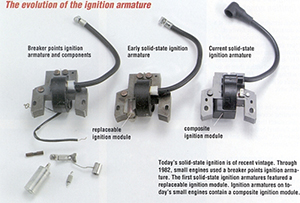
The ignition coil plays a vital role in your lawn mower’s engine. It transforms the battery’s low voltage into a high voltage spark. This spark ignites the fuel-air mixture inside the engine cylinder. Without this spark, the engine will not start or run properly.
The coil is a small but powerful component. It contains wire windings wrapped around a core. These windings create an electromagnetic field when current flows through them. The coil then releases this energy as a high voltage pulse to the spark plug. This pulse must be strong and consistent for the engine to run smoothly.
Voltage Conversion Role
The ignition coil acts as a transformer. It changes 12 volts from the battery to thousands of volts needed for ignition. This high voltage travels through the spark plug wire. It jumps the gap at the spark plug tip. This spark lights the fuel mixture inside the engine.
Without this voltage boost, the spark would be too weak. The engine would misfire or fail to start. The coil’s ability to convert voltage is key to lawn mower performance.
Heat-related Failures
Heat is a common enemy of ignition coils. As the engine runs, the coil heats up. Over time, this heat can damage the coil’s internal parts. When the coil gets too hot, it may stop working properly.
A hot coil might fail to produce a strong spark. This causes the engine to stall or hesitate. The mower might start fine when cold but stall once it warms up. Heat damage is a frequent cause of coil failure in lawn mowers.
Common Causes Of Coil Failure
Coil failure is a frequent issue in lawn mower maintenance. Understanding common causes helps prevent damage and saves repair costs. The coil is vital for sparking the engine’s combustion process. When the coil fails, the engine struggles to run smoothly or start at all.
Several factors can lead to coil failure. Some are easy to fix, while others may require coil replacement. Knowing these causes helps keep your lawn mower running longer.
Overheating
Excess heat damages the coil’s internal windings. Heat builds up from extended mower use or poor engine cooling. Overheating weakens the coil’s ability to generate spark. This causes hard starts and engine stalling.
Moisture Exposure
Water or moisture can seep into the coil housing. Moisture causes corrosion and short circuits inside the coil. Wet coils often lead to inconsistent or no spark. Lawn mowers stored outside or in damp places face this risk.
Physical Damage
The coil can crack or break if the mower is dropped or hit. Vibration during operation also wears down coil connections. Physical damage disrupts the coil’s electrical flow. This results in misfires or engine failure.
Electrical Issues
Faulty wiring or loose connections affect coil performance. Sparks need steady electrical current to work properly. Bad wires cause weak or no spark. Regularly checking wiring keeps the coil functioning well.
Age And Wear
Coils wear out over time from constant use. Insulation inside the coil deteriorates, reducing spark power. Old coils may fail without warning. Replacing coils after several years prevents sudden breakdowns.
Credit: www.briggsandstratton.com
Testing The Coil
Testing the coil is a crucial step in lawn mower coil troubleshooting. This process helps identify whether the ignition coil is working properly or needs replacement. A faulty coil can cause many engine problems like hard starting, stalling, or poor performance. Testing ensures the coil delivers a strong spark for the engine to run smoothly.
Using An Ohmmeter
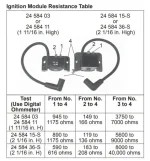
Using an ohmmeter is a precise way to test the coil’s resistance. First, disconnect the spark plug wire from the spark plug. Set the ohmmeter to the lowest resistance scale. Place the leads on the coil terminals. Check the reading against the manufacturer’s specifications. A reading outside the normal range means the coil may be faulty and needs replacement.
Screwdriver Spark Test
The screwdriver spark test is a simple method to check the coil’s spark output. Remove the spark plug and reconnect it to the spark plug wire. Hold the metal part of a screwdriver close to the spark plug electrode. Pull the starter cord and watch for a spark between the screwdriver and electrode. No spark or a weak spark indicates a bad coil.
Visual Inspection Tips
Visual inspection can reveal obvious coil problems. Look for cracks, burn marks, or corrosion on the coil casing. Check the coil wires and connectors for damage or looseness. A damaged coil often shows physical signs. Clean dirt and debris around the coil to avoid interference. Proper maintenance extends the coil’s life and ensures better engine performance.
Quick Fixes For Coil Issues
Coil problems can stop your lawn mower from working properly. Quick fixes save time and money. These simple solutions restore spark and get the mower running again fast. Follow these steps to troubleshoot coil issues easily.
Cleaning And Tightening Connections
Loose or dirty connections cause weak sparks. Start by inspecting all wires linked to the coil. Remove any dirt or corrosion gently with a wire brush. Tighten all screws and clamps to secure the connections firmly. This improves electrical flow and restores spark strength. Check for damaged wires and replace if needed.
Replacing Faulty Spark Plugs
A bad spark plug often mimics coil problems. Remove the spark plug and inspect it for wear or carbon buildup. Clean it carefully or replace it with a new one. A fresh spark plug helps the coil deliver a strong spark. This simple swap can fix starting and running issues quickly.
Temporary Coil Bypass Methods
In emergencies, a coil bypass can keep the mower running. This involves connecting the spark plug wire directly to the spark plug. It skips the coil and allows a spark to jump the gap. Use this only as a short-term fix until you replace the coil. Always handle electrical parts carefully to avoid shocks.
Preventive Maintenance Tips
Preventive maintenance keeps your lawn mower coil working well and lasting longer. Simple care steps stop small problems before they grow. Regular checks and protection from damage help your mower run smoothly every season.
Regular Inspection Routine
Check the coil at least once a month. Look for cracks, burns, or signs of wear. Make sure all wires are tight and free from corrosion. Clean dirt and grass from around the coil. Use a soft brush or cloth to avoid damage. Replace damaged parts right away to prevent bigger issues.
Protecting Coil From Heat And Moisture
Keep the coil dry to avoid rust and shorts. Store the mower in a dry place after use. Avoid running the mower through wet grass or puddles. Use heat shields if your mower has them, to protect the coil from engine heat. Let the engine cool before cleaning or working on the coil. Heat and moisture are the main causes of coil failure.
When To Replace The Coil
Knowing the right time to replace your lawn mower coil prevents bigger engine problems. The coil is vital for creating the spark that starts the engine. A faulty coil leads to poor engine performance and reliability issues.
Replacing the coil at the right moment ensures smooth operation. It saves time and money by avoiding unnecessary repairs. Watch for clear signs that indicate the coil needs replacement.
Signs Of A Failing Coil
A lawn mower coil that is failing causes many issues. The engine may be hard to start or fail to start at all. You might hear sputtering, misfiring, or notice rough idling. Loss of power and slow acceleration are common as well.
Other signs include stalling during use and a strong fuel smell from incomplete combustion. These symptoms show the coil is not producing a strong spark. Ignoring these signs often leads to more severe engine damage.
Testing The Coil’s Condition
Use a multimeter to check the coil’s resistance. Compare the readings with the manufacturer’s specifications. A reading outside the normal range means the coil is weak or broken.
Inspect the coil for visible damage like cracks or burns. Heat can cause coils to fail gradually, so test the coil when the engine is both cold and warm. A coil that fails these tests should be replaced promptly.
Timing For Replacement
Replace the coil immediately after confirming it is faulty. Delaying replacement can cause starting problems and engine stalling. Regular maintenance checks help spot coil issues early.
Consider replacing the coil after several years of use, even without symptoms. Age and wear reduce its effectiveness over time. A new coil improves engine reliability and fuel efficiency.
Frequently Asked Questions
How To Tell If A Lawn Mower Ignition Coil Is Bad?
A bad lawn mower ignition coil causes hard starting, stalling, misfiring, rough idling, loss of power, poor acceleration, and fuel smell. It fails to produce a strong, consistent spark, leading to poor engine performance and combustion issues.
What Are The Symptoms Of A Failing Ignition Coil?
Symptoms of a failing ignition coil include hard starting, engine misfires, rough idling, stalling, loss of power, poor acceleration, backfiring, fuel smell, and decreased fuel efficiency.
How To Check A Lawn Mower Coil With An Ohmmeter?
Set the ohmmeter to the lowest resistance range. Disconnect the coil wires. Measure resistance between the primary terminals and then the secondary terminal to ground. Compare readings to the manufacturer’s specifications. Significant deviation indicates a faulty coil.
How To Test An Ignition Coil With A Screwdriver?
Hold the ignition coil near the spark plug. Touch the screwdriver tip to the coil’s metal part while cranking. Look for a visible spark. No spark indicates a faulty coil. Always use insulated tools and keep hands clear to avoid shocks.
What Are Common Signs Of A Bad Lawn Mower Ignition Coil?
A bad ignition coil causes hard starts, engine stalling, and rough idling. You may also notice sputtering, misfiring, or poor acceleration. These symptoms show the coil is not giving a strong spark.
Conclusion
Troubleshooting your lawn mower coil helps keep your engine running smoothly. Watch for signs like hard starting, stalling, or rough idling. Testing the coil regularly saves time and money on repairs. Simple checks can identify coil problems before they worsen.
Taking care of your ignition coil means better fuel use and fewer breakdowns. Stay attentive to your mower’s performance for a healthy lawn all season.