Is your lawn mower engine giving you trouble right when you need it most? You’re not alone.
Many people face frustrating issues like a mower that won’t start, sputters, or runs unevenly. But before you rush to call a repair shop or buy a new mower, there’s good news: most lawn mower engine problems have simple fixes you can tackle yourself.
In this guide, you’ll discover clear, easy steps to troubleshoot common engine issues—from checking the fuel and spark plug to cleaning the carburetor and air filter. By the time you finish reading, you’ll have the confidence and know-how to get your mower running smoothly again, saving time, money, and hassle. Let’s dive in and solve those engine troubles together!
Fuel Issues
Fuel problems often cause lawn mower engines to stall or fail to start. Understanding how fuel issues affect engine performance helps fix common troubles quickly. Proper fuel maintenance keeps your mower running smoothly and extends engine life.
Stale Gas Effects
Gasoline breaks down over time, losing its effectiveness. Stale gas can cause hard starts and rough running. It clogs the carburetor jets, reducing fuel flow. Using fresh fuel prevents these problems and improves engine performance.
Ethanol Damage
Many fuels contain ethanol, which attracts water and causes corrosion. Ethanol can damage seals and carburetor parts. This leads to leaks and poor engine function. Choosing ethanol-free fuel or additives protects your mower’s engine.
Fuel Tank Check
Inspect the fuel tank for dirt, rust, or water inside. Contaminants can block fuel lines and carburetors. Clean the tank regularly and replace damaged fuel filters. Proper tank care ensures clean fuel reaches the engine without issues.
Spark Plug Problems
Spark plug problems are a frequent cause of lawn mower engine trouble. A faulty spark plug can stop the engine from starting or cause it to run poorly. Checking the spark plug is a simple step that often fixes the issue quickly.
The spark plug creates the spark needed for combustion inside the engine. Dirt, wear, or loose connections can prevent this spark from forming correctly. Regular maintenance helps keep the spark plug in good condition and your mower running smoothly.
Cleaning And Inspection
Remove the spark plug carefully to inspect it. Look for signs of dirt, soot, or damage on the tip. Use a wire brush or spark plug cleaner to remove carbon buildup.
Check the ceramic insulator for cracks or chips. Replace the spark plug if it is damaged or heavily worn. A clean spark plug improves ignition and engine performance.
Gap Adjustment
The gap between the spark plug electrodes affects the spark size. Use a feeler gauge to measure the gap. Adjust the gap to the manufacturer’s recommended size by gently bending the side electrode.
A proper gap ensures a strong spark for reliable engine starts. Too large or too small a gap can cause misfires or difficulty starting the mower.
Connection Tightening
Check the spark plug wire connection to ensure it is secure. A loose or corroded connection can stop the spark from reaching the plug. Push the wire firmly onto the spark plug terminal.
Inspect the wire for cracks or damage. Replace the wire if it shows signs of wear. Tight connections maintain a steady spark and prevent engine stalling.
Air Filter Maintenance
Proper air filter maintenance is key to keeping your lawn mower engine running smoothly. The air filter stops dust, dirt, and debris from entering the engine. A dirty or clogged air filter limits airflow and reduces engine efficiency. Regular care ensures better performance and longer engine life.
Cleaning Techniques
First, remove the air filter from the mower. Tap it gently to remove loose dirt. Use compressed air to blow out finer dust from inside out. For foam filters, wash with warm soapy water. Let it dry completely before reinstalling. Avoid using harsh chemicals that can damage the filter material.
Replacement Tips
Replace the air filter if it is torn or very dirty. Follow the mower manual for the right type and size. Change the filter at least once per mowing season. If you mow in dusty areas, replace it more often. Keep spare filters handy for quick swaps.
Impact On Engine Performance
A clean air filter improves airflow to the engine. This helps the engine burn fuel efficiently. The mower starts easily and runs smoothly. A clogged filter causes rough running and hard starts. It can increase fuel use and engine wear. Regular maintenance avoids costly repairs and keeps your mower reliable.

Credit: finuniverblg.ru.net
Carburetor Troubleshooting
The carburetor plays a key role in mixing air and fuel for your lawn mower engine. Problems here often cause poor engine performance or failure to start. Carburetor troubleshooting helps identify and fix these issues quickly. A clean and well-maintained carburetor ensures smooth engine operation and longer mower life.
Clog Removal
Clogs block fuel flow and disrupt engine performance. Dirt, old fuel, and debris often cause these blockages. Start by removing the carburetor from the mower. Use a carburetor cleaner spray to dissolve clogs inside jets and passages. A small brush or compressed air helps clear stubborn spots. Ensure all openings are free and fuel can move easily.
Cleaning Procedures
Thorough cleaning removes varnish and residue inside the carburetor. Disassemble parts carefully, noting their placement. Soak metal components in carburetor cleaner for 15 to 30 minutes. Use a soft brush to scrub surfaces gently. Rinse with clean water and dry completely before reassembling. Avoid damaging delicate parts during cleaning.
O-ring Replacement
Worn or cracked O-rings cause fuel leaks and poor sealing. Inspect all O-rings for cracks or stiffness. Remove old O-rings carefully without stretching them. Replace with new ones of the same size and type. Apply a light coat of oil to help fit and seal. Proper O-ring condition prevents leaks and maintains carburetor pressure.
Oil And Lubrication
Proper oil and lubrication keep your lawn mower engine running smoothly. Oil reduces friction between moving parts. It also helps cool the engine and prevents rust. Without good oil, your engine can wear out fast or even stop working.
Checking and changing oil regularly protects your mower. It also improves performance and extends engine life. Understanding how to check oil and when to change it is key for easy troubleshooting.
Checking Oil Level
Check oil level before each use. Find the dipstick or oil cap on the engine. Remove and wipe it clean. Insert it back fully, then remove again to see the oil level. It should be between the minimum and maximum marks. Add oil slowly if the level is low. Avoid overfilling, which can harm the engine.
Oil Quality Importance
Fresh oil looks clear and amber. Dark, dirty oil means it needs changing. Old oil loses its ability to lubricate well. It can cause engine parts to wear out faster. Using the right oil type is important too. Check your mower’s manual for oil grade recommendations. Good oil improves engine efficiency and reduces breakdowns.
Changing Schedule
Change oil after the first 5 hours of use on a new mower. After that, change oil every 25 to 50 hours of operation or once a season. More frequent changes may be needed in dusty or hot conditions. Always drain old oil completely before adding fresh oil. Regular oil changes keep your mower running longer and prevent costly repairs.

Credit: finuniverblg.ru.net
Cooling System Care
The cooling system in a lawn mower engine plays a vital role in keeping the engine at the right temperature. Proper care of this system prevents damage and extends the engine’s life. Dirt and grass clippings often block parts of the cooling system, reducing its efficiency. Regular maintenance ensures smooth engine performance and avoids costly repairs.
Clearing Cooling Fins
Cooling fins help the engine shed heat quickly. These fins can get clogged with dirt, grass, and debris. Use a soft brush or compressed air to clean them. Do this regularly to keep airflow steady. Avoid using sharp tools that might damage the fins. Clean fins improve engine cooling and prevent overheating.
Preventing Overheating
Overheating can cause serious engine problems. Keep the engine area free from debris that blocks airflow. Check the oil level often, as low oil can increase heat. Run the mower in short sessions to avoid heat build-up. Allow the engine to cool down before refueling or storage. These steps help maintain the right temperature and protect the engine.
Blade And Engine Alignment
Blade and engine alignment plays a key role in your lawn mower’s performance. Misaligned blades cause uneven cuts and can strain the engine. Proper alignment helps the engine run smoothly and the blades cut efficiently. Regular checks prevent damage and improve mowing quality.
Sharpening Blades
Dull blades tear grass instead of cutting it cleanly. This stresses the engine and reduces mower efficiency. Use a file or a grinding tool to sharpen blades evenly. Balance the blade after sharpening to avoid vibration. Sharp blades help the engine work less and last longer.
Correcting Blade Alignment
Check blade alignment by lifting the mower and spinning the blade by hand. It should spin freely without wobbling. If the blade wobbles, loosen the blade bolt and adjust the blade position. Tighten the bolt securely after alignment. Proper blade alignment reduces engine strain and improves cutting quality.
Quick Fix Steps
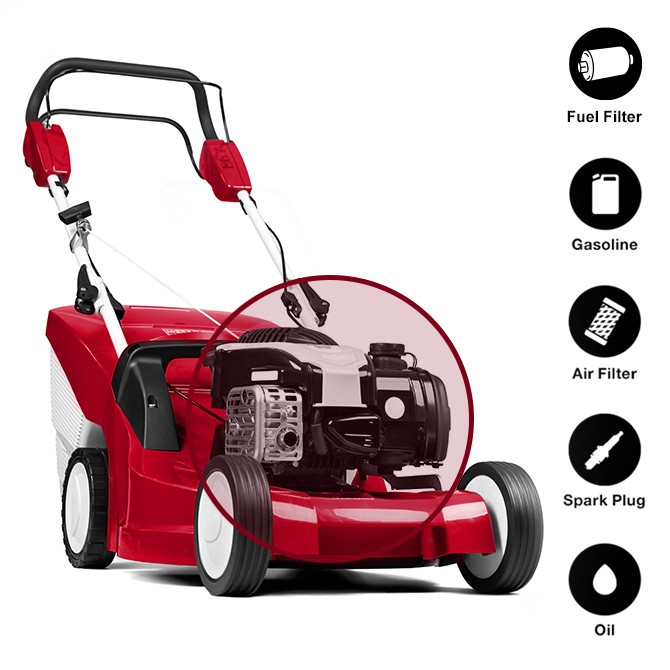
Troubleshooting a lawn mower engine can be simple with quick fix steps. These easy checks often solve common problems fast. Start with the most common causes to get your mower running again. Follow these simple tips to save time and avoid costly repairs.
Starting With Fuel
Check the fuel tank first. Old or stale fuel can stop the engine from starting. Drain any old fuel and refill with fresh gasoline. Avoid fuel with more than 10% ethanol as it can damage the carburetor. Make sure the fuel valve is open and fuel lines are clear. Fuel problems are the most frequent cause of mower engine issues.
Air Filter And Spark Plug Checks
Remove the air filter and inspect it. A dirty or clogged filter blocks air flow. Clean or replace the filter to improve engine breathing. Next, check the spark plug. Look for soot, dirt, or damage on the plug. Clean it gently or replace it if worn out. Ensure the spark plug gap matches the manufacturer’s settings. These checks help the engine start and run smoothly.
When To Seek Professional Help
Try these fixes first, but some problems need expert care. If the engine still won’t start or runs rough, call a professional. Issues like carburetor cleaning, ignition system repair, or internal engine problems require special tools and skills. Don’t delay repairs that could cause more damage. A trained technician can diagnose and fix complex mower engine troubles safely.
Credit: www.championautoparts.com
Frequently Asked Questions
How To Diagnose Lawnmower Engine Problems?
Diagnose lawnmower engine problems by checking fuel quality and level. Inspect and clean the spark plug and air filter. Examine oil level and quality. Clean the carburetor and fuel filter. Ensure blades are sharp and aligned properly.
What Is The Most Common Reason Why A Briggs & Stratton Small Engine Won’t Run Correctly?
The most common reason a Briggs & Stratton small engine won’t run correctly is stale or contaminated fuel. This causes clogged carburetors, poor combustion, and starting issues. Check and replace old gas, clean the air filter, and inspect the spark plug for optimal engine performance.
What Is The Most Common Reason A Lawn Mower Won’t Start?
The most common reason a lawn mower won’t start is stale or old fuel. This causes carburetor clogs and poor ignition.
What Are The Common Problems With Small Engines?
Common small engine problems include stale fuel, dirty air filters, fouled spark plugs, clogged carburetors, low or dirty oil, and overheating from blocked cooling fins. These issues cause starting failures, rough idling, poor performance, and engine damage if ignored.
Why Won’t My Lawn Mower Engine Start?
Common causes include empty fuel tank, dirty spark plug, or clogged air filter. Checking these parts first can often fix the problem quickly.
Conclusion
Troubleshooting your lawn mower engine can save time and money. Start by checking the fuel, air filter, and spark plug. Clean or replace parts as needed for better performance. Regular maintenance helps prevent common issues like clogging or poor starting.
Keep your mower in good shape to enjoy a healthy lawn. Small steps make a big difference in engine health and lawn care. Stay patient and follow simple checks for smooth mowing.