Is your lawn mower refusing to start just when you need it the most? You’re not alone, and it’s more common than you think.
Before you get frustrated or call for expensive repairs, there are simple troubleshooting steps you can try yourself. Understanding why your mower won’t start can save you time, money, and a lot of hassle. In this guide, you’ll discover easy-to-follow tips to diagnose and fix the most common problems that stop your lawn mower from running.
Keep reading, and you’ll have your mower back to cutting your grass smoothly in no time.
Credit: www.championautoparts.com
Common Causes
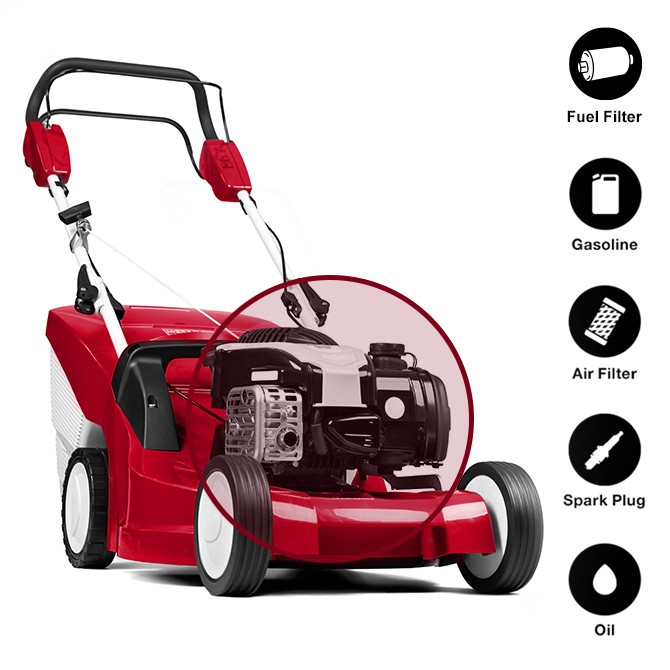
When a lawn mower won’t start, several common problems could be the cause. Identifying these issues helps fix the mower quickly. Most start problems relate to fuel, spark, air, or electrical systems. Understanding these common causes can save time and money during troubleshooting.
Old Or Bad Fuel
Fuel left from last season often goes bad. Gasoline breaks down and loses its ability to ignite. Using old fuel can cause the engine to stall or not start at all. Always drain stale fuel and refill with fresh gasoline before starting.
Fuel can also become contaminated with water or dirt. This clogs the carburetor and fuel lines. Replace dirty fuel and clean the fuel system to restore proper flow and engine performance.
Spark Plug Issues
The spark plug ignites the fuel mixture inside the engine. A dirty or damaged spark plug prevents this ignition. Carbon buildup, corrosion, or cracks can stop the spark from firing.
Check the spark plug for wear and dirt. Clean it with a wire brush or replace it if damaged. Properly gapped and connected spark plugs ensure a strong spark and smooth engine start.
Dirty Air Filter
The air filter stops dirt and debris from entering the engine. A clogged air filter restricts airflow and makes the engine hard to start. It may also cause rough running or stalling.
Inspect the air filter regularly. Clean it by tapping out dust or washing if reusable. Replace the filter if it is torn or heavily clogged to maintain proper air supply.
Battery And Electrical Problems
Many modern mowers use batteries to power the starter. A dead or weak battery stops the engine from cranking. Loose or corroded battery terminals also cause electrical failures.
Check the battery charge and clean terminals. Tighten any loose connections. Test the ignition switch and safety switches for faults. Fixing electrical issues restores power and helps the mower start reliably.
Credit: www.youtube.com
Fuel System Fixes
The fuel system plays a key role in your lawn mower’s ability to start. Problems like old gas, clogged carburetors, or damaged fuel lines can stop the engine from running. Fixing these issues often solves the starting problem quickly. This section covers simple fuel system fixes that anyone can try.
Draining Old Gas
Old gas loses its power and can block the engine. Start by emptying the fuel tank completely. Use a container to catch the gas safely. After draining, refill the tank with fresh gasoline. This refreshes the fuel supply and helps the engine run smoothly.
Cleaning The Carburetor
The carburetor mixes air and fuel for the engine. Dirt or gum inside can stop this mix. Remove the carburetor carefully. Use a carburetor cleaner spray on all parts. Clean the jets and small holes. Let it dry before putting it back. This often clears blockages and restores fuel flow.
Checking Fuel Lines
Fuel lines carry gas from the tank to the engine. Check them for cracks, leaks, or clogs. Replace any damaged lines right away. Make sure the connections are tight and secure. Clear lines ensure fuel moves freely and the mower starts well.
Spark Plug Solutions
The spark plug plays a vital role in starting your lawn mower. It creates the spark that ignites the fuel in the engine. Problems with the spark plug often cause the mower not to start. Simple checks and fixes can get your mower running again fast.
Inspecting And Cleaning
First, remove the spark plug using a wrench. Look for dirt, soot, or damage on the tip. Clean the plug with a wire brush or spark plug cleaner. Make sure the gap between electrodes is correct. A clean spark plug helps the engine start easily.
Replacing The Spark Plug
If cleaning does not fix the problem, replace the spark plug. Buy a new plug that matches your mower’s model. Screw the new plug in by hand first to avoid cross-threading. Then tighten it firmly with a wrench. A fresh spark plug ensures a strong spark every time.
Ensuring Proper Connection
Check the spark plug wire for secure attachment. The wire must fit snugly on the plug’s terminal. A loose connection can stop the spark from reaching the engine. Press the wire firmly onto the plug until you hear a click. Proper connection is key to starting your mower.
Air Filter Maintenance
The air filter plays a vital role in your lawn mower’s engine health. It keeps dirt and debris from entering the engine. A dirty or clogged air filter can stop your mower from starting. Regular air filter maintenance ensures smooth engine performance and longer mower life.
Cleaning The Air Filter
Remove the air filter from the mower carefully. Tap it gently to remove loose dirt and debris. Use warm water and mild soap to wash foam filters. Rinse thoroughly and let it dry completely before reinstalling. Paper filters should be replaced if too dirty, not cleaned.
When To Replace It
Replace the air filter if it looks torn or heavily clogged. A damaged filter cannot protect the engine well. Replace at least once every mowing season or after 25 hours of use. Fresh filters improve engine power and fuel efficiency.
Battery And Starter Checks
Battery and starter problems often cause a lawn mower not to start. Checking these parts helps find the issue fast. The battery powers the mower’s electric system. The starter motor turns the engine over. Both must work well for the mower to start. This section explains simple tests for the battery, fuses, safety switches, starter motor, and solenoid. Follow these steps to fix common starting problems.
Testing The Battery
Use a multimeter to check the battery voltage. A fully charged battery reads about 12.6 volts. Less than 12 volts means the battery is weak or dead. Clean the battery terminals if they are dirty or corroded. Tighten loose connections. Try charging the battery with a proper charger. Replace the battery if it does not hold a charge.
Checking Fuses And Safety Switches
Locate the mower’s fuse box. Inspect each fuse for damage or a broken wire. Replace any blown fuses with one of the same rating. Safety switches prevent accidents by stopping the engine if not engaged. Test the switches by pressing or moving the mower handle and checking for continuity with a multimeter. Replace faulty safety switches to restore proper function.
Starter Motor Troubleshooting
Listen for a clicking sound when turning the key. No sound may mean a bad starter motor. Remove the starter motor and inspect it for wear or damage. Test it by applying 12 volts directly from the battery. If the motor does not spin, it needs repair or replacement. Clean the motor contacts and ensure wires are secure before reinstalling.
Solenoid Testing And Bypassing
The solenoid acts as a switch to send power to the starter motor. A single loud click means the solenoid may be bad. Use a multimeter to check solenoid terminals for continuity. Bypass the solenoid by connecting the battery terminal directly to the starter terminal briefly. If the starter motor runs, the solenoid is faulty. Replace the solenoid to fix starting issues safely.

Credit: catoespowerequipment.com
Safety Switches And Controls
Safety switches and controls play a key role in lawn mower operation. They prevent accidents by stopping the engine under unsafe conditions. Understanding these switches helps diagnose why your mower won’t start. Troubleshooting these parts saves time and ensures safe use.
Brake And Clutch Engagement
The brake and clutch switches must be engaged for the mower to start. These switches act as safety locks. If the brake is not pressed or the clutch is not in the right position, the mower won’t start. Check if the brake pedal is fully pressed. Also, ensure the clutch lever is correctly engaged. Faulty switches or broken wires can cause starting issues. Test the switches with a multimeter to confirm they work properly.
Seat And Pto Switches
The seat switch detects if you are seated before the mower starts. It stops the engine if you leave the seat while mowing. The PTO switch controls the blade engagement. The mower may not start if the PTO is on. Ensure you sit on the seat and the PTO is off. Dirty or damaged seat and PTO switches can block the starting circuit. Clean the switches and check wiring for damage. Replace faulty switches to restore normal mower function.
Additional Quick Fixes
When your lawn mower won’t start, some quick checks can save time. These simple fixes often solve common issues fast. Before calling a professional, try these additional tips. They focus on wiring and ignition parts that often cause problems.
Inspecting Wiring And Connections
Loose or damaged wires can stop your mower from starting. Look closely at all wires near the engine. Make sure none are frayed or disconnected. Tighten any loose connections carefully. Dirt and corrosion on terminals also block power flow. Clean terminals with a wire brush or sandpaper. Check wiring harness for cuts or damage. Replace any damaged wires to ensure proper electrical flow. A strong connection helps the mower start smoothly every time.
Checking The Ignition Switch
The ignition switch sends power to the engine. A faulty switch can prevent starting. Turn the key while listening for a click sound. No sound could mean a bad ignition switch. Test the switch with a multimeter for continuity. Replace the switch if it shows no electrical flow. Make sure the switch is clean and free of debris. Dirt inside the switch can block contact points. Proper ignition switch function is key for mower startup.
Frequently Asked Questions
What Is The Most Common Reason A Lawn Mower Won’t Start?
The most common reason a lawn mower won’t start is old or stale fuel. Drain the tank and refill with fresh gasoline.
How Do You Know If The Starter Or Solenoid Is Bad On A Riding Lawn Mower?
Listen for sounds when turning the key: a single loud click means a bad solenoid; rapid clicking signals a bad starter. No sound may indicate battery, fuse, or solenoid failure. Test by briefly jumping solenoid posts; if it cranks, solenoid is faulty.
When I Turn The Key On My Mower, Nothing Happens.?
Check the battery first; a dead battery often causes no response. Inspect spark plug, safety switches, and solenoid for faults. Replace or repair damaged parts.
What Are The Symptoms Of A Bad Ignition Switch On A Lawn Mower?
Symptoms of a bad ignition switch on a lawn mower include the engine not starting, no response when turning the key, and intermittent power loss. The mower may also stall unexpectedly or fail to engage the starter motor, indicating faulty ignition switch issues.
Why Won’t My Lawn Mower Start After Sitting All Winter?
Old fuel often causes starting problems. Drain the old gas and add fresh gasoline. Also, check the spark plug and air filter for dirt.
Conclusion
Troubleshooting a lawn mower that won’t start can feel tough. Start with simple checks like fuel, spark plug, and air filter. These often cause the most problems. Listen carefully for sounds when you try to start it. That helps find issues with the solenoid or starter.
Keep safety in mind when testing parts. Regular maintenance can prevent many starting issues. With patience and basic tools, you can fix most common problems yourself. Don’t let a mower that won’t start stop your yard work. Keep these tips handy for easy troubleshooting.