Is your Lennox furnace acting up when you need it most? Maybe it won’t start, makes strange noises, or just can’t keep your home warm.
Don’t worry—you don’t have to call a technician right away or stay in the cold. With the Lennox Furnace Troubleshooting Manual, you can quickly find out what’s wrong and fix many common problems yourself. This guide walks you through simple checks like power supply, thermostat settings, dirty filters, and even those confusing blinking error lights.
By understanding these easy steps, you’ll save time, avoid costly repairs, and get your furnace running smoothly again. Keep reading to unlock the secrets of your Lennox furnace and take control of your home’s comfort today!
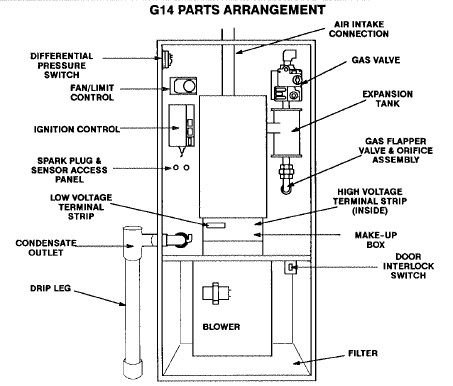
Credit: inspectapedia.com
Common Lennox Furnace Problems
Lennox furnaces can face several common problems that affect heating and comfort. Recognizing these issues early helps maintain a warm home. Troubleshooting guides focus on simple checks and fixes anyone can try. Some problems need a professional’s attention to ensure safety and proper repair.
This section covers typical Lennox furnace problems to watch for. Clear explanations help understand what each issue means and possible solutions.
No Heat Or Furnace Not Starting
The furnace may fail to start or produce heat. Check if the thermostat is set correctly and the power switch is on. Inspect the circuit breaker for any trips. A dirty air filter can block airflow and cause shutdown. Low gas supply or a faulty ignition system might stop heating. Resetting the furnace sometimes helps, but persistent issues need expert service.
Short Cycling Issues
Short cycling means the furnace turns on and off quickly. This wastes energy and strains the system. Causes include clogged filters, blocked vents, or a failing thermostat. Overheating from poor airflow triggers safety switches to shut the furnace down. Cleaning filters and vents often fixes short cycling. If not, a technician should check the control board and sensors.
Uneven Airflow Problems
Some rooms may feel colder due to uneven airflow. Blocked or closed vents reduce heat delivery. Dirty filters and ducts limit air movement. Poor blower motor function can also cause weak airflow. Inspect vents and replace filters regularly. Professional duct cleaning improves airflow balance. Adjusting the blower speed or fixing motor issues may be necessary.
Flame And Ignition Troubles
Flame problems include no ignition or a weak flame. Dirty burners and faulty igniters are common causes. A bad flame sensor can shut the furnace off as a safety measure. Gas supply issues also affect ignition. Regular maintenance keeps burners clean and sensors working. If ignition fails repeatedly, call a licensed technician to inspect and repair the system.
Basic Troubleshooting Steps
Basic troubleshooting steps help identify common Lennox furnace problems fast. These checks save time and money. They often fix simple issues without expert help.
Start by checking power and thermostat settings. Next, inspect air filters and vents. Finally, make sure furnace panels are secure. Follow these steps carefully for safe and effective results.
Checking Power And Circuit Breakers
Confirm the furnace power switch is ON. Check the circuit breaker for tripped switches. Reset any tripped breakers by flipping them OFF and ON. A blown fuse may also stop power. Replace fuses as needed. Always turn off power before working on electrical parts.
Inspecting Thermostat Settings
Set the thermostat to HEAT mode. Ensure the temperature is higher than room temperature. Replace thermostat batteries if needed. Verify the thermostat wiring is secure. Faulty settings or dead batteries often cause no heat problems.
Examining Air Filters And Vents
Remove and check air filters for dirt and dust. Clean or replace dirty filters to improve airflow. Inspect vents for blockages like furniture or debris. Clear any obstructions to allow warm air to flow freely. Clean filters boost efficiency and prevent furnace strain.
Securing Furnace Panels
Turn off power before handling furnace panels. Check that all panels fit tightly and screws are secure. Loose panels can stop the furnace from running. Properly secured panels ensure safe operation and prevent error codes.
Resetting Your Lennox Furnace
Resetting your Lennox furnace can often solve minor issues quickly. It refreshes the system and clears temporary faults. This simple step saves time and avoids unnecessary repairs.
Knowing how to reset your furnace properly is important. It ensures safe handling and prevents damage to the unit. Follow the steps carefully to get your furnace running again.
Locating The Reset Button
The reset button on a Lennox furnace is usually red and small. You can find it on the blower motor or near the control board. Look behind the furnace’s front panel or access door.
Use a flashlight if needed to spot the button clearly. Make sure the furnace is off before searching. Check your owner’s manual for the exact location for your model.
Reset Procedure
Turn off the furnace power switch or unplug it first. Press and hold the reset button for about 30 seconds. Release the button and wait a few minutes before turning the power back on.
Listen for the furnace to start running normally. If it does not, do not press the reset button repeatedly. Give the system time to stabilize or call a professional technician.
When Resetting Helps
Resetting helps when the furnace stops due to minor faults. It can clear temporary errors caused by power surges or safety switches. This often restores normal operation without further action.
Use resetting if the furnace fails to start or stops suddenly. Avoid resetting if you smell gas or see visible damage. In such cases, contact a licensed technician immediately.
Decoding Lennox Error Codes
Understanding Lennox furnace error codes is key to quick repairs and maintenance. These codes signal specific issues through LED lights on your unit. Decoding these signals helps identify problems early. This saves time and avoids costly repairs. The following sections explain how to read indicator lights, recognize blinking patterns, and access the error code display.
Reading Led Indicator Lights
Lennox furnaces have LED lights showing system status. These lights blink or stay steady to communicate errors. A green light usually means normal operation. A red light signals trouble. Pay attention to the number and speed of blinks. Each pattern points to a different fault. Check the manual to match light signals with error codes.
Common Blinking Light Patterns
Some blinking patterns occur more often. For example, three quick red blinks may indicate an ignition failure. Five slow blinks could mean a blower motor problem. These patterns repeat to help diagnose the issue. Learning common codes helps decide if a fix is simple or needs a technician. Keep track of blinking sequences before calling for help.
Accessing The Error Code Display
Most Lennox furnaces have a small window on the front panel. Look through this clear plastic port to see the LED lights. Some models feature a digital display showing numeric error codes. Turn off power before opening the panel. This prevents injury and damage. Follow safety steps in your manual to access and read error codes safely. Recording the codes speeds up troubleshooting and repair.
Handling Flame And Ignition Issues
Handling flame and ignition issues is vital for your Lennox furnace’s safe and efficient operation. These problems can stop your furnace from heating properly or cause safety risks. Understanding how to spot and fix common flame and ignition faults helps keep your furnace working well and your home warm.
Identifying Flame Color Problems
The flame color shows how well your furnace burns fuel. A healthy flame is mostly blue with small yellow tips. Yellow or orange flames may mean dirty burners or poor air flow. A flickering or weak flame can signal gas supply problems. Check the flame color regularly to spot trouble early.
Cleaning Flame Sensors
Flame sensors detect if the burner flame is lit. Dirt or soot on the sensor can stop it from working. This causes the furnace to shut down as a safety step. To clean the sensor, turn off power, remove the sensor, and gently wipe it with fine sandpaper or steel wool. Clean sensors help the furnace run smoothly.
When To Replace Pilot Assemblies
The pilot assembly lights the burner in older Lennox furnaces. If the pilot won’t stay lit or keeps going out, the assembly may be faulty. Signs include a weak flame or gas smell near the pilot. Replace the pilot assembly if cleaning does not fix the problem. Use parts made for your furnace model.
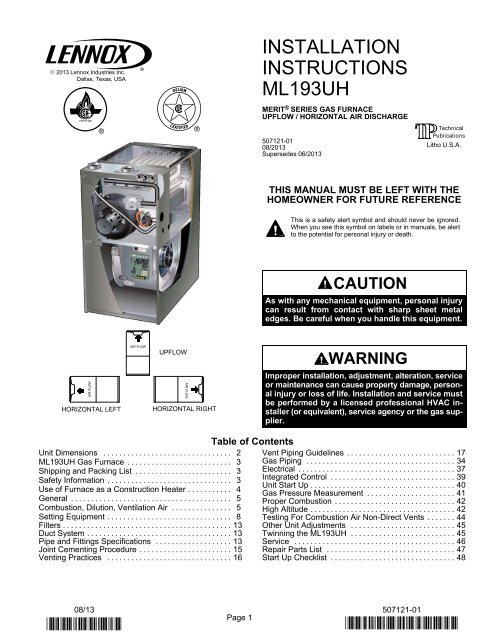
Credit: www.yumpu.com
Airflow And Ventilation Checks
Checking airflow and ventilation is crucial for a Lennox furnace to run safely and efficiently. Poor airflow can cause uneven heating and increase energy costs. Ventilation issues might lead to dangerous gas buildup or furnace shutdowns. Regular inspections help maintain good air movement and safe exhaust of gases. Follow these steps to ensure your system breathes well and works as it should.
Clearing Blocked Supply Vents
Blocked supply vents stop warm air from spreading through your home. Dust, dirt, or furniture can cover vents and reduce airflow. Clear all vents and registers by removing any objects nearby. Vacuum dirt and dust from vent covers. Open vents fully to let air flow freely. Check each room to confirm warm air reaches every corner. This simple step improves comfort and furnace efficiency.
Detecting Ductwork Leaks
Leaky ducts waste heated air and lower furnace performance. Check ducts for holes, cracks, or loose connections. Listen for whistling sounds or feel for air escaping along duct lines. Seal small leaks with duct tape or mastic sealant. For large damage, call a professional to replace or repair ducts. Tight ducts keep warm air where it belongs and save energy.
Ensuring Proper Ventilation Safety
Proper ventilation removes harmful gases like carbon monoxide from your home. Inspect the furnace vent pipe for blockages, rust, or damage. Make sure the vent pipe is securely connected and slopes upward to the outside. Clear any debris, nests, or snow that might block exhaust. Test carbon monoxide detectors regularly to ensure safety. Good ventilation protects your family and keeps the furnace running smoothly.
When To Contact A Professional
Knowing when to contact a professional is crucial for safe and effective furnace repair. Some issues demand expert skills and tools beyond basic troubleshooting. Ignoring warning signs can lead to bigger problems or safety risks. Below are key situations when calling a certified technician is the best choice.
Responding To Gas Smells
Smelling gas near your furnace is a serious hazard. Turn off the furnace and gas supply immediately. Do not try to fix the leak yourself. Leave the building and call a professional or your gas company at once. Gas leaks can cause fires or explosions.
Addressing Persistent Error Codes
Furnaces display error codes to signal problems. If codes keep appearing after resets, a deeper issue exists. A trained technician can read and diagnose these codes correctly. Continuing to run the furnace may cause damage or unsafe conditions.
Vent Safety Switch Concerns
The vent safety switch stops the furnace if venting is blocked. If this switch trips often, it may signal blocked vents or faulty parts. Professionals can inspect and clear vents safely. They also test the switch to ensure it works properly.
Complex Component Failures
Problems with the igniter, control board, or gas valve need expert attention. These parts are delicate and require special tools for repair or replacement. Attempting complex fixes alone can harm the furnace or cause injury. Leave such tasks to certified HVAC technicians.
Safety Precautions During Troubleshooting
Troubleshooting a Lennox furnace demands strict attention to safety. Handling electrical parts and gas components can be risky without proper precautions. Following safety steps reduces the chance of injury and damage. Always prepare carefully before starting any repair or inspection work on your furnace.
Power Shutdown Guidelines
Always turn off the furnace power before beginning any troubleshooting. Locate the circuit breaker or switch that controls the furnace. Switch it off to prevent electric shock. Confirm power is off by testing with a voltage meter or trying to start the furnace. Never work on a live furnace to avoid hazards.
Gas Supply Safety
Shut off the gas supply before inspecting or repairing gas-related parts. Find the gas valve near the furnace and close it. This prevents gas leaks and possible explosions. Work in a well-ventilated area to avoid gas buildup. If you smell gas, leave the area immediately and call a professional.
Avoiding Damage To Components
Handle furnace parts gently to avoid breaking sensitive components. Use the right tools for each task. Avoid forcing parts or using excessive pressure. Keep dirt and debris away from electrical connections and sensors. Clean hands and tools prevent contamination. Follow the manual’s instructions carefully for each step.
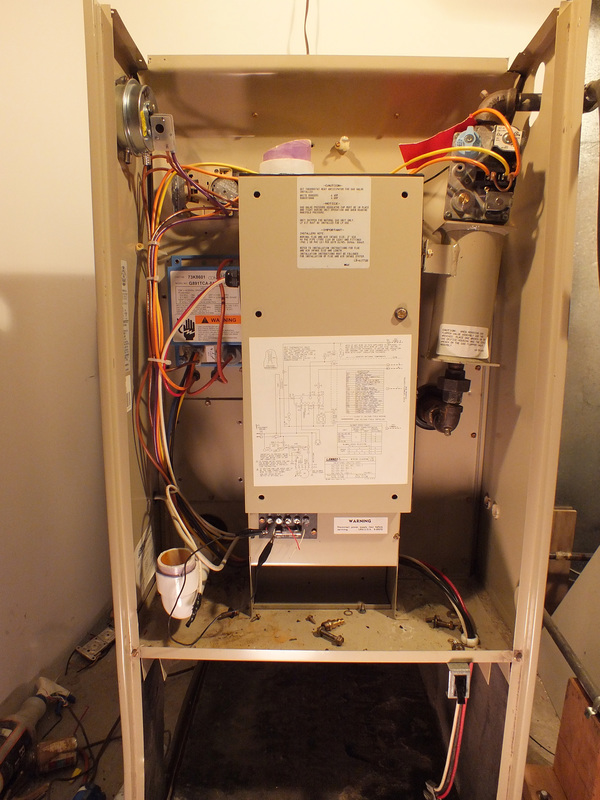
Credit: www.graycoolingman.com
Frequently Asked Questions
Why Is My Lennox Furnace Not Kicking On?
Check if the furnace switch and thermostat are on. Verify circuit breakers and replace blown fuses. Ensure gas supply is active. Clean or replace dirty air filters and clear blocked vents. Inspect error codes via the LED panel. Call a professional if issues persist.
Where Is The Reset Button On Lennox Furnace?
The reset button on a Lennox furnace is typically inside the blower compartment. Turn off power before accessing it. Remove the furnace access panel to locate the button near the blower motor. Press it firmly to reset the furnace. Refer to your model manual for exact location details.
What Does A Blinking Red Light Mean On A Lennox Furnace?
A blinking red light on a Lennox furnace signals a system error or safety shutdown. It often indicates ignition or gas supply issues. Check power, thermostat, and filters. For persistent problems, contact a licensed HVAC technician to diagnose and fix the furnace safely.
How To Read Lennox Error Code?
Read Lennox error codes by locating the LED or display through the furnace’s clear inspection port. Refer to your model’s manual for specific code meanings and troubleshooting steps. Always turn off power before inspecting to ensure safety.
Why Is My Lennox Furnace Not Heating Properly?
A dirty air filter or blocked vents often cause heating issues. Check and replace filters regularly. Also, ensure the thermostat is set correctly.
Conclusion
A Lennox furnace troubleshooting manual saves time and effort. It guides you through easy steps to find common problems. Checking power, thermostat, filters, and vents often solves issues. Blinking lights help identify specific errors quickly. Simple fixes like replacing filters or resetting power work in many cases.
Complex problems need a professional’s help for safety and accuracy. Always turn off power before any inspection. Use your model’s manual to understand error codes better. This approach keeps your furnace running smoothly and safely all season.