Is your LG refrigerator’s ice maker giving you trouble? You’re not alone.
Many LG owners face frustrating issues like no ice production, ice jams, or strange noises from the ice maker. When your ice supply suddenly stops, it can disrupt your daily routine and leave you searching for quick solutions. But don’t worry—this guide is here to help you troubleshoot your LG refrigerator’s ice maker step-by-step.
You’ll learn how to identify common problems, perform simple resets, and clear blockages to get your ice maker working smoothly again. Keep reading, and you’ll be back to enjoying fresh ice in no time!
Credit: www.libertyhomeguard.com
Ice Maker Problems
The ice maker in your LG refrigerator adds great convenience. Problems with it can disrupt daily routines. Common ice maker issues vary but often have easy fixes. Understanding these problems helps with quick troubleshooting and saving repair costs.
No Ice Production
No ice production is a frequent issue. The ice maker stops making ice completely. This might happen due to power issues, a faulty motor, or a stuck ice mold. Checking the power and resetting the ice maker can often solve this problem.
Frozen Water Line
A frozen water line blocks water flow to the ice maker. Low temperatures inside the freezer can cause this freeze. Thawing the line gently with warm air or a hairdryer helps restore water flow. Avoid sharp objects that may damage the line.
Clogged Water Filter
A clogged water filter reduces water flow and ice quality. Old filters need replacement every six months or as recommended. Changing the filter regularly ensures clean water and steady ice production. Check the filter if ice production slows or tastes odd.
Blocked Feeler Arm
The feeler arm detects ice levels to stop production. If blocked or stuck, the ice maker may stop making ice. Ice cubes or debris can jam the arm. Gently move the arm to free it and allow normal operation.
Water Valve Issues
The water valve controls water supply to the ice maker. A faulty valve may leak or fail to open. This stops ice making. Test the valve for proper function and replace it if broken to restore water flow.
Ice Dispenser Malfunctions
The ice dispenser can jam or stop working properly. Ice cubes may get stuck inside the chute. Regularly clear blockages and check the dispenser motor. Proper use and cleaning prevent dispenser problems.
Excess Ice Formation
Excess ice can build up inside the ice maker. This causes jams and stops production. It often happens from a stuck feeler arm or freezer temperature issues. Remove extra ice and check settings to prevent buildup.
Resetting The Ice Maker
Resetting the ice maker can solve many common LG refrigerator ice issues. It clears minor errors and restarts the ice making process. This simple step can restore ice production quickly and easily.
The reset process is straightforward. It involves locating the reset button and performing the reset cycle. If the reset does not work, further troubleshooting may be needed.
Locating The Reset Button
The reset button is usually on the front or side of the ice maker. It is a small, round button. Check the left side or near the ice tray. Sometimes, using a phone camera helps to spot it in tight spaces.
Performing The Reset Cycle
Press and hold the reset button for about 10 seconds. Release the button and wait for the ice maker to cycle. The ice maker may eject old ice and then refill with water. This process restarts the ice making system.
When Reset Fails
Try a power cycle by unplugging the refrigerator for five minutes. Check for frost or food blocking the ice maker or freezer vents. Clear any blockages and defrost if needed. If problems persist, contact LG support or a technician.
Clearing Ice Maker Blockages
Clearing blockages in your LG refrigerator’s ice maker helps restore its smooth operation. Ice buildup or stuck parts can stop ice from dropping properly. Regular checks and simple fixes keep ice flowing freely. This section covers key steps to remove blockages and get your ice maker working again.
Removing Ice From Chute
Ice can jam the chute where cubes exit. Carefully remove ice chunks blocking the path. Use a plastic tool or cloth to avoid damage. Avoid sharp objects that can harm the ice maker. Clear all ice pieces for smooth ice flow.
Freeing The Feeler Arm
The feeler arm detects ice levels and controls production. Sometimes, ice or frost freezes the arm in place. Gently move the arm up and down to free it. Check for ice buildup around its base. Free movement ensures the ice maker senses when to make ice.
Defrosting Frozen Components
Frozen parts inside the ice maker can cause blockages. Turn off the refrigerator and open the freezer door. Let the ice maker thaw naturally or use a hairdryer on low heat. Avoid direct heat contact with plastic parts. After defrosting, wipe away moisture before restarting the ice maker.

Credit: oceanapplianceservice.com
Water Supply Checks
Water supply issues often cause LG refrigerator ice makers to stop working. Checking the water supply helps find common problems early. This step ensures the ice maker receives enough water for proper ice production.
Inspecting Water Lines
Start by examining the water lines connected to the refrigerator. Look for any kinks, cracks, or leaks that may block water flow. Ensure the lines are firmly connected and not frozen. Clear any visible blockages to restore water movement.
Replacing Water Filters
A dirty or clogged water filter can reduce water flow to the ice maker. Replace the filter every six months or according to the manual. Use genuine LG filters for best performance. Changing filters improves water quality and ice production.
Testing Water Inlet Valve
The water inlet valve controls water entry into the ice maker. Use a multimeter to test its electrical continuity. Replace the valve if it does not open or close properly. A faulty valve stops water from reaching the ice maker.
Harvest Mechanism Troubles
The harvest mechanism in an LG refrigerator ice maker plays a vital role in releasing ice cubes from the mold. Problems in this part can stop ice production or cause jams. Understanding common harvest mechanism troubles helps in quick fixes and avoids costly repairs.
Heater Malfunction
The heater melts the ice slightly to loosen it from the mold. If the heater fails, ice stays stuck. This causes the ice maker to jam and stop working. Check the heater for damage or a broken connection. Replace the heater if it does not heat up properly.
Ejector Motor Failure
The ejector motor pushes ice cubes out of the mold into the ice bin. A motor failure means ice stays trapped. The motor may hum but not turn, or make strange noises. Test the motor with a multimeter. Replace the motor if it does not run or is noisy.
Dealing With Sheet Ice
Sheet ice forms when water leaks or freezes unevenly in the ice mold. This creates a solid layer that blocks ice release. Clear sheet ice by defrosting the ice maker. Check for water leaks or blocked drain holes causing excess water. Keep the freezer temperature steady to prevent sheet ice.

Credit: www.youtube.com
Dispenser Issues
Dispenser issues in LG refrigerators often disrupt ice delivery and reduce convenience. These problems can arise from simple locks to blockages inside the dispenser mechanism. Understanding how to identify and fix these issues helps maintain smooth ice flow and keeps your dispenser working well.
Dispenser Lock Activation
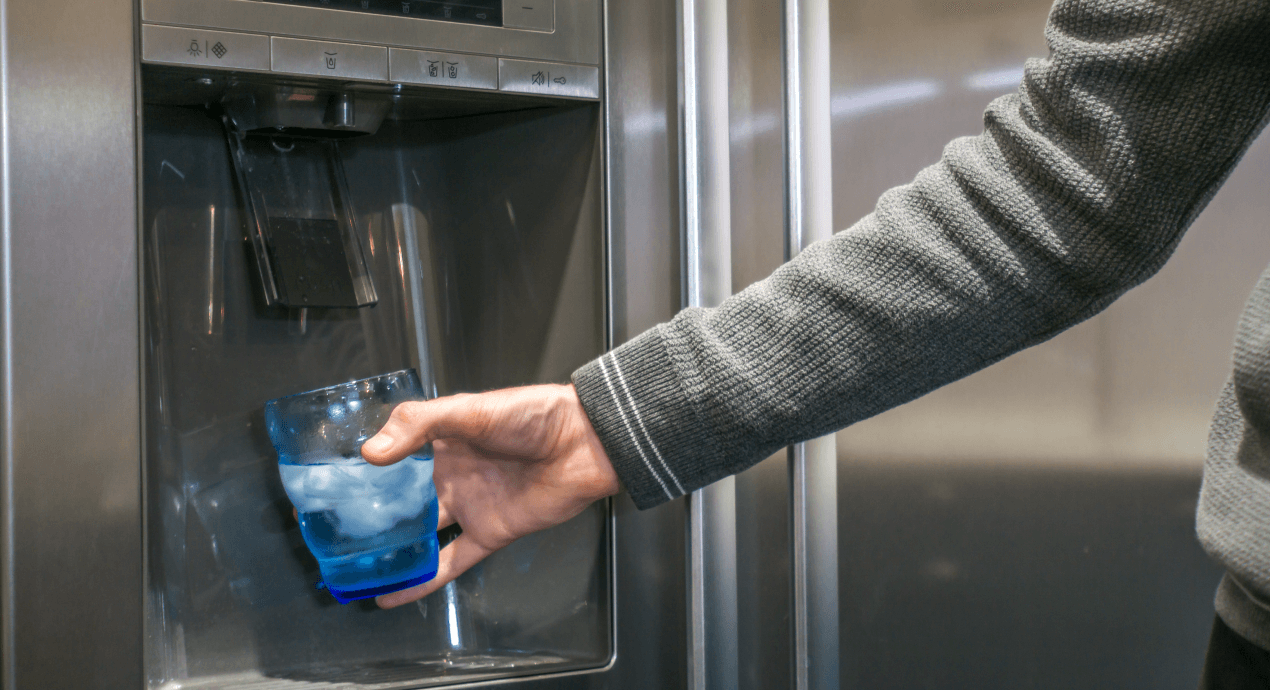
The dispenser lock prevents accidental use or spills. It usually activates when the lock button is pressed for a few seconds. Check your refrigerator panel for a lock icon or button. If the dispenser does not respond, ensure the lock is off. Deactivating the lock restores normal ice and water dispensing functions quickly.
Clearing Jammed Ice
Ice jams are common dispenser problems. Ice cubes can get stuck inside the chute or mechanism. To clear jams, unplug the refrigerator first for safety. Use a wooden or plastic tool to gently remove stuck ice. Avoid metal objects to prevent damage. Regularly check the ice chute for blockages to prevent future jams.
Maintaining Ice Flow
Proper ice flow depends on regular maintenance. Keep the ice bin filled but not overpacked. Remove old or clumped ice to avoid blockages. Clean the dispenser area with warm water and mild soap monthly. Ensure freezer temperature stays between 0°F and 5°F for optimal ice production. These steps help keep ice flowing smoothly from the dispenser.
Professional Repair Tips
Professional repair tips help fix LG refrigerator ice makers safely and effectively. These tips guide you through common issues and repairs. They also tell you when to seek expert help. Following these tips improves the ice maker’s performance. It saves time and avoids further damage.
When To Call A Technician
Call a technician if the ice maker stops working after basic checks. Avoid opening sealed parts or wiring unless trained. Strange noises, water leaks, or electrical issues need expert attention. Technicians have tools and knowledge to diagnose complex problems. Delaying professional repair can cause more damage and higher costs.
Common Parts To Replace
Ice makers often need part replacements to work well again. Common parts include the ice maker motor, water inlet valve, and thermostat. The ice mold or ejector blades may also wear out. Replacing these parts restores normal ice production. Use original LG parts for best results and safety.
Preventive Maintenance
Regular maintenance keeps the ice maker running smoothly for years. Clean the ice maker and freezer vents to prevent blockages. Check and replace water filters every six months. Avoid overloading the freezer to allow proper airflow. Inspect the ice maker for frost buildup and defrost if needed. These steps reduce breakdowns and extend the appliance’s life.
Frequently Asked Questions
How To Reset Lg Fridge Ice Maker?
To reset an LG fridge ice maker, locate the small reset button on the ice maker. Press and hold it for 10 seconds. The ice maker will cycle, eject ice, and restart. If it fails, power cycle the fridge and clear any ice or blockages in vents or water lines.
What Is The Most Common Problem With Lg Refrigerators Ice?
The most common LG refrigerator ice problem is the ice maker failing to produce ice or jamming. Causes include frozen water lines, clogged filters, stuck feeler arms, faulty water valves, or a failed harvest mechanism. A simple reset often resolves electronic glitches.
Why Is My Lg Refrigerator Icemaker Not Making Ice?
Your LG icemaker may stop making ice due to a frozen water line, clogged filter, stuck feeler arm, or faulty water valve. Check for ice blockages, clear vents, and reset the icemaker to fix common issues quickly.
Where Is The Test Button On An Lg Ice Maker?
The test/reset button on an LG ice maker is usually on the front or left side of the ice maker assembly. Use a phone camera to locate it if needed. Press the button to cycle and refill the ice maker.
Why Is My Lg Refrigerator Ice Maker Not Making Ice?
The ice maker may be turned off or the freezer is too warm. Check if the ice maker is on and freezer temperature is below 10°F (-12°C). Also, ensure the water supply is connected and working.
Conclusion
Troubleshooting your LG refrigerator ice maker can save time and money. Simple steps like checking the reset button or clearing blockages often fix problems. Regular maintenance helps keep the ice maker working smoothly. Pay attention to signs like no ice or jams to act quickly.
Following these tips ensures cold, fresh ice when you need it. Stay patient and methodical during repairs for the best results. Your LG ice maker can work well again with basic care.