Is your Lionel train refusing to run just when you want to enjoy it the most? It can be frustrating to see your favorite model sit idle, but don’t worry—you’re not alone, and most issues are easier to fix than you might think.
Whether your train won’t move, makes strange noises, or the lights flicker unexpectedly, this guide will help you troubleshoot step-by-step. You’ll learn simple checks you can do right now, how to spot common mechanical problems, and when it’s time to reach out for professional help.
Keep reading, and get your Lionel train back on track quickly and smoothly!

Credit: www.youtube.com
Basic Power Checks
Basic power checks are the first step in troubleshooting Lionel train issues. These checks help confirm that your train receives power properly. They also rule out simple problems before moving to complex repairs.
Start by ensuring the power source and connections are solid. This approach saves time and avoids unnecessary frustration. Below are three essential checks to perform.
Replace Remote Batteries
Remote controls often stop working due to dead batteries. Replace old batteries with fresh ones. Use the correct battery type recommended by Lionel. Weak batteries cause poor signal strength or no response at all. Always test the remote after battery replacement.
Test Power Pack Connections
Check if the power pack is plugged in securely. Inspect all wires connecting the power pack to the track. Look for loose or damaged wires that could interrupt power flow. Clean connectors if they look dirty or corroded. Confirm that the power pack switch is turned on and the indicator light is lit.
Try Another Engine
Testing another engine on the same track helps isolate the issue. If the second engine runs fine, your original engine may have a problem. If both engines fail, the problem likely lies in the track or power supply. Swap engines to save time and identify where power fails.
Credit: www.trains.com
Track And Wheel Cleaning
Keeping your Lionel train running smoothly depends a lot on clean tracks and wheels. Dirt, dust, and grease can block power and cause your train to stop or run poorly. Regular cleaning of rails and locomotive wheels ensures better contact and less wear. This simple maintenance step helps avoid common running problems and keeps your train looking great.
Clean Rails With Cloth
Use a soft, lint-free cloth to wipe the rails. Do this gently to remove dust and grime. Avoid abrasive materials that can scratch the metal. Clean rails improve electrical contact and reduce sparks. Wipe both sides of each rail for best results. Regular cleaning prevents build-up that blocks power.
Wipe Locomotive Wheels
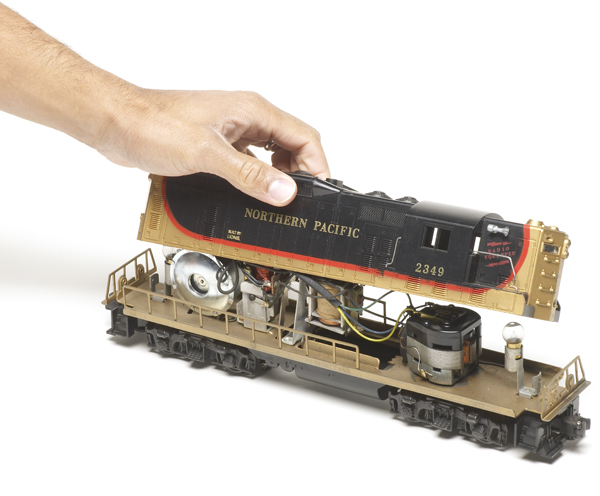
Turn the locomotive upside down carefully. Use a clean cloth to wipe each wheel. Remove any dirt, grease, or dust. Dirty wheels cause poor traction and electrical problems. Check wheels often, especially after running on dusty tracks. Clean wheels help your engine run smoothly and quietly.
Remove Dirt And Grease
Use a mild cleaner or isopropyl alcohol on a cloth to remove grease. Avoid soaking parts; use only a damp cloth. Dirt and grease build-up block electrical contacts. Clean moving parts carefully to avoid damage. Keeping all parts clean extends the life of your train and track.
Detecting Electrical Shorts
Electrical shorts often cause Lionel trains to stop working or run poorly. Detecting these shorts quickly keeps your train set running smoothly. Shorts happen when metal parts touch where they should not, causing power problems and flashing lights on the transformer.
Finding a short means checking the transformer, track, and cars carefully. You remove parts and add them back step-by-step. This method helps find the exact cause of the short. Follow these simple steps to detect electrical shorts in your Lionel train set.
Identify Flashing Transformer Light
The first sign of an electrical short is a flashing light on your transformer. This light warns you that too much current flows through the track. It often flashes rapidly or blinks on and off.
When you see the flashing light, stop running the train immediately. This protects your transformer and prevents damage. The flashing light means a short circuit is present on the track or cars.
Remove Cars And Test Track
Start by removing all cars and engines from the track. Run the transformer with an empty track section. If the flashing light stops, the short is in one of the cars or engines.
If the light still flashes, check the track for dirt, debris, or damage. Clean the rails and inspect for bent or broken parts. Fix any track problems before adding cars back on.
Add Cars One By One
Place one car or engine back on the track at a time. After adding each piece, run the transformer and watch the light. If the light flashes again, the last car added has the short.
Inspect that car for dirt, metal debris, or damaged wheels. Fix or replace the faulty car to stop the short. Repeat the process until you find and fix all shorts.
Fixing E-unit Issues
The E-unit in Lionel trains controls the direction of the engine. Problems with the E-unit often cause the train to stop or run only in one direction. Fixing these issues can bring your train back to smooth operation. Below are simple steps to troubleshoot common E-unit problems.
Reset Reverse Lever
The reverse lever may get stuck, stopping the engine from changing direction. Move the lever sharply back and forth several times. This action can reset the mechanism inside the E-unit. Try running the train after resetting the lever. Often, this quick step resolves the issue.
Tap Engine To Free E-unit
The E-unit can sometimes jam due to dirt or hardened grease. Gently tap the engine body with a small tool or your finger. This can free the stuck parts inside the E-unit. Avoid using too much force to prevent damage. After tapping, test the train to see if it runs properly.
Lubrication And Gear Care
Proper lubrication and gear care keep your Lionel train running smoothly. Over time, grease and oil can harden or attract dirt. This slows down gears and causes the engine to buzz or stall. Regular maintenance prevents these issues and extends your train’s life.
Focus on cleaning old grease and applying fresh oil lightly. Too much oil can attract dust and cause damage. Use the right tools and products designed for model trains. Careful attention to gears and moving parts ensures reliable operation every time you run your train.
Clean Hardened Grease
Hardened grease blocks smooth gear movement. Remove it with a soft brush or cloth. Use a mild solvent to dissolve tough grease. Avoid harsh chemicals that can damage plastic or metal parts. Clean until gears move freely without resistance. Dry the parts completely before adding new lubricant.
Apply Light Oil Sparingly
Use light oil designed for model trains only. Apply a tiny drop to each moving part. Too much oil causes dirt buildup and gear slipping. Spread the oil evenly using a small brush or needle applicator. Avoid oil on electrical contacts or wheels. Run the engine slowly to distribute the oil inside gears.

Credit: www.youtube.com
Isolating Problem Components
Isolating problem components helps find exactly what stops your Lionel train. This step saves time and avoids guesswork. Testing parts one by one shows if the issue is with the engine, track, or power supply. Follow simple tests to identify the faulty piece quickly. These tests make repair easier and keep your train running smoothly.
Test Engine On Different Track
Move your engine to a different track that you know works well. This test checks if the engine has the problem or the original track. If the engine runs fine on the new track, the old track may be dirty or damaged. Clean the old track or fix loose connections. If the engine still has trouble, the engine itself needs attention.
Use Another Engine On Your Track
Put a different, working engine on your track. This test shows if the track and power system are okay. If the second engine runs smoothly, your first engine likely has a mechanical or electrical issue. If the second engine also stops, the problem is probably with the track or power supply. Focus on cleaning and checking all wiring and track parts.
Inspecting Wiring And Connectors
Inspecting wiring and connectors is vital for Lionel train troubleshooting. Faulty wiring can stop your train from running smoothly. Regular checks help spot issues early. This prevents bigger problems and costly repairs.
Wiring and connectors carry electricity to your train’s motor and controls. Even a small loose wire can cause power loss. Corroded pins reduce electrical flow. Damaged connectors may break the circuit entirely.
Check For Loose Wires
Look closely at all wiring connections. Tug gently on wires to see if they move. Loose wires cause intermittent power or no power at all. Tighten any loose connections using pliers or a screwdriver. Secure wires to avoid future loosening during operation.
Look For Corroded Pins
Examine metal pins in connectors and plugs. Corrosion appears as green, white, or rust-colored buildup. Corroded pins block electricity and cause poor contact. Clean pins carefully with a small brush or fine sandpaper. Use electrical contact cleaner to restore good flow.
Examine Damaged Connectors
Check connectors for cracks, bends, or breaks. Damaged connectors may not fit properly or lose contact. Replace any worn or broken connectors. Use matching parts designed for Lionel trains. Proper connectors ensure steady power and smooth operation.
When To Seek Professional Help
Knowing when to seek professional help can save time and prevent further damage to your Lionel train. Some issues may look simple but need expert care. Trusting a professional ensures proper repair and keeps your train running smoothly.
Recognize Buzzing Or Intermittent Issues
Buzzing sounds or irregular running often mean mechanical or electrical problems. These issues may not fix with basic cleaning or checks. If the train stops suddenly or runs unevenly, it signals deeper trouble. Professionals can diagnose and fix these tricky problems safely.
Find Local Repair Centers
Local repair centers specialize in Lionel trains and offer reliable service. They have the tools and parts needed for repairs. Visiting a nearby center saves shipping time and cost. Choose a center with good reviews and experience in Lionel train troubleshooting.
Consult Experienced Hobby Shops
Hobby shops with Lionel train experts can provide valuable advice and repairs. They understand common issues and offer hands-on help. Some shops also sell parts and accessories for maintenance. Talking to experts in hobby shops helps maintain your train’s performance.
Frequently Asked Questions
Why Won’t My Lionel Train Run?
Check power supply, clean track and wheels, and secure loose connections. Reset the E-unit by moving the reverse lever sharply. Lubricate gears lightly if stiff. Inspect for electrical shorts or damaged wiring. Test the engine on another track to isolate issues.
Seek professional repair if problems persist.
Why Is My Model Train Not Moving?
Check power supply and connections first. Clean track and wheels to ensure good contact. Reset the reverse switch (E-unit). Lubricate gears if stiff. Inspect for electrical shorts or damaged wiring. Test the engine on another track to isolate the issue.
Seek professional repair if problems persist.
Why Is The Red Light Blinking On My Lionel Train Remote?
A blinking red light on your Lionel train remote indicates low batteries or a power short. Replace batteries and check track connections. Clean wheels and rails, then inspect for shorts or mechanical issues like a stuck E-unit. Test components individually to find the problem.
Why Does My Model Train Keep Stopping?
Model trains stop training due to power issues, dirty tracks, loose connections, mechanical faults, or electrical shorts. Clean tracks and wheels, check power supply, reset the reverse switch, and inspect wiring. Test components separately to isolate problems. Seek professional help if issues persist despite troubleshooting.
Why Won’t My Lionel Train Run On The Track?
Check if the power supply is connected and turned on. Clean the track and wheels to remove dirt. Loose connections or a stuck reverse switch can also stop the train.
Conclusion
Troubleshooting Lionel trains takes patience and step-by-step checks. Start with power, track, and wheel cleaning. Next, inspect mechanical parts like the E-unit and gears. Isolate components to find the exact issue. Watch for shorts or loose wiring that stop trains from running.
Small fixes often solve common problems quickly. Persistent issues might need expert repair to keep trains running smoothly. Enjoy your model trains by staying calm and methodical during troubleshooting.