Is your Manitowoc ice maker showing error codes and leaving you frustrated? You’re not alone.
When your ice machine stops working properly, it can disrupt your daily routine or business operations. But don’t worry—understanding what those error codes mean is the first step to fixing the problem quickly. In this guide, you’ll learn how to decode the most common Manitowoc ice maker error messages and troubleshoot them with simple steps.
Keep reading to take control of your ice maker and get it back to making ice like new.
Common Error Codes
Manitowoc ice makers display error codes to signal issues. Understanding these codes helps fix problems fast. Most errors relate to water flow, temperature, or sensors. Knowing common codes saves time and avoids costly repairs. Check the display regularly to catch errors early. Below are ways to identify and interpret these codes.
Identifying Error Codes
Error codes appear on the ice maker’s control panel. Each code uses letters and numbers to show specific faults. For example, “F1” might mean a sensor error. Take note of the code exactly as it shows. Some models flash the code or show it continuously. Write down the code for reference during troubleshooting.
Accessing Event Log Menu
The event log stores past error codes and machine activity. Access it by pressing the Down arrow button on the control panel. Highlight “Event Log” and press the Checkmark key. This menu shows when each error happened and how often. Use this log to track recurring problems. It helps identify trends and needed repairs.
Interpreting Display Codes
Each error code corresponds to a specific issue. Manuals list codes with their meanings. For example, “HPCO Delay Active” signals a high-pressure switch problem. Use the code to guide your troubleshooting steps. Some codes require cleaning filters or checking water supply. Others may need sensor replacement or professional service. Clear codes by fixing the root cause and resetting the machine.
Credit: www.webstaurantstore.com
Basic Troubleshooting Steps
Troubleshooting Manitowoc ice maker error codes begins with basic checks. These simple steps often fix common problems fast. Follow each step carefully to ensure your ice maker runs smoothly. Start by confirming power and water supplies. Then check the machine’s level. Finally, try resetting the system to clear errors.
Power Supply Checks
Verify the ice maker is plugged in securely. Check the circuit breaker or fuse box for tripped switches. Look for a blue power light on the machine. If there is no light, the unit may not have power. Replace or reset the breaker if needed.
Water Supply Verification
Confirm the water line is connected and turned on. Check for kinks or blockages in the hose. Inspect the water filter for clogs that reduce flow. Low water supply causes error codes and poor ice production.
Machine Leveling
Use a level tool to ensure the ice maker sits flat. Uneven placement can cause sensors to misread. Adjust the feet under the machine until it is perfectly level. This step prevents many common errors.
Reset Procedures
Locate the reset button or menu on the control panel. Press and hold the reset for a few seconds to restart the machine. Reset clears minor faults and error codes. If errors persist, repeat other troubleshooting steps.
Cleaning And Maintenance
Regular cleaning and maintenance keep your Manitowoc ice maker running smoothly. Dirt, dust, and mineral buildup cause error codes and reduce ice quality. Simple care tasks prevent costly repairs and extend machine life. Follow these steps for effective cleaning and upkeep.
Water And Air Filters
Replace water filters every six months or as needed. Clean air filters monthly to remove dust and debris. Clogged filters reduce water flow and airflow, triggering error codes. Clean or replace filters to maintain proper function and ice quality.
Condenser And Evaporator Cleaning
Dust and dirt accumulate on the condenser and evaporator coils. Clean coils with a soft brush or vacuum every three months. Dirty coils cause overheating and poor cooling. Regular cleaning helps maintain correct temperatures and prevents machine errors.
Ice Thickness Probe Care
The ice thickness probe senses ice levels. Wipe the probe gently with a soft cloth monthly. Avoid harsh chemicals that may damage the sensor. Clean probes ensure accurate ice thickness readings and stop error codes related to ice build-up.
Distribution Tube Maintenance
Minerals and debris block the distribution tube, affecting ice formation. Flush the tube monthly with warm water or a manufacturer-approved cleaner. Clear tubes allow even water distribution and prevent uneven or missing ice cubes.
Credit: becoolrefrigeration.co.uk
Ice Quality Issues
Ice quality issues in Manitowoc ice makers can impact your daily use. Poor ice affects drinks and customer satisfaction. Common problems include cloudy, small, or hollow ice cubes. These issues often relate to water levels, temperature, or water quality. Understanding these factors helps fix the problem quickly.
Cloudy Or Small Ice
Cloudy ice usually means impurities or air are trapped inside. Small ice cubes often result from low water supply or short freezing cycles. Check the water level and ensure the machine has enough time to freeze. Clear ice forms best with clean water and steady freezing.
Adjusting Water Levels
Water level controls ice size and clarity. Too little water makes small, hollow cubes. Too much water causes cloudy ice. Adjust the float valve to set the right water amount. Check the trough level regularly for proper balance. Correct water levels create solid, clear ice.
Temperature Effects
Water temperature influences ice quality greatly. Hot or warm water makes cloudy or misshaped cubes. Use cold water supply to keep ice clear and hard. The freezing cycle should be long enough to form full cubes. Keep the machine’s environment cool for best results.
Water Quality Concerns
Water with minerals or impurities creates cloudy or bad-tasting ice. Use filtered or softened water to improve ice quality. Regularly clean the water filter to avoid buildup. Poor water quality can also damage the machine over time. Good water means better ice and longer machine life.
Component Checks
Checking the components of your Manitowoc ice maker is essential for fixing error codes. Components control key functions like ice making, cooling, and sensing. Careful inspection helps identify problems early. This saves time and prevents bigger issues later. Focus on the curtain and damper, compressor and cooling system, and sensors for thorough checks.
Curtain And Damper Function
The curtain controls airflow inside the ice maker. It opens and closes to direct cold air. Check if the curtain moves smoothly without sticking. Dirt or ice buildup can block it. The damper controls fresh air intake and helps maintain temperature. Ensure the damper opens and closes fully. Broken or stuck parts cause error codes and poor ice quality.
Compressor And Cooling System
The compressor pumps refrigerant to cool the ice maker. Listen for unusual noises from the compressor. Check if it runs continuously or stops often. The cooling system includes coils and fans. Dirt or dust on coils reduces cooling power. Clean coils with a soft brush or vacuum. Make sure fans spin freely and are not blocked. A weak cooling system triggers error codes and stops ice production.
Sensor Inspections
Sensors monitor temperature, water level, and ice thickness. Faulty sensors send wrong signals and cause errors. Test sensors with a multimeter for proper readings. Look for loose or damaged wires connected to sensors. Clean sensors gently to remove dust or ice. Replace sensors that show no response or erratic readings. Accurate sensors keep the ice maker running smoothly and error-free.
Advanced Troubleshooting
Advanced troubleshooting helps solve complex Manitowoc ice maker errors. It goes beyond basic fixes. This stage uses detailed guides and technical resources. It aims to identify exact causes behind persistent error codes. Proper steps save time and prevent damage.
Using Manufacturer’s Flowchart
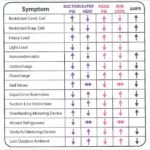
Manufacturer’s flowcharts show step-by-step problem-solving paths. These diagrams simplify complex diagnostics. Follow each step carefully to narrow down the issue. Flowcharts include possible error causes and suggested actions. Using them reduces guesswork and speeds up repairs.
Consulting Model Manuals
Model manuals contain specific information for each ice maker version. They explain error codes in detail. Manuals describe component locations and functions clearly. Reading them helps understand machine behavior better. They often include tips to avoid common mistakes.
When To Call A Technician
Some errors need professional help. Call a technician if error codes persist after all steps. Complex electrical or mechanical problems require expert tools and skills. Avoid risking further damage by handling advanced repairs alone. A technician ensures safe and effective fixes.
Indicator Lights
Indicator lights on Manitowoc ice makers provide quick status updates. They help identify machine conditions and errors. Paying attention to these lights can save time and prevent damage. Each light signals a specific issue or status. Understanding their meanings aids in fast troubleshooting.
Red Wrench Light Meaning
The red wrench light signals a fault or error. It means the machine needs service or repair. The light often indicates sensor problems or mechanical failures. Sometimes, it points to ice buildup or water supply issues. Do not ignore this light; it warns of operational problems.
Check the user manual for exact error codes linked to this light. Some models display blinking patterns to show the specific fault. Note these patterns before calling a technician. They help in diagnosing the problem faster.
Responding To Warning Lights
When a warning light appears, first power off the machine. Inspect water supply and ensure proper flow. Look for blockages or ice buildup inside the unit. Clean the air and water filters if dirty. Reset the machine after cleaning and check if the light clears.
If the light stays on, record any error codes shown. Contact a professional service provider for help. Avoid running the machine with warning lights active. This approach prevents further damage and costly repairs.
Credit: www.easyice.com
Frequently Asked Questions
How To Check Codes On Manitowoc Ice Machine?
Press the Down arrow to select “Event Log” on the Manitowoc ice machine display. Press the Checkmark key to view error codes. Highlight “View ELog” to see code details, occurrence time, and frequency. Consult the manual for code meanings and troubleshooting steps.
How Do I Troubleshoot Common Manitowoc Issues?
Check power and water supply first. Clean water and air filters, condenser, and evaporator. Adjust water levels, temperature, and level machine. Inspect sensors and review error codes. Consult the manual or call a technician for persistent issues.
What Does The Red Wrench Light Mean On A Manitowoc Ice Machine?
The red wrench light on a Manitowoc ice machine indicates a service or maintenance alert. It signals the need to check for errors, clean parts, or perform routine maintenance. Address this promptly to avoid operational issues and maintain ice quality.
What Is The Error Code E01 On Manitowoc Ice Machine?
The Manitowoc ice machine error code E01 indicates a water fill issue. It means the machine fails to detect proper water level during fill. Check water supply, float valve, and sensors for blockages or faults to resolve this error quickly.
What Do Manitowoc Ice Maker Error Codes Mean?
Manitowoc error codes show specific problems in the ice maker. They help identify issues like water supply, sensors, or temperature faults. Understanding codes speeds up troubleshooting and repairs.
Conclusion
Manitowoc ice maker error codes help spot problems fast. Check power and water first. Keep filters and parts clean to avoid issues. Adjust settings and level the machine for best results. Watch for error codes regularly to catch faults early.
Simple steps often fix common errors quickly. Follow these tips to keep your ice maker running smoothly. Regular care saves time and costly repairs. Stay alert and act fast to enjoy perfect ice every time.