Is your Mercruiser 3.0 engine giving you trouble? Maybe it stalls when you hit the gas, or won’t start no matter how many times you try.
You’re not alone—and the good news is, most common problems can be solved without expensive repairs. In this guide, you’ll learn simple, step-by-step troubleshooting tips that anyone can follow. Whether it’s fuel delivery, ignition issues, or something else, understanding what’s going on under the hood will save you time and frustration.
Ready to get your engine running smoothly again? Let’s dive in and tackle your Mercruiser 3. 0 problems together.
Fuel Delivery Issues
Fuel delivery issues can cause your Mercruiser 3.0 engine to run poorly or stall. These problems affect how fuel reaches the engine, leading to performance loss. Identifying the exact cause helps fix the problem quickly and keeps your boat running smoothly.
Clogged Fuel Filters
Fuel filters trap dirt and debris before fuel reaches the engine. Over time, these filters get clogged and block fuel flow. A clogged filter lowers engine power and can cause stalling. Replace fuel filters regularly to prevent these issues.
Weak Fuel Pump
The fuel pump moves fuel from the tank to the engine. A weak or failing pump cannot supply enough fuel. This causes rough idling, hesitation, or engine stalls. Test the fuel pump pressure to check if it works properly.
Carburetor Problems
The carburetor mixes fuel with air for combustion. Dirt or wear can cause poor fuel mixture or block fuel jets. This leads to sputtering, bogging, or hard starting. Cleaning or rebuilding the carburetor often solves these problems.
Credit: www.etsy.com
Ignition System Faults
The ignition system in a Mercruiser 3.0 engine plays a vital role in starting and running the boat smoothly. Faults in this system often cause the engine to stall or fail to start. Understanding common ignition problems helps in quick troubleshooting and effective repairs.
Several parts work together in the ignition system. Problems usually arise from worn or damaged components. Careful inspection and maintenance can prevent most ignition issues.
Spark Plug Inspection
Spark plugs ignite the fuel-air mixture inside the engine cylinders. Dirty or worn spark plugs cause misfires and poor engine performance. Remove each spark plug and check for carbon buildup, cracks, or worn electrodes. Replace plugs that look damaged or heavily fouled. Ensure the spark plug gap matches the manufacturer’s specs for proper ignition.
Ignition Switch Wear
The ignition switch controls power to the engine’s ignition system. Over time, the switch contacts can wear out or corrode. A faulty switch may cause the engine not to start or cut off suddenly. Test the switch for smooth operation and check for loose or broken wires. Replace the switch if it feels loose or shows signs of corrosion.
Wiring And Connections
Ignition wiring and connections deliver power and signals throughout the system. Loose or corroded wires create poor electrical flow, causing ignition problems. Inspect all wiring for cracks, frays, or corrosion. Tighten all connections and clean any corrosion with electrical contact cleaner. Proper wiring ensures a steady flow of electricity to the spark plugs and ignition coil.
Starting Problems
Starting problems with the Mercruiser 3.0 engine can be frustrating. The engine may crank, but it won’t start. Sometimes, the gauges and power systems fail to respond. These issues often point to electrical or fuel system faults. Knowing the common causes helps fix the problem quickly and safely.
Engine Cranks But Won’t Start
The engine turns over but does not fire up. This often means the spark or fuel is not reaching the engine. Check spark plugs for fouling or damage. Inspect the fuel supply system for blockages or leaks. A clogged fuel filter or bad fuel pump can stop the engine from starting. Also, verify the ignition system components are working properly.
Battery And Fuse Checks
Weak or dead batteries cause many starting problems. Test the battery voltage with a multimeter. Clean battery terminals to ensure a good connection. Check all fuses related to the ignition and fuel systems. A blown fuse can cut power to critical engine parts. Replace any faulty fuses and tighten battery cables to restore power.
Gauge Power Failures
Sometimes, the dashboard gauges do not light up or respond. This often signals an electrical issue. Inspect the ignition switch for corrosion or wear. Faulty wiring or loose connections can prevent power from reaching the gauges. Repair or replace damaged wires and connectors. Confirm that the fuse box is intact and all fuses are in place.
Engine Stalling Causes
Engine stalling in a Mercruiser 3.0 can be frustrating and dangerous. It often signals underlying issues that need quick attention. Understanding common causes helps in diagnosing and fixing the problem fast. Below are typical reasons why your engine might stall.
Stalling After Throttle Increase
When you push the throttle and the engine stalls, fuel delivery is often the culprit. A weak fuel pump or clogged fuel filter can reduce fuel flow. This starves the engine of fuel during acceleration.
Ignition system problems also cause stalling after throttle increase. Worn spark plugs or wrong gaps can interrupt combustion. Check these parts to ensure they spark correctly and on time.
Detonation And Run-on Issues
Detonation happens when fuel ignites too early inside the engine. This causes knocking sounds and can stall the engine. Run-on occurs when the engine keeps running after you turn it off.
Cheap or incorrect fuel often causes detonation and run-on. Also, spark plugs that are too cold may lead to these issues. Use the right fuel and plugs to avoid damage and stalling.
Carburetor Sputtering
A sputtering carburetor signals fuel mixture problems. The engine may start and run but then bog down or stall. Dirt or debris inside the carburetor can block fuel flow.
Cleaning or rebuilding the carburetor often resolves sputtering. Ensure all jets and passages are clear. This helps the engine run smoothly without stalling.
Cooling System Checks
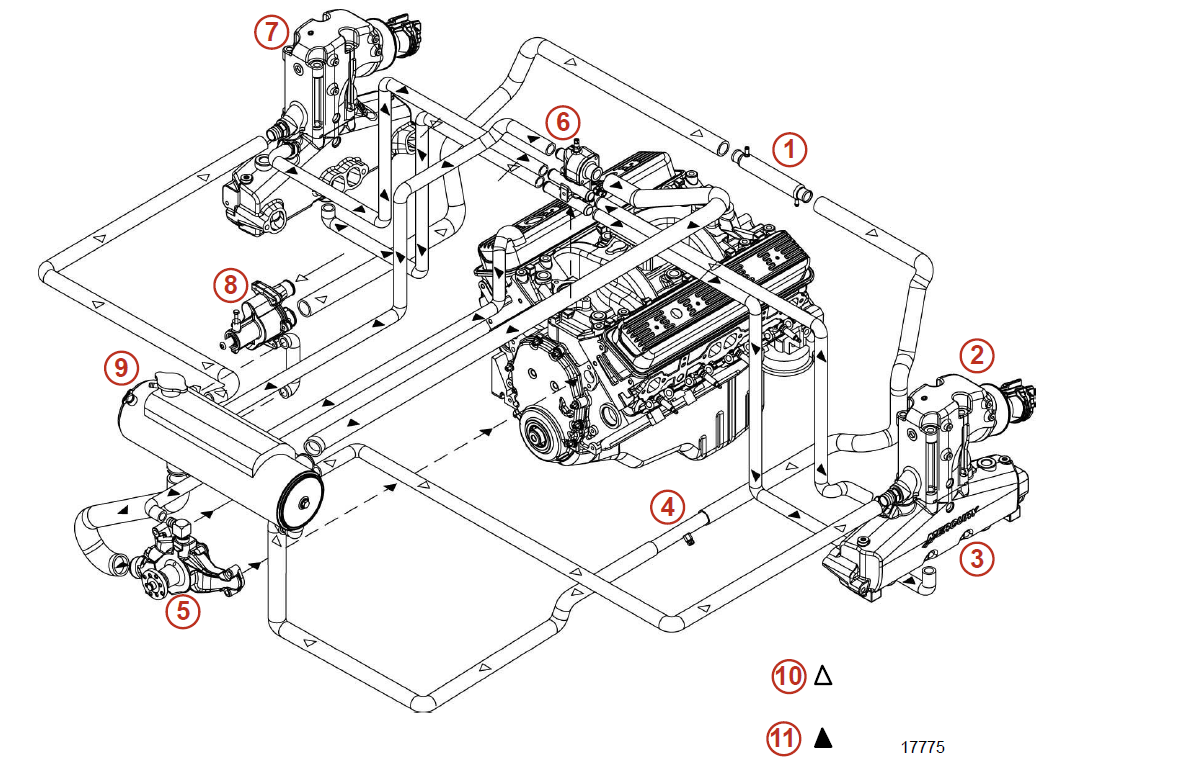
The cooling system in a Mercruiser 3.0 engine is vital. It keeps the engine temperature stable. Overheating can cause serious damage and costly repairs.
Regular checks of the cooling system help avoid breakdowns. These checks ensure the engine runs smoothly and lasts longer.
Inspecting Cooling Components
Start by examining the water pump. Look for leaks or worn parts. Check the impeller inside the pump. It should be flexible and intact.
Inspect the thermostat for proper opening and closing. A stuck thermostat can cause overheating. Look at hoses and clamps for cracks or corrosion. Tighten or replace them if needed.
Flush the cooling system to remove salt or debris. Clean passages improve water flow and cooling efficiency. Check the raw water intake for blockages. Clear any weeds or dirt found.
Common Cooling System Failures
Impeller damage is a frequent problem. It reduces water flow and causes overheating. Thermostat failure can block water circulation.
Hose leaks lead to water loss and engine heat rise. Corroded or clogged passages reduce cooling performance. Salt buildup can block water flow in the heat exchanger.
Air pockets in the system cause overheating. Bleed the system to remove trapped air. Watch engine temperature gauge for unusual rises.
Credit: www.perfprotech.com
Shift And Gear Problems
Shift and gear problems are common issues in Mercruiser 3.0 engines. These problems can cause difficulty in changing gears or strange noises. Proper diagnosis helps maintain smooth sailing and avoids costly repairs. Understanding the causes and fixes will keep your boat running well.
Shift Cable Tension
Shift cable tension affects gear engagement. Too tight or too loose cables cause shifting trouble. Check the cable for correct tension regularly. Adjust it so the gears move easily without slack. Proper tension prevents gear slipping and harsh shifts.
Lower Gear Case Wear
The lower gear case can wear over time. Look for metal shavings in the oil or unusual noises. Worn gears cause grinding or difficulty shifting. Inspect the gear case for cracks or damage. Replace worn parts to avoid further engine damage.
Smooth Operation Tips
Keep the shift mechanism clean and lubricated. Use marine-grade grease on moving parts. Avoid forcing the shift lever to prevent damage. Regularly check and adjust the shift cable tension. These steps ensure smooth and reliable gear changes every time.
Quick Fixes And Maintenance
Maintaining a Mercruiser 3.0 engine ensures smooth rides and fewer breakdowns. Quick fixes and regular upkeep keep your engine in top shape. Small checks and timely care prevent costly repairs later. Understanding simple maintenance helps catch problems early. Here are key tips for quick fixes and ongoing care.
Routine Inspection Tips
Check the engine for leaks and corrosion each time before use. Look for loose wires or damaged hoses around the engine. Inspect belts for cracks or signs of wear regularly. Listen for unusual sounds during operation that might signal trouble. Keep an eye on the battery terminals for corrosion and clean if needed. Verify that all connections are tight and secure to avoid electrical issues.
Fuel Quality Considerations
Use fresh fuel to keep the engine running well. Avoid old or contaminated gasoline that can clog fuel lines. Store fuel in a clean, sealed container to prevent moisture buildup. Add fuel stabilizers if the boat will sit unused for weeks. Drain the fuel system before long storage periods to avoid gum deposits. Check the fuel filter and replace it if it looks dirty or clogged.
Preventive Care Steps
Change the engine oil and filter as recommended by the manufacturer. Flush the cooling system after each use to remove salt and debris. Grease all moving parts to reduce wear and tear. Inspect the spark plugs and replace them if fouled or worn. Tighten bolts and clamps to ensure nothing is loose. Regularly test the ignition system and repair any faults immediately.

Credit: www.youtube.com
Frequently Asked Questions
Why Does My Boat Stall When I Give It Gas?
Boat stalls when given gas due to fuel delivery issues, clogged filters, faulty spark plugs, or ignition problems. Check fuel pump pressure and spark plug condition.
Why Is My Boat Motor Turning Over But Not Starting?
Your boat motor turns over but won’t start due to fuel issues, spark plug problems, faulty ignition, or battery connection faults. Check fuel supply, spark plugs, ignition switch, and battery terminals to diagnose the problem quickly.
What Is The Problem With The Mercruiser Engine?
Mercruiser engine problems often stem from carburetor issues, fuel delivery faults, ignition troubles, or cooling system failures. Poor fuel quality or spark plug problems cause detonation and sputtering. Inspect shift cables and lower gear cases for wear or damage to ensure smooth operation.
How Do You Adjust The Float On A Mercruiser 3.0 Carburetor?
To adjust the float on a Mercruiser 3. 0 carburetor, remove the float bowl. Bend the float tab gently to set the correct fuel level. The fuel level should measure about 7/16 inch. Reinstall the bowl and test for proper fuel flow and engine performance.
Why Does My Mercruiser 3.0 Engine Stall When I Give It Gas?
Stalling often happens due to fuel delivery or ignition problems. Check the fuel pump pressure and fuel filter for clogs. Also, inspect spark plugs for fouling or wrong gaps.
Conclusion
Troubleshooting your Mercruiser 3. 0 becomes easier with clear steps. Check fuel delivery, ignition, and cooling systems first. Inspect spark plugs and filters for clogs or damage. Watch for issues in the shift cable and gear case. Regular maintenance helps prevent common problems and keeps your engine running smoothly.
Remember, small fixes can save time and money. Stay patient and methodical during repairs. Your boat will be ready to sail confidently again.