Is your microwave oven acting up right when you need it most? Maybe it’s not heating your food, the turntable won’t spin, or sparks are flying inside.
These frustrating problems can stop your kitchen routine cold, but before you rush to replace your appliance or call a costly repair service, there’s good news: many common microwave issues have simple fixes you can try yourself. In this guide, you’ll discover the top reasons why your microwave might fail and easy troubleshooting tips to get it back to working order quickly and safely.
Stick with us, and you’ll learn how to identify problems, reset your microwave, and know when it’s time to seek professional help—all designed to save you time, money, and stress. Ready to take control of your microwave troubles? Let’s dive in!

Credit: www.youtube.com
Common Microwave Issues
Microwaves often face common issues that disrupt daily use. Understanding these problems helps in quick identification and basic fixes. Most problems involve heating, power, or mechanical parts. This section covers typical microwave troubles and their symptoms.
No Heating
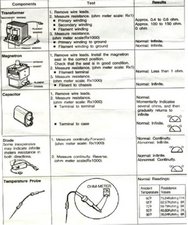
The microwave runs but does not heat food. A broken magnetron often causes this. Other parts like the high-voltage diode, capacitor, or transformer might also fail. These parts generate and control the microwaves that cook the food.
No Power
The microwave shows no signs of power. This can happen from a blown main fuse or tripped circuit breaker. Sometimes, the power cord or outlet may be the problem. Checking these can restore power without repairs.
Sparks And Arcing
Sparks or small electrical arcs appear inside the microwave. Metal objects inside cause this. Food splatter on the waveguide cover also leads to sparks. A damaged waveguide cover should be replaced to avoid fire risks.
Turntable Problems
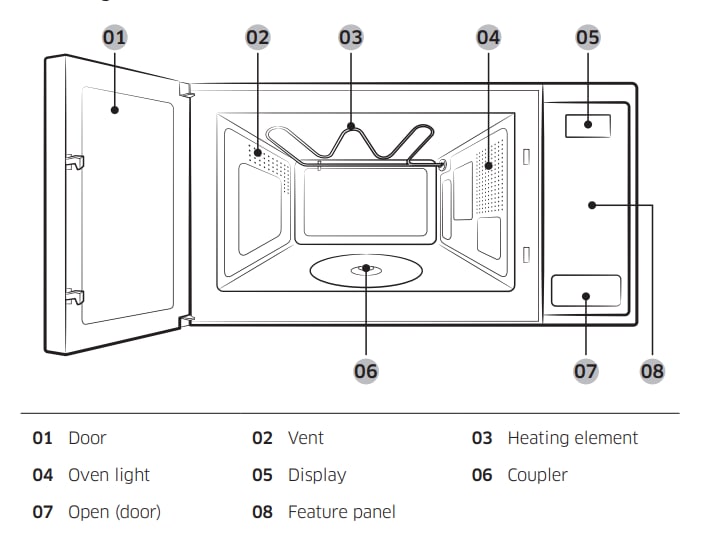
The turntable does not rotate during cooking. A broken motor or drive coupler is usually the cause. Without rotation, food cooks unevenly. Replacing the motor or coupler fixes this issue.
Unresponsive Control Panel
The buttons or touch panel do not respond to commands. This points to a faulty control board or damaged touch panel. Resetting the microwave may help, but often a board replacement is needed.
Door Malfunctions
The microwave won’t start because the door won’t close properly. Worn-out door latches or broken door switches block operation. These safety features stop the microwave if the door is open or damaged. Repairing or replacing parts restores function.
Credit: www.ifixit.com
Frequent Causes Of Failure
Microwave ovens can stop working due to several common problems. These failures often happen over time or from frequent use. Understanding the main causes helps in quick troubleshooting. It also guides users on when to call a professional. The following sections explain the frequent causes of microwave oven failure.
Failed Magnetron
The magnetron creates the microwaves that heat food. A failed magnetron means the microwave runs but does not heat. This issue is the most common cause of microwave failure. Signs include the microwave turning on without warming food. Replacing the magnetron usually fixes this problem.
Blown Fuses And Power Issues
Microwaves use fuses to protect electrical parts. A blown fuse cuts power to the microwave. Power issues may also come from faulty cords or outlets. The microwave might not turn on or suddenly stop working. Checking the fuse and power source is a simple first step.
Worn Door Switches And Latches
Door switches and latches keep the microwave safe. They prevent the microwave from running if the door is open. Over time, these parts wear out or break. A worn door switch or latch stops the microwave from starting. Replacing them restores proper operation.
Damaged Waveguide Cover
The waveguide cover protects the microwave’s internal parts. Food spills or metal objects can damage it. A damaged cover may cause sparks or arcing inside the microwave. This can harm the microwave and create a fire risk. Cleaning or replacing the cover solves the issue.
Motor And Drive Coupler Wear
The motor turns the turntable for even cooking. The drive coupler connects the motor to the turntable. Wear or breakage in these parts causes the turntable to stop rotating. Food may cook unevenly. Replacing the motor or drive coupler fixes turntable problems.
Why Microwaves Break Down
Microwaves break down for various reasons. Understanding these causes helps you troubleshoot effectively. Some issues come from simple wear, while others arise from misuse or electrical problems. Knowing why microwaves fail can save time and money.
Age And Wear
Microwaves have many parts that wear out with time. The magnetron, door switches, and turntable motor often fail first. Repeated use causes these parts to degrade. Older microwaves are more likely to have problems. Regular maintenance can extend their life.
Overuse And Misuse
Using a microwave too much can cause damage. Running it empty or heating metal objects harms internal parts. Overheating can burn out the magnetron. Misuse leads to sparks and other malfunctions. Following the user manual helps avoid these issues.
Power Surges
Power surges from storms or unstable electricity can damage microwaves. Sensitive electronics inside may stop working after a surge. A sudden spike can blow fuses or damage the control board. Using a surge protector can protect your microwave from this harm.
Safety Tips For Repairs
Repairing a microwave oven requires care and attention to safety. Microwaves contain high-voltage parts that can cause serious injury. Before starting any repair, follow these safety tips to protect yourself. Taking precautions helps prevent accidents and damage to the appliance. Always handle repairs with caution and respect for the risks involved.
Unplug Before Servicing
Always unplug the microwave before opening or working on it. This cuts off the power supply and lowers the risk of electric shock. Never assume the microwave is safe while still plugged in. Wait a few minutes after unplugging to allow capacitors to discharge. This simple step saves lives and prevents injuries.
High Voltage Risks
Microwaves store dangerous high voltage even when unplugged. The capacitor can hold a charge for a long time. Touching internal parts without proper knowledge can cause shocks. Avoid contact with the magnetron, transformer, and capacitor. Use insulated tools and wear protective gear if you must work inside the microwave.
When To Call A Professional
Some repairs require expert skills and tools. Issues with the magnetron, capacitor, or high-voltage components are best handled by professionals. If you feel unsure or unsafe, stop and contact a certified technician. Protect yourself and your home by trusting trained repair services. Professionals ensure the microwave is fixed safely and correctly.
Resetting Your Microwave
Resetting your microwave often solves common issues quickly. Many problems come from minor glitches in the control panel or power supply. A simple reset can restore normal function without needing repairs.
Different microwaves have various reset methods. Understanding the right reset process helps fix problems like unresponsive buttons or error codes. Below are common ways to reset your microwave safely and effectively.
General Power Reset
Unplug the microwave from the wall outlet. Wait for about one minute to clear any residual power. Plug the microwave back in. This reset clears minor software glitches. It often fixes unresponsive controls or display errors.
Circuit Breaker Reset
Locate the home circuit breaker panel. Find the breaker switch connected to your microwave. Turn the breaker off, then wait 30 seconds. Switch the breaker back on. This reset can fix power supply problems. It helps if the microwave suddenly stops working.
Filter Light Reset
Some microwaves have a filter light to remind cleaning. After cleaning the filter, the light may stay on. Press and hold the filter reset button. Hold it for a few seconds until the light turns off. This lets the microwave know the filter is clean.
Specific Button Or Code Reset
Certain models require pressing a sequence of buttons for reset. Check your microwave’s manual for the exact code. Common resets include holding the “Stop/Cancel” button for 3-5 seconds. Another method might be pressing “Clear” twice. These resets clear error codes and restore default settings.
Signs Of A Faulty Microwave
Microwaves are essential kitchen appliances. Detecting problems early helps prevent bigger issues. Recognizing signs of a faulty microwave saves time and money. Below are common symptoms that indicate your microwave needs attention.
Strange Noises
Unusual sounds during operation often signal trouble. Grinding, buzzing, or rattling noises may come from the magnetron or fan. Such noises suggest worn-out parts or loose components inside the microwave.
Inconsistent Heating
Food heating unevenly is a clear sign of malfunction. Hot spots or cold spots mean the microwave waves are not working properly. This issue often relates to a failing magnetron or a faulty high-voltage diode.
Error Codes
Modern microwaves display error codes on the control panel. These codes help identify specific problems quickly. Refer to your user manual to understand what each code means and how to respond.
Unusual Smells
Burning or strange odors during use are warning signs. These smells may come from electrical shorts or overheated components. Stop using the microwave immediately if you detect any unusual odors to avoid fire hazards.
Credit: www.samsung.com
Frequently Asked Questions
What Is The Most Common Cause Of Microwave Failure?
The most common cause of microwave failure is a broken magnetron, which stops the unit from heating food. Other causes include blown fuses, faulty control boards, and worn door latches or motors. Regular wear, power surges, and misuse also contribute to these failures.
How To Reset Microwave Oven?
Unplug the microwave from the outlet. Wait 30 seconds, then plug it back in to reset. For over-the-range models, reset the circuit breaker by turning it off, waiting one minute, and turning it on again. Use the “Filter Reset” button if applicable.
What Are The Common Signs That Indicate A Microwave Oven Is Faulty?
Common signs of a faulty microwave include no heating, no power, sparks inside, a non-rotating turntable, unresponsive controls, and door latch problems.
What Are The Symptoms Of A Bad Magnetron In A Microwave?
Symptoms of a bad magnetron include the microwave running without heating food, unusual buzzing sounds, and food heating unevenly or not at all.
Why Is My Microwave Oven Not Heating Food?
A broken magnetron is the most common cause of no heating. Other parts like the high-voltage diode or capacitor can also fail. These parts need expert repair or replacement.
Conclusion
Microwave ovens can stop working for many simple reasons. Common issues include power problems, broken parts, or door faults. Most fixes involve basic checks like resetting power or cleaning inside. Always unplug your microwave before any troubleshooting to stay safe.
For complex repairs, especially with electrical parts, ask a professional for help. Regular care and careful use extend your microwave’s life. Keep these tips handy to solve small problems quickly and avoid costly repairs. A working microwave makes cooking faster and easier every day.