Is your engine acting up and you suspect your Mikuni diaphragm carburetor might be the culprit? You’re not alone.
Many riders and DIY mechanics face frustrating issues like hard starting, poor acceleration, or irregular idling caused by carburetor problems. The good news is, you don’t have to be a pro to troubleshoot and fix these common Mikuni diaphragm carburetor issues.
In this guide, you’ll learn how to identify symptoms, pinpoint the root causes, and take simple steps to get your carburetor running smoothly again. Keep reading, because mastering these troubleshooting tips will save you time, money, and the headache of unexpected breakdowns. Your bike deserves the best performance—and you deserve the confidence to maintain it.
Common Mikuni Diaphragm Issues
The Mikuni diaphragm carburetor is vital for smooth engine performance. Common diaphragm issues can cause engine troubles. Knowing these problems helps with quick fixes. This section covers frequent diaphragm problems and their signs. Understanding causes helps prevent future wear and damage.
Symptoms Of A Faulty Diaphragm
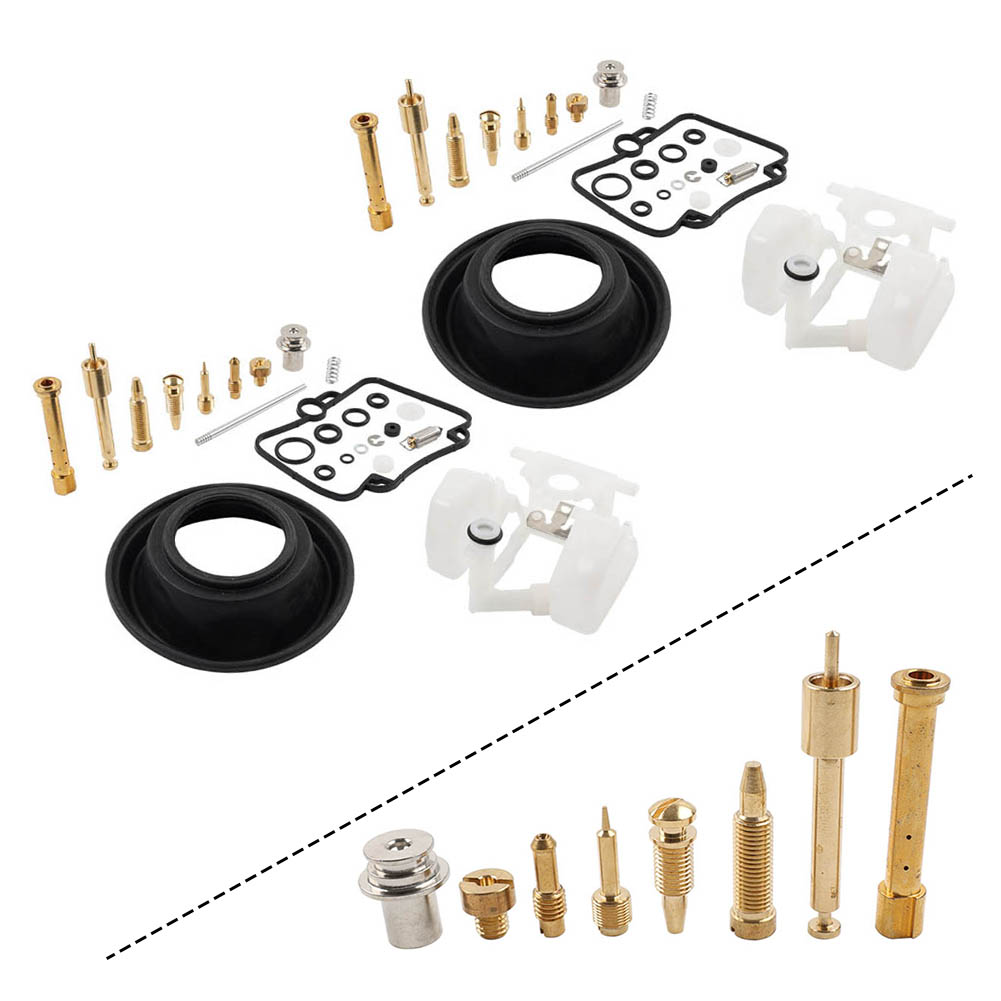
A bad diaphragm causes engine starting problems. The engine may stall or run rough. You might notice poor acceleration or uneven idling. Fuel leaks or strong fuel smell can appear. Sometimes the engine hesitates or sputters under load. These signs show the diaphragm needs checking or replacement.
Causes Of Diaphragm Wear And Tear
Constant movement causes the diaphragm to wear out. Dirt, debris, and old fuel varnish damage the material. Exposure to heat and sunlight weakens the diaphragm. Using poor quality fuel speeds up wear. Over time, cracks or holes develop, affecting performance. Regular maintenance can reduce these common causes.
Credit: www.ebay.com
Inspecting The Carburetor
Inspecting the carburetor is a vital step in troubleshooting Mikuni diaphragm carburetors. This process helps identify common problems that affect engine performance. Careful inspection ensures the carburetor functions correctly and extends its lifespan.
Start by examining all visible parts for wear, damage, or blockage. A clean and well-maintained carburetor improves fuel efficiency and engine response. The diaphragm, fuel flow, and air leaks are key areas to focus on during inspection.
Checking The Diaphragm Condition
Check the diaphragm for cracks, tears, or stiffness. A damaged diaphragm causes poor fuel delivery and engine hesitation. Gently press the diaphragm to test its flexibility. Replace it if it feels brittle or shows signs of wear.
Identifying Dirt And Debris
Look for dirt, dust, and debris on and inside the carburetor. Contaminants block fuel passages and affect performance. Use compressed air to blow out particles carefully. Clean all parts with carburetor cleaner for best results.
Examining Fuel Flow And Air Leaks
Inspect fuel lines for cracks or leaks that reduce fuel supply. Check all seals and gaskets for tightness to prevent air leaks. Air leaks cause rough idling and loss of power. Replace faulty parts to maintain proper fuel-air mixture.
Cleaning Procedures
Cleaning the Mikuni diaphragm carburetor is key to keeping your engine running smoothly. Dirt, varnish, and debris can block fuel flow and cause poor performance. Regular cleaning helps avoid common issues like rough idling and hard starts. Follow the right steps to clean your carburetor safely and effectively.
Removing The Carburetor Safely
First, make sure the engine is off and cool. Turn off the fuel valve to stop fuel flow. Disconnect the throttle and choke cables gently. Remove the mounting bolts carefully to avoid damage. Keep track of all parts and screws for reassembly.
Cleaning The Diaphragm And Jets
Remove the diaphragm cover to access the diaphragm. Check the diaphragm for cracks or stiffness; replace if damaged. Use a soft brush to clean the diaphragm without tearing it. Next, clean the jets by removing them with the correct tool. Clear any blockages with compressed air or a thin wire.
Using Proper Cleaning Agents
Use carburetor cleaner sprays designed for Mikuni carburetors. Avoid harsh chemicals that can damage rubber or plastic parts. Spray cleaner on jets, passages, and the diaphragm area. Let parts soak briefly if needed, then rinse with clean water. Dry all parts thoroughly before reassembly to prevent rust and corrosion.
Jet Troubleshooting
Jet issues are common in Mikuni diaphragm carburetors. They can cause engine problems. Troubleshooting jets helps restore smooth engine performance. Jets control fuel flow at different engine speeds. Dirt or blockage in jets disrupts this flow. Identifying jet problems early prevents bigger engine damage.
Symptoms Of Clogged Pilot Jets
Pilot jets supply fuel at idle and low speed. A clogged pilot jet causes hard starting. The engine may run only with the choke on. It often dies when the choke is off. Idling becomes rough and unstable. You may notice sputtering or hesitation at low speed.
Signs Of Main Jet Blockage
Main jets control fuel at mid to high speed. Blocked main jets cause poor acceleration. The engine may feel weak or lack power. Hesitation or sputtering occurs when you open the throttle. Black smoke from the exhaust can appear. Fuel consumption may increase due to improper fuel mix.
Cleaning And Replacing Jets
Remove the carburetor carefully before cleaning. Use carburetor cleaner to dissolve dirt and debris. Spray through the jet holes until clear. Use compressed air to blow out stubborn blockage. Replace jets if cleaning does not restore flow. Always use the correct size jets for your carburetor model. Proper jet maintenance improves fuel efficiency and engine response.
Adjusting The Carburetor
Adjusting the carburetor on a Mikuni diaphragm carburetor is key for good engine performance. Proper tuning helps the engine run smoothly and respond well to throttle changes. Small adjustments can fix problems like rough idling, poor acceleration, and stalling.
Each setting affects how fuel and air mix in the engine. Careful tuning improves fuel efficiency and reduces emissions. Focus on the accelerator pump, idle, and mixture screws for best results.
Setting The Accelerator Pump
The accelerator pump adds extra fuel during throttle opening. Adjust it to prevent hesitation or bogging. Start by checking the pump stroke length. A typical setting allows the pump arm to move about 4-6 mm.
Too little fuel causes a lean hit and stalling. Too much fuel leads to bogging or black smoke. Fine-tune the pump by changing the stroke or adjusting the pump cam on the throttle slide.
Adjusting Idle And Mixture Screws
The idle screw controls engine speed at rest. Turn it slowly until the engine idles steadily. The mixture screw adjusts the air-fuel ratio at idle. Turn it in small steps for smooth running without stalling.
Turning the mixture screw out adds fuel; turning it in leans the mixture. Find the point where the engine runs best without hesitation or roughness. Check the spark plug color to confirm proper mixture.
Tuning For Smooth Performance
After initial adjustments, test the engine under different loads. Listen for smooth throttle response and steady idle. Adjust screws slightly if the engine stumbles or hesitates.
Warm up the engine before tuning. Cold engines behave differently. Repeat adjustments until the engine runs clean and stable. Proper tuning improves power, fuel economy, and engine life.
Replacing The Diaphragm
Replacing the diaphragm in a Mikuni diaphragm carburetor is a key step to fix fuel flow issues. The diaphragm controls fuel delivery and air mixture. A worn or damaged diaphragm causes poor engine performance. Follow careful steps to remove the old diaphragm and install a new one. This ensures smooth engine running and better fuel efficiency.
Removing The Old Diaphragm
Start by removing the carburetor from the engine. Find the screws that hold the diaphragm cover. Use a screwdriver to loosen and remove them carefully. Take off the cover to expose the diaphragm. Gently lift the old diaphragm out, noting its position. Avoid tearing the diaphragm or damaging the carburetor body. Clean the area before installing a new part.
Choosing The Right Replacement
Select a diaphragm that matches your Mikuni carburetor model. Check the part number or model name on your carburetor. Buy OEM or high-quality aftermarket parts. A poor-quality diaphragm can lead to leaks or quick wear. Confirm the material is durable and flexible. Proper fit ensures the carburetor works efficiently and lasts longer.
Installation Tips And Tricks
Place the new diaphragm in the exact position of the old one. Align all holes and edges carefully. Avoid folding or stretching the diaphragm during installation. Reattach the diaphragm cover, tightening screws evenly to prevent leaks. Do not overtighten screws to avoid damage. After assembly, test the carburetor for smooth movement and no air leaks.
Testing After Repairs
After completing repairs on a Mikuni diaphragm carburetor, testing is crucial. This step ensures the carburetor functions well and the engine runs smoothly. Proper testing helps identify any remaining issues early. It also confirms the repair work was successful.
Starting The Engine
Begin testing by starting the engine. Turn the key or pull the starter cord gently. Listen for smooth engine start-up sounds. If the engine struggles or stalls, check the carburetor adjustments. Make sure the fuel and air mixture is correct. A stable start means the diaphragm and other parts work well.
Checking For Leaks And Performance
Next, inspect the carburetor for fuel leaks. Look around the diaphragm and fuel connections. Leaks can cause poor engine performance and fuel waste. Run the engine at different speeds. Observe how it responds to throttle changes. Smooth acceleration shows the carburetor is functioning properly. Any hesitation or sputtering indicates further tuning is needed.
Fine-tuning Adjustments
Make small adjustments to the idle and mixture screws. Turn each screw slowly and test the engine’s response. Find the setting where the engine idles steadily without stalling. Adjust the fuel mixture for clear combustion and no smoke. Fine-tuning improves fuel efficiency and engine power. Repeat adjustments until the engine runs perfectly at all speeds.

Credit: blowsion.com
Preventive Maintenance Tips
Preventive maintenance is key to keep your Mikuni diaphragm carburetor working well. Regular care avoids common problems and extends the carburetor’s life. Simple daily habits and checks help the engine run smooth and efficient. Follow these tips to maintain your carburetor in top shape.
Regular Cleaning Schedule
Clean the carburetor regularly to prevent dirt build-up. Remove the diaphragm and inspect it carefully. Use a soft brush and carburetor cleaner to remove any grime. Avoid harsh chemicals that can damage parts. A clean carburetor ensures good fuel flow and engine performance.
Set a cleaning schedule based on your engine use. For heavy use, clean every few weeks. For light use, clean monthly or before storage.
Proper Fuel Handling
Use fresh, clean fuel to avoid clogging. Old or dirty fuel can cause deposits inside the carburetor. Always fill the tank in a clean area to reduce dirt entry. Avoid fuel with high ethanol content, as it can damage the diaphragm. Use fuel stabilizers if the engine will sit unused for a long time.
Storage Recommendations
Store your engine and carburetor in a dry, cool place. Drain the fuel or use a stabilizer before long storage. This prevents varnish and gum from forming inside the carburetor. Cover the carburetor to keep dust and moisture out. Proper storage reduces the risk of diaphragm damage and fuel problems.
Troubleshooting Fuel Pump Diaphragm
Troubleshooting the fuel pump diaphragm in a Mikuni carburetor is key to maintaining smooth engine performance. The diaphragm controls fuel flow, and any damage affects fuel delivery. Spotting issues early prevents bigger engine problems and costly repairs.
Signs Of Fuel Pump Diaphragm Failure
Fuel pump diaphragm failure shows clear signs. The engine may be hard to start or stall often. You might notice poor acceleration or rough idling. A strong fuel smell near the crankcase is a warning. Fuel leaking into the oil can cause this smell. Check the oil dipstick for fuel contamination. If fuel is present, the diaphragm likely has a tear or hole. These symptoms mean the diaphragm is not pumping fuel properly.
Inspecting And Replacing Fuel Pump Components
Start inspection by removing the carburetor carefully. Look for cracks or holes in the diaphragm. Dirt or debris can also damage it, so clean the area well. Check the fuel pump lever and valves for wear. Replace any worn or damaged parts with new, compatible components. Use a gasket kit to ensure proper sealing. Reassemble the pump, then test fuel flow. Proper fuel delivery confirms a successful repair.

Credit: www.redpowermagazine.com
Frequently Asked Questions
How To Tell If A Carb Diaphragm Is Bad?
A bad carb diaphragm causes hard starts, poor acceleration, and irregular idling. Check for cracks, tears, or stiffness. Also, inspect for dirt or debris buildup. Replace if the diaphragm doesn’t flex smoothly or shows visible damage.
How To Tell If A Fuel Pump Diaphragm Is Bad?
A bad fuel pump diaphragm causes fuel smell on the oil dipstick and poor engine performance. Check for fuel leaks inside the pump. Replace the diaphragm if it shows cracks, stiffness, or separation. Engine hard starts, sputtering, or stalling also indicate diaphragm failure.
How Do I Adjust The Accelerator Pump On A Mikuni Carburetor?
To adjust the accelerator pump on a Mikuni carburetor, loosen the pump arm screw. Move the arm to change stroke length, then tighten the screw. Test throttle response and repeat until smooth acceleration occurs. Avoid excessive pump stroke to prevent flooding or hesitation.
How To Tell If Carb Jets Are Clogged?
Clogged carb jets cause hard starting, rough idling, sputtering, backfiring, black smoke, poor fuel economy, and power loss. Check for these signs to identify blockages.
What Are Common Signs Of A Faulty Mikuni Diaphragm Carburetor?
Symptoms include hard starting, poor acceleration, and irregular idling. The engine may also sputter or stall unexpectedly.
Conclusion
Troubleshooting a Mikuni diaphragm carburetor improves engine performance and reliability. Regular checks help spot issues like dirt or wear early. Cleaning the diaphragm and jets keeps fuel flow smooth and consistent. Simple adjustments can fix problems such as poor idling or hard starting.
Understanding basic symptoms guides quick, effective repairs. Keep your carburetor maintained for better engine response and longer life. Small efforts prevent costly repairs and downtime. Trust these tips to keep your Mikuni carburetor running well every time.