If you’re facing issues with your Miller 70 Series wire feeder, you know how frustrating it can be when the wire won’t feed properly or keeps stopping unexpectedly. Whether you’re dealing with a wire that won’t stop feeding, snaps right at the gun entrance, or the drive motor just won’t work, these problems can bring your welding projects to a halt.
But don’t worry—this troubleshooting guide is here to help you get your wire feeder back on track quickly and efficiently. You’ll learn simple checks and fixes that anyone can do, saving you time, money, and stress. Keep reading to discover how to pinpoint the problem and get your Miller 70 Series wire feeder running smoothly again.
Common Wire Feed Issues
Common wire feed issues with the Miller 70 Series wire feeder can disrupt your welding work. These problems often cause frustration and slow down your project. Knowing how to identify and fix these issues helps you save time and maintain smooth operation.
This section covers the most frequent wire feed problems and simple solutions you can try. Each issue affects the wire feeding differently, so read carefully to find the one matching your situation.
Wire Feeding Nonstop
Wire feeding nonstop means the wire keeps coming out without stopping. This can cause wire tangles or damage to the gun. Usually, a stuck trigger or a faulty gun connection causes this issue. Check the trigger switch for sticking or dirt. Clean or replace the trigger if needed. Also, inspect the gun connection and wiring for any loose parts. Fixing these can stop the continuous feeding.
Wire Snapping At Gun Entry
Wire snapping at the gun entry point is a common problem. It happens when the wire bends or jams inside the feeder. The cause can be a worn-out drive roll or incorrect wire tension. Check the drive rolls for wear or damage. Adjust the tension knob to the right pressure. Make sure the wire spool is feeding smoothly and straight. Replacing worn parts and adjusting tension prevents wire breakage.
Intermittent Wire Feeding
Intermittent wire feeding means the wire feeds sometimes but stops unexpectedly. This interrupts welding and causes poor weld quality. The main reasons include dirty contact tips, poor electrical connections, or damaged cables. Clean or replace the contact tip regularly. Tighten all electrical connections securely. Inspect the cables for cuts or wear and replace if necessary. These steps improve feeding consistency.
Credit: www.coastmachinery.com
Basic Connection Checks
Basic connection checks are the first step in troubleshooting Miller 70 Series wire feeder issues. Loose or damaged connections often cause wire feeding problems. Ensuring each part connects properly saves time and avoids unnecessary repairs. Focus on key areas like the torch, earth lead, polarity, cables, and gun trigger wiring. Confirming these basics helps identify common faults quickly.
Inspect Torch And Earth Lead
Start by examining the torch and earth lead connections. Check that both are firmly attached to the welder. Look for signs of wear, corrosion, or dirt on the connectors. Clean any debris and tighten loose fittings. A poor connection here can interrupt the power flow and stop wire feeding.
Ensure the earth lead has a solid connection to the workpiece. A weak ground can cause unstable arc and wire feed issues. Replace damaged leads immediately to maintain proper welding performance.
Verify Polarity And Cable Condition
Check the polarity settings on the wire feeder and welder. The Miller 70 Series requires correct polarity for smooth wire feeding. Incorrect polarity can cause wire feeding stops or inconsistent arc. Match the polarity to your welding process and wire type.
Inspect all cables for cuts, cracks, or burns. Damaged cables reduce electrical flow and cause faults. Replace any cables showing signs of damage. Proper cable condition ensures reliable operation and prevents wire feed interruptions.
Check Gun Trigger Wiring
Examine the gun trigger wiring for any loose connections or breaks. Faulty trigger wiring often causes the wire to feed only briefly or not at all. Make sure the trigger wires are securely connected inside the feeder and torch handle.
Test the trigger switch by pressing it and listening for a clicking sound. No click means a wiring or switch problem. Replace worn or broken wiring to restore correct wire feeding control.
Drive Motor Troubleshooting
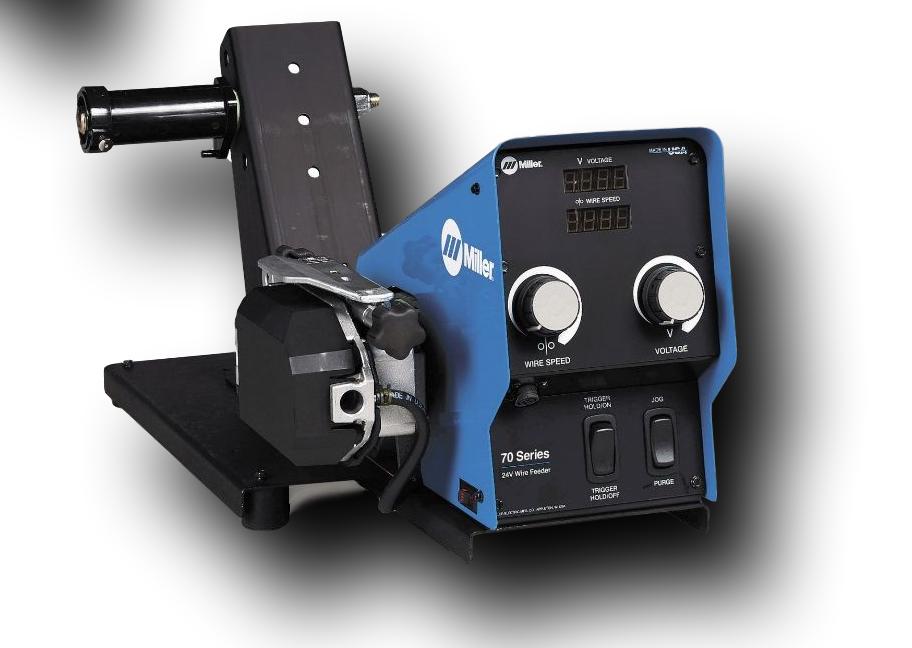
The drive motor is key to your Miller 70 Series wire feeder. It moves the welding wire through the gun smoothly. Problems with this motor can stop your work or cause poor welds. Understanding how to spot and fix motor issues helps keep your welder running well.
Motor Not Running
Check power supply first. Make sure the feeder is plugged in and turned on. Inspect all wiring for loose or broken connections. Test the trigger switch on the welding gun. A faulty trigger can prevent the motor from starting. If power and switch are fine, the motor itself may be worn out or damaged. Replace the motor if no power reaches it.
Motor Running Without Wire Feed
The motor spinning but no wire feeding means slipping or blockage. Check the drive rolls for wear or dirt. Clean or replace them if needed. Ensure the wire spool is installed correctly and turns freely. Look for wire jams in the liner or gun tip. Tighten the tension on the drive rolls to grip the wire firmly. Loose tension causes the motor to run without pushing the wire.
Noise And Vibration Issues
Loud noise or vibration signals a mechanical problem. Inspect the motor bearings for wear or damage. Worn bearings cause grinding sounds and rough motion. Check the gear and drive shaft alignment. Misalignment leads to vibration and noise. Lubricate moving parts if dry. Replace damaged bearings or gears to restore smooth operation.

Credit: www.scribd.com
Wire Tension And Rollers
The wire tension and rollers in a Miller 70 Series wire feeder play a crucial role in smooth welding operations. Proper wire tension ensures steady wire feeding without slipping or jamming. Rollers guide the wire through the feeder and must be clean and well-maintained to prevent wire damage. Understanding how to adjust tension and care for rollers can solve many feeding problems.
Adjusting Wire Tension
Wire tension controls how tightly the wire is pulled through the feeder. Too much tension can flatten or break the wire. Too little tension causes slipping and inconsistent feeding. Adjust the tension knob slowly while testing the wire feed. Aim for firm pressure without deforming the wire. Check the wire feed speed and listen for any unusual sounds. Proper tension keeps the wire moving smoothly.
Cleaning And Replacing Rollers
Dirty or worn rollers cause wire feeding issues. Clean rollers regularly using a soft brush or cloth. Remove any dust, dirt, or metal shavings stuck on the rollers. Inspect rollers for grooves or flat spots that can pinch the wire. Replace rollers that show signs of wear or damage. Using clean and smooth rollers protects the wire and maintains steady feeding.
Selecting Correct Roller Type
Choosing the right roller type matches the wire size and material. There are different rollers for solid, flux-cored, or aluminum wire. Using the wrong roller can cause wire slipping or damage. Check the wire diameter and type before installing rollers. Match the groove type on the roller to the wire shape. Correct roller selection improves wire feed reliability and welding quality.
Electrical And Control Tests
Gas feed and flow issues often cause welding problems with the Miller 70 Series wire feeder. Proper gas delivery ensures a clean weld and prevents defects. Troubleshooting starts with checking the gas lines and flow. Identifying leaks and flow irregularities solves many common faults.
Inspecting Gas Lines
Begin by examining all gas lines for damage or kinks. Bent or cracked hoses restrict gas flow and cause poor shielding. Ensure connections are tight and secure at both the cylinder and wire feeder. Replace any worn or damaged hoses immediately to maintain consistent gas supply.
Checking Gas Flow Rate
Use a flowmeter to measure the gas flow rate accurately. The Miller 70 Series typically requires a flow rate between 15 and 25 cubic feet per hour (CFH). Adjust the regulator to maintain this range. Too low flow allows air to enter the weld, while too high wastes gas and causes turbulence.
Common Gas Leak Sources
Leaks often occur at connection points, including the cylinder valve, regulator, and hose fittings. Listen for hissing sounds or use a soapy water solution to spot bubbles at leak sites. Repair or replace faulty parts to stop leaks. Even small leaks can disrupt gas flow and weaken weld quality.
Gas Feed And Flow Problems
Preventive maintenance helps keep your Miller 70 Series wire feeder running smoothly. Small care steps avoid many common problems. Regular upkeep extends the feeder’s life and improves welding quality.
Regular Cleaning Procedures
Clean the wire feeder frequently to remove dust and debris. Use a soft brush to clear the drive rolls and wire guides. Wipe the exterior with a dry cloth to prevent buildup. Avoid water or harsh chemicals that can damage parts.
Check the contact tip for spatter and clean it carefully. Dirty tips cause poor wire feeding and weld defects. Keeping all parts clean helps the feeder operate without interruptions.
Routine Component Inspections
Inspect all components regularly for wear or damage. Look at drive rolls, liners, and contact tips closely. Replace worn parts promptly to avoid feeding problems. Check the wire spool tension and adjust if needed.
Test electrical connections to ensure they are secure and free of corrosion. Loose or damaged wiring can cause inconsistent wire feeding. Regular checks catch issues before they become serious.
Proper Storage Practices
Store the wire feeder in a dry, dust-free place. Avoid extreme temperatures and moisture exposure. Moisture can cause rust and electrical faults. Use a protective cover if possible to keep dirt away.
Keep cables and accessories organized and off the floor. Proper storage prevents damage and makes setup easier. Good storage habits help maintain the feeder’s performance over time.
Preventive Maintenance Tips
Knowing when to seek professional help for your Miller 70 Series wire feeder is key. Some issues are simple to fix. Others need expert skills and tools. Acting quickly can prevent more damage and save money. Recognize when problems go beyond basic troubleshooting. This ensures your equipment runs safely and reliably.
Identifying Complex Electrical Issues
Electrical faults can be tricky and dangerous. Faulty wiring or damaged circuits need careful handling. If the wire feeder won’t power on or stops suddenly, it may be an electrical problem. Flickering displays or unusual noises also signal complex faults. Avoid guessing or DIY fixes here. Professionals use specialized tools to diagnose and repair these safely.
Warranty And Support Options
Your Miller 70 Series wire feeder may still be under warranty. Check the warranty terms before attempting repairs. Unauthorized fixes can void coverage and cost you more. Miller offers support through customer service and authorized service centers. Using these options keeps your warranty valid. It also guarantees that repairs meet factory standards.
Finding Certified Technicians
Choose certified technicians for the best results. Certified pros have training and experience with Miller equipment. They understand the model’s unique features and common issues. Look for technicians authorized by Miller or trusted welding service providers. This ensures reliable repairs and genuine parts. Certified help keeps your wire feeder working like new.

Credit: igam.com
Frequently Asked Questions
What Causes Miller 70 Series Wire Feeder To Stop Feeding?
Wire feed stopping often results from worn drive rolls or dirty liners. Check these parts first for damage or blockage. Tighten all electrical connections to ensure steady power.
How To Fix Wire Feeding Too Fast On Miller 70 Series?
Adjust the wire feed speed dial to lower the speed setting. Inspect the trigger and wiring for faults causing continuous feed. Clean the drive rolls to prevent slipping.
Why Does The Wire Keep Snapping Near The Gun?
Wire snapping can occur due to incorrect drive roll tension or a kinked wire spool. Replace worn rollers and straighten the wire before feeding. Also, check liner condition.
How To Troubleshoot No Wire Feed When Pulling The Trigger?
Verify the trigger connection is secure at the feeder and gun. Test the trigger switch with a multimeter for continuity. Replace faulty trigger leads if needed.
What Maintenance Prevents Miller 70 Series Wire Feeder Issues?
Regularly clean the liner, drive rolls, and wire spool area to avoid jams. Inspect electrical connections for corrosion or looseness. Lubricate moving parts as recommended by the manual.
Conclusion
Troubleshooting the Miller 70 Series wire feeder can save time and effort. Start by checking all connections and settings carefully. Look for worn parts or loose wires that may cause feeding issues. Regular maintenance helps keep the feeder running smoothly.
Small fixes often solve common problems quickly. Stay patient and methodical during repairs. This approach ensures consistent welding performance. Keep this guide handy for future reference.