Is your mini split acting up when you least expect it? You’re not alone.
Many people rely on their mini split systems to keep their homes comfortable year-round, but when something goes wrong, it can quickly become frustrating. Whether your unit won’t turn on, isn’t cooling properly, or is making strange noises, knowing how to troubleshoot these issues can save you time, money, and stress.
In this guide, you’ll discover simple, effective steps to diagnose and fix common mini split problems. Stick with me, and you’ll learn how to get your system back up and running smoothly—without needing to wait for a costly service call. Ready to take control of your comfort? Let’s dive into mini split troubleshooting.

Credit: daigleplumbing.com
Common Mini Split Issues
Mini split systems offer efficient heating and cooling. Yet, they can face some common issues. Knowing these problems helps in quick fixes and better maintenance. Below are frequent troubles that mini split users may encounter.
Electrical Problems
Power surges often cause electrical failures in mini splits. Loose wiring or bad connections can stop the unit from turning on. Circuit breakers may trip due to overload or short circuits. These issues prevent the system from working properly. Checking power sources and wiring helps in identifying electrical faults early.
Sensor Malfunctions
Temperature sensors guide the mini split to maintain comfort. Faulty sensors may send wrong signals to the system. This can cause the unit to run too long or not enough. Sometimes, the indoor unit may not start at all. Sensor problems need careful inspection or replacement to restore correct function.
Outdoor Unit Blockages
The outdoor unit must stay clear of debris for good airflow. Leaves, snow, or ice can block vents and coils. Blockages reduce cooling and heating efficiency. They may cause the system to overheat or freeze. Regular cleaning around the outdoor unit prevents these common issues and keeps performance steady.
Basic Troubleshooting Steps
Basic troubleshooting steps help identify common mini split problems fast. Start with simple checks before calling a technician. These easy actions save time and money. Follow these steps carefully to restore your mini split’s performance.
Power Supply Checks
Ensure the mini split unit is plugged in properly. Check the power outlet for electricity by testing with another device. Inspect the power cord for damage or loose connections. A stable power source is essential for the unit to work correctly.
Circuit Breaker Reset
Locate your home’s circuit breaker panel. Find the breaker connected to the mini split. If the breaker has tripped, switch it off and then back on. This resets the power flow and can fix minor electrical faults. Wait a few minutes before turning the unit on again.
Remote Control Reset
Remove the batteries from the remote control. Wait for about one minute to clear stored settings. Reinsert fresh batteries and turn the remote on. Resetting the remote can solve response and communication issues. Use the remote to power the mini split and check its function.
Resetting Your Mini Split
Resetting your mini split is often the first step to fix many common issues. A reset can clear errors and refresh the system. It restores normal operation without needing complex repairs. Knowing how to reset your mini split saves time and money. Below are simple ways to reset your unit effectively.
Power Cycle Reset
Turn off your mini split using the remote or control panel. Next, switch off the power at the circuit breaker. Wait for about 5 minutes to let the system fully power down. Turn the breaker back on and then switch on the mini split. This power cycle reset helps clear minor glitches in the system.
Remote Reset Button Use
Locate the reset button on your mini split remote control. Press and hold this button for 3 to 5 seconds. This action sends a reset command to the indoor unit. The unit will shut down and restart automatically. Using the remote reset button is quick and easy for minor resets.
Battery Removal Method
Remove the batteries from your mini split remote control. Wait about 10 seconds to ensure all power is discharged. Reinsert the batteries and turn on the remote. This method resets the remote and can fix communication issues with the unit. It is a simple way to restore remote control function.
When To Call A Technician
Knowing when to call a technician for your mini split is important. Some issues need expert help to avoid damage or costly repairs. Minor problems might be fixed with simple checks. Serious signs require professional attention to keep your system running smoothly.
Persistent Error Codes
Error codes on the display can signal system problems. If codes keep appearing after resetting, call a technician. They can read the codes and find the exact cause. Ignoring persistent errors may lead to bigger damage and higher costs.
Unusual Noises Or Smells
Strange sounds like grinding or banging are warning signs. Odd smells, such as burning or moldy odors, also need checking. These issues may indicate electrical faults or blocked filters. A technician can diagnose and fix these safely.
Unit Fails To Start
When the mini split does not turn on, it can be frustrating. Check the power supply first. If power is fine but the unit still won’t start, call a professional. This problem might involve wiring or internal parts needing repair.
Quick Fixes For Cooling Issues
Cooling issues with mini split systems often have simple solutions. Quick fixes can restore comfort without waiting for a technician. These easy checks save time and keep your home cool. Follow these steps to troubleshoot common problems fast.
Checking Refrigerant Levels
Low refrigerant causes poor cooling. Look for ice on the indoor unit or weak airflow. Refrigerant leaks reduce performance and can damage the compressor. Only a certified technician should check and refill refrigerant. Avoid trying to add refrigerant yourself.
Clearing Airflow Blockages
Blocked airflow reduces cooling power. Check that vents and outdoor units are free of leaves, dirt, and debris. Remove any obstacles near the outdoor unit. Clear away plants or objects that block air intake. Good airflow helps the system run efficiently.
Cleaning Filters And Coils
Dirty filters and coils limit cooling. Clean or replace filters every month during heavy use. Dust and dirt on coils reduce heat transfer and strain the system. Use a soft brush or vacuum to clean coils gently. Clean components improve airflow and cooling output.
Preventive Maintenance Tips
Preventive maintenance helps keep your mini split running smoothly. It lowers repair costs and extends the system’s life. Simple care steps avoid common problems and improve efficiency.
Follow these tips to keep your mini split in good shape all year. Regular checks make a big difference in performance and comfort.
Regular Filter Cleaning
Dirty filters block airflow and reduce cooling power. Clean filters every two weeks during heavy use. Use a soft brush or vacuum to remove dust. Wash filters with mild soap and water if needed. Dry completely before placing them back. Clean filters help air stay fresh and prevent system strain.
Outdoor Unit Care
Keep the outdoor unit free of leaves, dirt, and debris. Clear space around it for proper airflow. Trim plants or grass near the unit. Remove snow or ice in winter to avoid blockages. Check the unit’s fins and gently clean them with a soft brush. Proper outdoor care ensures efficient heat exchange and system longevity.
Scheduled Professional Inspections
Book a professional check-up once a year. Experts find hidden issues and fix small problems early. They inspect refrigerant levels, electrical parts, and overall system health. Professionals clean parts you cannot reach safely. Regular inspections keep your mini split running reliably and save money on big repairs.
Deciding Repair Or Replacement
Deciding whether to repair or replace a mini split system can be challenging. The right choice depends on several important factors. Understanding these can save money and improve comfort. This section helps you make an informed decision.
Evaluating Unit Age
Check how old your mini split system is. Most units last about 10 to 15 years. If your unit is close to or beyond this age, replacement is often better. Older units may need frequent repairs that add up. Newer models offer better features and reliability.
Cost Of Repairs Vs New Unit
Compare repair costs with the price of a new mini split. Minor fixes may be worth it. Major repairs, such as compressor or refrigerant leaks, can be expensive. If repair costs reach half the price of a new unit, replacement may be smarter. Consider long-term savings and fewer breakdowns.
Energy Efficiency Considerations
New mini splits use less electricity and save on bills. Older units often waste energy due to wear and outdated technology. Upgrading improves comfort and lowers power costs. Energy-efficient models may qualify for rebates or tax credits. This benefit helps offset initial investment.

Credit: thefurnaceoutlet.com
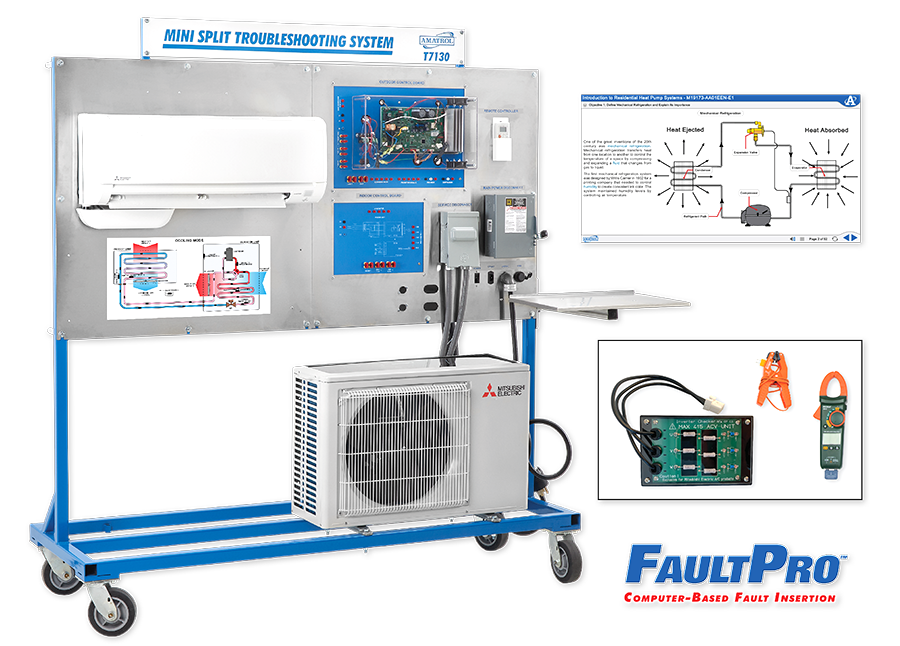
Credit: amatrol.com
Frequently Asked Questions
What Is The Most Common Problem With Mini Splits?
The most common problem with mini splits is electrical issues, like power surges or bad connections. Sensor malfunctions and outdoor unit blockages also cause performance problems. Regular cleaning and proper electrical checks help maintain efficient operation and prevent common failures.
How To Diagnose A Mini Split System?
Diagnose a mini split by checking power supply and circuit breaker first. Inspect filters and outdoor unit for blockages. Test remote control and thermostat settings. Listen for unusual noises. Call a professional if problems persist or if the unit fails to start.
How Do I Reset A Mini Split?
To reset a mini split, turn off the indoor unit using the remote. Switch off the circuit breaker for the unit. Wait a few minutes, then turn the breaker and unit back on. Some remotes have a reset button; press it if available.
Check your manual for model-specific steps.
What Is The $5000 Rule?
The $5000 rule suggests spending up to $5,000 on home improvements to increase property value effectively.
What Are Common Mini Split System Problems?
Electrical faults, sensor errors, and outdoor unit blockages are frequent issues. These can stop the system from working properly or reduce cooling efficiency.
Conclusion
Mini split troubleshooting can save time and money. Start by checking power and filters. Clear any debris around the outdoor unit. Make sure sensors work correctly for proper cooling. Resetting the system often fixes minor issues. Regular maintenance keeps your mini split running well.
When problems persist, contact a local HVAC expert. Simple steps can improve comfort and extend system life. Stay proactive to avoid big repairs later.