Is your Mitsubishi mini split acting up and leaving you wondering what’s wrong? You’re not alone.
These systems are great for keeping your home comfortable, but like any appliance, they can run into issues. Whether your unit isn’t cooling properly, the remote isn’t responding, or strange blinking lights have appeared, knowing how to troubleshoot these problems can save you time, money, and frustration.
In this Mitsubishi Mini Split Troubleshooting Guide, you’ll find simple, step-by-step solutions to common problems. By the end, you’ll feel confident diagnosing and fixing issues on your own—or knowing exactly when to call a professional. Keep reading to get your mini split back to perfect working order quickly and easily!
Common Issues
Mitsubishi mini split systems are reliable but may face common problems. Knowing these issues helps you fix them quickly. This guide highlights typical troubles and simple ways to spot them. Each problem affects comfort and system efficiency differently. Identifying the issue early saves time and money on repairs.
No Cooling Or Heating
The unit may stop cooling or heating due to power issues. Check if breakers or switches have tripped. Dirty filters block airflow and reduce performance. Thermostat settings might be incorrect or the system could be in standby mode. Sometimes, the compressor may fail and need professional service.
Water Leaks
Water leaks often come from clogged drain lines or frozen coils. Check if the drain pipe is blocked by dirt or algae. Ice buildup on the indoor coil melts and drips inside. Poor installation can cause improper drainage. Regular cleaning prevents leaks and keeps the system dry.
Remote Control Problems
Remote issues include unresponsive buttons or no signal. Replace remote batteries with fresh ones. Ensure the remote points directly at the unit sensor. Sometimes, the remote sensor on the unit is dirty or blocked. Resetting the remote by pressing the reset button may restore function.
Poor Performance
Poor performance happens when airflow is weak or uneven. Dirty air filters and blocked vents reduce efficiency. Outdoor units covered by debris or snow limit airflow. Incorrect system size or settings can also cause poor results. Regular maintenance keeps the mini split running smoothly.
Blowing Cold Air In Heat Mode
The unit may blow cold air due to low refrigerant or a faulty reversing valve. Thermostat settings might be off or the system may be in defrost mode. Check if the outdoor unit is covered in ice. Professional help is needed if refrigerant levels are low or parts fail.
Quick Fixes
Quick fixes can solve many common Mitsubishi mini split problems fast. These simple steps help restore comfort without waiting for a technician. Most fixes require little time and no special tools. Try these easy methods before calling for service.
Power Supply Checks
Check the main power switch for the mini split. Make sure circuit breakers have not tripped. Look for blown fuses or loose connections near the unit. A steady power supply is essential for operation. Reset breakers if needed and test power again.
Resetting The Unit
Turn off the mini split using the remote or power button. Wait about five minutes before turning it back on. This resets the system and clears minor errors. Resetting can restore normal function after power surges or glitches.
Cleaning Air Filters
Dirty filters reduce airflow and cooling power. Remove filters from the indoor unit. Wash them gently with water and mild soap. Let filters dry completely before reinstalling. Clean filters improve air quality and system efficiency.
Clearing Drain Lines
Drain lines can clog with dirt and cause water leaks. Locate the drain pipe under the indoor unit. Use a thin brush or pipe cleaner to remove blockages. Pour water through the drain to ensure it flows freely. Clear drains prevent water damage and mold growth.
Replacing Remote Batteries
Weak batteries can stop the remote from working properly. Open the battery compartment on the remote. Replace old batteries with fresh AAA batteries. Check the remote’s signal by pointing it at the unit. New batteries ensure smooth control of your mini split.
Error Codes
Error codes on Mitsubishi mini splits help identify issues quickly. The system shows these codes on the display or through blinking lights. Understanding these codes can save time and money. It guides you to the exact problem for faster repairs.
Reading error codes correctly prevents unnecessary guesses. It also helps maintain the unit’s lifespan. Each code points to a specific fault or warning that needs attention.
Common Mitsubishi Codes
Mitsubishi mini splits use numbers and letters as error codes. Some common ones include:
- P01: Indoor unit sensor error
- P04: Outdoor unit communication error
- P05: Outdoor unit sensor error
- P07: Compressor overload protection
- P10: Fan motor malfunction
Knowing these codes helps you recognize frequent problems fast.
Interpreting Error Signals
Error signals come as blinking lights or displayed codes. Each pattern means something specific. For example, a blinking green light might indicate a sensor issue. Steady red lights often signal a serious fault.
Check the unit’s manual for exact code meanings. Some codes require simple fixes. Others need professional help.
Steps To Resolve Errors
Start by turning off the mini split and unplugging it. Wait a few minutes, then restart the unit. This can clear minor errors.
Next, inspect filters and clean them if dirty. Check wiring connections for loose or damaged parts. Look for blocked vents or outdoor debris.
If the error persists, reset the system using the remote or control panel. For complex codes, contact a technician. Avoid ignoring error codes, as problems can worsen.
Outdoor Unit Care
The outdoor unit of your Mitsubishi mini split plays a vital role in system performance. Regular care helps avoid common issues and extends its lifespan. Simple maintenance tasks keep airflow steady and parts working well. Neglecting the outdoor unit can cause the system to work harder and use more energy.
Clearing Debris
Leaves, dirt, and grass can block the outdoor unit. Clear all debris around and on the unit. Use a soft brush or cloth to clean the surface gently. Avoid using strong water pressure as it may damage the fins. Keep at least two feet of space free around the unit to ensure good airflow.
Checking For Ice Or Snow
Ice or snow buildup reduces the unit’s efficiency. Inspect the outdoor unit during cold months. Remove any ice carefully using warm water or a soft cloth. Do not hit or chip away ice as it can harm the components. Consider using a cover designed for mini splits to protect from snow.
Inspecting Fan And Motor
Check the fan blades for dirt, damage, or bending. Clean blades with a damp cloth to remove grime. Turn the fan by hand to feel for smooth movement. If the fan feels stiff or noisy, the motor might need oil or replacement. Listen for unusual sounds that could signal motor issues early.
Indoor Unit Tips
The indoor unit of your Mitsubishi mini split plays a crucial role in delivering comfort. Proper care helps the unit run smoothly and avoid common issues. Small maintenance steps can improve airflow, fix sensor problems, and allow manual operation when needed. These tips help you keep the indoor unit working well and extend its life.
Airflow Maintenance
Clean the air filters regularly. Dust buildup blocks airflow and lowers cooling or heating. Remove filters and wash them with mild soap and water. Let them dry fully before reinstalling. Also, check the vents for dust or obstacles. Clear any items blocking airflow. Good airflow improves efficiency and comfort.
Sensor Issues
The indoor unit uses sensors to read room temperature. Dirt or damage can cause wrong readings. Gently wipe the sensor area with a soft cloth. Avoid touching or pressing the sensor too hard. If the unit behaves oddly, like turning on and off quickly, sensor problems may be the cause. Reset the system if needed to refresh sensor data.
Manual Operation Button Use
Your Mitsubishi mini split has a manual operation button on the indoor unit. Use it to start or stop the unit without the remote control. Press and hold the button for a few seconds. The unit will run in auto mode until you press the button again. This is helpful during remote issues or power resets.
Credit: www.richaircomfort.com
Electrical Troubleshooting
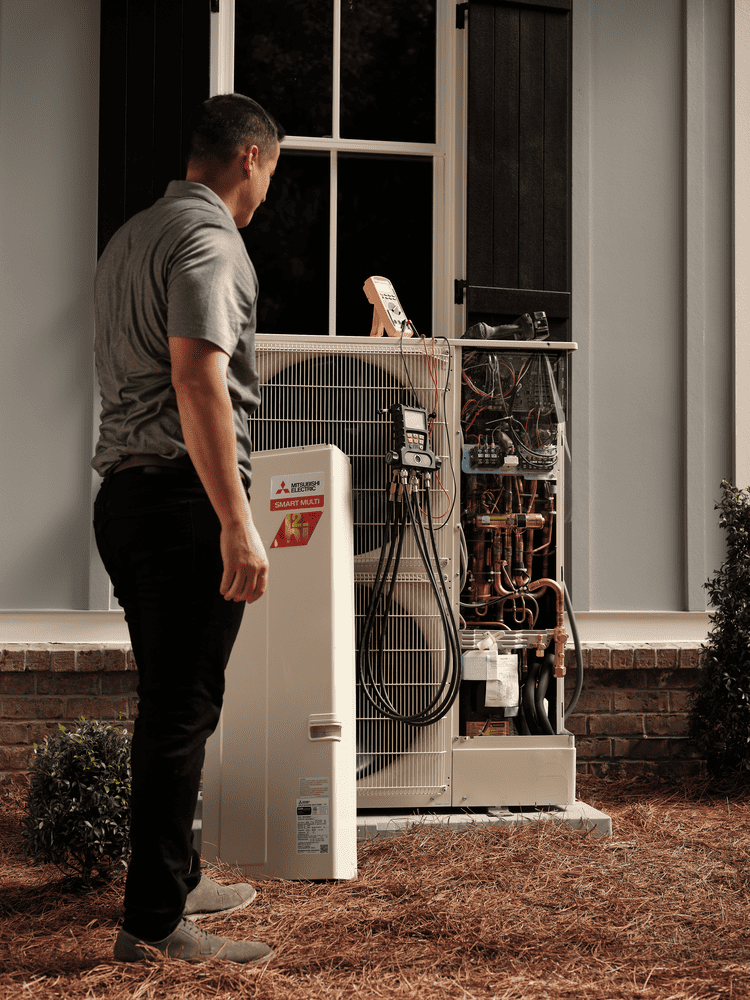
Electrical issues often cause Mitsubishi mini split units to stop working properly. Diagnosing these problems requires careful checking of electrical parts. This section guides you through basic electrical troubleshooting steps. Simple tests can reveal if contactors, capacitors, voltage levels, wiring, or communication signals cause the problem.
These checks help avoid unnecessary repairs and save money. Follow the instructions carefully to identify common electrical faults in your Mitsubishi mini split system.
Inspecting Contactor And Capacitor
Start by examining the contactor and capacitor. The contactor switches power to the compressor and fan motor. Look for signs of burning, pitting, or corrosion on the contactor. Damaged contactors may fail to close or open correctly.
The capacitor stores electrical energy to start motors. Use a multimeter to test capacitance. A weak or broken capacitor prevents the compressor or fan from starting. Replace faulty parts to restore proper function.
Verifying Voltage
Check voltage supply at the outdoor unit terminals. Use a voltmeter to measure voltage between power lines. Proper voltage ensures the system runs smoothly. Low or fluctuating voltage can cause the unit to stop working.
Also, confirm voltage matches the unit’s rating on the nameplate. Incorrect voltage damages electrical components. If voltage is off, inspect breakers, fuses, and power connections for faults.
Wiring And Communication Checks
Inspect wiring for loose or damaged connections. Poor wiring causes signal loss or power interruption. Tighten all terminal screws and connectors.
Communication wires link indoor and outdoor units. Faulty communication causes error codes and operation failure. Use a continuity tester to check wires between units. Replace broken or shorted cables.
Ensure wires are free from corrosion and properly insulated. Correct wiring and communication are vital for smooth mini split operation.
When To Call A Professional
Knowing when to call a professional for your Mitsubishi mini split saves time and prevents damage. Some problems need expert tools and skills to fix safely and correctly. Attempting complex repairs can lead to higher costs or system failure. This section highlights key signs that require professional help.
Refrigerant Leak Detection
Refrigerant leaks reduce cooling efficiency and harm the environment. Finding leaks needs special equipment and training. A professional can locate and fix leaks safely. Avoid handling refrigerants yourself due to health and legal risks.
Complex Electrical Problems
Mini splits have electrical components that control operation. Faulty wiring or damaged circuit boards cause failures. Diagnosing electrical issues requires knowledge and tools. A professional technician ensures repairs meet safety standards and prevents fire hazards.
Persistent Performance Issues
Continuous poor performance signals deeper problems. Issues like frequent shutting off, strange noises, or weak airflow need expert diagnosis. Professionals can test system parts and recommend proper repairs. Prolonged use without repair may lead to costly breakdowns.

Credit: device.report
Credit: www.alliancecc.com.au
Frequently Asked Questions
What Does The Blinking Light On A Mitsubishi Mini-split Mean?
The blinking light on a Mitsubishi mini-split signals system status or error codes. It indicates issues like sensor faults, airflow blocks, or electrical problems. Check the user manual for specific codes. Addressing blinking lights promptly helps maintain efficient operation and prevents further damage.
What Is The Most Common Problem With Mini Splits?
The most common problem with mini splits is airflow obstruction due to dirty filters or outdoor unit debris. This reduces efficiency and cooling performance.
How To Restart A Mitsubishi Mini-split?
To restart a Mitsubishi mini-split, turn off the unit and breaker. Wait one minute, then switch them back on. Use the remote or manual reset button to restart the system. Check settings and ensure power supply is stable.
Why Is My Mitsubishi Mini-split Not Kicking On?
Your Mitsubishi mini-split may not kick on due to power issues, faulty thermostat, dirty filters, or a damaged compressor. Check breakers, clean filters, and ensure correct remote settings. If problems persist, contact a professional for diagnosis and repair.
What Does A Blinking Light On Mitsubishi Mini Split Mean?
A blinking light usually signals a system error or maintenance need. Check your manual for specific blink codes. It helps identify the exact problem quickly.
Conclusion
Mitsubishi mini split issues often have simple fixes you can try first. Check power sources and remote settings carefully. Clean filters and clear vents to improve airflow. Watch for blinking lights; they signal specific problems. Regular maintenance helps prevent many common troubles.
When issues persist, contact a qualified technician for support. Staying informed keeps your system running smoothly and efficiently. This guide aims to make troubleshooting easier and less stressful.