Is your Morton water softener acting up and leaving you frustrated? You rely on this system every day to keep your water clean, soft, and free from minerals that cause buildup and damage.
When it stops working properly, it can disrupt your routine and affect your home’s water quality. But don’t worry—you don’t have to be an expert to fix common issues. In this guide, you’ll find straightforward, step-by-step troubleshooting tips directly from the Morton water softener manual.
Whether you’re dealing with salt bridging, low water pressure, or control panel glitches, you’ll learn how to identify the problem and get your system back on track quickly. Keep reading, and you’ll save time, avoid costly repairs, and enjoy soft water once again.

Credit: mortonwatersofteners.zendesk.com
Common Problems
Morton water softeners are reliable but can face some common issues. Knowing these problems helps you fix them quickly. This section covers typical faults and easy troubleshooting tips. Follow these steps to keep your system working well.
No Soft Water
The softener may stop producing soft water due to salt shortages or clogged valves. Check the salt level in the brine tank first. Clean the valves if they look dirty or blocked. Also, verify the system settings match your water hardness.
Salt Bridging And Mushing
Salt bridging happens when salt forms a hard crust inside the tank. It stops salt from dissolving properly. Break the crust gently with a broom handle. Mushing means salt turns into wet sludge at the bottom. Remove this and add fresh salt to fix the issue.
Low Water Pressure
Low pressure can come from clogged resin beads or dirty filters. Clean or replace the filters regularly. Backwash the resin tank to clear any blockages. Ensure the bypass valve is fully open for proper flow.
Brine Tank Overflow
Overflow happens when the float valve is stuck or the drain line is blocked. Check the float for free movement. Clear any clogs in the drain line. Adjust the float height if the water level is too high.
Salty Water Issues
If water tastes salty, the system may be regenerating too often or salt is leaking into the water. Check the regeneration frequency and lower it if needed. Inspect the injector and seals for leaks and replace if worn out.
System Not Regenerating
The softener might stop regenerating due to a power failure or timer issues. Confirm the system is plugged in and the control panel is working. Reset the timer to the correct regeneration cycle. Replace the control board if it is faulty.
Resin Bead Wear
Resin beads wear out over time and lose softening ability. Signs include hard water spots and soap scum. Test the water hardness regularly. Replace resin beads every 10 to 15 years to maintain soft water quality.
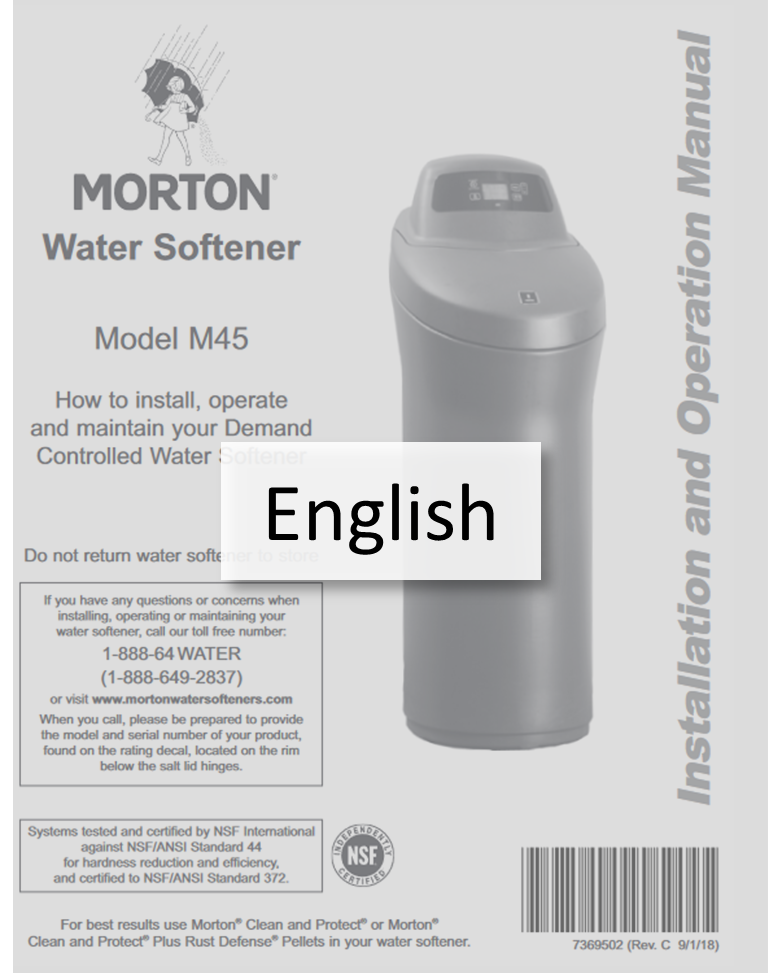
Credit: mortonwatersofteners.zendesk.com
Basic Troubleshooting Steps
Troubleshooting a Morton water softener can be simple with the right steps. Basic checks often solve common problems fast. This section guides you through easy fixes to keep your softener working well. Follow these steps carefully to spot and fix issues.
Checking Salt Levels
Salt is key to softener function. Open the brine tank and check the salt level. It should be above the water level. Low salt can stop the softener from working properly. Add more salt if levels are low. Use recommended salt types for best results.
Inspecting For Salt Bridges
Salt bridging happens when salt forms a hard crust. This blocks salt from dissolving in water. Gently tap the salt surface with a broom handle. If the salt feels hard or hollow underneath, a bridge may exist. Break the salt bridge carefully to restore salt flow.
Cleaning The Brine Tank
Clean the brine tank yearly to avoid salt buildup. Turn off the softener and empty the tank. Remove any sludge or sediment at the bottom. Wash the tank with mild soap and water. Rinse well before refilling with salt and water.
Resetting The Control Valve
The control valve controls regeneration cycles. Sometimes resetting it fixes errors. Find the reset button or option on the control panel. Press and hold to reset the system. This clears minor glitches and restarts normal operation.
Examining Water Pressure
Water pressure affects softener performance. Check the pressure with a gauge near the softener. Low pressure can reduce efficiency. Ensure valves are fully open and pipes are clear. Contact a plumber if pressure stays low.
Verifying Power Supply
The control valve needs power to work. Make sure the unit is plugged in properly. Check the outlet for power using a lamp or tester. Look for blown fuses or tripped breakers. Restore power to resume softener function.
Resetting Your Softener
Resetting your Morton water softener can fix many common issues. It clears errors and restores default settings. This helps the system work properly again. Follow simple steps to reset your softener safely. The process involves a factory reset, adjusting hardness levels, and restarting the display board.
Performing A Factory Reset
Start by locating the control panel on your softener. Press and hold the reset button for about 5 seconds. The display will show a signal, like “SoS,” indicating reset mode. Release the button and wait for the system to clear all settings. The softener returns to factory default, erasing previous errors.
This reset helps if the system is unresponsive or shows error codes. Avoid unplugging the unit during this process. After reset, you will need to reprogram your settings.
Adjusting Hardness Settings
Set the hardness level based on your water test results. Use test strips or a water report for accuracy. Enter the hardness value on the control panel. This tells the softener how much salt to use for softening. Proper settings improve water quality and system efficiency.
Hardness is measured in grains per gallon (gpg). Match this number closely to your water’s actual hardness. Incorrect settings cause poor softening or salt waste.
Restarting The Display Board
Restarting the display board can fix glitches or frozen screens. To do this, press and hold the “Select” button after the factory reset signal appears. The display will turn off and back on. This refreshes the system’s electronics.
Do not remove power during the restart. Wait for the screen to fully light up again. The softener is ready to use after this step.
Maintenance Tips
Proper maintenance keeps your Morton water softener running smoothly. Regular care prevents common issues and extends its lifespan. Follow these simple tips to maintain your system effectively. Small efforts lead to better water quality and fewer repairs.
Regular Cleaning Schedule
Clean your water softener at least once a year. Remove dirt and salt buildup inside the brine tank. Wipe the tank walls and lid with a damp cloth. Check for any salt bridges that block salt flow. Keeping the system clean improves softening performance.
Using Morton Cleanser
Use Morton Water Softener Cleanser to clean the resin tank. This product removes iron and mineral deposits inside the tank. Add the cleanser as directed in the manual. Regular use prevents resin damage and keeps the system efficient. Clean resin means softer water and longer equipment life.
Salt Type Recommendations
Choose the right salt to avoid system problems. Morton recommends using high-purity salt pellets or crystals. Avoid rock salt, which contains impurities that clog the system. Proper salt type helps the softener regenerate fully and prevents salt buildup. Always keep the salt level above the water level.
Servicing Control Valve
Check the control valve regularly for proper operation. Inspect for leaks, wear, or damage. Clean the valve screen to remove debris. Follow the manual instructions to service or reset the valve. A well-maintained control valve ensures correct regeneration cycles and water flow.
Checking Resin Tank Condition
Inspect the resin tank for signs of damage or resin breakdown. Resin beads lose effectiveness over time and may need replacement. Look for cloudy or rusty water, which signals resin issues. If softening performance drops, test the resin condition. Timely resin care keeps water soft and clean.
Optimizing Settings
Optimizing the settings on your Morton water softener ensures it works efficiently. Correct adjustments save salt and water while extending the system’s life. Proper settings also improve water quality, protecting your pipes and appliances.
Testing Water Hardness
Begin by testing the hardness of your water. Use test strips designed for water hardness. Dip the strip into a water sample and compare the color change to the chart. This step tells you how many grains per gallon (gpg) of hardness your water has. Knowing this helps set your softener correctly.
Calculating Compensated Hardness
Some water contains iron and manganese. These minerals also cause hardness and must be included in calculations. To find compensated hardness, add the iron content (in ppm) multiplied by 3 to the hardness number. This total gives a more accurate level of hardness your softener must handle.
Setting Softener For Your Water
Enter the compensated hardness number into your softener’s control panel. Follow the instructions in the manual for your model. Adjust the regeneration frequency based on your household water use. Proper settings reduce salt use and keep water soft consistently.
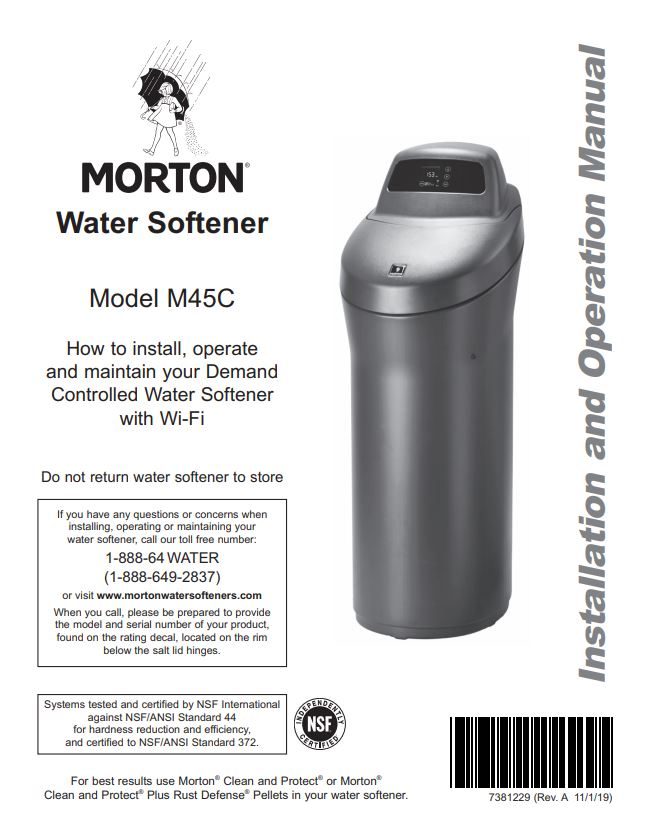
Credit: www.mortonwatersofteners.com
When To Call A Professional
Knowing when to call a professional for Morton water softener issues saves time and prevents damage. Some problems need expert skills beyond basic troubleshooting. Recognize the signs that require a technician’s help. This ensures your system works well and lasts longer.
Persistent Hard Water
Hard water continues despite regular softener use. This may signal a deeper problem. The resin bed might be worn out or clogged. A professional can test water hardness and inspect the system thoroughly. They can recommend repairs or replacements to restore water quality.
Repeated Salt Bridges
Salt bridges form hard crusts in the brine tank repeatedly. This blocks salt from dissolving properly. Simple fixes may not stop the problem if it happens often. Experts can clean the tank and check for causes like humidity or salt type. Proper maintenance advice helps prevent future salt bridges.
Mechanical Failures
The system may show errors or stop working. Valves, timers, or control heads can fail. These parts need special tools and knowledge to fix. Calling a technician avoids further damage and ensures correct repairs. Professionals can also update or replace outdated components.
Resin Replacement Needs
The resin beads lose effectiveness after years of use. Softening drops and water feels hard again. Resin replacement is a complex task requiring system disassembly. A trained technician handles this safely and efficiently. They also clean and inspect other parts during the process.
Frequently Asked Questions
How Do I Reset A Morton Water Softener?
To reset a Morton water softener, press the Up arrow until “SoS” appears. Then, press Select once to restart the display board. This action performs a factory reset and restores default settings.
What Is The Life Expectancy Of A Morton Water Softener?
A Morton water softener typically lasts 10 to 15 years. Regular maintenance and proper salt use extend its lifespan. Resin beads degrade over time, reducing effectiveness. Monitoring water hardness and servicing the system ensures optimal performance and longevity.
What Number Should Your Water Softener Be On?
Set your water softener to match your water hardness level, usually between 3 and 10 grains per gallon (gpg). Check your water test results and enter that number into the softener’s control panel for optimal performance.
What Are The Common Problems With Water Softener Systems?
Common water softener problems include salt bridging, no soft water, low pressure, brine tank overflow, leaks, and control valve issues. Poor salt quality, lack of maintenance, and worn resin beads often cause these. Regular cleaning and proper salt use prevent many problems.
How Do I Reset A Morton Water Softener Manually?
Press and hold the select button until the display resets. Use the up arrow to navigate to ‘SoS’. Press select again to restart the control board.
Conclusion
Troubleshooting your Morton water softener can save time and money. Follow the manual’s simple steps carefully. Regular checks prevent common issues like salt bridging or low water pressure. Keep the system clean and settings correct for best results. Small fixes often restore soft water quickly.
Stay patient and methodical while troubleshooting. Your water softener will work well longer with proper care. Clear water and soft clothes are worth the effort.