Is your motorhome’s converter acting up and leaving you in the dark—literally? When your RV’s power converter starts failing, it can disrupt everything from lighting to battery charging, turning your adventure into a frustrating experience.
But don’t worry—you’re not alone, and fixing it might be simpler than you think. In this guide, you’ll learn how to spot the warning signs, run quick and easy checks, and troubleshoot common issues step-by-step. Whether you’re dealing with flickering lights, strange noises, or a battery that won’t hold a charge, this article will empower you to regain control of your motorhome’s power system.
Keep reading to make sure your next trip stays powered up and stress-free.
Credit: www.rvrepairclub.com
Symptoms Of A Failing Converter
A motorhome converter plays a key role in powering your RV’s electrical systems. When it starts to fail, several signs appear. Recognizing these symptoms early helps prevent bigger problems. Here are the common symptoms of a failing converter to watch for.
Dim Or Flickering Lights
Lights that dim or flicker are a clear warning. This happens because the converter is not providing steady power. Interior bulbs may glow weakly or blink on and off. This affects appliances and devices connected to the RV’s electrical system.
Battery Charging Problems
The converter charges your RV’s battery. If the battery does not hold a charge or drains fast, the converter may be faulty. Low battery voltage readings, even when plugged in, also indicate trouble. These issues can leave you without power unexpectedly.
Unusual Noises And Smells
Buzzing, humming, or clicking noises from the converter unit are signs of trouble. Strange smells, like burning or melting plastic, also point to a failing converter. These symptoms mean the unit needs immediate attention to avoid damage or fire risks.
Overheating Converter Unit
A converter that feels hot or overheats is a serious problem. Overheating can damage internal parts and reduce the converter’s life. It also increases the risk of electrical fires. Check the unit regularly for excessive heat during operation.
Initial Checks Without Tools
Troubleshooting a motorhome converter starts best without any tools. Simple checks can reveal basic problems fast. These steps save time and avoid unnecessary repairs.
Start by confirming the power source is working. Next, look at fuses and breakers. Then listen for the converter’s fan. Finally, do a visual check of the wiring for obvious issues.
Verify Power Source
Check if the motorhome is plugged into shore power. Ensure the power supply is turned on. Test other appliances to confirm power presence. No power means the converter won’t work.
Inspect Fuses And Breakers
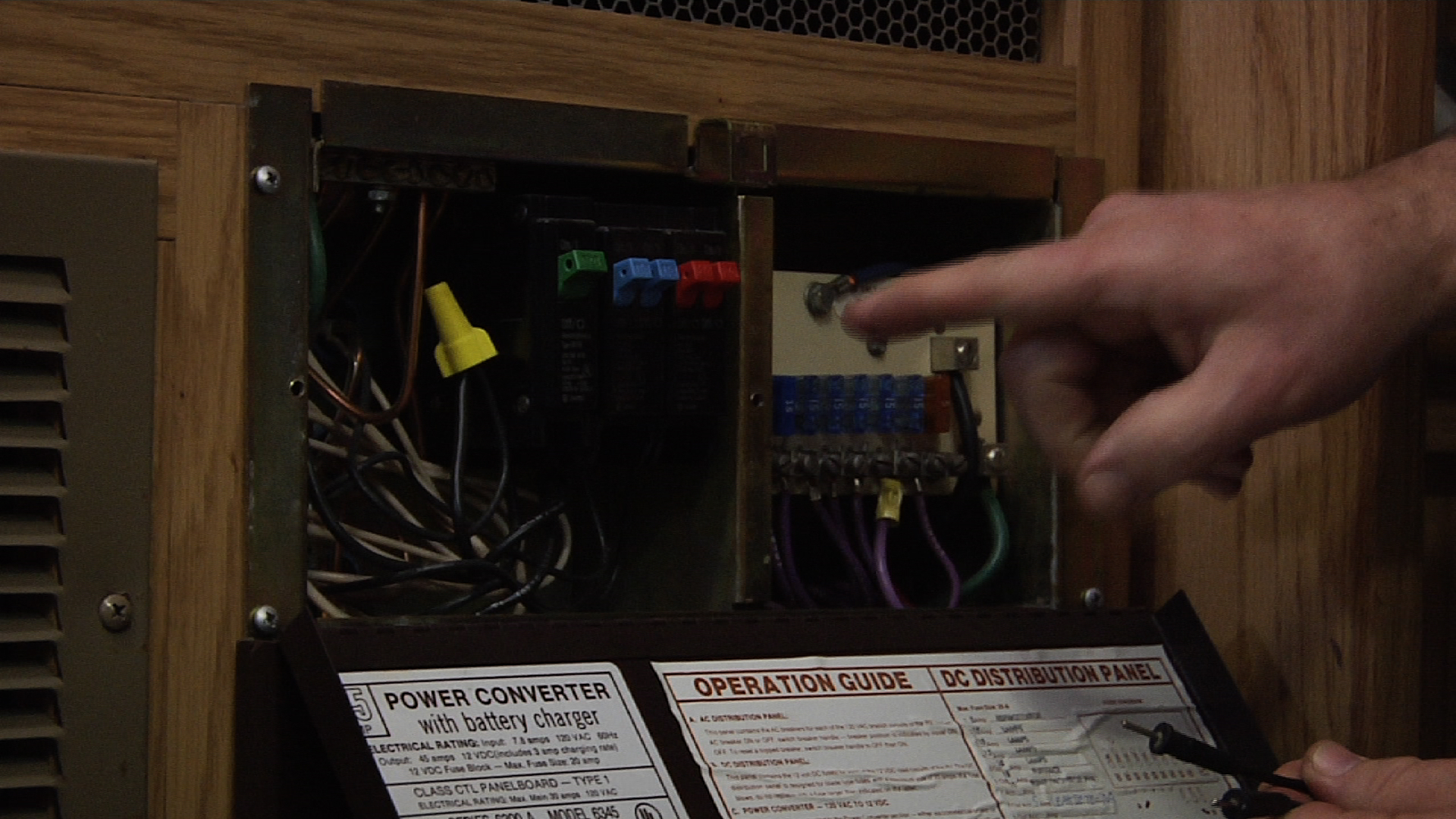
Look at the fuse panel for any blown fuses. Reset circuit breakers by switching them off and on. Faulty fuses or tripped breakers stop electricity flow to the converter.
Listen For Fan Operation
Turn on the converter and listen closely. The cooling fan should run quietly. No fan noise may indicate a faulty unit or overheating risk. A noisy fan can signal internal damage.
Visual Inspection Of Wiring
Check all visible wires connected to the converter. Look for loose, corroded, or burnt wires. Damaged wiring causes poor power delivery or shorts. Secure any loose connections you find.
Using A Multimeter
Using a multimeter is a simple and effective way to check your motorhome converter. It helps you find electrical problems quickly. A multimeter measures voltage, current, and resistance. This tool shows if power flows correctly through the converter and batteries.
Multimeters are easy to use. They give clear readings to understand the health of your RV’s electrical system. Follow safety steps to avoid shocks or damage. Testing various points in the converter system helps spot issues early.
Test Ac Input Voltage
Set your multimeter to measure AC voltage. Connect the probes to the converter’s AC input wires. Look for a reading close to your campsite’s power supply, usually 110-120 volts. If the voltage is low or missing, the problem may be with the power source or shore power connection.
Ensure the multimeter probes touch the right terminals. A wrong connection can give false readings. Always check for power before moving to the next test.
Measure Dc Output To Batteries
Switch the multimeter to DC voltage mode. Attach the probes to the battery terminals. The reading shows how much voltage the converter sends to the batteries. A healthy converter usually outputs around 13.5 to 14.5 volts to charge the batteries properly.
If the voltage is too low, the batteries may not charge well. Too high voltage can damage batteries. This test helps decide if the converter needs repair or replacement.
Check Converter Output Voltage
Measure the DC voltage at the converter output terminals. This confirms the converter’s actual power delivery. The voltage should match the battery charging range. Lower or no output means the converter may be faulty.
Check for loose wires or corrosion at the output terminals. These can cause voltage drops. Tight and clean connections ensure accurate readings and proper charging.
Credit: unitedrvparts.com
Common Converter Issues
Motorhome converters are vital for powering your RV’s electrical systems. They convert 120V AC from shore power into 12V DC for your RV’s batteries and appliances. Common issues can disrupt this process and cause power problems. Identifying these problems early helps avoid bigger repairs and keeps your motorhome running smoothly.
Blown Fuses And Tripped Breakers
Blown fuses and tripped breakers are frequent causes of converter failure. Fuses protect circuits by breaking the connection if current is too high. Breakers do the same but reset automatically or manually. Check your fuse panel or breaker box if power cuts out. Replace any blown fuses with the correct rating. Reset any tripped breakers to restore power.
Battery Overload And Deterioration
Converters can cause battery overload if they deliver too much current. Overcharging damages battery life and performance. Weak or old batteries struggle to hold charge and may overheat. Regularly test battery voltage and condition. Replace batteries that show signs of swelling, leaks, or slow charging. Proper battery care extends converter and system lifespan.
Fan Failures And Overheating
The converter’s cooling fan prevents overheating by moving air through the unit. Dust, dirt, or wear can cause fan failure. Overheating damages converter components quickly. Listen for unusual noises or silence from the fan. Feel the converter surface; it should not be too hot. Clean or replace fans as needed to avoid heat damage.
Internal Component Failures
Internal parts like capacitors, diodes, and transformers can fail over time. These failures cause flickering lights, no power output, or strange noises. Smell burning or see smoke near the converter? Turn off power immediately. Professional repair or replacement is often needed for internal faults. Regular maintenance helps catch these issues early.
Quick Fixes To Try
When your motorhome converter shows signs of trouble, some quick fixes can save time and hassle. These simple steps often restore power without needing expert help. Try these easy solutions before calling for repairs.
Resetting The Converter
Turn off the converter and unplug your motorhome from shore power. Wait for about 30 seconds to let the system reset. Plug it back in and switch on the converter. This process clears minor glitches and restores normal operation.
Replacing Blown Fuses
Locate the fuse panel in your motorhome. Check each fuse for visible damage or burn marks. Replace any blown fuses with ones of the same rating. This quick step often fixes power interruptions and protects your system.
Cleaning Battery Terminals
Disconnect the battery cables carefully. Use a wire brush or sandpaper to clean corrosion from the terminals. Apply a small amount of petroleum jelly to prevent future rust. Reconnect cables tightly to ensure good contact and steady power flow.
Ensuring Proper Ventilation
Check that the converter has enough airflow around it. Remove any objects blocking the vents or fans. Proper ventilation stops overheating and extends the converter’s life. Keep the area clean and free of dust buildup for best results.

Credit: www.youtube.com
Expert Troubleshooting Tips
Expert troubleshooting tips help keep your motorhome converter working well. Regular checks and simple fixes can prevent big problems. Following these steps saves time and money. Understanding key signs makes troubleshooting easier and safer.
Regular Maintenance Routines
Check your converter and connections monthly. Clean dust and dirt from vents and fans. Tighten loose wires and terminals to avoid sparks. Look for corrosion or wear on cables. Replace any damaged parts quickly. Regular maintenance stops many common failures.
Using Quality Replacement Parts
Use parts made for your motorhome model. Cheap parts can cause more damage. Match voltage and amperage ratings exactly. Genuine parts improve reliability and safety. Keep original manuals to find correct parts. Quality replacements extend the converter’s life.
Monitoring Battery Health
Test your battery voltage regularly with a multimeter. Low voltage can strain the converter. Clean battery terminals to ensure good contact. Check fluid levels in lead-acid batteries. Replace old or weak batteries promptly. Healthy batteries reduce converter workload and improve power flow.
When To Seek Professional Help
Call a technician if you hear unusual noises or smell burning. Avoid fixing complex electrical issues yourself. Professionals have tools to test and repair safely. Persistent flickering lights or frequent fuse blows need expert care. Early professional help prevents costly damage.
Frequently Asked Questions
How To Tell If An Rv Power Converter Is Bad?
Signs of a bad RV power converter include dim or flickering lights, battery not charging, overheating unit, unusual noises, and a burning smell. Check fuses, listen for fan operation, and test voltage with a multimeter to confirm converter failure.
How Do I Reset An Rv Converter?
To reset an RV converter, turn off the main power and unplug the RV. Wait 5 minutes, then reconnect and turn power back on. Check fuses and circuit breakers before restarting. This process helps clear minor faults and restores normal converter function.
How Do I Tell If My Inverter Is Bad?
Check for dim or flickering lights, overheating, unusual noises, burning smell, or low battery voltage. Use a multimeter to test output.
Why Do Rv Converters Fail?
RV converters fail mainly due to battery wear, overload from excessive power draw, overheating, or lack of maintenance.
What Are Common Signs Of A Faulty Motorhome Converter?
Dim or flickering lights and appliances struggling to work indicate converter issues. Batteries not holding charge or draining fast also signal problems. Unusual noises or a burning smell from the converter are warning signs.
Conclusion
Troubleshooting your motorhome converter helps keep your RV running smoothly. Regular checks prevent bigger electrical problems later. Simple steps like testing fuses and listening for unusual sounds matter. Knowing warning signs saves time and money on repairs. Stay safe by addressing issues early and keeping batteries healthy.
A well-maintained converter ensures reliable power for your trips. Keep your motorhome comfortable with steady electricity flow. Remember, small fixes today avoid costly problems tomorrow.