Is your Nissan Xterra acting up, leaving you frustrated and unsure of what to do next? Whether your engine won’t start, the check engine light keeps flashing, or you’re hearing strange noises under the hood, these issues can quickly turn your reliable SUV into a headache.
But don’t worry—you’re not alone, and you don’t have to spend a fortune at the mechanic just yet. In this guide, you’ll discover straightforward troubleshooting tips tailored specifically for your Nissan Xterra. By understanding the most common problems and how to identify them, you’ll gain the confidence to tackle these issues head-on and keep your Xterra running smoothly.
Ready to take control of your vehicle’s health? Let’s dive in and solve those Nissan Xterra troubles together.
Credit: circuitboardmedics.com
Starting Problems
Starting problems in a Nissan Xterra can be frustrating. The engine may not crank or turn over. This issue often points to electrical components that need attention. Identifying the exact cause can save time and money. Common culprits include the battery, alternator, and starter motor. Each part plays a vital role in starting the vehicle. Understanding their functions helps in troubleshooting and fixing the problem quickly.
Dead Battery Issues
A dead battery is the most common cause of starting problems. Batteries lose charge over time or due to extreme weather. Signs include dim lights and slow engine crank. Testing the battery voltage reveals if it needs replacing. Corroded battery terminals can also block power flow. Cleaning terminals and securing connections might restore power. Jump-starting the vehicle provides a temporary fix but check the battery health soon.
Alternator Failures
The alternator charges the battery while driving. A failing alternator causes the battery to drain quickly. You may notice flickering dashboard lights or electrical issues. The engine might stall due to low power supply. Testing the alternator output confirms if it is faulty. Replacing a bad alternator restores proper charging. Regular alternator checks prevent unexpected starting problems.
Starter Motor Troubles
The starter motor turns the engine over to start it. A worn or damaged starter can cause clicking sounds or no response when turning the key. Loose or corroded starter connections can also prevent starting. Testing the starter motor ensures it is working correctly. Replacing the starter motor often solves persistent starting issues. Regular maintenance keeps the starter in good condition and reliable.
Engine Performance
The engine performance of your Nissan Xterra plays a key role in its overall driving experience. A well-running engine ensures smooth rides and better fuel efficiency. Problems with engine performance can cause rough idling, loss of power, or stalling. Understanding common issues helps you troubleshoot effectively and keep your Xterra reliable on the road.
Fuel System Troubles
Fuel system problems often reduce engine power and cause stalling. A clogged fuel filter can block fuel flow, making the engine struggle. The fuel pump may fail to deliver enough fuel to the engine. Dirty or faulty fuel injectors can cause uneven fuel spray, leading to misfires. Checking these parts ensures your engine gets the right fuel supply.
Ignition System Faults
The ignition system lights the fuel-air mix in the engine. Faulty spark plugs can cause weak or no sparks, resulting in poor engine performance. Bad ignition coils may lead to misfires and rough running. Worn spark plug wires can disrupt the ignition process. Inspecting and replacing faulty ignition parts improves engine power and smoothness.
Engine Sputtering Causes
Engine sputtering can feel like shaking or jerking while driving. It often starts from fuel problems like dirty injectors or a weak fuel pump. Ignition faults such as worn spark plugs also cause sputtering. Vacuum leaks can let extra air into the engine, disturbing the fuel mix. Identifying the exact cause helps fix sputtering and restores smooth driving.
Fuel System Faults
The fuel system in your Nissan Xterra plays a vital role in engine performance. Problems in this system can cause rough idling, poor acceleration, or even a no-start condition. Identifying fuel system faults early helps avoid costly repairs. This section covers common fuel system issues and how to troubleshoot them effectively.
Fuel Pump Problems
The fuel pump delivers gas from the tank to the engine. A failing pump can cause weak fuel pressure and engine hesitation. Symptoms include sputtering, stalling, or difficulty starting. Listen for a humming sound near the fuel tank when you turn the key. No sound may indicate a bad pump or blown fuse. Testing fuel pressure with a gauge confirms pump health.
Fuel Injector Failures
Fuel injectors spray fuel into the engine’s cylinders. Dirty or clogged injectors reduce fuel flow and cause misfires. Signs include rough idle, poor fuel economy, and engine hesitation. Cleaning injectors with a fuel additive may help. Severe cases require injector replacement. Regular maintenance prevents injector issues and keeps the engine running smoothly.
Fuel Filter Clogging
The fuel filter traps dirt and debris before fuel reaches the engine. A clogged filter restricts fuel flow and causes engine performance problems. Symptoms include hard starting, loss of power, and stalling. Replacing the fuel filter at recommended intervals keeps fuel flowing freely. Ignoring this can strain the fuel pump and damage injectors.

Credit: www.ifixit.com
Cooling System Issues
The Nissan Xterra relies heavily on its cooling system to keep the engine at the right temperature. Cooling system issues can cause the engine to overheat. Overheating leads to engine damage and costly repairs. Understanding common problems in the cooling system helps in quick troubleshooting. Here are some typical cooling system issues found in the Nissan Xterra.
Coolant Leaks
Coolant leaks reduce the cooling system’s efficiency. They usually appear as puddles under the vehicle. Common leak points include hoses, water pump, and radiator. Low coolant levels cause engine overheating and poor heater performance. Inspect hoses for cracks or loose clamps. Replace damaged parts immediately to avoid engine damage.
Radiator Malfunctions
The radiator cools the engine by dissipating heat from coolant. Radiator malfunctions block this process. Signs include coolant loss, engine overheating, and steam from the hood. Clogged or damaged radiator fins reduce airflow. Radiator leaks lead to low coolant levels. Flushing the radiator or replacing it may solve these issues.
Heater Core Breakage
The heater core warms the cabin using engine heat. A broken heater core causes coolant leaks inside the vehicle. You may notice a sweet smell or foggy windows. The heater may stop producing warm air. Repairing or replacing the heater core is necessary. Ignoring this issue can damage other components and reduce comfort.
Transmission Concerns
The Nissan Xterra’s transmission is vital for smooth driving. Problems here can cause serious trouble. Early diagnosis helps avoid costly repairs. Watch for warning signs to maintain performance and safety.
Transmission Cooler Failures
The transmission cooler keeps fluid temperature low. Failure can cause overheating and damage. Watch for transmission fluid that smells burnt or looks dark. Overheating may trigger slipping or rough shifting. Replace or repair the cooler to protect the transmission.
Shifting Problems
Hard or delayed shifting signals transmission issues. The Xterra may hesitate or jerk between gears. Check transmission fluid level and condition first. Low or dirty fluid often causes shifting problems. Persistent issues need professional inspection and repair.
Fluid Leaks
Leaks reduce fluid levels and harm transmission health. Look under the vehicle for red or brown stains. Common leak points include seals and gaskets. Address leaks quickly to prevent internal damage. Regular fluid checks help spot leaks early.
Sensor And Electrical Problems
Sensors and electrical parts control many functions in your Nissan Xterra. Problems in these areas can cause poor performance. Electrical issues often trigger warning lights on the dashboard. Diagnosing these problems early helps avoid costly repairs and unsafe driving. Below are common sensor and electrical problems found in the Xterra.
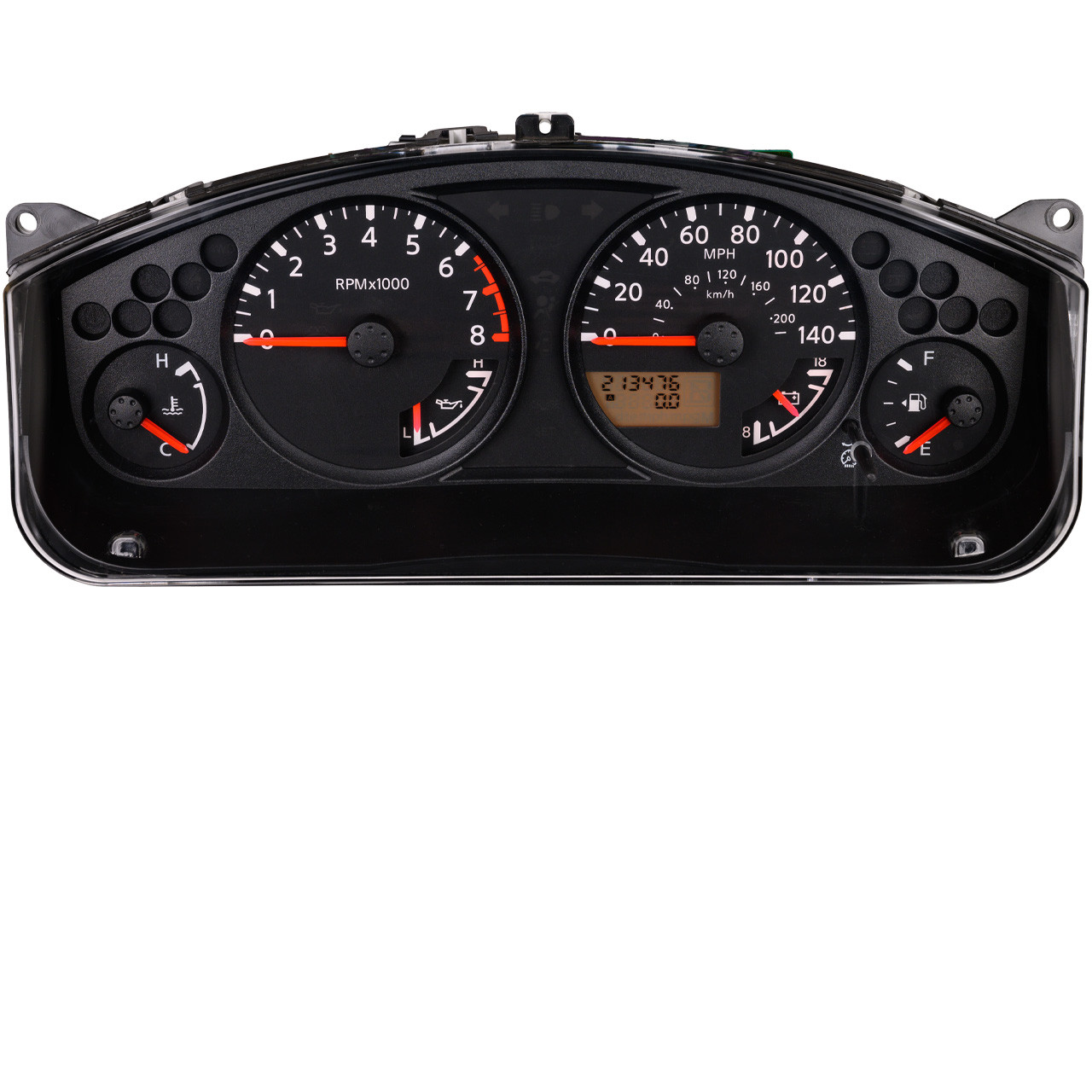
Faulty Fuel Level Sensor
The fuel level sensor measures how much fuel is in the tank. A faulty sensor may send wrong signals to the gauge. This can cause the fuel gauge to show empty or full incorrectly. Drivers might run out of gas unexpectedly. Replacing the fuel level sensor restores accurate fuel readings and prevents surprises.
Knock Sensor And Wiring
The knock sensor detects engine knocking or pinging sounds. Bad wiring or a broken sensor can cause poor engine timing. This leads to rough running and reduced fuel efficiency. A faulty knock sensor also triggers the check engine light. Repairing the sensor or its wiring keeps the engine running smoothly.
Cam And Crank Sensor Issues
The camshaft and crankshaft sensors monitor engine position and speed. Problems with these sensors may cause the engine to stall or not start. Faulty sensors can also trigger warning lights and cause misfires. Testing and replacing damaged sensors helps the engine run properly and start reliably.
Timing Chain Troubles
The timing chain in your Nissan Xterra plays a vital role in engine performance. It synchronizes the rotation of the crankshaft and camshaft. Problems with the timing chain can cause serious engine issues. Recognizing early signs helps prevent costly repairs and engine failure.
This section covers common timing chain troubles found in Nissan Xterra models. Focus areas include the secondary timing chain tensioner, timing chain wear, and noises from the engine front. Understanding these helps you diagnose and address issues quickly.
Secondary Timing Chain Tensioner
The secondary timing chain tensioner keeps the chain tight and prevents slack. A faulty tensioner causes the chain to loosen. This leads to poor engine timing and rough running. You may hear rattling sounds from the engine. Replacing a bad tensioner restores proper chain tension and smooth engine function.
Timing Chain Wear
Over time, the timing chain wears down and stretches. A stretched chain affects valve timing accuracy. This causes engine misfires and reduced power. Signs of wear include uneven idling and trouble starting the engine. Regular inspections can detect wear early. Changing the chain before failure avoids major damage.
Noise From Engine Front
Rattling or knocking sounds from the engine front often indicate timing chain issues. The noise grows louder during startup or acceleration. It may signal loose chain links or worn guides. Ignoring these sounds risks chain jumping or breaking. Immediate attention prevents engine damage and costly repairs.

Credit: www.youtube.com
Quick Diagnostic Tips
Quick diagnostic tips help solve common Nissan Xterra problems fast. They point you to the root cause without guesswork. This saves time and money on repairs. Focus on simple checks anyone can do with basic tools. These tips cover scanning for codes, fuel pressure, and electrical parts like wiring and relays.
Scanning For Codes
Start by connecting an OBD-II scanner to the Xterra’s port. The scanner reads error codes from the engine computer. Codes reveal specific issues like sensor failures or misfires. Write down the codes and look up their meanings online. Clear the codes after repairs and check if they return. This step guides you to fix problems accurately.
Checking Fuel Pressure
Fuel pressure affects engine performance and starting. Attach a fuel pressure gauge to the fuel rail test port. Turn the ignition on without starting the engine. Watch the gauge for the pressure reading. Compare it to Nissan’s recommended range. Low pressure points to a bad fuel pump, clogged filter, or leaking lines. Fixing fuel issues often stops sputtering and stalling.
Testing Wiring And Relays
Electrical faults cause many Xterra troubles. Inspect wiring for broken or loose connections. Use a multimeter to test wires for continuity. Check relays by swapping them with known good ones. Listen for clicking sounds when you turn the key. Faulty relays or wires can stop fuel delivery or ignition. Replacing bad parts restores proper electrical flow.
Diy Repairs And Tools
DIY repairs on your Nissan Xterra can save money and increase your vehicle knowledge. Many common problems are fixable with basic tools and clear steps. This section covers essential tools, step-by-step fixes, and safety tips to help you repair your Xterra confidently. Simple maintenance and small repairs become easier with the right guidance.
Step-by-step Fixes
Start by identifying the problem with your Nissan Xterra. Use a diagnostic tool or check for warning lights. Gather needed parts before beginning the repair. Follow clear steps to avoid mistakes. For example, to replace spark plugs:
- Remove the engine cover carefully.
- Disconnect the spark plug wires one at a time.
- Use a spark plug socket to remove old plugs.
- Install new spark plugs and tighten them properly.
- Reconnect wires and replace the engine cover.
Repeat similar steps for other simple fixes like changing filters or checking fluids. Take your time and work methodically.
Essential Tools
Keep a set of basic tools ready for Nissan Xterra repairs. A socket wrench set with various sizes is key. Screwdrivers, pliers, and a torque wrench also help. A diagnostic scanner can read engine codes. A jack and stands are necessary for work under the vehicle. Gloves and rags keep you clean. Having these tools on hand makes repairs smoother and safer.
Safety Precautions
Always work in a well-lit, ventilated space. Wear gloves and safety glasses to protect your hands and eyes. Disconnect the battery before electrical repairs. Use jack stands to support the vehicle securely. Avoid loose clothing that can catch on parts. Follow instructions carefully to prevent injury. Safety comes first in every repair task.
Frequently Asked Questions
What Is The Most Common Problem With The Nissan Xterra?
The most common problem with the Nissan Xterra is a faulty fuel level sensor causing check engine lights. Other issues include starting failures and engine stalling.
Why Won’t My Nissan Xterra Start?
A Nissan Xterra won’t start due to a dead battery, faulty starter, or alternator issues. Check fuel and ignition systems.
What Years To Avoid For Nissan Xterra?
Avoid Nissan Xterra models from 2005 and 2006 due to transmission and timing chain issues. Also, 2010 models have reported cooling system problems. Choose later years for better reliability and fewer repairs.
Why Is My Nissan Sputtering At Idle?
Your Nissan sputters at idle due to fuel system issues like clogged filters, failing fuel pump, or faulty injectors. Ignition problems such as worn spark plugs or bad ignition coils also cause sputtering. Check both fuel and ignition components to fix idle sputtering effectively.
What Causes Nissan Xterra Not To Start?
A dead battery, bad alternator, or failed starter often cause no start. Check battery health and starter connections first.
Conclusion
Nissan Xterra troubleshooting helps keep your vehicle running smoothly. Identifying common issues saves time and money. Simple checks like battery health and fuel system condition matter. Pay attention to warning signs such as engine sputtering or starting problems. Regular maintenance prevents many breakdowns.
Use clear guides and reliable advice for repairs. Stay calm and approach problems step-by-step. This way, you can enjoy your Nissan Xterra longer and safer.