Is your dryer running but refusing to heat? That frustrating moment when your clothes come out damp despite the machine spinning away is all too common.
You rely on your dryer daily, and when it stops producing heat, it can throw your entire routine off balance. But before you rush to call a repair service or buy a new unit, there’s good news—you might be able to fix the problem yourself.
In this guide, you’ll discover simple, effective troubleshooting steps to pinpoint why your dryer has no heat and how to get it working again quickly. From easy checks to identifying key components, we’ll walk you through the most common causes and solutions, saving you time and money. Ready to bring warmth back to your laundry? Let’s dive in.
Credit: mastersamuraitech.com
Common Causes Of No Heat
When a dryer runs but does not produce heat, the cause is often one of several common issues. Understanding these problems can help you diagnose and fix the dryer quickly. Many dryers stop heating due to safety features triggered by airflow problems or electrical faults. Identifying the root cause saves time and prevents costly repairs.
Clogged Vent System
A clogged vent blocks hot air from escaping the dryer. Lint buildup in the vent reduces airflow and causes overheating. This triggers the dryer’s safety mechanisms to cut off heat. Regular vent cleaning prevents this issue and improves dryer efficiency.
Blown Thermal Fuse
The thermal fuse protects the dryer from overheating. It blows if the dryer gets too hot, often due to blocked vents. A blown fuse stops the dryer from heating at all. Replacing the thermal fuse usually restores heat and prevents damage.
Failed Heating Element
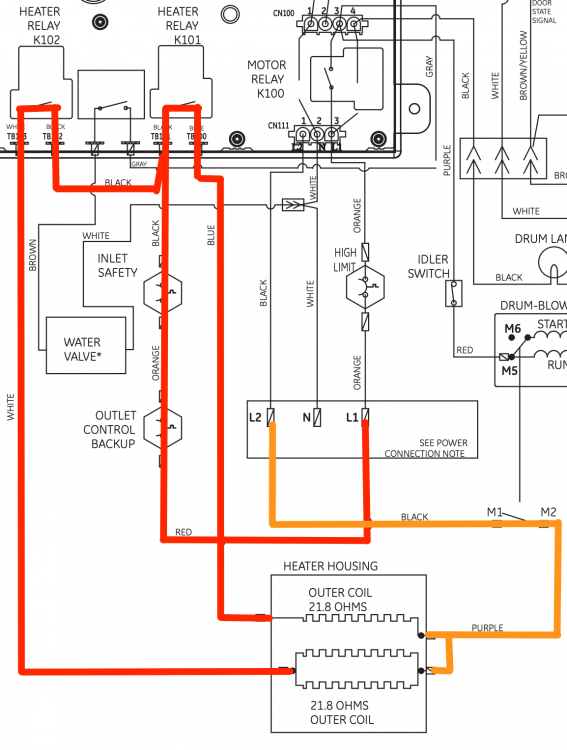
The heating element creates the hot air inside the dryer. If it burns out or breaks, the dryer runs without heat. Testing the element with a multimeter shows if it is faulty. A new heating element is an affordable and common fix.
Electrical Issues
Electrical problems can stop the dryer from heating. A tripped circuit breaker or blown fuse in the home’s panel may cut power to the heating system. Loose or damaged wiring inside the dryer also causes heat failure. Checking power supply and connections helps find electrical faults.
Simple Checks Without Tools
When your dryer does not heat, start with simple checks you can do yourself. These checks need no tools and save time and money. They help spot common problems before calling a technician. Follow easy steps to see if your dryer settings or power supply cause the issue.
Cycle Setting Verification
Check the dryer cycle settings first. Make sure the cycle is not set to “air fluff” or “no heat.” These modes dry clothes without heat. Switch to a normal or timed drying cycle. This simple step often solves no-heat problems.
Lint Screen Cleaning
Remove and clean the lint screen after every load. A clogged lint screen blocks airflow and stops heating. Rinse it with water and remove all lint. Dryers work better with clean screens and reduce fire risk.
Circuit Breaker Inspection
Check your home’s circuit breaker panel. Dryers need two power fuses to heat. A tripped breaker may cut heat power. Reset any tripped breakers by switching off and on again. If the breaker trips again, call an electrician.
Component Issues Needing Disassembly
Component issues often cause a dryer to run without heat. Fixing these problems requires disassembly. Careful inspection of internal parts helps identify faults. Some parts wear out or break over time. Testing and replacing damaged components can restore heat function. Always unplug the dryer before opening it. Safety first to avoid electric shock or injury.
Testing The Thermal Fuse
The thermal fuse protects the dryer from overheating. It is a small, white or oval component. Use a multimeter to test its continuity. No continuity means the fuse is blown. Replace the thermal fuse with an exact match. A blown fuse stops the dryer from heating.
Inspecting The Heating Element
The heating element produces the dryer’s heat. It looks like a coil or wire loop. Check for breaks or burn marks on the element. Use a multimeter to test for continuity. No continuity means the element is faulty. Replace the heating element to restore heat.
Checking Thermostats And Sensors
Thermostats and sensors control the dryer’s temperature. They switch the heating element on and off. Test each thermostat with a multimeter for continuity. A broken thermostat may cause no heat. Sensors can also fail and need replacement. Proper temperature control prevents overheating and no heat issues.
Examining The Power Cord
The power cord supplies electricity to the dryer. Inspect the cord for damage or burns. Check the plug and outlet for loose connections. Use a multimeter to test the cord’s continuity. A faulty power cord can stop the heating element. Replace damaged cords to ensure safe operation.
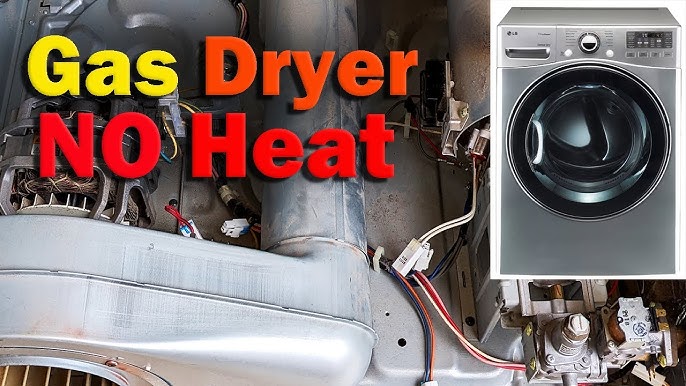
Credit: www.youtube.com
Fixing Airflow Problems
Airflow problems often cause a dryer to run without heat. Proper airflow allows warm air to circulate inside the dryer drum. Blocked or restricted airflow stops the dryer from heating effectively. Fixing airflow issues can restore your dryer’s heating function and improve drying time. Focus on cleaning and ventilation to solve most airflow problems.
Cleaning Lint Screens And Vents
Lint buildup blocks airflow in dryers. Clean the lint screen before every load. Remove all lint from the screen and edges. Check the vent hose behind the dryer for lint clogs. Use a vacuum or brush to clear lint from the vent. A clean vent lets hot air escape easily. This reduces drying time and prevents overheating.
Maintaining Proper Ventilation
Dryers need good ventilation to work well. Make sure the vent hose is not bent or crushed. Straighten any kinks to allow smooth air flow. Check the outside vent flap to ensure it opens freely. Clear any debris or nests blocking the vent outside. Replace old or damaged vent hoses with new ones. Proper ventilation keeps air flowing and the dryer heating efficiently.
Diy Repairs And Replacement Kits
DIY repairs save money and reduce downtime for your dryer. Replacement kits include all necessary parts. These kits simplify fixing common heating issues. Understanding each part helps in choosing the right kit. Basic tools and clear instructions make DIY fixes easier. Follow safety steps like unplugging before starting repairs. This section guides you through choosing and installing key components.
Choosing The Right Replacement Parts
Match parts exactly to your dryer’s model number. Use manuals or manufacturer websites for accurate info. Avoid generic parts; they may not fit or work well. Heating elements, thermal fuses, and thermostats are common parts to replace. Buy from trusted suppliers for quality and warranty. Check part reviews to ensure reliability and compatibility.
Step-by-step Heating Element Replacement
Unplug the dryer to prevent electric shock. Remove the back panel or access door carefully. Locate the heating element, usually a coiled wire. Disconnect wires and screws holding the element. Take out the old element gently without damage. Install the new element by reversing removal steps. Secure wires and screws tightly to ensure connection. Replace the panel and test the dryer by running a cycle.
Thermal Fuse And Thermostat Installation
Identify the thermal fuse and thermostat near the heating element. Use a multimeter to check if these parts are faulty. Unplug the dryer before any work. Remove wires and screws securing the faulty parts. Install new thermal fuse and thermostat in the same positions. Connect wires firmly to avoid loose contacts. Reassemble the dryer and run a test cycle. Proper installation restores dryer heat and safety functions.
When To Call A Professional
Knowing when to call a professional for no heat dryer problems saves time and avoids risks. Some issues need expert tools and skills. Trying complex fixes alone can cause more damage or injury. Recognizing these signs helps keep your home safe and your dryer working well.
Handling Electrical Issues Safely
Electrical problems can be dangerous. Faulty wiring or a damaged power cord might cause no heat. Professionals have the training to handle these safely. They use proper tools to check voltage and wiring connections. Avoid opening electrical parts yourself. This reduces the risk of shock or fire.
Complex Component Failures
Some dryer parts are hard to access or test. Problems with the heating element, thermal fuse, or control board need expert diagnosis. Professionals know how to remove and replace these parts without damage. They ensure the dryer works correctly after repair. Calling a technician prevents costly mistakes and keeps your dryer safe.
Resetting Safety Devices
Resetting safety devices is a key step in fixing a dryer that has no heat. These devices protect your dryer from overheating and electrical faults. Sometimes, they trip or blow and stop the dryer from heating. Resetting them can restore normal function without needing a full repair. This saves time and effort. Follow these simple steps to reset common safety devices in your dryer.
Thermal Cut-off Reset Procedures
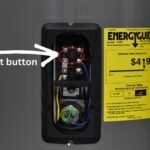
The thermal cut-off stops the dryer if it gets too hot. It acts like a safety switch. To reset it, first unplug the dryer from power. Then, locate the thermal cut-off on the heating element housing or blower housing. Use a multimeter to test it for continuity. If it is open, you must replace it. Some models have a reset button on the thermal cut-off. Press it firmly to reset. Plug the dryer back in and test if the heat returns.
Circuit Breaker Reset Tips
Dryers often have a dedicated circuit breaker in the electrical panel. This breaker may trip from overload or short circuits. Find your home’s breaker box and look for the dryer’s breaker. If it is in the “off” or middle position, switch it fully off then back on. This resets the breaker. Make sure the dryer is unplugged before resetting for safety. After resetting, plug the dryer in and run a test cycle. If the breaker trips again, call an electrician.
Checking For Reset Buttons
Many modern dryers include built-in reset buttons for safety devices. These buttons are usually red or yellow and located near the heating element or motor. Unplug the dryer before searching. Press the reset button firmly if you find one. This can reset thermal fuses or motors that have overheated. After pressing the button, plug the dryer back in. Start the dryer and check if it heats up. If the problem remains, other parts may need inspection.

Credit: www.whirlpool.com
Frequently Asked Questions
Why Is My Dryer Running But Not Heating?
Your dryer runs but doesn’t heat due to clogged vents, a blown thermal fuse, a broken heating element, or electrical issues. Clean lint filters and vents first, then check the breaker. Replace faulty parts to restore heat.
How To Reset Dryer Heating Element?
You cannot directly reset a dryer heating element. Instead, inspect and replace it if faulty. Always clear lint and check related fuses first.
How To Tell If A Dryer Thermal Fuse Is Blown?
Test the thermal fuse with a multimeter for continuity; no reading means it’s blown. Also, check if the dryer runs but doesn’t heat. Replace the fuse if airflow issues caused it to blow.
Is It Worth Fixing A Dryer That Doesn’t Heat?
Fixing a dryer that doesn’t heat is worth it if repair costs are low and parts are available. Clean vents first. Replace faulty heating elements or fuses to restore function. Consider professional help for electrical issues.
Why Is My Dryer Running But Not Heating?
A clogged vent or lint buildup often stops heating. Check the lint screen and vent for blockages first. Faulty heating elements or blown thermal fuses may also cause this issue.
Conclusion
No heat in your dryer can feel frustrating and slow down chores. Start with simple steps like cleaning lint and checking settings. Most heating issues come from blocked vents or faulty parts. Testing the thermal fuse and heating element helps find the problem.
Small repairs often save money and time. Still stuck? Calling a professional ensures safety and proper repair. Regular maintenance keeps your dryer working well longer. Stay patient and follow the steps carefully to get warm clothes again.