No hot water at home can turn your day upside down. Imagine stepping into a cold shower or struggling to wash dishes without warm water—it’s frustrating and inconvenient.
But before you rush to call a plumber, there are simple steps you can take to troubleshoot the problem yourself. In this guide, you’ll learn how to quickly check your water heater’s power supply, reset it safely, and spot common issues that might be causing the cold water.
By following easy-to-understand tips, you could fix your hot water problem fast and save time and money. Keep reading to get your warm water flowing again without stress!

Credit: rathinambschool.com
Check Power And Gas Supply
Checking the power and gas supply is the first step in fixing no hot water issues. Without electricity or gas, water heaters cannot work properly. A quick check can save time and avoid costly repairs.
Electric water heaters depend on a steady power source. Gas water heaters need an open gas valve and a lit pilot light. These simple checks help identify common problems fast.
Inspect Circuit Breaker For Electric Heaters
Look at your home’s electrical panel for the water heater breaker. The breaker may trip due to a power surge or short circuit. A tripped breaker stops electricity flow to the heater.
Flip the breaker fully to the OFF position. Then switch it back ON to reset it. This action often restores power and heat to the water heater. If the breaker trips again, do not reset repeatedly. Call a professional electrician for help.
Verify Gas Valve And Pilot Light For Gas Heaters
Check that the gas valve to the water heater is open. A closed valve blocks gas flow and prevents heating. Locate the valve near the heater and turn it to the OPEN position.
Next, inspect the pilot light. The pilot light must be lit to ignite the burner. If the pilot light is out, follow your heater’s instructions to relight it safely. If the pilot light will not stay lit, the thermocouple or gas control valve may need repair.

Credit: finuniverblg.ru.net
Reset Electric Water Heater
Resetting an electric water heater can fix no hot water problems quickly. The reset button stops the heater if it overheats. Pressing it restarts the system and may restore hot water. Follow safety steps carefully to reset your electric water heater.
Turn Off Power At Breaker
Find your home’s circuit breaker panel. Look for the breaker labeled for the water heater. Flip the breaker switch to the off position. This cuts power to the water heater. Always turn off power before touching the heater. It prevents electric shock and injury.
Locate And Press Reset Button
Remove the water heater’s access panel carefully. The reset button is usually red and round. Press the button firmly until you feel a click. This resets the high-temperature cutoff switch. Put the access panel back in place after pressing the button.
Restore Power Safely
Return to the circuit breaker panel. Flip the water heater breaker switch back to on. Wait a few minutes for the heater to warm the water. Check hot water taps to see if water heats up. If no hot water returns, further troubleshooting is needed.
Reset Gas Water Heater
Resetting a gas water heater is a simple way to fix no hot water issues. The reset process reignites the pilot light, allowing the heater to warm water again. Follow these steps carefully to avoid mistakes and restore hot water quickly.
Turn Control Knob To Pilot
Locate the control knob on your gas water heater. Turn it to the “Pilot” position. This setting allows you to light the pilot light safely. Keep the knob pressed down to allow gas flow.
Ignite And Hold Pilot Light
Use a long lighter or match to ignite the pilot light. Hold the control knob down for about 30 seconds. This keeps the pilot light burning steadily. Release the knob slowly to check if the flame stays on.
Switch To On Position
Once the pilot light stays lit, turn the control knob to the “On” position. This action starts the main burner. Your water heater will begin heating water again. Wait a few minutes to test if hot water flows.
Check Thermostat Settings
Checking the thermostat settings is a key step in fixing no hot water issues. The thermostat controls the water heater’s temperature. Incorrect settings can stop the water from heating properly. Simple adjustments might restore your hot water quickly.
Thermostats can sometimes be set too low, causing cold water. They can also fail or become faulty. Testing and adjusting the thermostat can save time and money before calling a professional.
How To Locate The Thermostat
The thermostat is usually behind the access panel on the water heater. Turn off power to the heater before opening the panel. Use a screwdriver to remove the screws. Inside, you will see the thermostat dial and wires.
Check The Temperature Setting
Look at the dial and note the temperature setting. It should be between 120°F and 140°F. Settings below 120°F may cause lukewarm or cold water. Adjust the dial carefully to the desired temperature using a flathead screwdriver.
Resetting The Thermostat
Some water heaters have a reset button on or near the thermostat. Press the button if it has tripped. This can happen after overheating or a power surge. Resetting often restores normal function and hot water supply.
Signs Of A Faulty Thermostat
If adjusting the thermostat does not fix the problem, it may be defective. A faulty thermostat will not regulate the temperature properly. You may notice inconsistent water temperature or no hot water at all. Consider professional help to test or replace the thermostat.
Inspect Heating Elements And Thermocouple
Inspecting the heating elements and thermocouple is a key step in fixing no hot water issues. These parts directly affect your water heater’s ability to warm water. Faulty heating elements or a bad thermocouple can stop hot water flow.
Understanding how to check these components helps spot problems fast. Simple tests can reveal if they need replacement or repair. This saves time and avoids unnecessary service calls.
What Are Heating Elements?
Heating elements are metal rods inside electric water heaters. They heat the water by electrical resistance. If an element breaks or burns out, the water stays cold. Checking these elements means testing their electrical continuity with a multimeter.
How To Test Heating Elements
Turn off power to the water heater first. Remove the access panel and insulation. Use a multimeter on the element terminals. A reading close to zero means the element works. No reading or infinite resistance means replacement is needed.
Understanding The Thermocouple
The thermocouple is a safety device in gas water heaters. It senses the pilot flame and controls gas flow. A bad thermocouple shuts off gas to stop unsafe heating. This causes no hot water or the pilot to go out.
Checking The Thermocouple
Look at the pilot light first. If it won’t stay lit, the thermocouple may be faulty. Test with a multimeter for millivolt output. Low or no voltage indicates a bad thermocouple. Replacing it usually fixes the problem quickly.
Look For Visible Leaks Or Damage
Checking for visible leaks or damage is a key step in troubleshooting no hot water issues. Leaks can cause water heaters to fail or stop working efficiently. Damage to pipes or the heater itself also affects hot water supply.
Start by inspecting the water heater tank. Look closely for any cracks, rust, or wet spots. These signs often point to a leak or internal damage. Even small drips can cause big problems over time.
Inspect Water Heater Tank For Cracks Or Rust
Examine the tank surface for cracks or rust patches. Rust weakens the tank and may lead to leaks. Cracks allow water to escape and reduce heating efficiency. Replace the tank if damage is severe.
Check Pipes And Connections For Leaks
Follow all pipes connected to the water heater. Look for water drops, corrosion, or loose fittings. Tighten any loose connections carefully. Replace damaged pipes to prevent water loss.
Look Underneath For Water Pools Or Dampness
Water often pools under the heater when leaks occur. Feel the floor area for dampness or puddles. Use a dry cloth to wipe around the base and check again after some time.
Examine Valves And Pressure Relief Devices
Valves or pressure relief valves can leak due to wear or damage. Check these parts for water stains or dripping. Replace faulty valves to maintain safe heater operation.
Test High-limit Switch
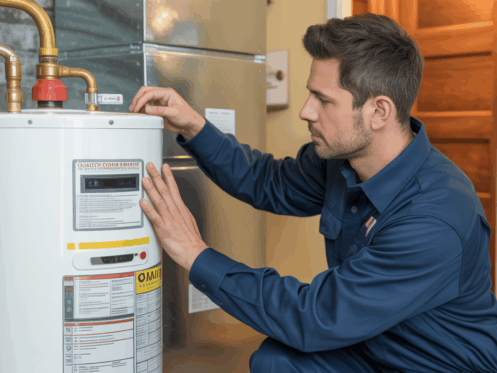
The high-limit switch is a safety device in your water heater. It stops the heater if the water gets too hot. Testing this switch helps find why there is no hot water. A faulty switch can cut power to the heating element.
Testing the high-limit switch is simple and quick. It requires basic tools like a multimeter. This test can save time and money by avoiding unnecessary repairs.
What Is The High-limit Switch?
The high-limit switch stops the water heater from overheating. It acts like a thermostat but for safety. If water temperature goes too high, the switch cuts power. This prevents damage or fire hazards.
How To Locate The High-limit Switch
Turn off the power to the water heater first. Remove the access panel on the side of the heater. The high-limit switch is near the thermostat. It looks like a small button or sensor.
Steps To Test The High-limit Switch
Use a multimeter set to test continuity. Press the reset button on the switch before testing. Place the multimeter probes on the switch terminals. A reading of zero or near zero shows the switch is good. No reading means the switch is faulty and needs replacement.
What To Do If The Switch Fails
Replace the high-limit switch with the correct type for your heater. Turn off power before removing the old switch. Install the new switch and tighten screws securely. Restore power and test the water heater again for hot water.
Credit: qualitycool.com
When To Call A Professional
Knowing when to call a professional for no hot water issues saves time and prevents damage. Some problems need expert tools and skills. Trying to fix them alone can be risky and costly. Watch for signs that require professional help. These indicate complex issues beyond simple troubleshooting.
Frequent Reset Button Trips
The reset button trips to protect your water heater. If it trips often, it signals a serious problem. It could be an overheating issue or a faulty thermostat. A professional can diagnose and fix the root cause safely. Repeated trips can damage the unit or cause leaks.
Thermostat Or Element Failures
Thermostats and heating elements control the water temperature. Failure in these parts stops hot water production. Testing and replacing these components need electrical knowledge. A professional can handle these repairs without causing harm. Incorrect fixes might lead to unsafe water temperatures or system failure.
Electrical Connection Issues
Loose or damaged electrical connections can cause no hot water. These issues are often hidden inside the unit. Professionals can inspect wiring and fix connections properly. Handling electrical parts without training is dangerous and may cause shocks. Timely expert help avoids bigger electrical hazards.
Quick Tips For Instant Relief
Experiencing no hot water can disrupt daily routines. Quick tips provide instant relief. These simple checks help identify common problems fast. Follow easy steps to restore warm water without delay.
Check The Power Or Gas Supply
Electric heaters may lose power due to a tripped breaker. Open your electrical panel and look for any switches turned off. Flip them back on to restore power. For gas heaters, ensure the gas valve is open. Check the pilot light; relight it if it is out.
Inspect The Thermostat Settings
Thermostat controls water temperature. Make sure it is set to at least 120°F (49°C). Lower settings can cause lukewarm or no hot water. Adjust the thermostat carefully and wait a few minutes for results.
Reset The Water Heater
Many electric water heaters have a reset button. Turn off the power at the breaker first. Locate the reset button, usually red and behind a panel. Press and hold it for a few seconds, then restore power. This can fix minor electrical faults.
Leaks reduce water heater efficiency. Check around the tank and pipes for water puddles or rust. Small leaks may cause no hot water issues. Tighten fittings or call a professional if you find damage.
Flush The Water Heater Tank
Mineral buildup inside the tank can block heating. Draining and flushing the tank removes sediment. This step improves performance and restores hot water flow. Follow manufacturer instructions or seek help if unsure.
Frequently Asked Questions
Why Would I Suddenly Have No Hot Water?
Sudden lack of hot water can result from a tripped breaker, faulty heating element, broken thermostat, or gas supply issues. Check power, gas valve, pilot light, and thermostat settings first. Reset the water heater if electric. Component failures often cause the problem.
What Is The First Thing To Check When There Is No Hot Water?
First, check the power or gas supply: ensure the breaker isn’t tripped for electric heaters or the pilot light is on for gas heaters. Also, verify the thermostat settings before inspecting for leaks or a tripped reset button.
How Do You Reset Your Hot Water Heater?
Turn off power at the breaker. Remove the upper access panel and insulation. Press the red reset button firmly until it clicks. Replace insulation and panel. Turn the breaker back on to restore power.
How To Fix Hot Water Not Working?
Check the power or gas supply and thermostat settings first. Reset the electric water heater by turning off power, pressing the reset button, then restoring power. Inspect for leaks, tripped breakers, or pilot light issues. Replace faulty heating elements or thermostats if needed.
Why Is My Water Heater Not Producing Hot Water?
The water heater might have a tripped breaker or a faulty thermostat. Check power supply and reset buttons first. Heating elements may also need inspection or replacement.
Conclusion
No hot water can disrupt daily life quickly. Start by checking your power or gas supply. Look at your thermostat settings next. Small fixes often solve the problem fast. Watch for leaks or unusual noises. Resetting the heater can help in many cases.
If problems continue, call a professional for safety. Regular maintenance prevents future troubles. Stay calm and follow these simple steps. Hot water will return soon enough.