Is your oil boiler furnace acting up just when you need it most? When your home starts feeling chilly and your furnace won’t fire up, it’s easy to feel stuck and unsure of what to do next.
But don’t worry—many common oil boiler problems have simple fixes you can try yourself before calling a technician. In this guide, you’ll discover straightforward troubleshooting steps to identify and solve issues like ignition failures, thermostat glitches, clogged filters, and more.
By following these easy tips, you’ll get your heating system back on track quickly, saving you time, money, and stress. Keep reading to take control of your oil boiler furnace and stay warm all season long!
Credit: www.youtube.com
Common Oil Boiler Issues
Oil boilers are reliable heating systems but can face common issues. Knowing these problems helps in quick troubleshooting. Many problems relate to simple parts that need cleaning or resetting. Identifying these issues early can prevent costly repairs and keep your home warm.
Clogged Air Filter Effects
A clogged air filter blocks airflow inside the boiler. This causes the system to overheat and shut down. Overheating can damage parts and reduce efficiency. Replace or clean the filter regularly for smooth operation. A clean filter improves air quality and saves energy.
Thermostat Problems
The thermostat controls when the boiler turns on or off. Dead batteries or faulty wiring stop it from sending signals. This causes the boiler to stop heating or run continuously. Check batteries and wiring to fix thermostat issues. A working thermostat ensures proper temperature control.
Dirty Flame Sensor
The flame sensor detects the burner flame to keep the boiler running. Dirt or soot buildup stops it from sensing the flame. The boiler then shuts off as a safety measure. Clean the flame sensor regularly to avoid shutdowns. A clean sensor helps maintain safe and efficient heating.
Tripped Circuit Breaker
The circuit breaker protects the boiler from electrical faults. Power surges or short circuits can trip it, cutting power to the boiler. Resetting the breaker restores power but check for underlying electrical problems. A tripped breaker often signals a need for professional inspection.
Blocked Vents And Registers
Blocked vents or registers stop warm air from circulating properly. This causes uneven heating and forces the boiler to work harder. Clear any obstructions like furniture or debris from vents. Keeping vents open improves airflow and heating efficiency throughout your home.
Credit: inspectapedia.com
Fuel Delivery Problems
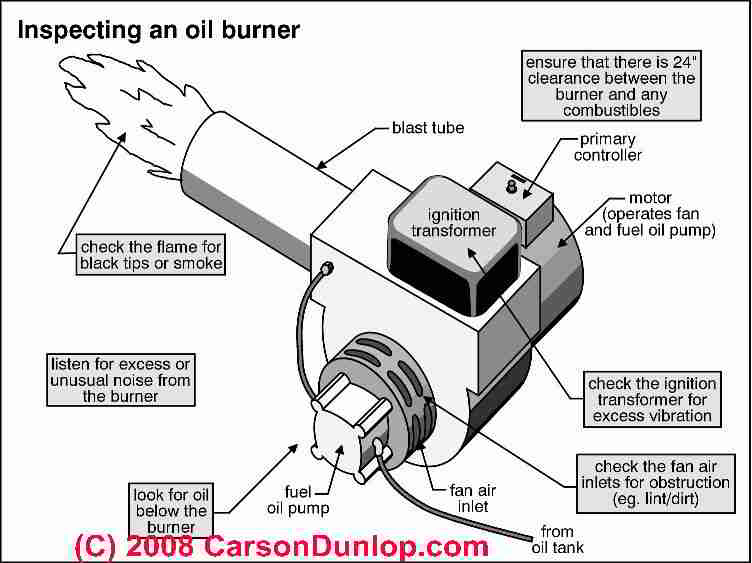
Fuel delivery problems are a common cause of oil boiler furnace failure. These issues stop the fuel from reaching the burner properly. Without steady fuel flow, the furnace cannot ignite or keep running. Troubleshooting these problems helps restore heat and avoid costly repairs.
Ignition Transformer And Electrodes
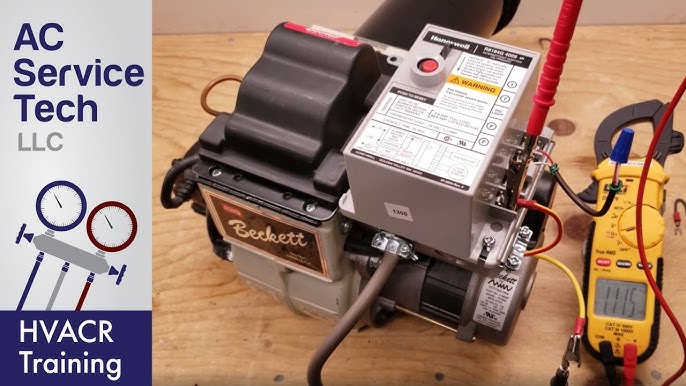
The ignition transformer creates a spark to light the oil. Electrodes deliver this spark inside the burner. If either part fails, the oil will not ignite. Check for cracked or dirty electrodes. Make sure the transformer is working by testing for voltage. Replace faulty parts to ensure proper ignition.
Fuel Pump And Filter Clogs
The fuel pump moves oil from the tank to the burner. Filters clean the oil before it reaches the pump. Dirt and sludge can clog these filters. Clogs reduce fuel flow and pressure. This leads to weak or no flame. Clean or replace filters regularly. Inspect the fuel pump for signs of wear or damage.
Burner Motor And Nozzle Issues
The burner motor powers the fan that mixes air and oil. The nozzle sprays the oil into the combustion chamber. A faulty motor can stop the burner from working. A clogged or worn nozzle sprays oil unevenly. This causes poor combustion and smoke. Test the motor and clean the nozzle. Replace parts that show damage or wear.
Safety And Shutdown Causes
Safety is the top priority in oil boiler furnace troubleshooting. Certain conditions can cause the system to shut down automatically. These shutdowns protect the furnace and home from damage and hazards. Understanding these causes helps homeowners identify issues early. Prompt action reduces repair costs and keeps the furnace running safely.
Full Condensate Drain Pan
The condensate drain pan collects water from the furnace’s condensation. A full drain pan triggers a safety switch. This switch stops the furnace to prevent water damage. Blocked or clogged drains cause water to back up. Regular cleaning of the drain pan and pipes avoids this problem.
Faulty Pressure Switch
The pressure switch checks airflow and combustion gases inside the furnace. A faulty switch can send wrong signals to the control board. This leads to unnecessary shutdowns or unsafe furnace operation. Testing and replacing a bad pressure switch restores proper function and safety.
Overheating Triggers
Overheating is a common safety cause for furnace shutdown. Dirt, clogged filters, or blocked vents restrict airflow. This causes the furnace to heat too much. A high-limit switch detects overheating and shuts the system off. Cleaning filters and vents prevents overheating and keeps the furnace safe.
Quick Fixes For Common Faults
Quick fixes can save time and money when your oil boiler furnace shows common faults. Many issues have simple solutions you can try before calling a professional. These fixes help restore heat and keep your system running smoothly. Follow these easy steps for fast troubleshooting.
Resetting The Furnace
Locate the reset button on your furnace. Press it firmly and hold for a few seconds. Wait for the furnace to restart. This can clear minor errors and restart the system. Avoid pressing the reset button more than twice to prevent damage.
Cleaning Flame Sensor
Turn off power to the furnace first. Remove the flame sensor carefully using a screwdriver. Gently clean it with fine sandpaper or steel wool. Wipe off any dust or debris. Reinstall the sensor and restore power. A clean sensor helps the furnace detect flames properly.
Replacing Thermostat Batteries
Open the thermostat cover to access batteries. Remove old batteries and replace with fresh ones. Use the correct battery type as indicated. Close the cover and test the thermostat. New batteries ensure proper signals to the furnace for heating control.
Resetting Circuit Breaker
Find the main electrical panel in your home. Locate the breaker switch for the furnace. Flip the breaker to the off position, then back on. This resets power and clears electrical faults. If the breaker trips again, consult a technician as there may be a deeper issue.
When To Seek Professional Help
Knowing when to call a professional for oil boiler furnace problems saves time and prevents damage. Some issues need expert tools and skills. Attempting complex repairs alone can be dangerous and costly. Watch for signs that go beyond simple fixes. Understanding these signs helps protect your home and keeps your heating system running smoothly.
Complex Ignition Problems
Ignition troubles can be tricky to diagnose. If the burner won’t light after several attempts, it may need a specialist. Faulty spark electrodes or ignition transformers require precise adjustments. Professionals can safely handle electrical parts and test components. Avoid risking electric shock or further damage by calling a technician.
Fan Motor Malfunctions
When the fan motor runs noisily or stops working, it affects heat distribution. Motor bearings can wear out or wiring can fail. Repairing or replacing these parts needs technical knowledge. A pro can check the motor’s electrical connections and mechanical parts. This ensures proper airflow and prevents overheating issues.
Gas Supply Issues
Oil boilers rely on a steady fuel supply for operation. Problems like clogged fuel lines or tank issues require expert attention. Professionals inspect and clean fuel lines safely. They also check for leaks or pressure drops that can cause shutdowns. Handling fuel systems without training can lead to leaks or fire hazards.
Error Code Diagnostics
Modern boilers display error codes when faults occur. These codes identify specific problems but need interpretation. Professionals use diagnostic tools to read and reset error codes. They can pinpoint issues quickly and fix them correctly. Do not ignore these warnings or try to reset codes without knowledge.

Credit: www.youtube.com
Frequently Asked Questions
What Would Cause An Oil Furnace Not To Kick On?
An oil furnace may fail to start due to a faulty thermostat, clogged air filter, dirty flame sensor, tripped breaker, or ignition issues.
What Is The Most Common Furnace Failure?
The most common furnace failure is a dirty or clogged air filter. It restricts airflow, causing overheating and system shutdown. Other frequent issues include thermostat malfunctions, dirty flame sensors, ignition problems, tripped circuit breakers, and full condensate drain pans. Regular maintenance prevents these failures.
Why Is My Oil Heating Boiler Not Firing Up?
Your oil heating boiler may not fire up due to a faulty thermostat, dirty flame sensor, clogged air filter, tripped circuit breaker, or ignition issues. Check these components and reset switches to troubleshoot before calling a professional.
Why Does My Oil Furnace Keep Shutting Off And Needs To Be Reset?
Your oil furnace likely shuts off and needs resetting due to clogged filters, dirty flame sensors, thermostat issues, or ignition problems. Restricted airflow or safety switches may trigger shutdowns. Regular cleaning and checking batteries help. Persistent issues require professional inspection to avoid damage and ensure reliable heating.
What Are Common Signs Of An Oil Boiler Furnace Problem?
Common signs include unusual noises, no heat, or frequent cycling. Also watch for leaks or strange odors. These symptoms often indicate a need for inspection or repair.
Conclusion
Troubleshooting your oil boiler furnace can save time and money. Regular checks help spot simple issues early. Clean or replace filters to keep airflow steady. Test the thermostat and replace batteries if needed. Keep the flame sensor free of dirt for proper ignition.
Watch for tripped breakers or leaks around the system. Small fixes often restore heat without professional help. Stay attentive to these steps for a warmer, safer home.