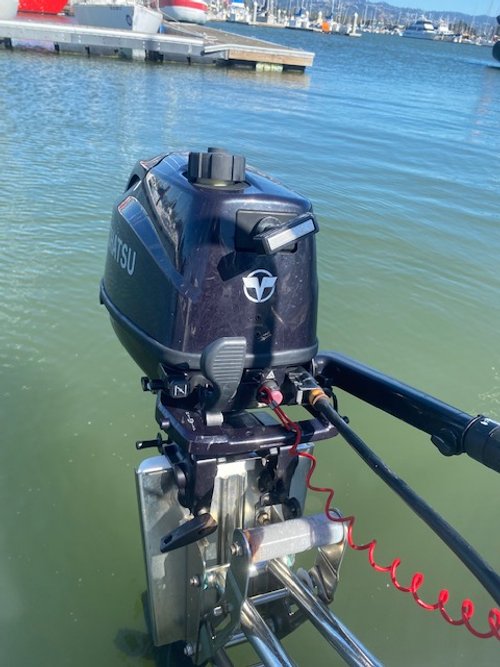
Is your outboard engine giving you trouble right when you need it most? Whether it won’t start, overheats, or loses power unexpectedly, these problems can turn your day on the water into a frustrating experience.
But don’t worry—you’re not alone, and many common issues have simple fixes that you can handle yourself. In this guide, you’ll discover clear, step-by-step tips to diagnose and solve the most frequent outboard engine problems. By understanding what’s going wrong and how to fix it, you’ll save time, avoid costly repairs, and get back on the water faster.
Keep reading to unlock the secrets of outboard engine troubleshooting and take control of your boat’s performance today.
Credit: www.modernsailing.com
Engine Starting Issues
Engine starting issues are common problems with outboard motors. These issues can stop your boat from running and cause frustration. Troubleshooting starts by checking simple parts first. Understanding the key causes helps fix the problem quickly. Below are main areas to check for engine starting problems.
Fuel-related Causes
Old or bad fuel often causes starting problems. Fuel left too long loses power and clogs parts. Dirt and water in the fuel line block flow. Check fuel filters for dirt or damage. Air leaks in fuel lines stop fuel from reaching the engine. A weak fuel pump can also cause no start. Use fresh fuel and add stabilizer for better results. Make sure the fuel tank vent is open to allow air in.
Electrical System Checks
Electrical issues often stop the engine from starting. Dead or weak batteries cannot power the motor. Corroded or loose battery connections reduce current flow. Check wiring for damage or loose ends. Faulty ignition coils or bad wiring cause misfires. Ensure the kill switch is turned on and working. Clean all electrical contacts to improve connection.
Battery And Spark Plug Care
The battery powers the starter motor and ignition system. Keep the battery charged and terminals clean. Replace old or weak batteries for reliable starts. Spark plugs provide the spark to ignite fuel. Dirty or worn plugs cause misfires and hard starts. Remove spark plugs and check for fouling or damage. Replace spark plugs regularly for smooth engine operation.

Credit: www.amazon.com
Overheating Causes
Overheating is a common problem in outboard engines. It can cause serious damage if not fixed quickly. Understanding the main causes of overheating helps keep your engine running smoothly. This section covers key reasons why your outboard engine may overheat.
Water Intake Blockages
Water intake blockages stop the cooling water from flowing properly. Debris like weeds, plastic, or mud can clog the intake screen. Without enough water, the engine cannot cool down. Check the intake area often and remove any blockages.
Running the engine without water flow causes it to overheat fast. This can lead to engine damage or failure. Clear the intake to restore proper cooling.
Impeller And Thermostat Problems
The impeller pumps water through the cooling system. A worn or broken impeller reduces water flow. This causes the engine temperature to rise quickly. Replace the impeller regularly to avoid overheating.
The thermostat controls water flow based on engine temperature. A stuck thermostat can block water flow or cause it to flow too much. Both situations cause overheating. Test and replace a faulty thermostat as needed.
Cooling System Maintenance
Regular maintenance keeps the cooling system working well. Flush the system with fresh water after saltwater use. Check hoses and clamps for leaks or damage. Replace worn parts on time to prevent overheating issues.
Inspect the water pump and thermostat during maintenance checks. Clean the water intake screen regularly. Good maintenance extends engine life and improves performance.
Power Loss And Sputtering
Power loss and sputtering are common issues with outboard engines. These problems reduce boat speed and cause rough running. Such symptoms often point to fuel or ignition system faults. Addressing these areas restores smooth operation and reliable power.
Carburetor Cleaning
Dirt and varnish can block carburetor jets and passages. This blockage disrupts fuel flow. Removing and soaking carburetors in cleaner removes buildup. Use compressed air to clear jets and channels. Regular cleaning prevents fuel starvation and uneven engine running.
Fuel Filter Replacement
A clogged fuel filter restricts gasoline supply. Old filters trap dirt and debris over time. Replacing the filter ensures clean fuel reaches the engine. Check filters every season or after storage. Clean fuel helps avoid sputtering and sudden power loss.
Ignition System Troubles
Weak or faulty spark plugs cause misfires and power loss. Inspect plugs for wear, fouling, or cracks. Replace damaged plugs with the correct type. Check ignition coils and wiring for damage or corrosion. Proper spark timing and strong ignition improve engine performance.
Shifting And Vibration Problems
Shifting and vibration problems in outboard engines often signal mechanical troubles. These issues affect boat control and safety. Quick checks and simple fixes can prevent costly repairs and downtime. Understanding the common causes helps keep the engine running smoothly.
Linkage And Cable Inspection
Check the shift linkage and cables for wear or damage. Loose or corroded parts cause shifting delays or failure. Tighten loose connections and replace frayed cables. Lubricate moving parts to ensure smooth gear changes. Regular inspection prevents gear slipping and rough shifts.
Propeller And Shaft Damage
Inspect the propeller for dents, cracks, or bends. Damage causes vibration and poor engine performance. A bent shaft also leads to strong vibrations and noise. Replace damaged propellers and repair or replace bent shafts. Proper balance reduces vibration and protects engine parts.
Gear And Lower Unit Checks
Examine the gears inside the lower unit for wear or broken teeth. Damaged gears can cause grinding or difficulty shifting. Check the lower unit oil for water or metal shavings. Change oil regularly to avoid gear damage. Fix gear problems early to keep shifting smooth and quiet.
Fuel System Fixes
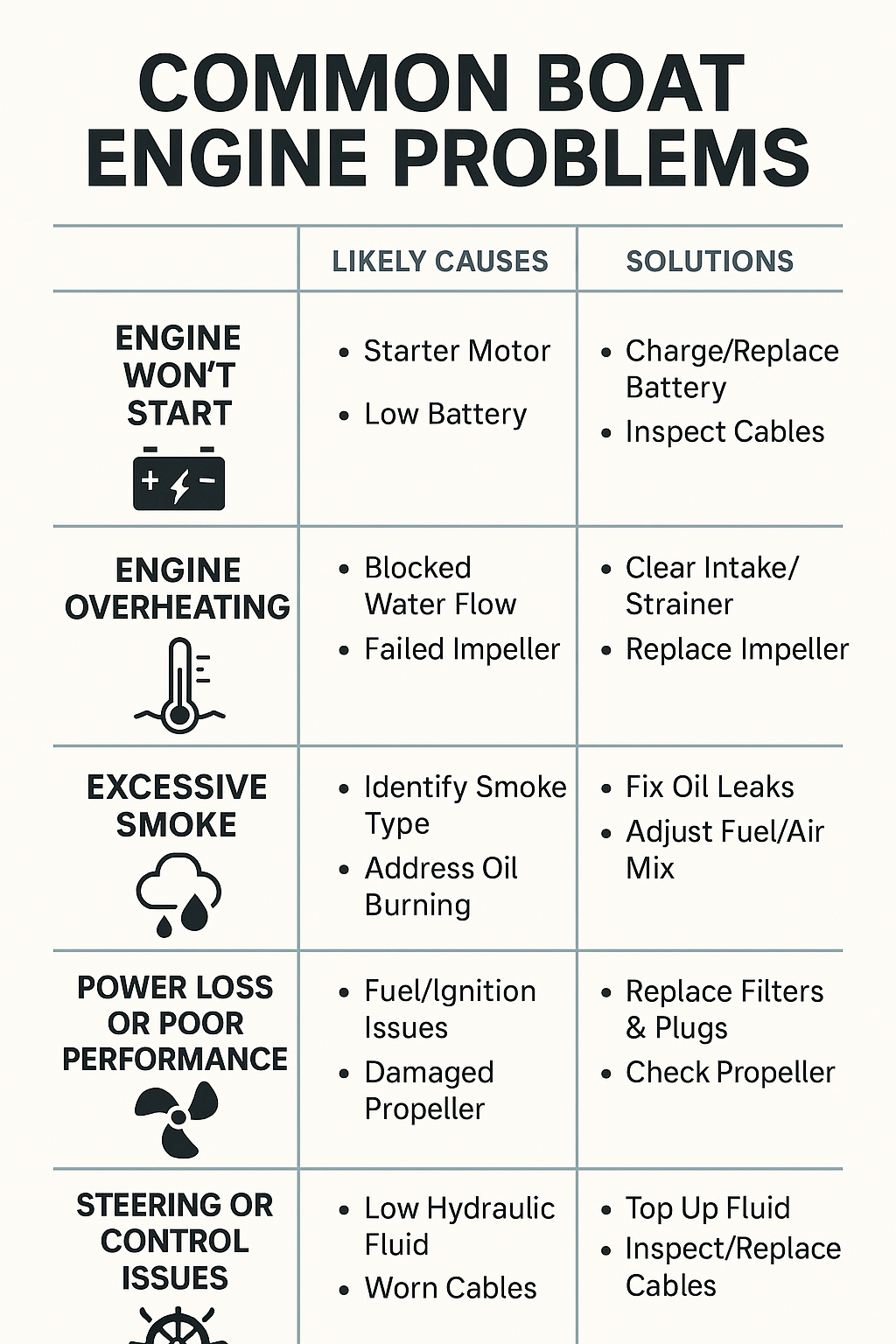
The fuel system is crucial for your outboard engine’s smooth operation. Problems here cause stalling, sputtering, or failure to start. Fixing fuel issues often solves many engine troubles quickly. Focus on three main areas: fuel quality, airlocks, and filters. Each step improves fuel flow and engine performance.
Using Fresh Fuel And Stabilizers
Always use fresh fuel in your outboard engine. Old fuel breaks down and clogs parts. Add fuel stabilizers to keep gasoline fresh longer. Stabilizers prevent gum and varnish buildup inside the engine. They also protect against moisture damage. Store fuel in a clean, sealed container. This reduces contamination and evaporation. Fresh fuel and stabilizers ensure smooth starts and steady runs.
Clearing Fuel Line Airlocks
Airlocks stop fuel from reaching the engine. They cause sputtering or engine stalls. To clear airlocks, loosen fuel line fittings slightly. This lets trapped air escape. Pump the primer bulb until fuel flows without bubbles. Tighten fittings after bleeding the lines. Check all fuel line connections for leaks. Removing airlocks restores proper fuel flow and prevents sudden stops.
Replacing Clogged Filters
Fuel filters trap dirt and debris from the tank. Over time, they become clogged and restrict flow. Replace filters regularly as part of maintenance. A clogged filter causes poor engine power and stalling. Locate the fuel filter between the tank and engine. Remove the old filter and install a new one securely. Clean filters protect the engine and improve fuel efficiency.
Credit: jlmmarine.com
Electrical System Repairs
Electrical system repairs are vital for outboard engine performance. Faulty electrical parts can stop your engine or cause misfires. Regular checks keep your engine running smoothly. Focus on battery care, wiring, and component condition. Simple steps can solve many electrical problems quickly.
Cleaning Battery Terminals
Battery terminals often get dirty or corroded. This stops electricity from flowing well. Use a wire brush to clean the terminals. Remove any white or green buildup carefully. After cleaning, apply a thin layer of grease. This helps prevent future corrosion. Clean terminals improve engine start and power flow.
Securing Wiring Connections
Loose wires cause engine misfires and starting issues. Check all wiring connections around the engine. Tighten any loose connectors or screws. Look for broken or frayed wires. Replace damaged wiring to avoid shorts or failures. Secure wiring ensures stable power delivery and engine function.
Replacing Faulty Components
Some electrical parts wear out over time. Spark plugs, coils, and fuses often need replacement. Test these components if the engine runs poorly. Use parts that match your engine model. Replace faulty parts promptly to restore engine reliability. Regular replacement keeps your outboard in top shape.
Mechanical Adjustments
Mechanical adjustments play a key role in keeping outboard engines running smoothly. These tweaks help fix common problems like stalling, shifting difficulties, and poor idling. Small changes often improve engine performance significantly. Understanding basic mechanical parts and their functions can save time and money during troubleshooting. Regular checks and adjustments prevent long-term damage and improve boat safety.
Idle Speed Valve Tuning
The idle speed valve controls engine speed at rest. If the engine stalls or runs rough at idle, the valve may need tuning. Adjust the valve slowly while the engine runs until it holds a steady idle. Avoid setting the speed too high, which wastes fuel and causes noise. Proper tuning improves engine response and prevents stalling during stops.
Shift Cable Replacement
Shift cables connect the throttle and gear controls to the engine. Worn or damaged cables cause hard shifting or no response. Replace frayed or kinked cables with new ones matching your engine model. Ensure the cable moves freely without binding. Proper cable function ensures smooth gear changes and protects transmission parts.
Inspecting Gear Oil
Gear oil lubricates the lower unit and gears inside the engine. Check oil level and quality regularly to avoid wear and overheating. Drain old oil if it looks cloudy or smells burnt. Refill with the correct type as per the engine manual. Clean gear oil extends the life of gears and prevents costly repairs.
Propeller And Shear Pin Care
Proper care of the propeller and shear pin is vital for outboard engine health. These parts help your boat run smoothly and protect the engine from damage. Regular checks and maintenance prevent breakdowns and costly repairs.
Removing Debris
Clear any weeds, fishing line, or trash wrapped around the propeller. Debris reduces performance and can cause vibration. Use gloves to avoid cuts. Carefully pull off all visible material. Check the propeller shaft for hidden objects.
Checking For Damage
Look for bent, cracked, or chipped propeller blades. Damaged blades cause poor fuel efficiency and engine strain. Spin the propeller by hand to feel for rough spots or wobbling. Inspect the prop hub for wear or cracks. Replace the propeller if damage is severe.
Shear Pin Replacement
The shear pin breaks to protect the propeller and engine from heavy impact. Inspect the pin regularly for wear or bending. Remove the old pin by pushing it out with a punch. Insert a new shear pin that matches your engine’s specifications. Tighten the nut securely but avoid over-tightening.
Routine Maintenance Tips
Routine maintenance keeps your outboard engine reliable and extends its life. It prevents common problems like stalling, overheating, and poor performance. Simple steps done regularly avoid costly repairs and improve safety on the water.
Cleaning Salt And Grime
Salt and grime build up quickly on outboard engines. Rinse the engine with fresh water after every use, especially in saltwater. Use a soft brush and mild soap to remove stubborn dirt. Avoid harsh chemicals that can damage seals and paint. Dry the engine thoroughly to prevent rust and corrosion.
Proper Winterization
Winterizing protects the engine during long off-seasons. Drain fuel or add fuel stabilizer to prevent clogs. Change the engine oil and replace the oil filter. Flush the cooling system with fresh water and antifreeze to stop freezing damage. Store the engine in a dry, covered place to keep moisture out.
Regular Engine Inspections
Inspect the engine often to catch issues early. Check fuel lines for cracks or leaks. Look for worn or loose spark plugs and replace them if needed. Examine the propeller for dings and bends. Test the battery and clean terminals to keep the electrical system strong. Tighten all bolts and fittings to avoid vibrations.
Frequently Asked Questions
What Is The Most Common Problem With Outboard Motors?
The most common outboard motor problem is failure to start, often caused by fuel issues, electrical faults, or clogged filters.
How To Diagnose An Outboard Motor?
Diagnose an outboard motor by checking fuel quality, inspecting spark plugs, testing battery and wiring, verifying water intake, and examining the propeller. Look for clogged filters, damaged cables, overheating signs, and grime buildup. Regular maintenance helps identify common engine issues quickly and efficiently.
Why Does My Boat Cut Off When I Give It Gas?
Your boat may cut off when giving gas due to clogged fuel filters, stale fuel, fouled spark plugs, or air in fuel lines. Check for loose wiring, faulty ignition, or a blocked water intake. Regular maintenance and fresh fuel prevent these issues.
How To Tell If A Boat Solenoid Is Bad?
Test the solenoid by checking for clicking sounds when starting. Measure voltage and continuity. A bad solenoid won’t engage or power the starter.
What Causes An Outboard Engine Not To Start?
Common causes include old fuel, clogged filters, dead battery, or fouled spark plugs. Check fuel quality and electrical connections first. Regular maintenance helps avoid these problems.
Conclusion
Regular checks keep your outboard engine running smoothly. Address fuel, electrical, and cooling issues promptly. Clean parts and replace worn components often. Simple maintenance prevents costly repairs and breakdowns. Remember, small problems can become big if ignored. Stay proactive and enjoy trouble-free boating every time.