Is your outboard motor acting up just when you need it most? Whether it won’t start, is overheating, sputtering, or making strange noises, these problems can quickly turn a fun day on the water into a stressful hassle.
But don’t worry—you don’t have to be a mechanic to fix many common issues. In this guide, you’ll discover simple, effective troubleshooting tips that can save you time and money. From fuel troubles to electrical glitches and cooling system hiccups, we’ll walk you through what to check and how to get your motor running smoothly again.
Keep reading to take control of your outboard motor’s health and enjoy every moment on the water without unexpected breakdowns.
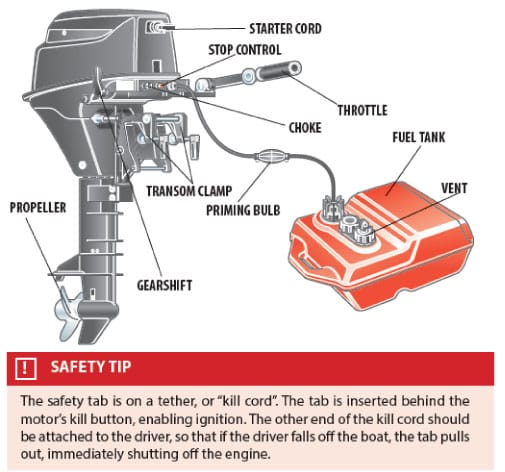
Credit: americansailing.com
Common Motor Issues
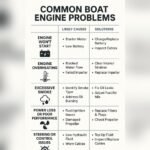
Outboard motors often face a range of common issues that affect their performance. Understanding these problems helps in quick diagnosis and repair. Many troubles arise from fuel, electrical, cooling, or mechanical failures. Keeping your motor well-maintained reduces the chances of breakdowns on the water.
Engine Won’t Start
The engine not starting is a frequent issue. It usually links to old or bad fuel, clogged filters, or air trapped in fuel lines. Electrical faults like dead batteries, corroded terminals, or faulty spark plugs can also stop the engine from starting. Regular checks of fuel quality and battery health help avoid this problem.
Overheating Troubles
Overheating damages the motor if ignored. Common causes include blocked water intakes, broken impellers, or stuck thermostats. Dirt and debris often clog cooling passages. Cleaning the intake and replacing worn parts ensures proper cooling and prevents heat damage.
Power Loss And Sputtering
Power loss or sputtering happens during acceleration or steady speed. Fuel system issues like dirty carburetors, fouled spark plugs, or clogged filters often cause this. Using fresh fuel and cleaning the carburetor improves engine power. Checking spark plugs and filters regularly avoids sputtering.
Shifting And Vibration Problems
Shifting troubles include hard gear changes or grinding noises. These come from worn linkages, damaged cables, or gearbox issues. Excessive vibration signals bent propellers or shafts. Inspecting and fixing mechanical parts keeps shifting smooth and reduces vibration for a safer ride.
Fuel System Fixes
The fuel system plays a key role in outboard motor performance. Fuel issues often cause starting problems and poor engine running. Simple checks and fixes can save time and money. Understanding common fuel system troubles helps keep the motor running smoothly.
Regular care of the fuel system prevents many common breakdowns. Focus on fuel quality, filters, pumps, and carburetors. These parts often cause engine trouble when neglected.
Old And Contaminated Fuel
Fuel degrades over time and loses power. Old fuel can clog the engine and cause stalling. Always drain old fuel before storage. Use fresh gasoline mixed with a fuel stabilizer for best results. Contaminated fuel may have water or dirt, which blocks fuel flow. Check fuel quality regularly to avoid issues.
Clogged Filters And Fuel Lines
Fuel filters trap dirt but get dirty themselves. A clogged filter reduces fuel flow, causing sputtering and power loss. Replace filters every season or sooner if dirty. Inspect fuel lines for cracks, leaks, or blockages. Damaged lines can let air enter, causing engine hesitation. Clean or replace lines as needed.
Fuel Pump And Vent Checks
The fuel pump moves gas from the tank to the engine. A weak or failing pump causes poor engine performance. Listen for unusual noises from the pump. Test fuel pressure if the engine sputters. Tank vents allow air in as fuel leaves. A blocked vent creates vacuum, stopping fuel flow. Clear or replace the vent to maintain proper fuel delivery.
Carburetor Cleaning Tips
The carburetor mixes air and fuel for combustion. Dirt or varnish inside can block fuel jets. Remove and clean the carburetor with a safe cleaner. Use compressed air to blow out small passages. Inspect gaskets and seals for damage. Reassemble carefully to avoid leaks. Regular cleaning keeps the engine running smoothly and prevents stalling.
Electrical Repairs
Electrical repairs are vital for keeping an outboard motor running smoothly. Faulty electrical parts often cause starting issues and engine misfires. Careful inspection and maintenance can prevent many problems and extend motor life.
Basic knowledge of electrical components helps in quick troubleshooting. Regular checks and cleaning improve performance and reliability. Focus on key areas like the battery, spark plugs, wiring, and safety switches.
Battery And Terminal Care
Check the battery voltage regularly. Clean terminals to remove corrosion and dirt. Use a wire brush or terminal cleaner for best results. Tighten loose connections to ensure proper power flow. Replace old or weak batteries promptly to avoid starting failures.
Spark Plug Maintenance
Inspect spark plugs for wear and deposits. Clean or replace plugs to maintain good combustion. Check the gap between electrodes and adjust if needed. Use the right spark plug type recommended by the manufacturer. Faulty plugs cause misfires and poor engine performance.
Wiring And Connection Checks
Look for cracked or frayed wires that can cause shorts. Ensure all connectors fit tightly and are free of rust. Use dielectric grease to protect connections from moisture. Replace damaged wiring to prevent electrical failures. A secure wiring system supports smooth engine operation.
Kill Switch And Safety
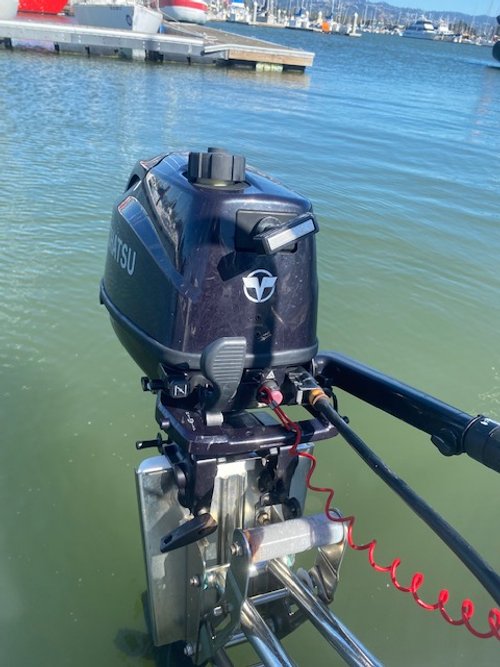
Test the kill switch to ensure it stops the engine instantly. Replace faulty switches to maintain safety. Check the safety lanyard for wear or damage. A working kill switch protects the operator in emergencies. Regular testing keeps this safety feature reliable.
Credit: www.modernsailing.com
Cooling System Care
The cooling system keeps your outboard motor running at the right temperature. Without proper care, the engine can overheat and fail. Regular checks and maintenance help avoid costly repairs and keep your boat on the water longer.
Water Intake Blockages
Water intake lets cool water flow into the engine. Debris like weeds, mud, or small shells can block it. Check the intake screens often, especially after shallow water trips. Clear any blockages to keep water flowing freely. A blocked intake causes overheating and damages the engine.
Impeller Replacement
The impeller pumps water through the cooling system. It is made of rubber and wears out over time. Inspect the impeller every season or after 100 hours of use. Signs of wear include cracks or missing blades. Replace it to maintain proper water flow and prevent overheating.
Thermostat Checks
The thermostat controls the engine’s temperature. It opens and closes to regulate water flow. A stuck thermostat can cause the engine to overheat or run too cold. Test the thermostat by heating it in water and watching it open. Replace it if it does not function properly. This keeps your engine running smoothly.
Mechanical And Performance
Mechanical and performance issues affect how well an outboard motor runs. These problems can cause poor acceleration, strange noises, or difficulty in shifting gears. Checking key parts regularly helps keep the motor working smoothly. Simple fixes often improve power and control without costly repairs.
Linkage And Cable Issues
Linkages and cables connect the controls to the motor’s gears. Over time, they can wear out, stretch, or get stuck. This causes trouble shifting or the motor not responding properly. Inspect these parts for rust, frays, or looseness. Lubricate and adjust them to restore smooth operation.
Propeller And Shaft Inspection
The propeller pushes the boat through water. A bent or damaged propeller creates vibration and reduces speed. Check the propeller blades for cracks or bends. Also, inspect the shaft for straightness and secure fitting. Replace or repair damaged parts to improve performance and reduce engine strain.
Idle Speed Adjustments
Idle speed controls how fast the motor runs when not moving. Too high or too low idle speed causes rough running or stalling. Use the motor’s manual to find the correct idle speed setting. Adjust the idle screw carefully until the engine runs steady and smooth at low throttle.
Gear Oil And Lower Unit Checks
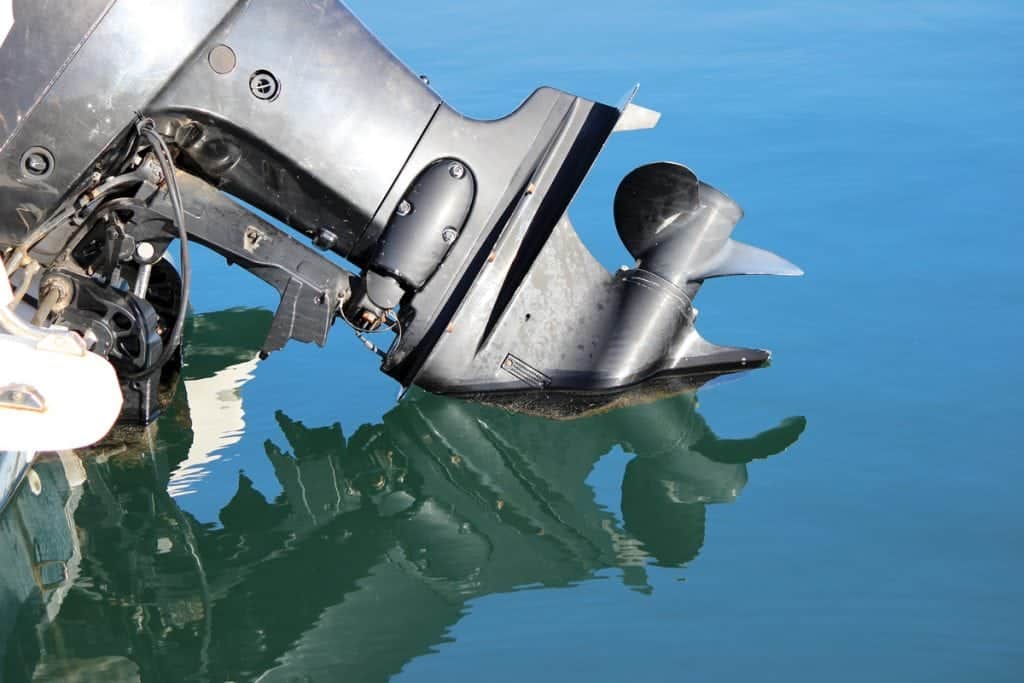
The lower unit contains gears and needs clean oil for smooth shifting. Old or dirty gear oil can cause grinding or gear failure. Regularly drain and replace the gear oil following the manufacturer’s guide. Check the lower unit for leaks or damage that can let water in and harm the gears.
Credit: southernboating.com
General Maintenance
General maintenance keeps your outboard motor running smoothly. Regular care prevents common issues and extends motor life. Simple tasks help avoid costly repairs and downtime. Pay attention to cleaning, debris removal, and winterizing.
Cleaning Salt And Grime
Salt and grime buildup damages metal parts and reduces performance. Rinse the motor with fresh water after each use. Use a soft brush to remove stubborn salt deposits. Avoid harsh chemicals that can harm seals and paint. Dry the motor thoroughly to prevent corrosion.
Debris Removal From Propeller
Check the propeller regularly for weeds, fishing lines, or trash. Debris can cause vibration and reduce fuel efficiency. Remove the propeller carefully to clean the shaft and hub. Inspect for damage like bends or cracks. Replace or repair any damaged parts promptly.
Winterizing Your Motor
Winterizing protects your motor during cold months. Drain the fuel or add stabilizer to prevent gum buildup. Change the engine oil and gear lube to avoid corrosion. Flush the cooling system with fresh water to remove salt. Store the motor in a dry place, covered and upright.
Frequently Asked Questions
What Is The Most Common Problem With Outboard Motors?
The most common outboard motor problem is fuel-related issues like old gas, clogged filters, or air in fuel lines. These cause starting failures, sputtering, or power loss. Regular maintenance, fresh fuel, and cleaning fuel systems prevent most issues and ensure smooth motor operation.
How To Diagnose An Outboard Motor?
Diagnose an outboard motor by checking fuel quality, spark plugs, battery, wiring, and cooling system. Inspect for clogs, leaks, and damage. Test starting, idling, and shifting functions. Clean grime and debris regularly. Use fresh fuel and replace worn parts to ensure optimal performance.
What Are The Symptoms Of A Bad Fuel Pump On An Outboard Motor?
Symptoms of a bad fuel pump on an outboard motor include engine stalling, difficulty starting, sputtering, loss of power, and inconsistent acceleration. The motor may also run rough or stop suddenly due to poor fuel delivery.
Why Does My Boat Cut Off When I Give It Gas?
Your boat cuts off when giving gas due to fuel issues, clogged filters, faulty spark plugs, or electrical problems. Check fuel quality, clean filters, inspect spark plugs, and ensure secure wiring for smooth acceleration.
What Causes An Outboard Motor Not To Start?
Common causes include old fuel, clogged filters, or a weak fuel pump. Check fuel lines and ensure the battery is charged. Also, inspect spark plugs and wiring for damage.
Conclusion
Regular checks keep your outboard motor running smoothly. Clean fuel and fresh spark plugs prevent most troubles. Inspect cooling parts often to avoid overheating risks. Tighten connections and replace worn cables for better performance. Watch for grime buildup and remove it promptly.
Small fixes save time and money later. Stay patient and methodical while troubleshooting your motor. This care ensures safe, enjoyable boating every time.