Is your pool heater acting up just when you want to relax in warm water? You’re not alone—many pool owners face this frustrating issue.
But don’t worry, you don’t have to call a technician right away. By knowing a few simple troubleshooting steps, you can quickly identify what’s wrong and get your heater working again. In this guide, you’ll learn how to check the basics like power supply, thermostat settings, and water flow.
We’ll also cover common problems such as dirty filters, pressure switch failures, and blocked air intakes. Keep reading to take control of your pool heater and enjoy warm swims without delays or costly repairs.
Common Pool Heater Issues
Pool heaters can face several common problems that stop them from working properly. Knowing these issues helps you fix them fast. Regular checks keep your pool warm and enjoyable all season.
Many problems occur due to simple causes like power issues or blocked water flow. Some issues show error codes that guide you to the problem. Understanding these signs saves time and money.
Heater Not Turning On
Check the power supply first. Make sure the circuit breaker is not tripped. Confirm the gas valve is open for gas heaters. Verify the thermostat is set to a higher temperature than the pool water. A dirty filter or blocked pump can stop the heater from starting. Look for any debris near the heater’s air intake if you have a heat pump.
Insufficient Warm Water
Low heat output often means low water flow. Clean or backwash the filter to improve flow. Ensure all valves direct water through the heater. Check the pump for proper operation. Cold water mixing into the pool can lower temperature. Make sure the heater is running long enough to warm the water.
Error Codes And Indicators
Modern heaters show error codes to help find issues. Codes like “FL” mean low water flow. Others warn about ignition failures or sensor problems. Refer to your heater’s manual for code meanings. Reset the heater after fixing the issue. Persistent errors may need professional help.
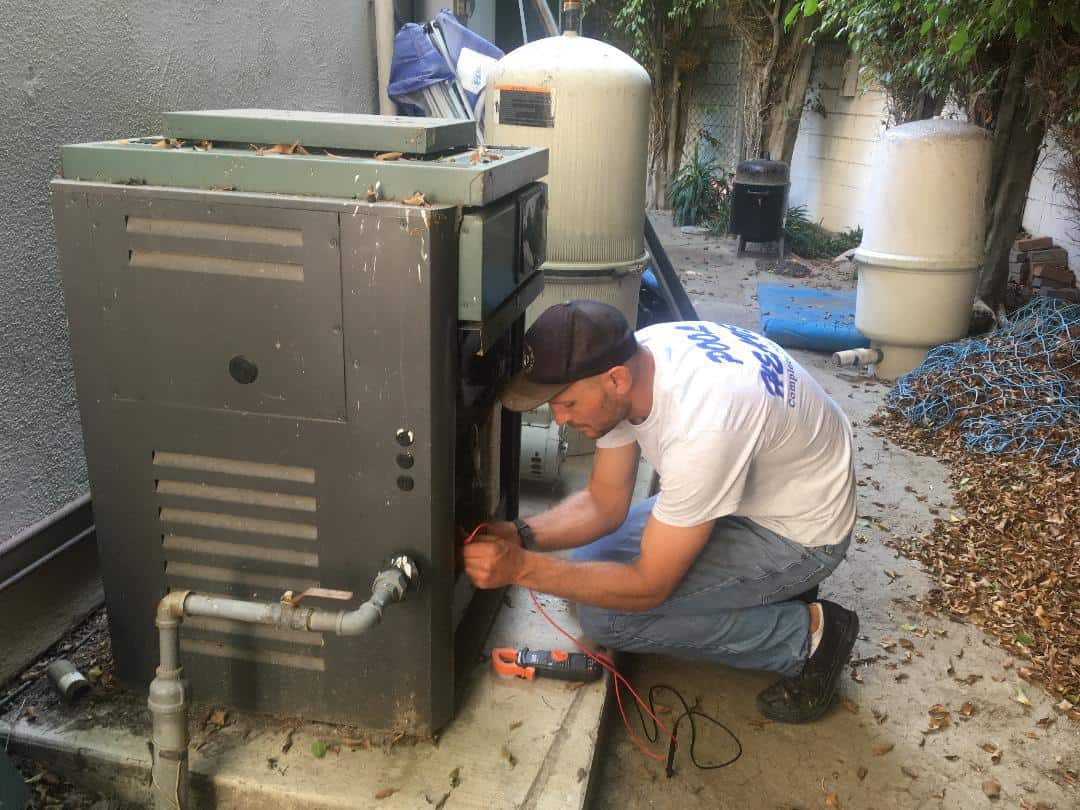
Credit: poolheaven.net
Initial Checks Without Tools
Start your pool heater troubleshooting with simple checks that need no tools. These quick inspections often reveal common issues. They save time and avoid unnecessary repairs. Follow these steps before calling a technician. This helps keep your pool warm and ready for use.
Power Supply And Breakers
Check if the heater has power. Look at the circuit breaker panel. Make sure the breaker for the heater is ON and not tripped. Also, check any GFCI outlets connected to the heater. Reset them if needed. Without power, the heater cannot start.
Gas Valve Positions
For gas heaters, check the gas valves. The valve handles should be parallel to the pipe to allow gas flow. If valves are closed or partially closed, the heater won’t ignite. Confirm both the main gas valve and the valve at the heater are open.
Thermostat Settings
Look at the thermostat settings on the heater. Ensure the temperature is set above the current pool temperature. Check the mode; it should be set to “heat.” A low setting or wrong mode stops the heater from running. Adjust as needed.
Filter And Pump Basket Cleanliness
Inspect the pool’s filter and pump basket. Dirt and debris block water flow. This causes the heater to shut down or work poorly. Remove the pump basket and clean it. Check the filter pressure gauge. Backwash or clean the filter if it looks dirty.
Plumbing Valve Positions
Check the valves on the pool’s plumbing lines. Make sure the valves direct water through the heater. Sometimes, valves are set to bypass the heater for maintenance. This stops hot water circulation. Adjust valves so water flows properly through the heater.
Water Flow And Filter Troubles
Proper water flow is crucial for your pool heater to function well. Any issues with water circulation or filtering can cause the heater to stop working. Low water flow reduces heat transfer and can trigger safety switches. Filters and pump baskets often collect debris, blocking water movement. Regular checks and cleaning help keep the system running smoothly.
Clogged Filter Effects
A clogged filter stops water from flowing freely. This lowers the heater’s efficiency. The heater may shut off to avoid damage. You might notice poor heating or error codes on the display. Cleaning the filter restores normal flow and improves heating performance.
Cleaning The Pump Basket
The pump basket catches leaves and dirt. If it fills up, water flow slows down. Turn off the pump before opening the basket. Remove debris and rinse it with water. Clean the basket regularly to prevent blockages and protect the heater.
Backwashing And Filter Maintenance
Backwashing cleans the filter by reversing water flow. This removes trapped dirt and debris. Perform backwashing as the filter gauge indicates high pressure. Regular filter maintenance keeps water clean and flow steady. Replace filter media when worn out for best results.
Bypass Valve Adjustments
Bypass valves control water flow through the heater. If set incorrectly, water may bypass the heater. Check valve positions to ensure water passes through the heater. Adjust valves to balance flow and protect the heater from damage. Proper valve settings improve heating efficiency.
Inspecting Gas Heater Components
Inspecting gas heater components is a key step in pool heater troubleshooting. Gas heaters rely on several parts working well to heat your pool efficiently. Problems in any component can stop the heater from working.
Careful inspection helps identify faults early. This can save time and money on repairs. Below, we focus on three main areas: the pilot light, thermocouple and igniter, and gas valve functionality.
Pilot Light Issues
The pilot light ignites the gas to start heating. If the pilot light does not stay lit, the heater will not work. Common causes include a dirty pilot or a weak flame.
Check if the pilot flame is steady and blue. A yellow or flickering flame means dirt or blockage. Clean the pilot area gently with a soft brush.
Sometimes, the pilot light sensor is faulty. This sensor tells the heater if the flame is on. If it fails, the gas supply will shut off as a safety measure.
Thermocouple And Igniter Checks
The thermocouple senses the pilot flame heat. It signals the gas valve to stay open. A broken thermocouple will stop the heater from lighting.
Inspect the thermocouple for dirt, corrosion, or damage. Clean it with fine sandpaper if needed. Replace it if cleaning does not help.
The igniter creates the spark to light the pilot or burner. Check for cracks or wear on the igniter tip. A weak or broken igniter prevents the heater from starting.
Gas Valve Functionality
The gas valve controls the gas flow to the burner. It must open fully to allow enough fuel for heating. If the valve sticks or leaks, the heater will fail or become unsafe.
Test the gas valve by listening for a click when the heater starts. No sound can mean a faulty valve or electrical issue.
Inspect the valve for dirt or corrosion. Clean or replace it if you spot damage. Never force the valve open or closed by hand.
Heat Pump Specific Checks
Heat pumps require special attention during troubleshooting to ensure efficient operation. These units depend on proper airflow and water pressure to function correctly. Identifying common issues can save time and prevent costly repairs. Focus on key areas unique to heat pumps for effective diagnostics.
Blocked Air Intake
Heat pumps draw air to extract heat for your pool water. Blocked air intakes reduce airflow, causing poor heating. Check the intake area for obstructions like leaves or dirt. Clear any debris gently to restore proper airflow. Keep the intake free year-round to maintain performance.
Debris Removal
Debris buildup inside the heat pump can damage components. Turn off power before cleaning internal parts. Remove leaves, dust, and dirt from fan blades and coils. Clean coils help heat transfer efficiently. Regular cleaning extends the life of your heat pump.
Pressure Switch Testing
The pressure switch ensures water flows through the heater. A faulty switch stops the heater from turning on. Use a multimeter to test the switch for continuity. Replace the switch if it shows no electrical connection when water flows. Proper water pressure keeps your heat pump running smoothly.
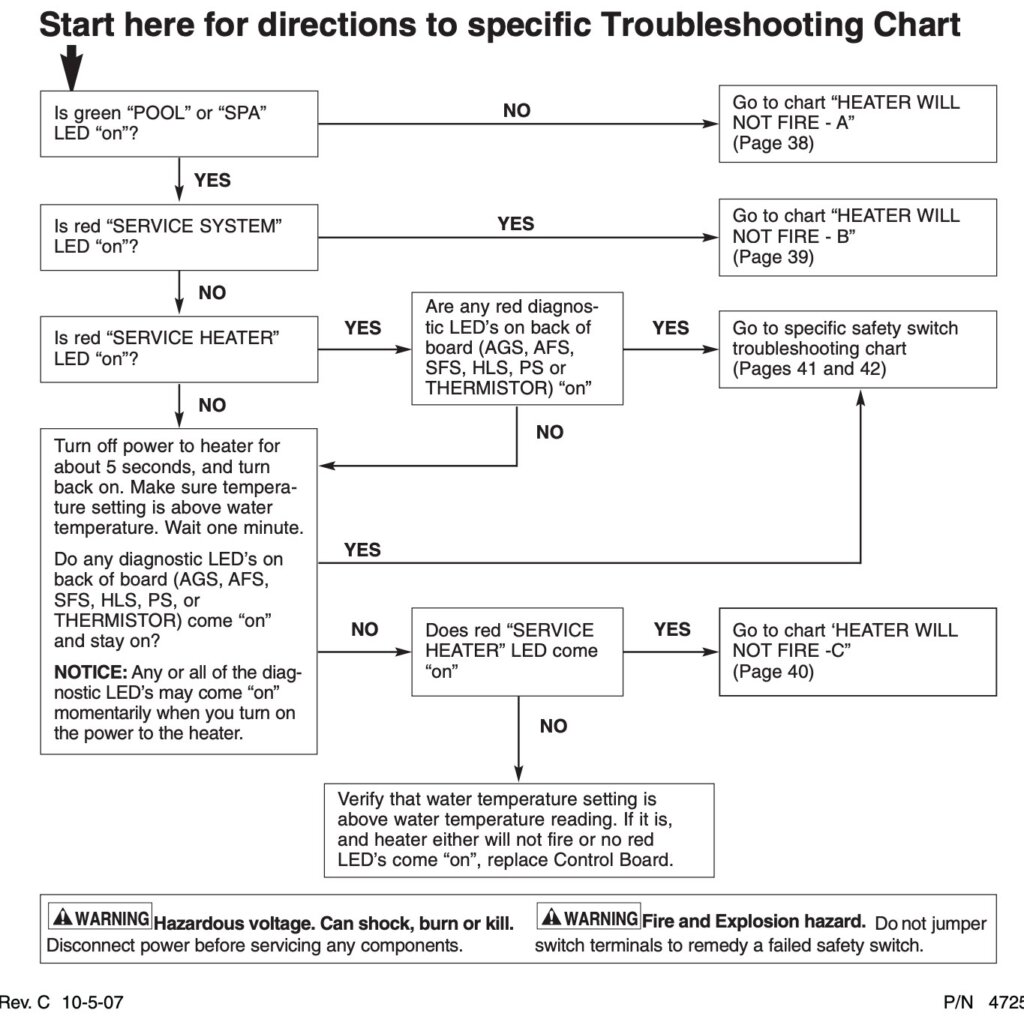
Credit: intheswim.com
Advanced Troubleshooting Steps
Advanced troubleshooting steps help diagnose complex pool heater issues. These steps require careful inspection and some technical knowledge. They focus on components that often cause heating failures but are not visible at first glance. Follow these methods to pinpoint problems beyond basic checks.
Checking Pressure Switches
The pressure switch ensures proper water flow before the heater starts. A faulty switch can prevent ignition or cause the heater to shut off. Test the switch with a multimeter to confirm it opens and closes at the correct pressure. Clean any debris around the switch and pipes. Replace the switch if readings are outside the recommended range.
Ignition Module And Control Board
The ignition module controls spark and flame ignition in gas heaters. A damaged module causes failed starts or repeated attempts to ignite. Inspect the module for burn marks, cracks, or loose connections. The control board manages heater functions and safety features. Check for error codes on the display, which indicate board faults. Replace faulty ignition modules or control boards carefully, following manufacturer guidelines.
Wiring And Electrical Inspections
Loose or damaged wiring often causes intermittent heater operation. Turn off power before inspecting all wiring connections. Look for frayed wires, corrosion, or burnt insulation. Use a voltage tester to verify power reaches all components. Secure any loose wires and replace damaged cables. Proper electrical contact ensures reliable heater performance and safety.
Safety Tips And When To Call A Pro
Pool heater troubleshooting requires careful attention to safety. Handling electrical and gas parts without caution can cause injury or damage. Knowing when to stop and call a professional saves time and keeps you safe. This section covers essential safety tips and signals that mean professional help is needed.
Handling Electrical And Gas Components Safely
Always turn off power before working on electrical parts. Use insulated tools to avoid shocks. Never touch wires with wet hands or while standing in water. For gas heaters, ensure the gas supply is off before any inspection. Check for gas leaks by smelling or using a soap solution to spot bubbles. Avoid open flames or sparks near the heater. Wear gloves and safety glasses during maintenance. Keep children and pets away from the heater area. Follow the manufacturer’s safety instructions strictly.
Signs You Need Professional Help
Call a pro if the heater won’t turn on after basic checks. Strange noises or smells indicate internal problems. Persistent error codes on the display need expert diagnosis. Gas smell near the heater requires immediate professional attention. Water leaks around the heater suggest seal or pipe damage. If you find burnt wires or tripped breakers often, get a technician. Complex repairs or part replacements should not be DIY. Hiring a certified expert prevents further damage and safety risks.
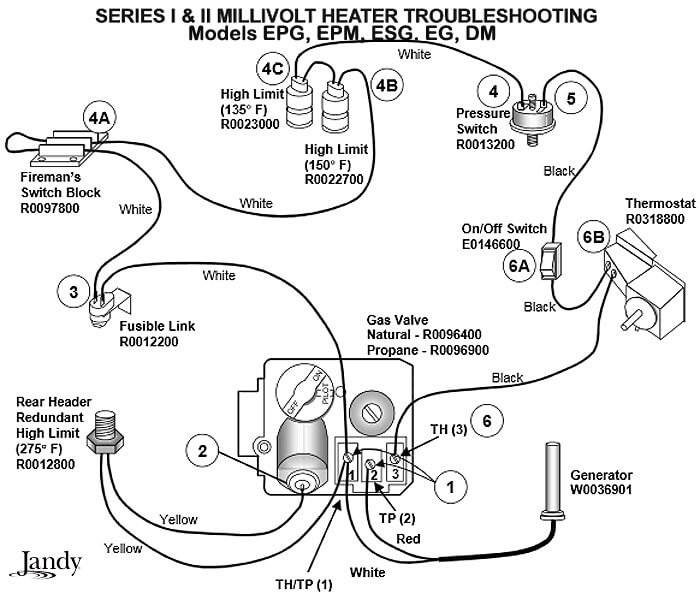
Credit: intheswim.com
Quick Fixes For Warm Water Now
Getting warm water quickly from your pool heater often means tackling simple issues first. Many common problems stop the heater from working well. These quick fixes restore heat fast without waiting for a repair call. Follow easy steps to get your pool water cozy again.
Resetting Breakers And Thermostat
Start by checking the circuit breaker for your pool heater. A tripped breaker cuts power and stops heating. Flip it off and then back on to reset. Next, look at the thermostat. Make sure it is set higher than the current water temperature. Adjust it to a warmer setting if needed. This restarts the heater and tells it to warm the water.
Cleaning Filters And Removing Debris
Dirty filters block water flow and lower heater performance. Remove the pool filter and rinse it well. Clear out leaves, dirt, and other debris around the heater and pump. Clean pump baskets too. Clean filters let water pass freely, helping the heater warm the pool faster. Check filters monthly for best results.
Adjusting Valves For Proper Flow
Valves control water flow through the heater. Closed or partly closed valves reduce heat transfer. Open all valves fully that send water to the heater. Look for bypass valves that might divert water away. Proper valve settings ensure enough warm water circulates in the pool quickly. Adjust valves slowly and test the water temperature after changes.
Frequently Asked Questions
How To Diagnose Pool Heater Problems?
Check the thermostat setting and power supply first. Inspect and clean the filter and pump basket. Verify valves direct water to the heater. Look for error codes and debris blocking air or burner ports. Test the pressure switch and ignition system.
Call a professional for complex electrical or gas issues.
Why Is My Pool Heater Not Kicking On?
Check power supply and gas valve first. Ensure thermostat is set correctly. Clean dirty filters and clear debris. Verify pump and water flow work properly. Inspect pressure switch and ignition system for faults.
What Is The Most Common Part Failure That Causes No Heat?
The most common part failure causing no heat is a clogged or dirty filter. It restricts water flow, preventing proper heating.
How To Diagnose A Heater Problem?
Diagnose heater problems by checking power supply, thermostat settings, and gas valves. Clean filters and inspect pump operation. Look for error codes and clear debris blocking air or water flow. Test pressure switch and ignition components. Call a professional for electrical or gas issues.
Why Is My Pool Heater Not Turning On?
Check the circuit breaker and gas supply first. A tripped breaker or closed gas valve often stops the heater. Also, verify the thermostat settings and mode.
Conclusion
Troubleshooting your pool heater helps keep your water warm and comfortable. Check power, gas supply, and thermostat settings first. Clean filters and clear debris to improve water flow. Watch for error codes and inspect valves carefully. Regular maintenance prevents many common problems.
Stay patient and methodical during each step. A working heater means more swim time and less stress. Keep these tips handy for quick fixes anytime. Your pool will stay inviting all season long.