Is your pool light suddenly not working? It’s frustrating when the inviting glow of your pool goes dark, especially when you want to enjoy those relaxing evening swims.
But before you call a professional or worry about costly repairs, there are simple troubleshooting steps you can take yourself. You might be surprised how often the problem is an easy fix—like a tripped breaker, a burnt-out bulb, or a corroded socket.
In this guide, you’ll learn clear, straightforward ways to diagnose why your pool light isn’t working and how to get it shining again quickly and safely. Keep reading, and you’ll be back to lighting up your pool in no time!
Common Causes
Pool lights can stop working due to a few common issues. Identifying these causes helps fix the problem quickly. Most pool light troubles come from simple electrical or hardware faults. Checking these areas first saves time and effort.
Burnt Out Bulb
The bulb is the most common reason a pool light fails. Bulbs wear out after long use. Replacing the bulb often restores the light immediately. Always use the correct bulb type for safety and performance.
Corroded Socket
Water and chemicals cause corrosion in the bulb socket. Corrosion blocks electrical contact and stops the light. Inspect the socket for rust or buildup. Cleaning or replacing the socket fixes this issue.
Wiring Issues
Loose or damaged wiring can interrupt power to the light. Wires may break or fray over time. Check wiring connections and insulation carefully. Repairing or replacing wires can restore light function.
Tripped Gfci Or Breaker
Pool lights often connect to a GFCI or circuit breaker. These devices cut power during faults to prevent shocks. A tripped GFCI or breaker stops the light from working. Resetting them usually fixes the problem.
Safety Precautions
Safety is the top priority when troubleshooting a pool light not working. Electricity and water create a dangerous mix. Taking the right precautions helps prevent accidents and injuries. Follow these essential safety steps before starting any work on your pool light.
Turn Off Power
Always switch off the power at the breaker box before touching the pool light. Confirm the power is off by testing the light switch or using a voltage tester. Working on live electrical parts can cause shocks or worse. Never skip this step.
Use Proper Tools
Use insulated tools designed for electrical work. Avoid metal tools without insulation to reduce shock risk. Keep tools dry and in good condition. Proper tools make the job safer and easier to perform.
Avoid Water Contact
Water and electricity do not mix. Keep your hands and tools dry while working. Stand on a dry surface and avoid leaning into the pool. If the area is wet, wait for it to dry or use waterproof gloves. These precautions lower the chance of electric shock.
Testing The Bulb
Testing the bulb is a key step in fixing a pool light that is not working. The bulb might be burnt out or damaged. Checking the bulb helps to know if it needs replacement or if the problem is elsewhere. This process is simple and can save time and money.
Remove And Inspect Bulb
Start by turning off the pool light power to avoid electric shock. Carefully remove the bulb from its socket. Look for signs of damage like dark spots, broken filament, or discoloration. A damaged bulb will not light up and needs replacement. Even if the bulb looks okay, keep it for the next test.
Test Bulb In Another Fixture
Find a working fixture that fits the bulb type. Place the bulb in this fixture and turn it on. If the bulb lights up, it is still good and the problem is likely with the pool’s wiring or socket. If the bulb does not light up, it is faulty and must be replaced. Testing in another fixture confirms the bulb’s condition clearly.

Credit: www.youtube.com
Checking Electrical Supply
Checking the electrical supply is a key step in troubleshooting a pool light that is not working. The pool light relies on electricity to function properly. Without a steady power source, the light will not turn on. This section helps you confirm if the light is getting power and if the electrical system is working well.
Use Voltage Tester
Start by using a voltage tester to check the power at the pool light. A voltage tester can show if electricity is reaching the light socket. Turn off the power before touching wires. Then turn it back on and carefully test the wires. No voltage means the power is not reaching the light. This points to an electrical issue.
Inspect Breaker And Gfci
Next, check the circuit breaker and the GFCI (Ground Fault Circuit Interrupter) for the pool light. The breaker might have tripped and cut power to the light. The GFCI can also trip if it detects a problem. Locate the breaker panel and GFCI outlet near your pool. Look for any switches that are off or in the middle position.
Reset Gfci
Resetting the GFCI often fixes power issues with pool lights. Press the reset button on the GFCI outlet. You should hear a click. Then check if the pool light turns on. Sometimes, moisture or a small fault trips the GFCI. Resetting it restores power. If it trips again immediately, call an electrician.
Inspecting The Socket
Inspecting the socket is a key step in troubleshooting a pool light that is not working. The socket holds the bulb and connects it to the power source. Dirt, moisture, or damage can affect the socket’s performance. Careful inspection can help find hidden problems that stop the light from turning on.
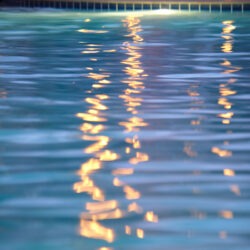
Look For Corrosion
Corrosion appears as a green or white powder on metal parts. It happens when water seeps into the socket. Corroded sockets do not conduct electricity well. Check the socket inside and outside for any signs of corrosion. Clean small spots with a soft brush and a mild cleaner. Replace the socket if corrosion is severe.
Check For Loose Connections
Loose wires can cause the pool light to flicker or fail. Gently wiggle the wires connected to the socket. Tighten any loose screws or connectors. Make sure the wires are attached firmly. Avoid pulling or damaging the wires during inspection. Good contact is necessary for the light to work properly.
Test Continuity With Multimeter
A multimeter helps check if electricity flows through the socket. Set the multimeter to the continuity mode. Touch the probes to the socket’s terminals. A beep or a low reading means good continuity. No sound or a high reading shows a break inside the socket. Replace the socket if it fails the continuity test.
Credit: watertexpools.com
Replacing The Bulb
Replacing the bulb is a common fix for a pool light that stops working. Pool bulbs wear out over time and lose brightness or fail completely. Changing the bulb can restore your pool’s lighting quickly. This process does not require draining your pool. Follow the steps below to replace the bulb safely and efficiently.
Remove Light Fixture Without Draining
First, turn off the power to the pool light at the breaker. This step is essential for safety. Next, locate the light fixture on the pool wall. Most fixtures have a faceplate held by screws or clips. Unscrew or unclip the faceplate carefully. Gently pull the fixture out of the niche. It may be tight, so wiggle it slowly. Keep the fixture connected to the power cord. Place the fixture on the pool deck to access the bulb.
Install New Bulb
Check the bulb type before buying a replacement. Use the exact model to avoid damage. Handle the new bulb with clean gloves or a cloth. Oils from your skin can shorten the bulb’s life. Remove the old bulb by twisting or pulling it out, depending on the fixture. Insert the new bulb firmly into the socket. Make sure it fits snugly without forcing it. Avoid touching the glass part of the bulb.
Seal And Reinstall Fixture
Inspect the gasket or seal around the fixture. Replace it if damaged to prevent water leaks. Apply waterproof silicone if needed for extra sealing. Carefully push the fixture back into the niche. Align the faceplate and secure it with screws or clips. Turn the power back on and test the light. The new bulb should shine brightly, lighting up your pool again.
Advanced Troubleshooting
Advanced troubleshooting helps solve deeper pool light problems. It goes beyond basic checks. This section covers critical steps to fix complex issues. Follow these tips carefully for safety and success.
Check Wiring Insulation
Inspect the wiring insulation around the pool light. Look for cracks, wear, or damage. Damaged insulation can cause short circuits or electrical failures. Use a flashlight to see clearly inside the junction box. Replace any wires with broken or missing insulation. Make sure the wires are dry and free from corrosion. Proper insulation keeps electricity flowing safely.
Replace Damaged Socket
The bulb socket might wear out over time. Check the socket for rust, corrosion, or loose parts. A damaged socket stops the bulb from lighting up. Turn off power before handling the socket. Remove the old socket carefully and install a new one. Use the right socket model for your pool light. This fix often restores proper lighting quickly.
Consult Professional Help
Some problems need expert attention. Call a licensed electrician or pool technician. They have tools and knowledge for complex repairs. Professionals can safely test wiring and electrical parts. They also follow local safety codes and regulations. Avoid risking injury or damage by attempting tough fixes yourself. Expert help ensures your pool light works reliably.
Credit: www.bluesquaremfg.com
Maintaining Pool Lights
Maintaining pool lights ensures safety and enhances your pool’s beauty. Regular care helps avoid sudden light failures. It also extends the life of your lighting system. Proper maintenance keeps the electrical parts safe and dry. Follow simple steps to keep your pool lights working smoothly.
Regular Inspection
Check pool lights at least once a month. Look for cracks or damage on the light covers. Make sure the lights turn on properly. Watch for flickering or dim lighting. Inspect wiring for wear or loose connections. Early detection prevents bigger problems later.
Prevent Moisture Build-up
Moisture can cause corrosion and short circuits. Ensure seals around the light fixtures are tight. Replace worn-out gaskets to stop water leaks. Use a moisture absorber near electrical boxes. Keep the pool area dry and well-ventilated. This reduces the chance of water damage.
Schedule Professional Checks
Hire a pool electrician once a year. Professionals test voltage and wiring safety. They can spot hidden electrical issues. Experts also clean and replace parts if needed. Regular professional checks keep your pool lights safe and reliable.
Frequently Asked Questions
Why Would Pool Lights Stop Working?
Pool lights stop working due to burnt-out bulbs, tripped GFCI breakers, corroded sockets, faulty wiring, or transformer issues. Check connections and reset breakers first.
Can You Fix A Pool Light Without Draining The Pool?
Yes, you can fix or replace a pool light without draining the pool. Most lights detach from the wall and lift out of the water. Always turn off power before handling the fixture to ensure safety.
How Do I Reset My Pool Light?
To reset your pool light, first turn off the power at the circuit breaker. Next, locate and press the GFCI reset button near the pool. Check the bulb and wiring for damage. Restore power and test the light. Repeat if necessary.
How To Check If A Pool Light Is Bad?
Remove the bulb and test it in a working fixture. Check voltage at the light socket using a tester. Inspect for corrosion or loose wires. Reset the GFCI breaker if tripped. Replace the bulb or fixture if tests fail.
Why Is My Pool Light Not Turning On?
Pool lights may fail due to a blown bulb, tripped GFCI, or wiring issues. Check the circuit breaker and GFCI first. Inspect the bulb and replace if needed.
Conclusion
Troubleshooting your pool light saves time and money. Check the bulb, wiring, and GFI first. Clean any corrosion around the socket. Test voltage with a simple tester to find issues. Replace parts carefully without draining the pool. Regular checks keep your pool safe and bright.
Small fixes often restore light quickly. Stay patient and follow steps one by one. Bright pool nights are worth the effort.