Is your pool pump acting up and leaving your pool water stagnant? You’re not alone.
Pool pump problems can be frustrating, especially when you don’t know where to start fixing them. Whether your pump won’t start, shuts off suddenly, or runs but doesn’t circulate water, these issues can quickly ruin your swim time and rack up repair costs.
But here’s the good news: many common pool pump problems have simple troubleshooting steps you can try yourself. In this guide, you’ll discover easy-to-follow solutions that can save you time, money, and stress. Keep reading to learn how to identify what’s wrong with your pool pump and get it back to running smoothly—so you can enjoy your pool worry-free.
Common Pump Issues
Pool pumps are essential for clean and safe swimming water. Problems with the pump can cause poor water circulation and damage. Identifying common pump issues helps keep your pool running smoothly. Some problems are easy to fix, while others need professional help.
Motor Overheating
The motor can get too hot from poor ventilation or overuse. Dust or debris blocks airflow, causing heat buildup. Overheating can damage the motor windings and cause the pump to stop. Regular cleaning and proper installation prevent this problem.
Mechanical Seal Leaks
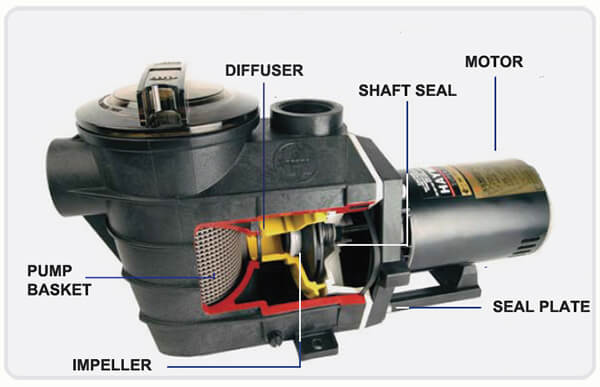
Mechanical seals stop water from leaking near the motor shaft. These seals wear out due to age or dry running. Leaks cause water damage and reduce pump efficiency. Replacing the seals quickly avoids bigger repairs and protects the motor.
Impeller Damage
The impeller moves water through the pump. It can get damaged by debris or wear over time. A broken impeller lowers water flow and strains the motor. Cleaning the pump basket and removing debris helps prevent damage.
Pump Not Priming
Priming means filling the pump with water to start working. Air leaks or low water level cause the pump not to prime. Without priming, the pump runs dry and may overheat. Check for leaks and keep the pool water at the right level.
No Water Circulation
No water flow means the pump is not moving water through the system. This issue can come from clogs, closed valves, or broken parts. Inspect and clear blockages, and make sure valves are open. Proper circulation keeps the pool clean and healthy.
Pump Shuts Off Early
The pump stopping after a short time often shows motor overheating or electrical faults. Blocked impellers strain the motor and cause shutdowns. Clean the impeller and check the motor’s wiring. Early shutdowns reduce pump life and pool water quality.
Causes Behind Failures
Understanding the causes behind pool pump failures helps in quick troubleshooting. Pool pumps face many stresses that lead to breakdowns. Some issues start small but worsen over time without attention. Identifying the root cause saves time and money on repairs. Common causes include mechanical errors, wrong choices, and poor maintenance. Each factor affects pump performance differently. Below are key reasons why pumps fail and how they impact operation.
Misalignment Problems
Misalignment occurs when the pump and motor shafts do not line up properly. This causes extra strain on bearings and seals. Over time, the stress leads to premature wear and failure. Misaligned parts increase vibrations and noise. Fixing alignment prevents costly damage and extends pump life.
Wrong Pump Selection
Choosing the wrong pump for your pool size or water type leads to problems. A pump too small will overwork and burn out quickly. A pump too large wastes energy and may cause water flow issues. Pumps must match the pool’s needs to work efficiently and last longer.
Cavitation Effects
Cavitation happens when vapor bubbles form inside the pump due to low suction pressure. These bubbles collapse violently, damaging the impeller and internal parts. Cavitation reduces pump efficiency and causes noise. It often results from clogged filters or incorrect pump placement.
Foreign Debris Damage
Debris like leaves, rocks, or dirt can enter the pump and cause serious harm. Foreign objects block water flow and damage impellers. This leads to overheating and mechanical failure. Regular cleaning of the pump basket helps prevent debris damage.
Lack Of Lubrication
Lubrication keeps moving parts running smoothly and reduces friction. Without enough lubrication, bearings and seals wear out quickly. This causes overheating and can seize the pump. Routine lubrication is essential for reliable pump operation.
Electrical Faults
Electrical problems such as loose connections or faulty capacitors cause pump failures. These faults can prevent the motor from starting or cause it to overheat. Inspecting wiring and components regularly keeps the pump running safely. Hiring a professional electrician is advised for complex issues.
Quick Fixes To Try
Pool pumps often face common issues that can be fixed quickly without professional help. Trying simple troubleshooting steps saves time and money. These easy fixes improve pump performance and extend its life. Follow these quick methods to solve typical pool pump problems.
Cleaning Impellers And Filters
Impellers and filters get clogged with debris over time. Remove the pump cover and take out the impeller. Clean off leaves, dirt, and algae carefully. Rinse the filter with water and let it dry. Clean parts help the pump run smoothly and prevent overheating.
Checking And Replacing Capacitors
Capacitors help the motor start and run efficiently. A bad capacitor stops the pump from working properly. Test the capacitor with a multimeter for damage. Replace it with the exact model if it fails. This quick fix often restores pump operation fast.
Realigning Pump And Motor
Misalignment causes noise, vibration, and bearing wear. Turn off power before adjusting. Loosen the mounting bolts and gently shift the motor and pump. Align shafts so they sit straight and centered. Tighten bolts securely. Proper alignment reduces stress on parts.
Clearing Blockages
Blockages restrict water flow and strain the motor. Check the suction and discharge lines for debris or buildup. Remove any leaves, sticks, or dirt found inside. Flush the pipes with water to clear small clogs. Free-flowing water ensures better pump efficiency.
Lubricating Bearings
Bearings need lubrication to reduce friction and heat. Locate the bearing caps on the motor. Use the correct lubricant recommended by the manufacturer. Apply a small amount evenly to avoid over-lubricating. Regular lubrication extends bearing life and prevents noise.
Improving Motor Ventilation
Poor ventilation causes motor overheating and shutdowns. Clear dust and dirt from cooling vents using a soft brush or air blower. Ensure the pump area has good airflow without obstructions. Keep the motor dry and shaded from direct sunlight. Cooler motors run longer and safer.

Credit: mrpoolman.com.au
Maintenance Tips
Proper maintenance of your pool pump extends its life and ensures smooth operation. Regular care helps spot problems early, saving time and money. Follow these simple tips to keep your pump running well all season.
Regular Inspection Schedule
Check your pool pump at least once a month. Look for leaks, cracks, or unusual noises. Inspect the pump basket and clean out any debris. Early detection of wear prevents major repairs later.
Proper Lubrication Practices
Lubricate pump seals and bearings as recommended in the manual. Use only the correct type of lubricant. Too much or too little lubrication can cause damage. Keep moving parts smooth and quiet.
Debris Prevention Strategies
Use a skimmer net to remove leaves and dirt from the pool. Clean the pump’s strainer basket regularly. Install a pool cover to reduce debris entry. Prevent clogs that cause the pump to overwork.
Electrical System Checks
Turn off power before inspecting electrical parts. Check wiring for frays or loose connections. Test the motor’s start capacitor for proper function. Replace damaged components to avoid pump failure or fire risks.
Pump Storage Guidelines
Drain water from the pump before winter storage. Store in a dry, cool place away from direct sunlight. Cover the pump to protect it from dust and pests. Proper storage prevents corrosion and freezing damage.
When To Call A Pro
Knowing when to call a professional for pool pump problems saves time and prevents damage. Some issues need expert attention due to safety or technical complexity. Acting early can protect your pool system and avoid costly repairs. Below are key signs that require a pro’s help.
Electrical Overheating Issues
Overheating motors can cause serious damage or fire risks. If the pump motor feels very hot or trips breakers often, do not try to fix it yourself. A licensed electrician can check wiring, capacitors, and cooling systems safely. Electrical problems need proper tools and knowledge.
Severe Mechanical Damage
Cracked housings, broken impellers, or leaking seals show severe mechanical damage. These parts affect pump performance and water flow. Repairing or replacing damaged components requires skill and special parts. Professionals ensure the pump works correctly after repairs.
Complex Installation Problems
Improper pump alignment or incorrect pipe fitting causes poor performance. If you notice strange noises or leaks after installation, a pro can inspect the setup. Complex plumbing or electrical work needs expert tools and experience. Correct installation avoids future breakdowns.
Persistent Performance Drops
Continuous loss of water pressure or weak flow signals deeper issues. Simple cleaning may not fix these problems. A technician can diagnose hidden faults like motor wear or impeller damage. Persistent problems need thorough testing and precise repairs.
Credit: intheswim.com
Money-saving Advice
Saving money on pool pump repairs means smart choices and careful work. Basic knowledge helps spot problems early. Acting fast stops small issues turning into costly repairs. This section shares simple money-saving tips for your pool pump troubles.
Diy Repair Safety
Always turn off the power before starting repairs. Use insulated tools to avoid electric shocks. Wear safety glasses and gloves to protect yourself. Follow the pump’s manual for correct steps. If unsure, call a professional to prevent damage or injury. Safety first saves money and stress.
Choosing Cost-effective Parts
Buy parts that fit your pump model exactly. Avoid cheap parts that may fail quickly. Look for quality brands with good reviews. Compare prices online and in stores to find the best deal. Using the right parts reduces the chance of repeated repairs.
Energy Efficiency Tips
Run the pump during off-peak hours to lower electricity bills. Clean the pump and filter regularly for better flow. Check for leaks or blockages that make the pump work harder. Consider a variable speed pump to save energy. Efficient use cuts costs over time.
Avoiding Premature Replacements
Keep the pump clean and dry to prevent corrosion. Lubricate moving parts as recommended by the manufacturer. Inspect the motor and seals often for signs of wear. Fix small issues before they grow into big problems. Regular care helps your pump last longer and saves money.
Credit: poolpartstogo.com
Frequently Asked Questions
How To Diagnose Pool Pump Issues?
Check for loose connections, damaged wiring, or blown fuses. Inspect the impeller and motor for blockages or overheating. Listen for unusual noises. Test the start capacitor with a multimeter. Ensure proper pump alignment and adequate lubrication. Hire a qualified electrician if unsure about electrical issues.
What Is The 1 Cause Of Pump Failure?
The 1 cause of pump failure is mechanical seal failure, often due to dry running, overheating, or corrosion.
Why Does My Pool Pump Shut Off After A Few Minutes?
A pool pump shuts off after minutes due to motor overheating, a faulty start capacitor, or debris blocking the impeller. Check for dust buildup and clean ventilation. Test and replace the start capacitor if needed. Ensure proper motor cooling to prevent shutdowns.
Why Is My Pump Working But Water Not Circulating?
Your pump may run but not circulate water due to a blocked pipe, reversed impeller rotation, or stuck pump parts. Check for clogs and ensure the impeller spins freely. Inspect power connections and remove obstructions to restore flow.
Why Does My Pool Pump Shut Off After A Few Minutes?
A pool pump that stops quickly often has an overheating motor or a bad start capacitor. Debris blocking the impeller can cause extra motor strain. Cleaning dust from the motor’s vents helps it cool better and run longer.
Conclusion
Troubleshooting pool pump problems helps keep your pool clean and safe. Regular checks prevent damage and costly repairs. Watch for signs like unusual noises or no water flow. Clean debris from the impeller and ensure proper alignment. Keep the motor well-ventilated to avoid overheating.
Simple maintenance extends your pump’s life and improves efficiency. Stay patient and follow step-by-step guides for best results. Your pool pump will run smoothly with proper care and attention.