Is your steering wheel feeling stiff or making strange noises when you turn? These are clear signs that your power steering system might be having issues.
If you’ve noticed your car becoming harder to steer or strange sounds coming from under the hood, you’re not alone—and it’s crucial to act before small problems turn into costly repairs. In this guide, you’ll learn how to spot the most common power steering problems, understand what causes them, and discover simple troubleshooting steps you can try yourself.
Keep reading to take control of your car’s steering performance and keep your drives smooth and safe.

Credit: www.youtube.com
Common Power Steering Issues
Power steering makes driving easier by reducing effort needed to turn the wheel. Common issues can cause steering to feel stiff, noisy, or unresponsive. Identifying these problems early helps avoid costly repairs and improves safety. Here are frequent power steering problems and how they affect your vehicle.
Low Fluid Levels And Leaks
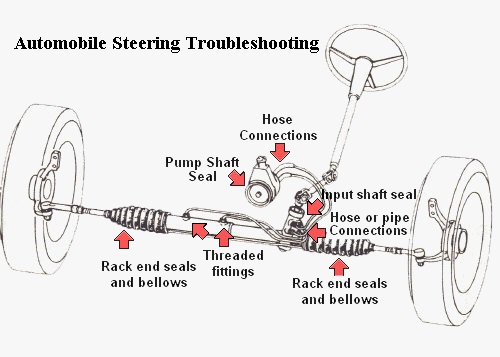
Low power steering fluid causes poor system performance. Leaks often come from worn hoses or seals. Without enough fluid, the pump cannot create pressure. This makes steering heavy and difficult. Check fluid regularly for level and color. Dark or dirty fluid means it needs replacement.
Worn Power Steering Pump
The pump pushes fluid to assist steering. Over time, seals and parts wear out. This reduces pressure and causes noises like whining or groaning. A failing pump can lead to jerky or stiff steering. Early replacement prevents further damage.
Damaged Or Slipping Drive Belt
The drive belt powers the pump. Cracks, fraying, or slipping stops the pump from working properly. A loose or worn belt causes squealing sounds. It can also reduce fluid pressure. Inspect the belt often and replace it if damaged.
Air In The Hydraulic System
Leaks can let air enter the hydraulic lines. Air causes a “notchy” or inconsistent steering feel. It also makes noises during turning. Bleeding the system removes trapped air. This restores smooth steering operation.
Worn Steering Rack And Gearbox
The rack and gearbox transfer fluid pressure to move wheels. Wear inside these parts reduces steering response. It can cause vibrations or unusual noises. Severe wear may lead to fluid leaks. Repair or replace worn components promptly.
Electric Power Steering Problems
Electric power steering (EPS) problems can disrupt your driving experience. Unlike hydraulic systems, EPS relies on electrical components to assist steering. These issues often stem from faults in the electrical system. Identifying the root cause helps prevent further damage and ensures safe steering.
Electrical Failures And Sensor Issues
Electric power steering depends on sensors to monitor wheel position and steering effort. Faulty sensors send incorrect signals, causing poor steering response. Wiring problems or loose connections can also interrupt communication. These failures may trigger warning lights on your dashboard. Regular checks of sensors and wiring help spot issues early.
Blown Fuses And Bad Relays
Fuses protect EPS circuits from electrical surges. A blown fuse cuts power to the steering system, making it unresponsive. Relays control the power flow to the EPS motor. A bad relay can stop the motor from working properly. Inspect fuses and relays if the steering feels heavy or unpowered. Replacing faulty parts often restores normal function.
Alternator And Control Module Faults
The alternator powers the EPS and charges the battery. A failing alternator can cause voltage drops, affecting steering assist. The control module processes sensor data and controls the EPS motor. Software glitches or hardware faults in the module disrupt steering. Testing the alternator and control module helps diagnose these hidden problems.
Symptoms Of Pump Failure
Power steering pump failure can disrupt smooth driving and cause safety risks. Recognizing early symptoms helps prevent costly repairs. Watch for changes in steering feel and unusual noises. Check the fluid condition often to spot issues early.
Whining And Groaning Noises
A failing pump often makes whining or groaning sounds. These noises happen when the pump struggles to push fluid. The louder the noise during steering, the more serious the problem. Ignoring these sounds can cause total pump failure.
Stiff And Jerky Steering
Difficulty turning the wheel is a clear sign of pump trouble. Steering may feel stiff or jerky, especially at low speeds. The pump may not generate enough pressure to help with smooth turns. This symptom makes driving tiring and unsafe.
Fluid Leaks And Contamination
Leaks around the pump area signal worn seals or hoses. Fluid puddles under the car are a major warning. Contaminated or dirty fluid can also harm the pump and steering system. Regularly check for leaks to avoid pump damage.
Foamy Or Bubbly Fluid
Foam or bubbles in power steering fluid indicate air in the system. Air reduces hydraulic pressure and causes poor steering response. This problem often arises from leaks or loose fittings. Clear fluid means the system is sealed and healthy.

Credit: www.cbac.com
Hydroboost Unit Troubles
The hydroboost unit plays a key role in power steering and brake systems. It uses hydraulic pressure from the power steering pump to assist braking force. Troubles with this unit affect braking and steering performance. Recognizing these signs early helps keep driving safe.
Hard Brake Pedal And Longer Stops
A failing hydroboost can cause a hard brake pedal. The pedal feels stiff and requires more effort to press. Braking distances grow longer because the unit cannot boost pressure properly. This issue makes stopping the vehicle difficult and unsafe.
Steering Stiffness Linked To Hydroboost
Steering may become stiff if the hydroboost leaks or loses pressure. The power assist reduces, making the wheel harder to turn. This stiffness often occurs during or after braking. It signals a drop in hydraulic support from the hydroboost unit.
Fluid Leaks Into Cabin
Hydroboost failure sometimes causes brake fluid leaks inside the vehicle cabin. Fluid may appear under the dashboard or near the brake pedal. This leak can damage interior parts and reduce braking efficiency. Any signs of fluid inside the car need immediate attention.
Loss Of Power Assist After Braking
Power assist may drop suddenly after applying brakes. The hydroboost may fail to maintain pressure once the brake pedal is released. This results in weak steering assistance during normal driving. Such loss of power assist compromises vehicle control and safety.
Distinguishing Pump And Hydroboost Issues
Distinguishing between power steering pump issues and hydroboost problems is vital for safe driving. Both parts assist vehicle control but affect different systems. The pump aids steering, while the hydroboost supports braking. Identifying the source of trouble helps target repairs effectively.
Focus On Steering Problems
Power steering pump issues show as whining or groaning noises. Steering feels stiff, jerky, or hard to turn. Fluid leaks near the pump or low fluid levels are common signs. Air bubbles in the fluid cause a rough steering feel. A slipping or worn drive belt can stop the pump from working properly.
Focus On Braking Difficulties
Hydroboost failure often leads to harder braking and a stiff brake pedal. The brakes may feel unresponsive or slow to engage. Leaks around the hydroboost unit reduce pressure and braking power. Steering may also become stiffer due to the shared hydraulic system. Repairing or replacing the hydroboost restores safe brake function.
Quick Checks And Fixes
Quick checks and fixes help spot power steering problems early. These simple steps save time and prevent costly repairs. Start with easy inspections and basic maintenance. Keep your steering smooth and safe with regular care.
Check Fluid Level And Condition
Low fluid causes most power steering failures. Open the reservoir cap and check the level. Use the dipstick or markings on the container. Fluid should be clear or light red. Dark or dirty fluid means contamination. Top off with the recommended power steering fluid if low. Avoid mixing different fluid types.
Inspect Hoses And Belts
Look for cracks, leaks, or loose connections in hoses. Damaged hoses cause fluid loss and air entry. Check the drive belt for wear and tightness. A slipping or broken belt stops the pump from working. Replace belts that look cracked or frayed. Secure loose hoses and clamps properly.
Listen For Unusual Noises
Squealing noises often come from a worn or slipping belt. Grinding or whining sounds may signal pump or rack issues. These noises indicate low fluid or worn parts. Pay attention while turning the steering wheel. Early noise detection helps avoid bigger failures.
Flush Dirty Power Steering Fluid
Old fluid reduces steering efficiency and damages components. Flushing removes dirt and contaminants from the system. Use a power steering fluid flush kit or get professional service. Replace with fresh fluid to restore performance. Regular flushing extends pump and rack life.
When To Seek Professional Help
Knowing when to seek professional help for power steering problems is vital. Some issues need expert attention to prevent further damage or safety risks. Early diagnosis by a mechanic can save money and keep your vehicle safe.
Persistent Noise And Steering Issues
Unusual noises like whining or groaning from the steering pump signal trouble. Stiff or jerky steering also shows a deeper problem. These signs mean the power steering system is failing. Mechanics can diagnose and fix these issues properly.
Visible Fluid Leaks
Spotting power steering fluid under your car is a clear warning. Leaks come from worn hoses, seals, or the pump. Fluid loss reduces system pressure, making steering harder. Professionals can find the leak source and repair it quickly.
Safety Concerns While Driving
Difficulty steering affects control and increases accident risk. If the steering feels heavy or unpredictable, stop driving. A mechanic must inspect the system before using the car again. Safety should always be the top priority on the road.
Credit: bestengineeringprojects.com
Frequently Asked Questions
What Is The Most Common Power Steering Problem?
The most common power steering problem is low fluid caused by leaks in hoses, seals, or a failing pump. This reduces pressure and steering assist. Worn drive belts and pump wear also frequently cause steering issues.
How Do I Know If My Power Steering Pump Or Hydroboost Is Bad?
Whining noises, stiff or jerky steering, fluid leaks, and bubbly fluid indicate a bad power steering pump. Hard braking, stiff steering, and leaks, especially inside the cabin, signal a failing hydroboost. Both issues affect steering, but hydroboost problems mainly impact braking performance.
How To Get Trapped Air Out Of A Power Steering Pump?
To remove trapped air from a power steering pump, top off fluid, then turn the steering wheel fully left and right several times with the engine running. Repeat until steering feels smooth and free of noise. Check fluid level again and add if needed.
How Do I Know If My Power Steering Pump Or Rack Is Bad?
Whining or groaning noises and stiff, jerky steering often indicate a bad power steering pump. Check for fluid leaks or bubbles. A worn rack causes uneven steering effort or fluid leaks near the steering gear. Inspect belts, hoses, and fluid condition for accurate diagnosis.
What Causes Common Power Steering Problems In Cars?
Low fluid levels from leaks, worn hoses, or a failing pump are common causes. Worn drive belts or internal pump wear can also reduce pressure and cause issues.
Conclusion
Power steering issues can make driving unsafe and uncomfortable. Check fluid levels and listen for unusual noises often. Inspect hoses and belts regularly to spot wear early. Address problems quickly to avoid costly repairs later. Understanding common causes helps you act faster and drive safer.
Trust your instincts if steering feels stiff or jerky. Regular maintenance keeps your power steering system working smoothly. Stay alert and protect your vehicle with simple checks.