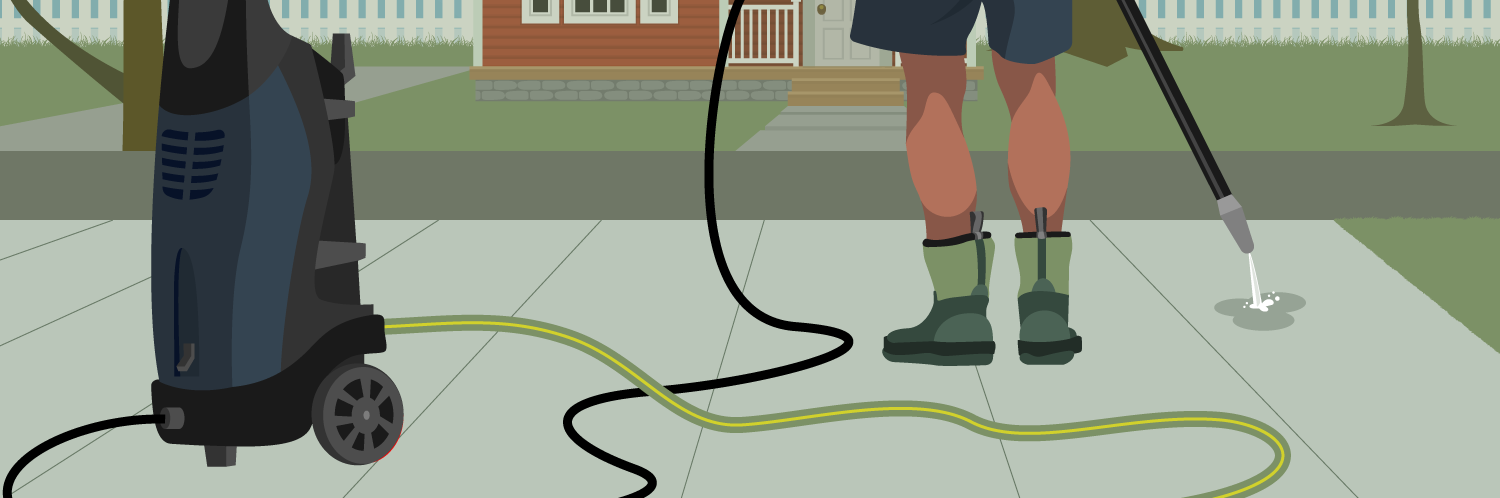
Is your power washer spraying weakly or barely making any pressure? Low pressure can turn a simple cleaning job into a frustrating hassle, wasting your time and effort.
But don’t worry—you can fix it. Most low-pressure issues are caused by easy-to-spot problems like clogged nozzles, trapped air, or loose connections. You’ll learn how to quickly troubleshoot your power washer so it blasts away dirt like new. Keep reading to discover simple checks and expert tips that will get your machine back to full power in no time.
Common Causes Of Low Pressure
Low pressure in a power washer can frustrate any user. Several common issues cause this problem. Understanding these causes helps fix the pressure quickly. This section covers the main reasons behind low pressure.
Clogged Nozzle And Filter
The nozzle can get blocked by dirt or mineral buildup. A clogged nozzle reduces water flow and pressure. The inlet filter also collects debris over time. Cleaning both parts often restores pressure to normal.
Air In The System
Air trapped inside the pump or hoses lowers pressure. This happens when the system is not fully filled with water. Running the washer without the nozzle helps bleed out the air. Removing air restores proper pressure and performance.
Incorrect Nozzle Settings
Using the wrong nozzle size affects water pressure. Nozzles with larger openings reduce pressure but increase flow. Smaller nozzles create higher pressure but less flow. Make sure to use the correct nozzle for the task.
Leaks In Hoses And O-rings
Leaks cause water to escape before reaching the nozzle. Check hoses and O-rings for cracks or holes. Damaged parts lower pressure and reduce cleaning power. Replacing or fixing leaks will improve pressure immediately.
Pump And Unloader Valve Issues
The pump moves water at high pressure. Problems inside the pump reduce this pressure. The unloader valve controls pressure output. A stuck or faulty valve stops pressure from building. Inspecting and repairing these parts helps restore full power.

Credit: support.generac.com
Quick Checks Before Troubleshooting
Low pressure in a power washer can frustrate any cleaning task. Before diving deep into repairs, perform quick checks. These simple steps often solve pressure problems fast. They save time and avoid unnecessary part replacements.
Start with easy inspections. Each check targets common causes of low pressure. Follow these tips closely to improve your power washer’s performance.
Verify Nozzle Type And Clean Debris
Check the nozzle for the correct size and type. A wrong nozzle reduces pressure significantly. Remove the nozzle and look for dirt or mineral buildup. Clean it with a thin wire or soak in vinegar. Reinstall the nozzle firmly to avoid leaks.
Purge Air From The System
Air trapped inside the pump lowers pressure output. Remove the spray nozzle and run the washer for a few seconds. Water flows out, pushing the air out of the system. Turn off the washer, reattach the nozzle, and test pressure again.
Inspect And Clean Inlet Filter
Look at the water inlet filter for clogs. Dirt or debris block water flow, causing low pressure. Remove the filter and rinse under clean water. Replace the filter if damaged or too dirty to clean properly.
Ensure Adequate Water Supply
Check that water supply meets the washer’s needs. Use a garden hose with good water flow. Avoid hoses with kinks or leaks. Low water supply reduces pressure and may damage the pump.
Set Engine Speed To Maximum
Confirm the engine runs at full speed during operation. Low engine speed reduces water pressure. Adjust the throttle control to the highest setting. This ensures the pump works efficiently and delivers strong pressure.
Fixing Blockages
Blockages often cause low pressure in power washers. Dirt, debris, and mineral buildup can clog the water flow. Fixing these blockages restores strong pressure quickly. Regular cleaning keeps your washer working well.
Cleaning The Spray Wand Nozzle
The nozzle is a common spot for blockages. Dirt or small debris can clog the tiny holes. Remove the nozzle tip and soak it in warm water. Use a thin wire or needle to clear any blockage. Rinse the nozzle well before reattaching it to the wand.
Check for uneven spray patterns after cleaning. A clear nozzle ensures steady water flow and strong pressure.
Clearing The Inlet Hose And Filter
The inlet hose carries water into the washer. Dirt or leaves can block this hose, reducing pressure. Disconnect the hose and flush it with clean water. Inspect the filter at the hose connection for clogs. Remove the filter and rinse it thoroughly.
Clean parts allow water to flow freely into the pump. This step often fixes low pressure problems fast.
Removing Mineral Buildup
Hard water can cause mineral deposits inside the washer. These deposits block water paths and reduce pressure. Mix equal parts white vinegar and water. Soak affected parts, like the nozzle and hose, in the solution for 30 minutes.
Use a soft brush to scrub away loosened buildup. Rinse all parts well before use. Removing minerals improves water flow and pressure.

Credit: www.youtube.com
Addressing Air And Water Flow Issues
Low pressure in a power washer often stems from air and water flow issues. These problems affect the pump’s ability to build enough pressure. Fixing them can restore full power and improve cleaning performance.
Check the pump and hoses carefully. Small blockages or trapped air can reduce pressure significantly. Follow these steps to find and fix common air and water flow problems.
Bleeding Air From The Pump
Air trapped inside the pump lowers pressure output. To remove air, turn off the power washer and disconnect the spray nozzle. Run water through the system for a few minutes to flush out air pockets. Reattach the nozzle and test the pressure. Repeat if pressure remains low.
Checking For Kinks Or Obstructions In Hoses
Hoses that are bent or blocked restrict water flow. Inspect all hoses for sharp bends, kinks, or debris inside. Straighten any bent sections carefully. Remove hoses and check for clogs by running water through them. Replace damaged hoses to ensure smooth water flow.
Confirming Open Valves And Water Source
Closed or partially closed valves reduce water supply to the pump. Verify that all valves on the water source and machine are fully open. Check the garden hose for proper water flow. A weak water source can cause low pressure, so ensure the supply is steady and strong.
Repairing Leaks And Worn Parts
Leaks and worn parts often cause low pressure in power washers. Fixing these issues improves water flow and machine performance. Regular checks prevent small problems from becoming big repairs. Focus on key parts like O-rings, hoses, and connections. These components wear out over time and need attention.
Inspecting O-rings For Damage
O-rings seal joints and prevent water leaks. Check each O-ring for cracks or flattening. Damaged O-rings let water escape, lowering pressure. Remove old O-rings carefully and replace with new ones. Use the correct size to ensure a tight seal. Lubricate O-rings lightly with silicone grease before installing. This helps them last longer and fit better.
Replacing Faulty Hoses
Hoses carry water under pressure from the pump to the nozzle. Look for cracks, bulges, or leaks along the hose length. Replace any hose that shows signs of wear or damage. Use hoses rated for your power washer’s pressure level. Secure hose ends tightly to avoid water loss. New hoses restore proper water flow and pressure.
Sealing Loose Connections
Loose connections cause leaks and reduce water pressure. Tighten fittings between hoses, spray guns, and the pump. Use thread seal tape on threaded joints to improve sealing. Check quick-connect fittings for wear or damage and replace if needed. Properly sealed connections keep the pressure steady during use.
Testing And Adjusting Pressure Settings
Testing and adjusting pressure settings is vital when your power washer shows low pressure. Correct pressure ensures effective cleaning and prevents damage to surfaces. This process helps identify if the issue lies in settings or hardware components. Below are key steps to check and adjust pressure for optimal power washer performance.
Using The Correct High-pressure Tip
Choose the right nozzle tip for your cleaning task. Tips vary by spray angle and pressure level. A tip with too wide an angle lowers pressure output. Match the tip size to the surface and dirt type. Clean or replace clogged tips to restore pressure. Always check the tip before testing pressure.
Checking Pressure Regulator Function
The pressure regulator controls the water force in your washer. Test it by observing pressure changes when adjusting the control. A faulty regulator may cause inconsistent or low pressure. Inspect for leaks or damage around the regulator valve. Replace or repair the regulator to maintain steady pressure levels. Proper function is key to effective washing.
Adjusting Unloader Valve
The unloader valve redirects water flow to manage pressure safely. Locate the valve and check if it moves freely. Stuck or misadjusted valves reduce spray force drastically. Turn the adjustment screw slowly to increase or decrease pressure. Avoid setting pressure too high to prevent pump damage. Test the spray after each adjustment for best results.
When To Seek Professional Help
Knowing when to call a professional can save time and prevent further damage. Some power washer problems need expert tools and skills. Trying complex fixes alone may cause more harm. Recognize the signs that show the issue is beyond simple troubleshooting. Understanding these signals helps keep your equipment safe and working well.
Pump Failure Symptoms
A failing pump often causes low pressure. Listen for strange noises like grinding or whining. Watch for leaks or fluid loss around the pump. The washer may run but produce little or no pressure. Sudden drops in pressure or inconsistent spray patterns are warning signs. These issues usually mean pump repair or replacement is needed.
Unloader Valve Malfunctions
The unloader valve controls water flow and pressure. If it sticks or breaks, pressure drops sharply. You might hear a continuous hissing or water bypassing the pump. The spray wand may feel weak or stop working entirely. Fixing or replacing the unloader valve requires skill and proper tools. Avoid DIY repairs to prevent damage or injury.
Complex Internal Repairs
Internal parts like seals, pistons, and valves wear out over time. Repairing these requires disassembling the pump and careful handling. Special knowledge is needed to reassemble and test the system correctly. If simple fixes do not restore pressure, internal damage might be the cause. A professional technician can diagnose and fix these complicated issues safely.
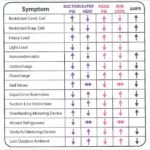
Credit: www.partselect.com
Frequently Asked Questions
Why Is My Pressure Washer Not Putting Out Enough Pressure?
Your pressure washer may have clogged nozzles, blocked filters, or air trapped in the system. Check hoses, O-rings, and unloader valve for leaks or faults. Ensure the engine runs at full speed and use the correct nozzle to restore proper pressure.
How To Fix A Low Pressure Power Washer?
Check and clean the nozzle and inlet filter for clogs. Bleed air by running water without the nozzle. Inspect hoses and O-rings for leaks. Ensure the engine runs at full speed and use the correct nozzle tip. Test the unloader valve and replace if faulty.
What Is The Most Common Cause Of Low Water Pressure?
The most common cause of low water pressure is clogged pipes or fixtures restricting water flow. Mineral buildup, debris, or rust often block pipes, faucet aerators, or showerheads. Checking for and cleaning these blockages usually restores normal pressure quickly.
Why Is My Pressure Pump Running But No Pressure?
Your pressure pump runs but no pressure likely due to clogged nozzle, air in system, closed valves, or leaks. Check and clean the nozzle, filters, and hoses. Ensure the discharge gun is open and the pump is properly primed. Faulty unloader valves or damaged O-rings may also cause this issue.
Why Is My Power Washer Producing Low Pressure?
Low pressure often comes from clogged nozzles or filters. Check and clean these parts to restore proper flow.
Conclusion
Low pressure in a power washer often comes from simple issues. Check for clogs in the nozzle and inlet filter first. Air trapped inside the pump can also reduce pressure—bleed the system to remove air. Make sure the unloader valve works correctly to control pressure.
Inspect hoses and O-rings for leaks or damage. Adjust the nozzle setting to ensure it matches your cleaning needs. Regular maintenance keeps your power washer running strong. Troubleshooting these common problems saves time and improves performance. Keep your washer in good shape for best results every time.