Is your outboard motor refusing to start or cutting out unexpectedly? Ignition problems can be frustrating, especially when you’re ready to hit the water.
But don’t worry—your outboard’s ignition system isn’t as complicated as it seems. In this Practical Outboard Ignition Troubleshooting Guide, you’ll learn how to quickly identify and fix common ignition issues using simple steps. Whether your engine won’t crank, the key won’t turn, or the motor keeps running after you switch it off, this guide will help you get to the root of the problem.
Keep reading, and you’ll save time, avoid costly repairs, and get your boat back in action faster than you think.

Credit: www.cdielectronics.com
Common Ignition Issues
Ignition problems can stop your outboard motor from starting or running properly. Understanding common ignition issues helps in quick troubleshooting. This section covers typical problems that affect ignition systems. Simple checks often save time and money.
Dead Battery Effects
A dead or weak battery is a frequent cause of ignition failure. The motor needs enough power to start and run. Without sufficient charge, the engine may not crank at all. You might hear clicking sounds or nothing when turning the key. Check battery voltage with a tester to confirm the charge level. Replace or recharge the battery if needed.
Starter Motor Problems
The starter motor turns the engine over to start it. If it fails, the engine won’t crank. Listen for grinding noises or repeated clicking when turning the key. These sounds indicate a worn or stuck starter motor. Sometimes, the starter solenoid may also be faulty. Inspect the starter and connections for corrosion or damage. Repair or replace faulty parts to restore proper function.
Ignition Switch Failures
The ignition switch controls power to the motor and accessories. A bad switch causes no start or unexpected engine shut off. Symptoms include difficulty turning the key, no sound when switched on, or the engine running after key off. Internal contacts may wear out or fail. Test the switch with a multimeter for continuity. Replace a faulty ignition switch to avoid erratic behavior.
Kill Switch And Lanyard Issues
The kill switch stops the engine in emergencies. A damaged or disconnected lanyard can prevent the engine from running. The motor may stall suddenly or not start at all. Check the kill switch and lanyard for proper connection and damage. Clean contacts and ensure the lanyard is securely attached. Replace worn parts to maintain safe operation.
Symptoms To Watch For
Recognizing the signs of ignition issues helps you act fast and avoid bigger problems. Watch for unusual behavior in your outboard motor’s starting and running functions. Early detection saves time and money.
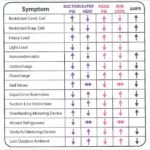
Common symptoms often point to ignition troubles. These signs include starting problems, engine stalls, and electrical glitches. Noticing them quickly helps pinpoint the cause and fix it efficiently.
No Crank Or Power
Turning the key results in no response. The engine does not crank, and there are no sounds or clicks. Gauges and accessories stay off. This symptom usually means no power reaches the starter or ignition system.
Engine Stalling
The engine starts but stops running suddenly. Stalls happen while idling or driving, often over bumps. This problem can signal a faulty ignition switch or loose wiring. It disrupts the fuel and spark supply.
Engine Won’t Shut Off
The engine continues running after turning the key off. This issue can be dangerous and wastes fuel. It often means the ignition switch is stuck or the kill circuit fails. Immediate attention is needed to prevent damage.
Key Turning Difficulties
Turning the key feels hard or jammed. The key may not turn smoothly or get stuck. This can be caused by worn internal parts or debris inside the ignition cylinder. It may prevent starting or stopping the engine.
Flickering Accessories
Lights, radios, or other electronics flicker or work weakly. This symptom points to poor electrical contact in the ignition switch. Loose or corroded connections reduce power flow to accessories, causing intermittent operation.
Intermittent Malfunctions
Problems come and go without a clear pattern. The engine or accessories may fail sometimes and work fine later. These issues often grow worse and signal worn ignition components or loose wiring. Early checks can prevent breakdowns.
Basic Checks Before Testing
Before diving into detailed ignition testing, complete some simple checks. These steps save time and reveal common issues. Confirm the basics to avoid unnecessary troubleshooting.
Check key safety features and power sources first. They often cause ignition problems. Start with the kill switch, then verify the neutral safety switch. Finally, inspect the battery and its connections.
Kill Switch Position
The kill switch stops the engine instantly. If off or disconnected, the engine won’t start. Ensure the kill switch is in the “run” position. Check the lanyard is securely attached to the operator. A loose or broken kill switch can cut power unexpectedly.
Neutral Safety Switch
This switch prevents starting in gear. Make sure the gear shift is in neutral. Verify the neutral safety switch is working properly. Faulty switches stop the engine from cranking. Test by shifting into neutral and trying to start. If the engine starts only in neutral, this switch is likely fine.
Battery Condition And Connections
A weak or dead battery causes no-start issues. Check battery voltage with a multimeter; it should read about 12.6 volts. Inspect battery terminals for corrosion or loose wires. Clean terminals and tighten connections if needed. A good battery and solid connections deliver the power needed for ignition.
Testing The Ignition Switch
Testing the ignition switch is a key step in outboard motor troubleshooting. This component controls power to the engine and accessories. Faulty ignition switches cause issues like no start, stalling, or failure to shut off. Understanding how to test the switch helps pinpoint problems quickly and safely. Use simple tools and follow clear steps to check the switch’s function and wiring.
Using A Multimeter
A multimeter measures electrical voltage and continuity inside the ignition switch. Set the multimeter to the correct setting, usually DC voltage or ohms. Connect the probes to the switch terminals as per your motor’s wiring diagram. Turn the key through each position: Off, Accessory, On, and Start. A good switch shows voltage or continuity at the right terminals in each position. No reading or irregular results mean the switch may be faulty or worn out.
Tracing Power Flow
Tracing power flow follows the path of electricity from the battery through the ignition switch to the engine. Start at the battery and check cables for damage or corrosion. Use the multimeter to test voltage at the switch input terminal. Then, check the output terminals for voltage when the key is turned. Any break or drop in voltage along this path indicates wiring or switch problems. Clean and tighten connections to ensure good contact and flow.
Switch Position Diagnostics
Each key position serves a specific function in the ignition system. The Off position cuts power to the engine and accessories. The Accessory position powers electronics without starting the engine. The On position powers all systems and readies the engine for starting. The Start position engages the starter motor. Test each position by turning the key and observing the electrical response. If the engine does not respond correctly, the switch contacts may be damaged or dirty. Replace the switch if it fails to operate in any position.
Kill Switch Troubleshooting
The kill switch is a vital safety feature on an outboard motor. It instantly stops the engine in emergencies. Troubleshooting the kill switch helps ensure your boat runs safely. Identifying kill switch problems early avoids engine damage or accidents. This guide covers common failures and testing steps for the kill switch.
Common Kill Switch Failures
Kill switches often fail due to corrosion or dirt buildup. Water exposure causes rust on switch contacts. Broken or worn wires inside the switch are another cause. A damaged lanyard or clip can also prevent proper function. Sometimes, the switch button sticks or does not return to its original position. These issues stop the kill switch from cutting power to the engine.
Testing Kill Switch Functionality
Start by inspecting the kill switch and its wiring. Look for visible damage or corrosion. Use a multimeter to check for continuity across the switch terminals. Press the kill switch and see if the circuit opens and closes correctly. If the engine does not stop when the switch is activated, the switch may be faulty. Testing confirms if the kill switch cuts power as designed.

Credit: www.ebay.com
Starter Motor Diagnosis
The starter motor plays a key role in your outboard engine’s ignition. It turns the engine over, helping it start smoothly. Problems with the starter motor often cause the engine not to crank or start. Diagnosing the starter motor can save you time and money by pinpointing the issue early.
Listening For Clicking Or Grinding
Sounds give clues about starter motor health. A single click often means the starter solenoid is working, but the motor won’t spin. Repeated clicking usually points to a weak battery or bad connections. Grinding noises suggest worn gears or a bad starter drive. These sounds help identify if the starter motor needs repair or replacement.
Starter Motor Testing Steps
Start testing by checking battery voltage. Low voltage can stop the starter from working. Next, inspect all wiring and connections for corrosion or looseness. Use a multimeter to test the starter motor circuit. Apply direct power to the starter motor terminals. The motor should spin strongly and smoothly. If it doesn’t, the starter motor might be faulty and require replacement.
Wiring And Connection Issues
Wiring and connection problems often cause outboard ignition failures. Faulty wires or loose connections interrupt the electrical flow. This disruption prevents the ignition system from working correctly. Regular checks help catch these issues early. Simple inspections can save time and money on repairs.
Inspecting Corrosion And Loose Wires
Corrosion builds up on wires and terminals exposed to water and salt. It blocks electrical current and weakens connections. Check wires for green or white powdery deposits. These signs show corrosion is present. Also, look for frayed or cracked wires that may cause shorts. Loose wires can shake free from terminals during boat movement. Gently wiggle wires to test their tightness. Tighten or replace any damaged or loose wires immediately.
Ensuring Secure Connections
Secure connections guarantee steady power flow to the ignition system. Use a wrench or screwdriver to tighten all terminal screws. Avoid overtightening, which can damage wires or terminals. Make sure connectors fit snugly without any gaps. Clean terminals with a wire brush or sandpaper to improve contact. Apply dielectric grease to protect against moisture and corrosion. Double-check all connections before testing the ignition again.
Preventive Maintenance Tips
Preventive maintenance is key to keeping your outboard ignition system reliable. Small, regular checks prevent sudden failures. Taking care of your ignition system extends its life and saves money on repairs.
Focus on the battery, switches, wiring, and storage. These parts often cause ignition troubles. Following simple steps helps avoid downtime on the water.
Regular Battery Care
Check the battery terminals for corrosion. Clean them with a wire brush if needed. Keep the battery fully charged before each outing. Use a smart charger to maintain the battery during storage. Replace old batteries every few years to ensure consistent power.
Switch And Wiring Inspections
Inspect ignition switches for wear or stiffness. A hard-to-turn key signals a problem. Test all wiring connections for tightness and corrosion. Replace cracked or brittle wires to avoid shorts. Use dielectric grease on contacts to prevent moisture damage.
Safe Storage Practices
Store the outboard in a dry, well-ventilated area. Remove the battery or disconnect it during long storage. Cover the engine to protect it from dust and moisture. Run the engine occasionally to keep parts lubricated. Avoid leaving fuel in the system to prevent gumming.

Credit: issuu.com
Frequently Asked Questions
What Is The Most Common Ignition Problem?
The most common ignition problem is a faulty ignition switch causing the engine to fail to crank or shut off.
How To Tell If A Boat Ignition Switch Is Bad?
A bad boat ignition switch causes the engine not to crank, stalls, key hard to turn, accessories flicker, or engine won’t shut off. Check for no power, intermittent issues, or engine running after key off. Test the switch with a multimeter if basics are fine.
How To Diagnose Ignition System Problems?
Diagnose ignition system problems by checking battery voltage, inspecting spark plugs, and testing the ignition switch with a multimeter. Look for no-crank, stalling, or key-turn issues. Verify kill switch and neutral safety switch functionality. Confirm clean, tight battery connections before further testing.
How To Tell If An Outboard Ignition Coil Is Bad?
Test an outboard ignition coil by checking for no spark, engine misfires, or rough running. Use a multimeter to measure coil resistance; values outside the manufacturer’s specs indicate a bad coil. Visible damage or corrosion also signals failure. Replace the coil if these symptoms appear.
What Are Common Signs Of Outboard Ignition Problems?
Common signs include no engine start, engine stalling, or accessories not working. The key might be hard to turn or the engine runs after off. These symptoms suggest ignition switch or system issues.
Conclusion
Troubleshooting your outboard ignition can save time and money. Start with simple checks like the battery and kill switch. Watch for signs like no crank or engine stalls. Use this guide to spot common ignition issues quickly. Regular maintenance helps keep your boat running smoothly.
Stay patient and follow steps carefully for best results. Keep your outboard in good shape for safe, enjoyable trips.