Is your Predator generator acting up when you need it most? Whether it won’t start, stalls unexpectedly, or fails to deliver power consistently, these issues can be frustrating and stressful.
You rely on your generator to keep things running smoothly during outages or outdoor projects, so knowing how to quickly troubleshoot common problems is essential. In this guide, you’ll discover simple, step-by-step solutions to fix frequent Predator generator issues—from fuel troubles and spark plug faults to battery glitches and more.
Keep reading to regain control over your generator and avoid costly repairs down the line. Your power backup depends on it!

Credit: www.reddit.com
Fuel Problems
Fuel problems are a common cause of Predator generator issues. Poor fuel quality or blockages in fuel components can stop the generator from starting or cause it to run poorly. Regular checks and proper maintenance of fuel parts keep your generator reliable and efficient. Understanding these fuel-related issues helps you fix them quickly and avoid long downtime.
Stale Gasoline Effects
Gasoline loses its quality after about 30 days. Stale gas causes hard starts, rough running, and engine stalling. It can clog the carburetor and fuel lines. Old fuel also reduces power output. Using fresh gasoline prevents these problems and improves generator performance.
Clogged Fuel Lines And Valves
Dirt and debris can block fuel lines and valves over time. This blockage reduces fuel flow to the engine. The generator may sputter or fail to start. Regular inspection and cleaning of these parts keep fuel flowing smoothly. Replace damaged lines or valves to avoid leaks.
Fuel Stabilizer Usage
Fuel stabilizers keep gasoline fresh during storage. They prevent gum and varnish buildup in the fuel system. Adding stabilizer before storing the generator for long periods protects engine parts. Use the correct amount of stabilizer and mix it well with fuel.
Checking And Cleaning Fuel Components
Inspect the fuel tank, lines, filter, and carburetor regularly. Drain old fuel and refill with fresh gas if needed. Clean the fuel filter and carburetor to remove dirt and varnish. Use carburetor cleaner sprays for better results. Proper cleaning ensures steady fuel flow and smooth engine operation.
Battery Issues
Battery issues are a common cause of trouble with Predator generators. A weak or dead battery prevents the generator from starting smoothly. Proper battery maintenance helps avoid these problems and keeps the generator ready to use. Understanding the signs of battery problems and knowing how to fix them saves time and effort. Here are key tips for dealing with battery issues effectively.
Dead Or Weak Battery Signs
The generator struggles to start or makes clicking sounds. Lights on the control panel may be dim or not turn on. The engine may turn slowly or fail to turn over. These signs show the battery may be dead or weak. Early detection helps prevent complete failure.
Cleaning Battery Terminals
Corroded or dirty terminals block electrical flow. Remove the battery cables carefully. Use a wire brush or sandpaper to clean terminals and cable ends. Apply a thin layer of petroleum jelly to prevent future corrosion. Reattach cables firmly to ensure good contact.
Testing Battery Charge
Use a multimeter to check the battery voltage. A fully charged 12V battery reads about 12.6 volts or higher. Below 12.4 volts means the battery is weak. Recharge the battery with a suitable charger. Replace the battery if it fails to hold charge after recharging.
Using Pull Cord As Backup
The pull cord provides a manual way to start the generator. Use it if the battery is dead or too weak to start the engine. Pull the cord firmly and steadily until the engine fires up. This method ensures the generator works even without battery power.
Spark Plug Troubles
Spark plug troubles often cause Predator generator failures. Without a good spark, the engine cannot ignite fuel properly. This leads to starting problems and rough running. Spark plugs face wear, carbon buildup, and damage over time.
Regular spark plug checks help maintain smooth generator operation. Understanding common spark plug issues saves time and repair costs. Below are key points to help diagnose and fix spark plug problems.
Carbon Buildup Effects
Carbon buildup forms on spark plugs from incomplete fuel burning. This layer blocks the spark and reduces engine power. It causes hard starting, misfires, and poor fuel efficiency. Excessive carbon can damage the plug and cylinder.
Generators running on low-quality fuel or old gasoline often suffer from carbon deposits. Frequent short runs also increase buildup. Checking for carbon deposits helps spot early signs of trouble.
Inspecting The Spark Plug
Remove the spark plug carefully to inspect it. Look for black, oily, or sooty deposits on the tip and insulator. Check for cracks, chips, or worn electrodes. A healthy spark plug has a light tan or grayish color.
Check the spark plug gap with a feeler gauge. A wrong gap causes weak or no spark. Adjust the gap according to the Predator generator manual. Replace the plug if it shows heavy wear or damage.
Cleaning And Replacement Tips
Clean spark plugs gently with a wire brush or spark plug cleaner. Avoid abrasive tools that can damage the electrode. Soaking the plug in a cleaner solution helps remove stubborn deposits.
Replace spark plugs every 100 hours of use or yearly, whichever comes first. Use the correct type and heat range recommended for Predator generators. Properly tightened plugs ensure good engine performance and prevent leaks.
Oil Level And Quality
Maintaining the correct oil level and quality in your Predator generator is essential. Oil keeps the engine parts running smoothly and prevents damage. Poor oil condition or low oil can cause the generator to stop working or reduce its lifespan.
Regular checks of oil help avoid costly repairs and improve performance. Understanding how to check and change oil ensures your generator runs reliably.
Low Oil Sensor Role
The low oil sensor protects the engine from damage. It detects if the oil level is too low. When triggered, it shuts off the generator automatically. This prevents the engine from running without enough lubrication.
If your generator stops unexpectedly, the low oil sensor may be the cause. Always check the oil level before restarting.
Checking Oil Levels
Check the oil level before every use. Place the generator on a flat surface. Remove the dipstick, wipe it clean, then reinsert it fully. Pull it out again to read the oil level.
The oil should reach between the minimum and maximum marks. If it is below the minimum, add more oil. Do not overfill, as this can cause engine problems.
Adding And Changing Oil
Use the recommended oil type for your Predator generator. Add oil slowly to avoid overfilling. Use a funnel to prevent spills.
Change the oil after the first 20 hours of use, then every 50 hours or six months. Warm up the engine first, then drain the old oil completely. Replace the drain plug and refill with fresh oil.
Proper oil maintenance keeps your generator running smoothly and extends its life.
Choke And Air Filter
The choke and air filter play key roles in your Predator generator’s performance. The choke controls the air-fuel mixture when starting the engine. The air filter keeps dirt and debris from entering the engine. Both parts need proper care to keep your generator running smoothly.
A wrong choke setting can cause starting problems. A dirty or clogged air filter reduces engine power. Regular checks and maintenance prevent many common issues. Follow these steps to troubleshoot choke and air filter problems effectively.
Correct Choke Settings
Set the choke fully closed when starting a cold engine. This restricts air and enriches the fuel mix. Once the engine warms up, open the choke slowly. Keep the choke open during normal running. Using the wrong choke setting can flood the engine or cause it to stall.
Cleaning Dirty Air Filters
Remove the air filter cover carefully. Take out the air filter and inspect it. If dirty, gently tap to remove loose dirt. Wash foam filters in warm soapy water, then air dry fully. Do not use harsh chemicals or high-pressure water. Clean filters improve airflow and fuel efficiency.
Replacing Worn Filters
Replace air filters if they are torn or very dirty. Use only the correct filter model for your Predator generator. Installing a new filter is easy and quick. Regular replacement avoids engine damage and keeps performance steady. Check your filter every 25 hours of use or monthly.
Carburetor Issues
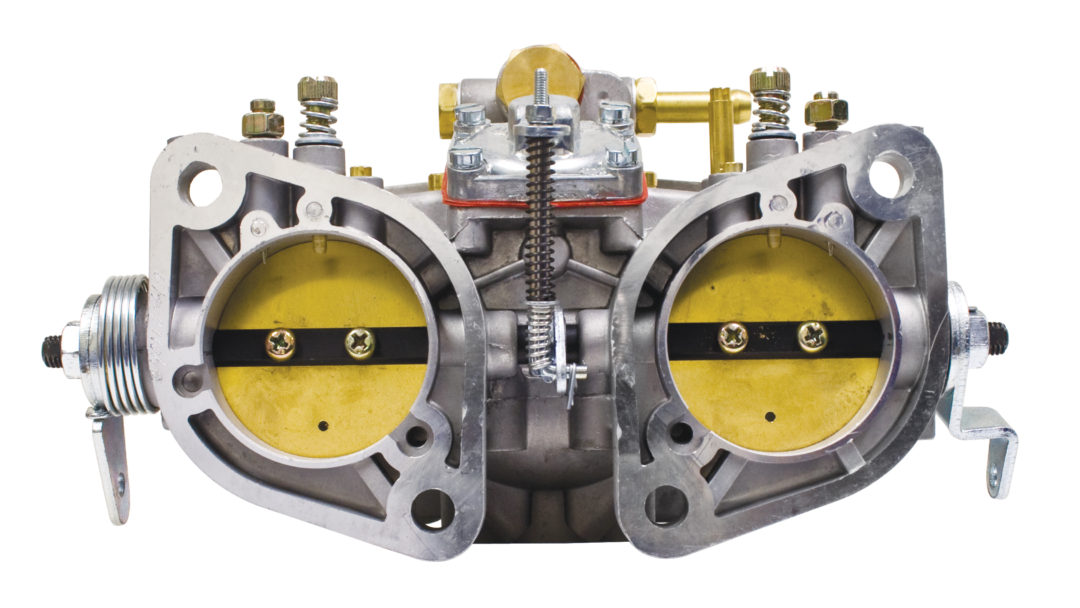
Carburetor issues are a common cause of trouble in Predator generators. The carburetor mixes fuel and air for the engine to run smoothly. Dirt, debris, or stale fuel can clog the carburetor, causing poor engine performance or failure to start. Understanding these problems helps keep your generator reliable and efficient.
Symptoms Of Carburetor Clogs
Clogged carburetors show clear signs. The engine may sputter or stall during use. Starting the generator can become difficult or impossible. You might notice uneven running or low power output. Sometimes, the engine runs only at high speed but dies at idle. These symptoms signal a need to inspect the carburetor.
Cleaning Procedures
Start by turning off the generator and letting it cool. Remove the carburetor carefully from the engine. Use carburetor cleaner spray to dissolve dirt and gum deposits. Clean all jets and passages with a fine brush or compressed air. Avoid damaging delicate parts. After cleaning, reassemble the carburetor and test the generator for smooth operation.
Preventive Maintenance
Use fresh fuel and add a stabilizer if storing the generator. Run the generator regularly to keep fuel flowing. Check and clean the air filter often to prevent dirt entry. Drain the carburetor bowl after long storage periods. Regular maintenance reduces clogs and extends the carburetor’s life.
Starter Motor And Solenoid
The starter motor and solenoid play key roles in starting your Predator generator. The starter motor turns the engine over, while the solenoid acts as a switch that controls power to the starter. If either part fails, the generator won’t start properly. Understanding these components helps in quick troubleshooting and repair.
Signs Of Starter Failure
A common sign of starter failure is a clicking noise when pressing the start button. The engine may not turn over or may turn slowly. Sometimes, the starter may work intermittently. Dim lights or no sound at all can also indicate starter issues. These signs suggest the starter motor or solenoid needs attention.
Testing Starter Components
Start by checking the battery voltage. A low battery can mimic starter failure. Use a multimeter to test the starter motor terminals for power. Listen for a clicking sound from the solenoid when starting. Test the solenoid by bypassing it with a jumper wire. If the motor spins, the solenoid may be faulty. Conduct these tests safely and carefully.
Fixing Electric Start Problems
Clean the battery terminals and tighten connections. Replace any corroded wires. Recharge or swap out a weak battery. Replace the starter motor or solenoid if tests show failure. Check the starter relay and fuses for damage. Use the pull cord as a backup to start the generator while fixing electric start issues. Regular maintenance prevents many starter problems.
Circuit Breaker And Fuses
The circuit breaker and fuses are key safety parts of your Predator generator. They protect the generator from damage caused by electrical faults. These components stop the flow of electricity if there is an overload or short circuit. Knowing how to check and fix them helps keep your generator running smoothly.
Faulty breakers or blown fuses often cause the generator to lose power or stop working. Regular inspection prevents bigger electrical problems. This section guides you through finding and solving issues with breakers and fuses.
Identifying Tripped Breakers
Tripped breakers look different from normal ones. They usually move to the “off” or middle position. Check the breaker panel on your generator for any switch not in the “on” position. A tripped breaker means the circuit has been overloaded or shorted. Resetting it can restore power.
Look for signs like scorch marks or a burning smell near the breaker. These signs show serious electrical problems. Avoid resetting the breaker repeatedly without fixing the cause.
Replacing Blown Fuses
Fuses protect your generator by breaking the circuit during an overload. A blown fuse looks dark or cloudy inside its glass tube. Use the correct fuse type and rating when replacing it. Using the wrong fuse can harm your generator or cause fires.
Turn off the generator before removing the fuse. Carefully pull out the blown fuse and insert the new one. Test the generator after replacement to ensure proper function.
Resetting Breakers Safely
Always switch off the generator before resetting breakers. Move the tripped breaker fully to the “off” position first. Then flip it back to “on” slowly. This prevents damage to the breaker and generator.
If the breaker trips again right away, do not keep resetting it. Check for wiring issues, overloaded circuits, or faulty parts. Seek professional help if needed to avoid injury or further damage.
Control Panel Faults
The control panel is the heart of your Predator generator. It manages key functions and shows important alerts. Faults in this panel can stop the generator from working properly. Understanding these faults helps in quick fixes and prevents bigger issues.
Many users face control panel problems like sensor errors, wrong settings, or display faults. These issues often look complex but have simple solutions. Let’s explore the common faults and how to troubleshoot them.
Common Sensor Errors
Sensors monitor oil level, temperature, and voltage. Faulty sensors send wrong signals to the control panel. This may cause the generator to shut down or fail to start.
Check sensor connections for loose wires or dirt. Clean or tighten them carefully. Replace any damaged sensor to restore normal function. Reset the panel after fixing sensors to clear errors.
Adjusting Control Settings
Incorrect control settings cause performance problems. Settings like voltage, frequency, and run time must match your needs.
Use the panel buttons to review and adjust settings. Refer to the user manual for correct values. Avoid changing settings without guidance to prevent new faults. Saving changes properly ensures the generator runs smoothly.
Troubleshooting Display Issues
The display shows status, error codes, and warnings. A blank or flickering screen makes it hard to diagnose problems.
First, check the panel’s power supply and fuse. Replace blown fuses immediately. Clean the display screen gently to remove dust. If the display still fails, a panel reset or replacement may be needed.
Credit: rasytojai.lt
Routine Maintenance Tips
Routine maintenance keeps your Predator generator running smoothly. Regular care prevents common issues like fuel clogs, spark plug failure, and low oil shutdowns. Simple steps extend the generator’s life and improve reliability. Follow these tips to maintain peak performance and avoid costly repairs.
Regular Fluid Checks
Check oil levels before every use. Use the dipstick to ensure oil is at the correct mark. Change oil after the first 20 hours, then every 50 hours of operation. Inspect the fuel for freshness and avoid stale gasoline. Add fuel stabilizer if storing the generator for more than a month. Check coolant if your model uses a liquid cooling system.
Cleaning And Inspection Schedule
Clean the air filter every 25 hours or more often in dusty conditions. Replace the air filter if it is damaged or very dirty. Inspect spark plugs every 100 hours and clean or replace as needed. Remove dirt and debris from the generator’s exterior. Check fuel lines for cracks or leaks. Tighten loose bolts and connections to prevent damage.
Storage Best Practices
Store the generator in a dry, cool place. Drain fuel or add stabilizer before long storage. Run the generator for a few minutes monthly to keep parts lubricated. Cover the generator with a breathable cover to protect it from dust. Remove the battery if storing for months to prevent corrosion. Keep the generator off the ground to avoid moisture damage.

Credit: www.youtube.com
Frequently Asked Questions
What Are The Common Problems With Predator Generators?
Common problems with Predator generators include carburetor issues, voltage regulator failures, fuel clogs, starter wear, and battery or spark plug faults. Regular maintenance of fuel, oil, and filters prevents most failures. They may not suit continuous backup power due to higher failure rates than premium brands.
What Is The Most Common Reason A Generator Won’t Start?
The most common reason a generator won’t start is fuel problems, such as stale fuel, low fuel, or clogged fuel lines. Battery issues and faulty spark plugs also frequently cause start failures. Regular maintenance of fuel, battery, oil, and spark plugs helps prevent these issues.
How Do I Reset My Predator Generator?
To reset your Predator generator, turn off the engine and disconnect the spark plug wire. Wait a few minutes, then reconnect and restart the generator. Also, check and reset any tripped circuit breakers or fuses on the control panel before restarting.
What Is The Most Common Cause Of Generator Failure?
The most common cause of generator failure is fuel-related issues, such as stale or contaminated fuel and clogged fuel lines. Battery problems, including weak or dead batteries, also frequently cause failures. Regular maintenance prevents these common issues and ensures reliable generator operation.
What Are Common Problems With Predator Generators?
Predator generators often face carburetor issues and voltage regulator failures. Fuel clogs and starter wear are also frequent problems. These affect reliability and require regular maintenance.
Conclusion
Predator generators can face simple problems that stop them from working. Fuel issues, like stale gas or clogged lines, often cause trouble. Battery and spark plug problems also affect starting. Regular checks and cleaning keep your generator ready. Fixing small issues early saves time and money.
Follow basic steps to keep power flowing when you need it. Stay calm and work through each problem step-by-step. This helps you get your Predator generator running again fast.