Pressure transducers play a crucial role in measuring pressure accurately in many systems you rely on daily. But what happens when your pressure transducer stops working correctly?
If you’re facing unexpected readings, no output, or erratic signals, you need to troubleshoot the issue fast. This guide will walk you through simple, effective steps to diagnose and fix common problems with your pressure transducer. By the end, you’ll know exactly how to keep your system running smoothly and avoid costly downtime.
Ready to solve your pressure transducer troubles? Let’s dive in.
Initial Checks
Initial checks are crucial in pressure transducer troubleshooting. They help find simple problems before deep testing. Start with basic steps to save time and avoid damage. These checks confirm if the device looks and functions as expected.
Physical Inspection
Begin by examining the transducer’s body. Check for cracks, dents, or signs of impact. Look for loose wires or connectors. Ensure all cables are firmly attached and free from damage. Dirt or dust on the sensor can affect its reading. Clean the surface gently using a soft cloth. Avoid harsh chemicals that may harm the device.
Pressure Port Condition
Inspect the pressure port carefully. Look for blockages or debris inside the port. Dirt can block pressure flow and cause incorrect output. Check if the port threads are damaged or worn out. A damaged port can cause leaks or poor pressure sensing. Make sure the port is dry and free from corrosion. Any sign of rust may indicate moisture damage. Clear or replace the port if needed before further testing.
Testing Responsiveness
Testing the responsiveness of a pressure transducer is essential for accurate readings. This step checks how well the device reacts to changes in pressure. It helps identify issues like slow response or signal errors. A responsive transducer ensures reliable system performance and safety.
Applying Pressure
Begin by applying a known pressure to the transducer. Use a calibrated pressure source or a manual pump. Increase pressure slowly and steadily. Avoid sudden spikes that can damage the sensor. Ensure the connection is tight and leak-free.
Observing Output Signal
Watch the output signal as pressure changes. The signal should rise smoothly with increasing pressure. Note any delays or jumps in the signal. A steady and proportional output means the transducer responds well. Record the readings for comparison.
Comparing With Reference
Compare the transducer’s output to a trusted reference gauge. Check if the values match within the allowed tolerance. Differences may indicate calibration errors or sensor faults. Adjust or replace the transducer if discrepancies persist. This step confirms accuracy and responsiveness.
Common Faults
Pressure transducers can face several common faults that affect their performance. These issues often cause inaccurate or no pressure readings. Identifying these faults quickly helps maintain system reliability and safety. Below are some typical problems encountered during troubleshooting.
No Signal Or Change
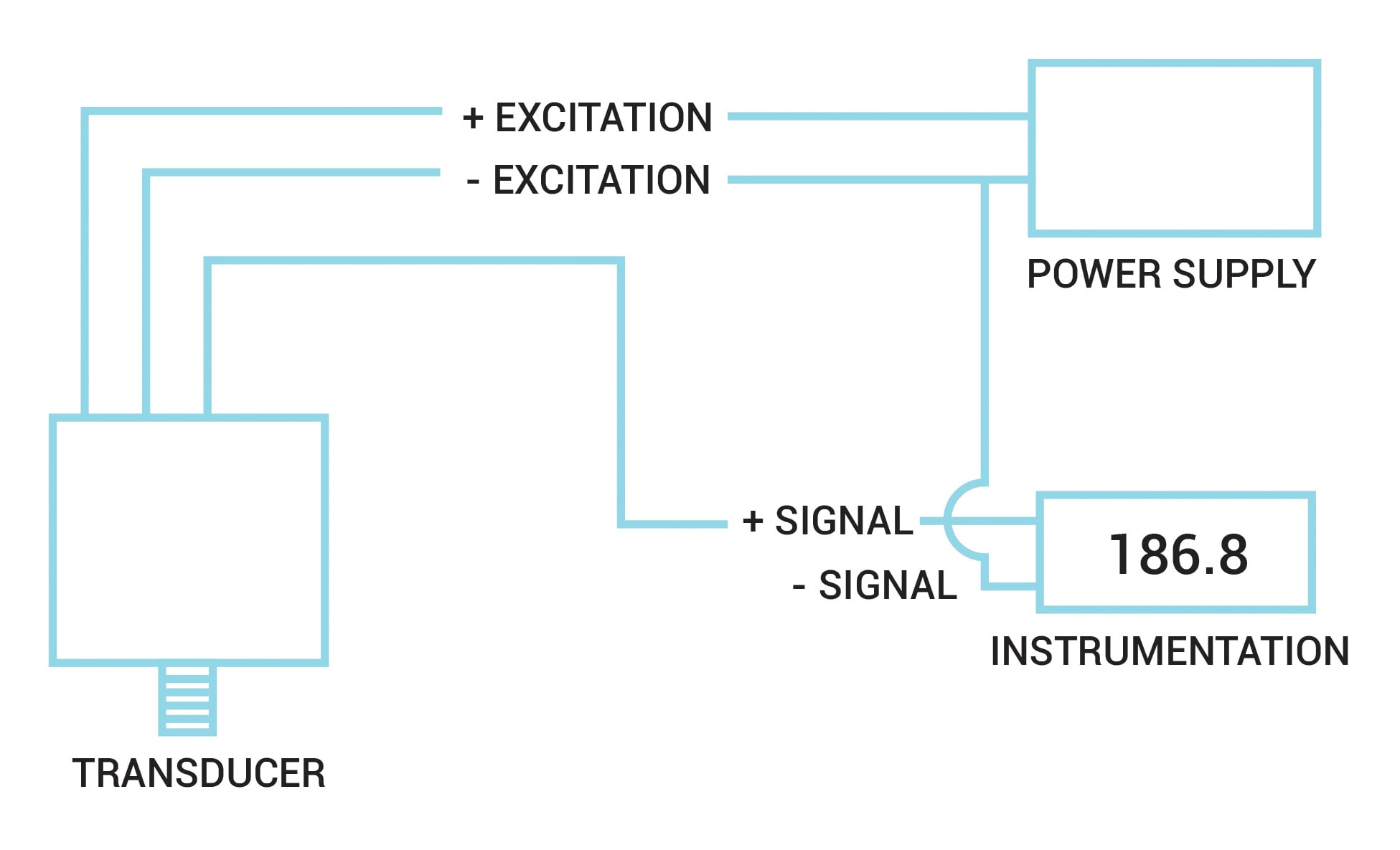
One common fault is no signal or no change in output. This may indicate a wiring problem or a power supply issue. The transducer might be disconnected or have a broken cable. Sometimes, the sensor itself can fail internally and stop sending data.
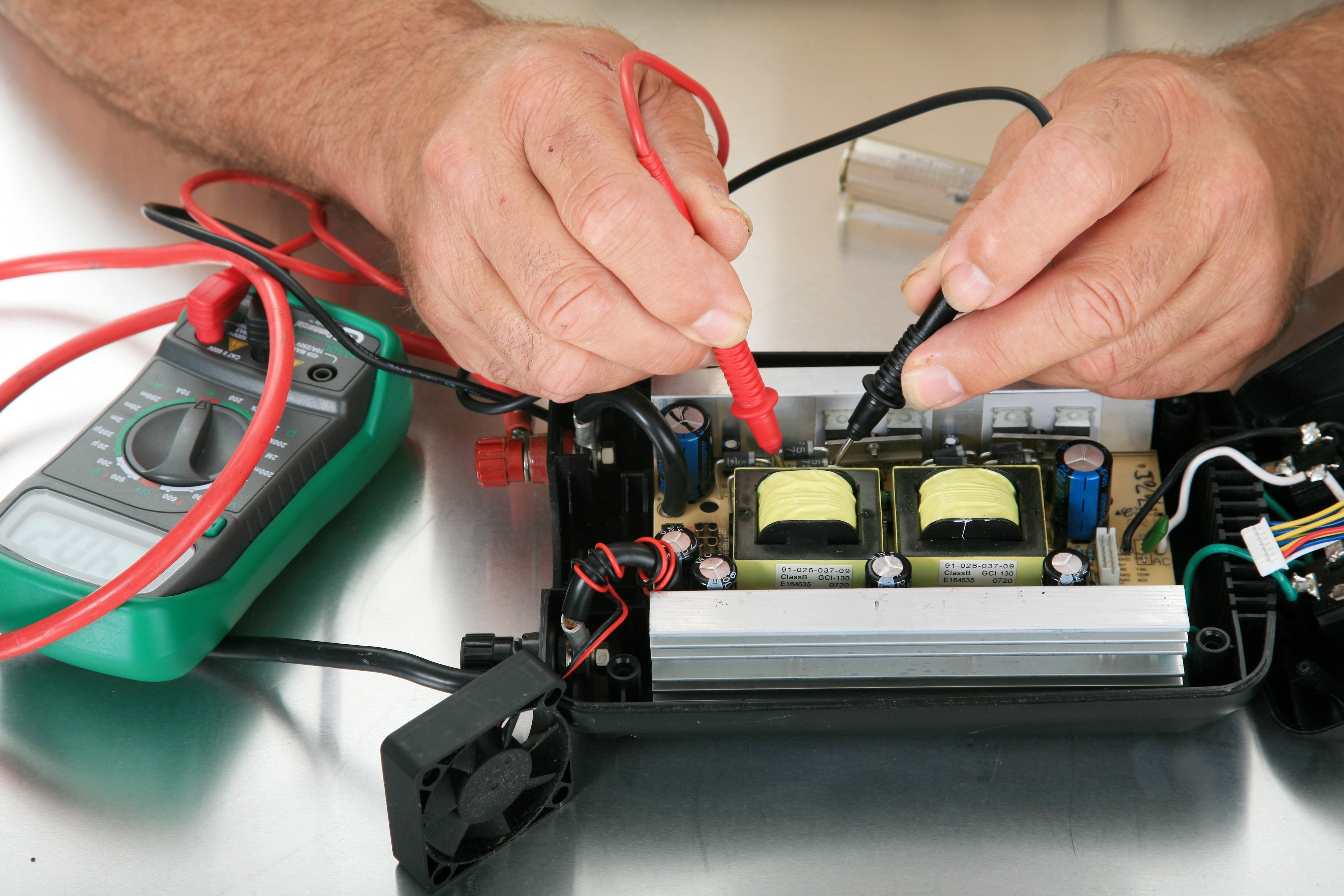
Check connections and power first. Use a multimeter to verify voltage supply. Replace cables if damaged. If wiring is correct, test the transducer with a known good unit.
Unstable Output
Unstable output means the readings fluctuate wildly without real pressure changes. This fault can arise from electrical noise or poor grounding. Mechanical vibration or loose connections also cause this problem.
Secure all wires and connectors tightly. Shield cables from interference sources. Ground the system properly to reduce electrical noise. If instability continues, the sensor may be defective.
Incorrect Readings
Incorrect readings show values that are too high, too low, or inconsistent. This can result from sensor calibration drift or damage to the sensing element. Contamination inside the sensor port can also distort measurements.
Recalibrate the transducer using a reference pressure source. Clean the pressure port carefully. Replace the transducer if recalibration does not fix the problem.
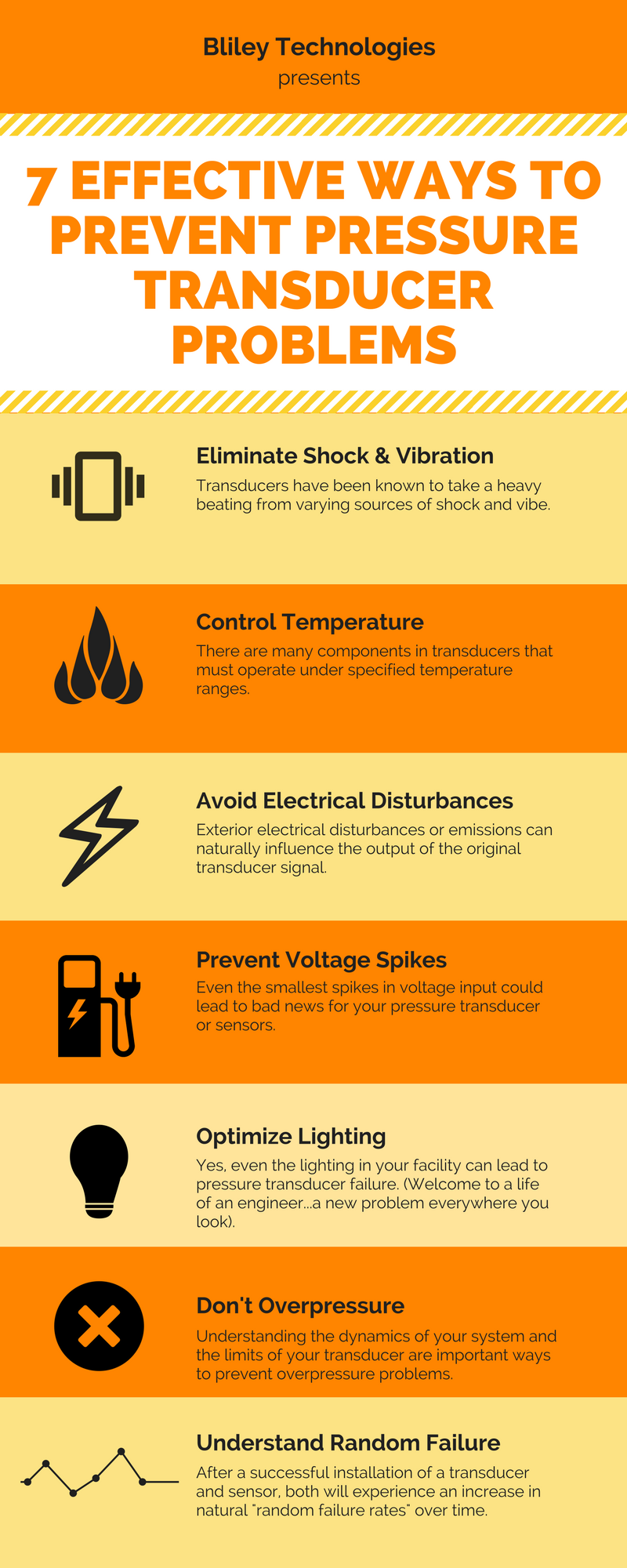
Credit: blog.bliley.com
Fixing Issues
Fixing issues with a pressure transducer requires careful steps to restore its accuracy and reliability. Problems often arise from calibration drift or physical damage. Addressing these issues quickly avoids costly downtime and keeps systems running smoothly.
Recalibration Steps
Start by turning off the system and isolating the transducer. Connect the device to a reliable pressure source and a reference gauge. Apply pressure points across the sensor’s range. Note the transducer’s output at each point. Compare these values to the reference readings. Adjust the zero setting if the sensor shows an offset at no pressure. Then, adjust the span to match the full-scale pressure output. Repeat the process until readings align closely with the reference. Finally, verify the recalibration by checking multiple pressure points again. Proper recalibration ensures accurate pressure measurement and system performance.
Replacement Guidelines
Replace the pressure transducer if recalibration fails or the sensor shows physical damage. Check for cracks, corrosion, or leaks before deciding. Use a transducer that matches the original specifications. Confirm the pressure range, output signal type, and connector style. Disconnect the old transducer carefully to avoid damage. Install the new device securely, following manufacturer instructions. After installation, perform a calibration check. Test the new transducer under normal operating conditions. Proper replacement avoids false readings and system failures.
Preventive Tips
Preventive care plays a key role in extending the life of pressure transducers. Simple steps can reduce errors and avoid costly repairs. Keeping the device safe from damage is vital. Proper handling and routine checks help maintain accuracy and reliability.
Proper Installation
Install the transducer according to the manufacturer’s guidelines. Use the correct tools and avoid over-tightening. Ensure electrical connections are secure but not forced. Check that the mounting surface is clean and flat. Incorrect installation causes faulty readings and early failure.
Environmental Protection
Shield the transducer from harsh conditions. Protect it from dust, moisture, and extreme temperatures. Use enclosures or protective covers if needed. Avoid exposure to corrosive chemicals or vibrations. Keeping the environment stable helps maintain sensor performance.
Regular Maintenance
Schedule routine inspections to detect issues early. Clean the pressure ports gently to prevent blockages. Test output signals regularly for consistency. Replace worn or damaged parts immediately. Regular care ensures the transducer works correctly over time.
Credit: www.setra.com
Credit: www.dwyeromega.com
Frequently Asked Questions
How To Tell If A Pressure Transducer Is Bad?
Check for physical damage, leaks, or corrosion on the transducer and pressure port. Apply pressure and observe output signals. Erratic, fixed, or no signal indicates a bad transducer. Compare readings with a calibrated gauge to confirm faults.
What Causes A Pressure Transducer To Fail?
Pressure transducers fail due to electrical overload, physical damage, corrosion, moisture, extreme temperatures, improper installation, or manufacturing defects.
How Do I Reset A Pressure Transducer?
To reset a pressure transducer, connect it to a reference gauge or deadweight tester. Apply known pressures across the range. Adjust zero and span settings until output matches the reference readings. This manual calibration restores accurate measurements.
How To Troubleshoot A Transducer?
Inspect the transducer for physical damage and leaks. Apply pressure and monitor output changes. Compare readings with a calibrated gauge. Replace if output stays fixed or erratic. Check wiring and connections for faults.
What Are Common Signs Of A Faulty Pressure Transducer?
A faulty transducer may show sudden signal changes or no signal at all. Look for inaccurate readings or fixed output signals. Pressure port leaks also indicate issues.
Conclusion
Troubleshooting pressure transducers needs patience and careful steps. Start with simple checks like inspecting connections and wiring. Test the sensor output to find irregular signals or faults. Clean or replace damaged parts for better results. Regular maintenance helps avoid future problems.
Keep a log of issues for easier diagnosis next time. Understanding common problems saves time and money. Stay calm and follow each step clearly. Proper care ensures your transducer works reliably every day.