Is your push mower giving you trouble right when you need it most? You’re not alone.
Many homeowners face common issues like a mower that won’t start, uneven cuts, or strange vibrations that make lawn care frustrating and time-consuming. But don’t worry—most of these problems have simple fixes you can handle yourself. In this guide, you’ll discover easy troubleshooting tips to get your push mower back in shape quickly.
Whether it’s a dirty air filter, a dull blade, or stale fuel causing the trouble, you’ll learn how to spot the issue and solve it with confidence. Keep reading, and take control of your lawn mower troubles today!
Credit: www.youtube.com
Common Starting Issues
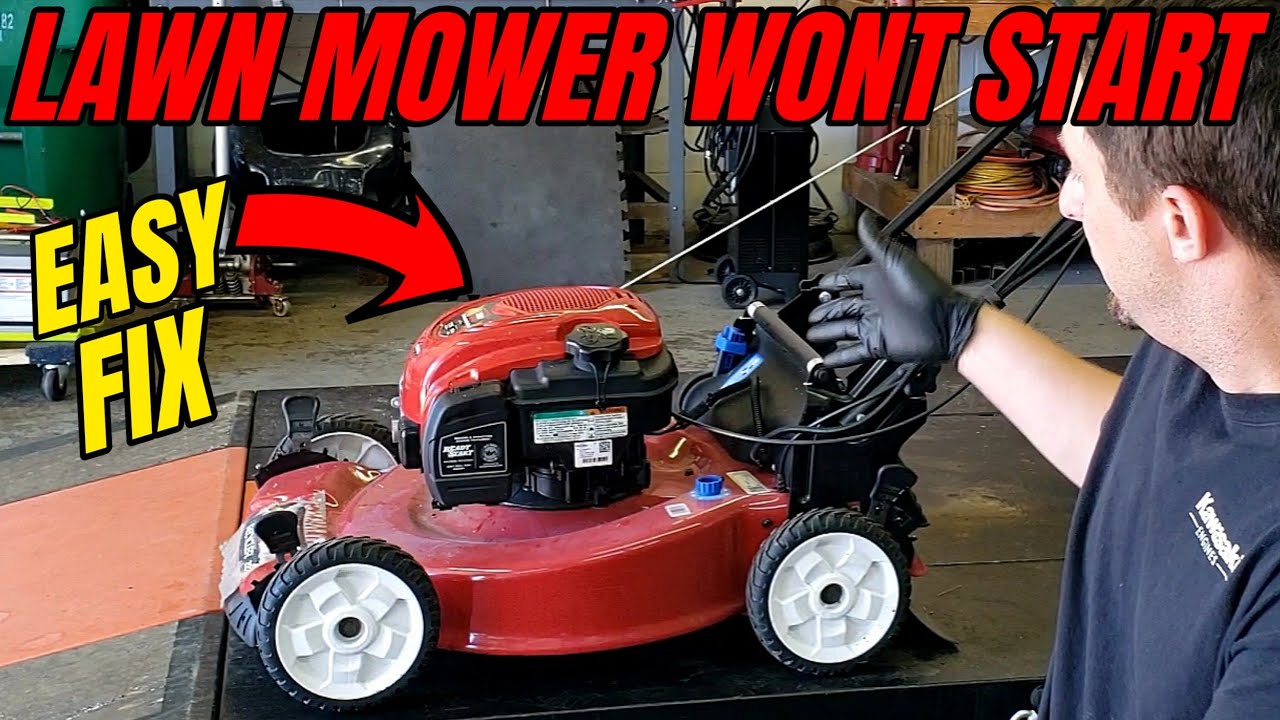
Push mowers often face starting problems that stop your work before it begins. These issues usually relate to basic parts like fuel, air filters, or spark plugs. Understanding these common problems helps fix your mower quickly and easily.
Fuel Problems
Old or bad fuel prevents your mower from starting. Fuel left too long breaks down and loses power. Empty the fuel tank if the fuel is stale. Fill it with fresh gasoline made for small engines. Also, check the fuel filter for clogs. Replace it if dirty or blocked to keep fuel flowing.
Dirty Air Filters
An air filter stops dirt from entering the engine. When it gets clogged, the engine can’t breathe well. This makes starting hard or causes the mower to stall. Remove the air filter and clean it with soap and water. Let it dry fully before putting it back. Replace the filter if it is torn or very dirty.
Spark Plug Troubles
The spark plug creates the spark that starts the engine. Dirt, oil, or wear can stop it from working. Remove the spark plug and check for damage or buildup. Clean it with a wire brush or replace it if needed. Make sure the spark plug gap is set to the correct distance for good performance.
Blade Problems
Blade problems are a common cause of poor lawn mower performance. They affect cutting quality and mower operation. Regular checks and maintenance keep blades sharp and balanced. This ensures a clean, even cut and reduces strain on the mower.
Dull Blades
Dull blades tear grass instead of cutting it cleanly. This causes uneven patches and weakens grass health. Sharpen blades regularly to maintain a crisp edge. Replace blades if they are too worn or damaged. Sharp blades improve cutting efficiency and mower fuel use.
Bent Or Damaged Blades
Bent or damaged blades cause vibration and rough cutting. They can result from hitting rocks or hard objects. Inspect blades for bends, cracks, or missing pieces. Replace bent or broken blades immediately to avoid engine damage. Proper blade condition ensures smooth operation and a neat lawn.
Balancing The Blade
Unbalanced blades cause excessive vibration and uneven wear. This puts stress on the mower’s engine and parts. Check blade balance after sharpening or replacement. Use a blade balancer or hang the blade on a nail to test. A balanced blade spins evenly and improves mower lifespan.
Cut Quality Solutions
Cut quality is key to a healthy, attractive lawn. Poor cutting results can make your grass look uneven and stressed. Fixing cut quality problems improves the lawn’s appearance and health.
Often, cut quality issues come from wrong mower settings or blockages. Adjusting your mower and cleaning parts regularly keeps the cut smooth and even. Let’s explore some simple solutions to common cut quality problems.
Adjusting Cutting Height
Set the cutting height based on your grass type. Cutting too low stresses the grass and leaves brown spots. Too high, and the lawn looks shaggy and uneven.
Most push mowers have a lever or knob to change the deck height. Raise it for longer grass or lower it for a close cut. Check your mower’s manual for exact steps.
Try different heights to find the best setting for your lawn. Adjust the height before mowing each time. This keeps the grass healthy and the cut even.
Cleaning Deck Clogs
Grass clippings often build up under the mower deck. This blocks airflow and stops clippings from leaving the mower evenly. Clogs cause uneven cuts and can damage the mower.
After each mow, turn off the mower and disconnect the spark plug. Use a brush or scraper to remove grass buildup under the deck. Clear all debris for better airflow and cutting.
Regular cleaning prevents clogs and keeps your mower working well. It also reduces rust and extends the mower’s life.
Engine Performance Fixes
Engine performance is crucial for a push mower to work efficiently. Poor engine function leads to stalling, rough running, and difficulty cutting grass. Simple fixes can restore power and smooth operation. Focus on key areas like the carburetor, oil, and vibration causes.
Carburetor Cleaning
The carburetor mixes air and fuel for the engine. Dirt and old fuel clog its tiny parts. Remove the carburetor bowl and clean it with carburetor cleaner spray. Check jets and passages for blockages. A clean carburetor improves fuel flow and engine start-up.
Oil Level And Quality
Check the oil level with the dipstick before each use. Low oil causes engine damage and poor performance. Use the oil type recommended by the mower manufacturer. Change oil regularly, especially after long storage or heavy use. Fresh oil keeps the engine lubricated and cool.
Addressing Excessive Vibration
Excessive vibration may signal blade or engine problems. Inspect mower blades for damage or imbalance. Replace or sharpen blades as needed. Tighten any loose bolts on the blade and engine mounts. Reducing vibration protects engine parts and improves cutting quality.
Smoke And Overheating Causes
Smoke and overheating are clear signs of trouble in your push mower’s engine. These issues can cause serious damage if not addressed quickly. Understanding the common causes helps you fix the problem and keep your mower running smoothly. Two frequent reasons for smoke and overheating include overfilled oil and airflow restrictions. Both affect the engine’s performance and can lead to costly repairs.
Overfilled Oil
Too much oil in the engine causes smoke and overheating. The excess oil gets burned in the combustion chamber, creating blue or white smoke. Overfilled oil also increases pressure inside the engine. This pressure can cause leaks and damage seals. Check the oil level with a dipstick before starting the mower. Drain the extra oil if the level is too high. Proper oil levels keep the engine cool and running well.
Airflow Restrictions
Blocked airflow causes the engine to overheat and produce smoke. Dirt, grass, and debris can clog the air filter or cooling fins. A dirty air filter limits air needed for fuel combustion. Restricted airflow causes the engine to run rich, creating black smoke. Cooling fins blocked by debris stop heat from escaping. Clean or replace the air filter regularly. Remove grass and dirt from cooling fins to improve airflow and prevent overheating.
Credit: finuniverblg.ru.net
Routine Maintenance Tips
Routine maintenance keeps your push mower running smoothly. Small checks help avoid big repairs. Regular care ensures a clean cut and longer mower life.
Inspecting And Cleaning Filters
Dirty air filters block airflow and reduce engine power. Remove the filter and tap it gently to clear dust. Wash it with soap and water if it’s very dirty. Let it dry completely before reinstalling. Replace the filter if it is torn or too clogged.
Checking Fuel Freshness
Old fuel causes starting problems and rough running. Drain stale gas and refill with fresh gasoline. Use fuel stabilizer if you store fuel for long periods. Always store fuel in a cool, dry place to keep it fresh.
Blade Care And Replacement
Dull blades tear grass and cause uneven cuts. Remove the blade carefully and sharpen it using a file or grinder. Check the blade for cracks or bends. Replace the blade if damaged or worn out. Balance the blade before reinstalling to reduce vibration.
Troubleshooting Briggs & Stratton Engines
Briggs & Stratton engines power many push mowers. Troubleshooting these engines helps keep your mower running smoothly. Small problems can stop the engine from starting or cause poor performance. Understanding basic engine parts saves time and money on repairs.
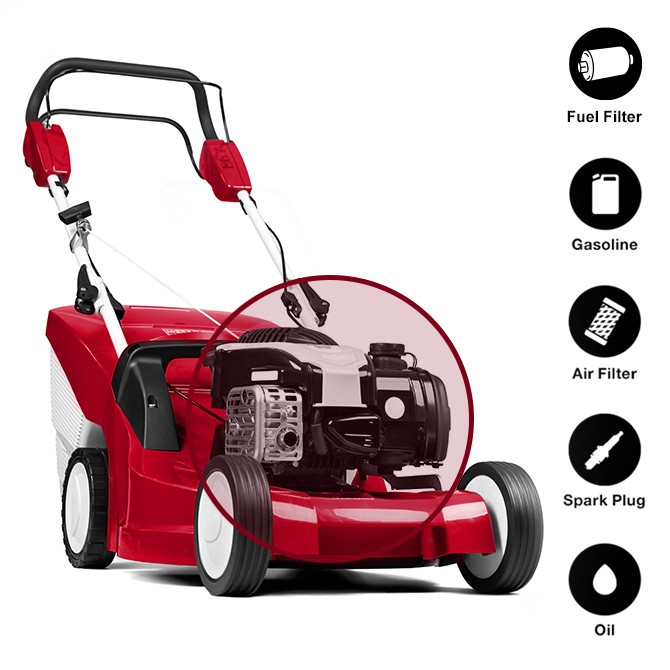
Focus on fuel, spark plug, air filter, carburetor, and oil. Each part plays a key role in engine health. Regular checks and simple fixes often restore engine function quickly.
Common Fuel Issues
Old or contaminated fuel prevents the engine from starting. Gasoline degrades over time and loses power. Drain stale fuel from the tank before adding fresh fuel. Use clean fuel to avoid clogging the carburetor. Avoid overfilling the tank to reduce leaks. Check fuel lines for cracks or blockages. Replace damaged lines to maintain fuel flow.
Spark Plug And Air Filter Care
A dirty spark plug causes weak or no spark. Remove the plug and inspect for dirt or oil. Clean the plug with a wire brush or replace it if worn. The air filter keeps dust out of the engine. A clogged air filter restricts airflow and reduces power. Clean or replace the filter regularly for better engine breathing. Proper spark and clean air help the engine run smoothly.
Carburetor And Oil Problems
The carburetor mixes fuel and air for combustion. Dirt or varnish buildup blocks fuel flow. Clean the carburetor with a spray cleaner or soak parts if needed. Adjust the carburetor settings for smooth engine running. Check the engine oil level often. Low or dirty oil can cause engine damage. Change the oil according to the manufacturer’s schedule. Clean oil keeps engine parts lubricated and cool.
Credit: www.championautoparts.com
Frequently Asked Questions
What Is The Most Common Problem With Lawn Mowers?
The most common lawn mower problem is starting issues caused by stale fuel, dirty air filters, or faulty spark plugs.
What Is The Most Common Reason Why A Briggs & Stratton Small Engine Won’t Run Correctly?
The most common reason a Briggs & Stratton small engine won’t run correctly is a dirty air filter. This restricts airflow and causes poor engine performance. Regularly clean or replace the air filter to maintain proper engine function and prevent running issues.
What Would Cause A Push Mower Not To Start?
A push mower may not start due to stale fuel, a dirty air filter, a faulty spark plug, or a clogged carburetor. Check the fuel level and oil quality as well. Regular maintenance prevents these issues and ensures smooth operation.
How To Tell If A Solenoid Is Bad On A Riding Lawn Mower?
Test the solenoid by listening for a clicking sound when turning the key. Use a multimeter to check for continuity. If no click or continuity occurs, the solenoid is likely bad.
Why Won’t My Push Mower Start Easily?
Common causes include stale fuel, dirty air filters, or bad spark plugs. Cleaning or replacing these parts often solves starting issues quickly.
Conclusion
Push mower troubles usually come from simple issues like dirty filters or dull blades. Regular cleaning and checking parts keep your mower running well. Fix small problems quickly to avoid bigger repairs later. Remember to use fresh fuel and check oil often.
Sharp blades make cutting easier and your lawn look better. Stay patient and follow basic steps to solve most troubles. With a little care, your push mower will work smoothly all season. Keep your mower ready and enjoy a neat, healthy yard.