Is your radiant heating system not warming your home like it should? When the cozy comfort of radiant heat fades, it can quickly become frustrating and inconvenient.
But before you call a technician, there are simple troubleshooting steps you can try yourself. Whether you have a hydronic (water-based) system or an electric radiant floor setup, understanding the common issues and how to spot them can save you time and money.
In this guide, you’ll learn clear, easy-to-follow tips to identify what’s wrong with your radiant heating—and what to do next. Keep reading to regain that steady, soothing warmth in your home without the hassle.
Credit: floorheat.com
General Steps
Radiant heating troubleshooting starts with simple checks. These general steps help identify common problems quickly. Follow these to avoid unnecessary repairs or calls to a technician.
Start with the basics before diving into complex issues. Verify thermostat settings and power supply. These are often the cause of heating failures.
Check Thermostat Settings
Ensure the thermostat is set to heat mode. Confirm the temperature is higher than the current room temperature. Replace old batteries if the thermostat is battery-powered. Verify the display shows correct time and settings. Reset the thermostat to factory defaults if settings seem off. Loose or damaged wiring at the thermostat can also cause issues. Tighten connections or seek help if unsure.
Inspect Circuit Breaker
Locate the breaker panel and find the breaker for the heating system. Check if the breaker has tripped or turned off. Reset the breaker by switching it off and on again. A tripped breaker may indicate an overload or short circuit. If the breaker trips again, stop and call a professional. Look for signs of damage or burning smell near the panel. Proper power supply is essential for radiant heating to work.
Hydronic Systems
Hydronic radiant heating systems use heated water to warm your floors. Pipes under the floor carry warm water to spread heat evenly. These systems provide cozy warmth and lower energy bills. Problems can happen, but most are easy to fix with basic checks.
Common issues include uneven heating, no heat in one zone, or no heat at all. Understanding how your hydronic system works helps solve these problems quickly. Here are simple steps to troubleshoot your hydronic radiant heating system.
Fix Uneven Heat
Uneven heat means some floor areas feel cold while others are warm. Air trapped in pipes can block water flow. Bleed the system using valves to release trapped air. Check for closed or partially closed zone valves. Open them fully to allow water circulation.
Inspect the circulation pump to ensure it runs properly. A weak pump reduces water flow, causing cold spots. Clean or replace the pump if needed. Make sure thermostat settings match your heating needs.
No Heat In One Zone
Each zone has its own valve and thermostat. If one zone has no heat, check the zone valve. It may be stuck or broken. Manually open the valve to test water flow. Replace faulty valves to restore heat.
Test the thermostat in that zone. Replace batteries or reset it if needed. Check wiring connections for damage or loose wires. Faulty wiring can stop the valve from opening. Inspect the zone’s circulation pump for proper operation.
No Heat In Entire System
If no heat comes from any zone, start with the boiler. Check if the boiler is running and has power. Look for error codes or warning lights on the boiler display. Reset the boiler if it has tripped.
Inspect the main circulation pump. A broken pump stops hot water flow to all zones. Check the thermostat settings for the whole system. Verify power at the fuse box and circuit breakers. Replace blown fuses and reset breakers as needed.
Electric Systems
Electric radiant heating systems warm floors using electric cables or mats beneath the surface. These systems provide steady heat and are easy to install in many homes. Troubleshooting electric systems involves checking electrical components and connections. Identifying issues early helps restore comfort quickly.
Troubleshoot No Heat
Start by checking the thermostat settings. Ensure it is set to heat and the temperature is above room temperature. Next, verify the power supply to the heating system. Look for blown fuses or tripped breakers in your electrical panel.
Inspect the wiring connections at the thermostat and heating mats. Loose or damaged wires can stop the system from working. Use a multimeter to test continuity in the heating cables. No continuity means the cable may be broken and needs replacement.
Check for any visible damage on the heating mats or cables. Any cuts or burns suggest a problem. Reset the thermostat or replace batteries if it uses them. If the system still shows no heat, call a professional electrician.
Handle Tripping Breakers
Breakers trip to protect your home from electrical faults. If your radiant heating breaker keeps tripping, it signals a problem. First, unplug or switch off the heating system and reset the breaker. If it trips again, the issue may be a short circuit or overload.
Inspect the heating cables for signs of damage or moisture. Water can cause short circuits and breaker trips. Check the breaker’s amperage rating. It should match the heater’s power needs. An underrated breaker will trip frequently.
Loose wiring can also cause breaker trips. Tighten all electrical connections carefully. If breaker trips persist, consult a licensed electrician for a thorough inspection. Never bypass or ignore breaker problems as they pose safety risks.
Credit: floorheat.com
Signs To Call A Professional
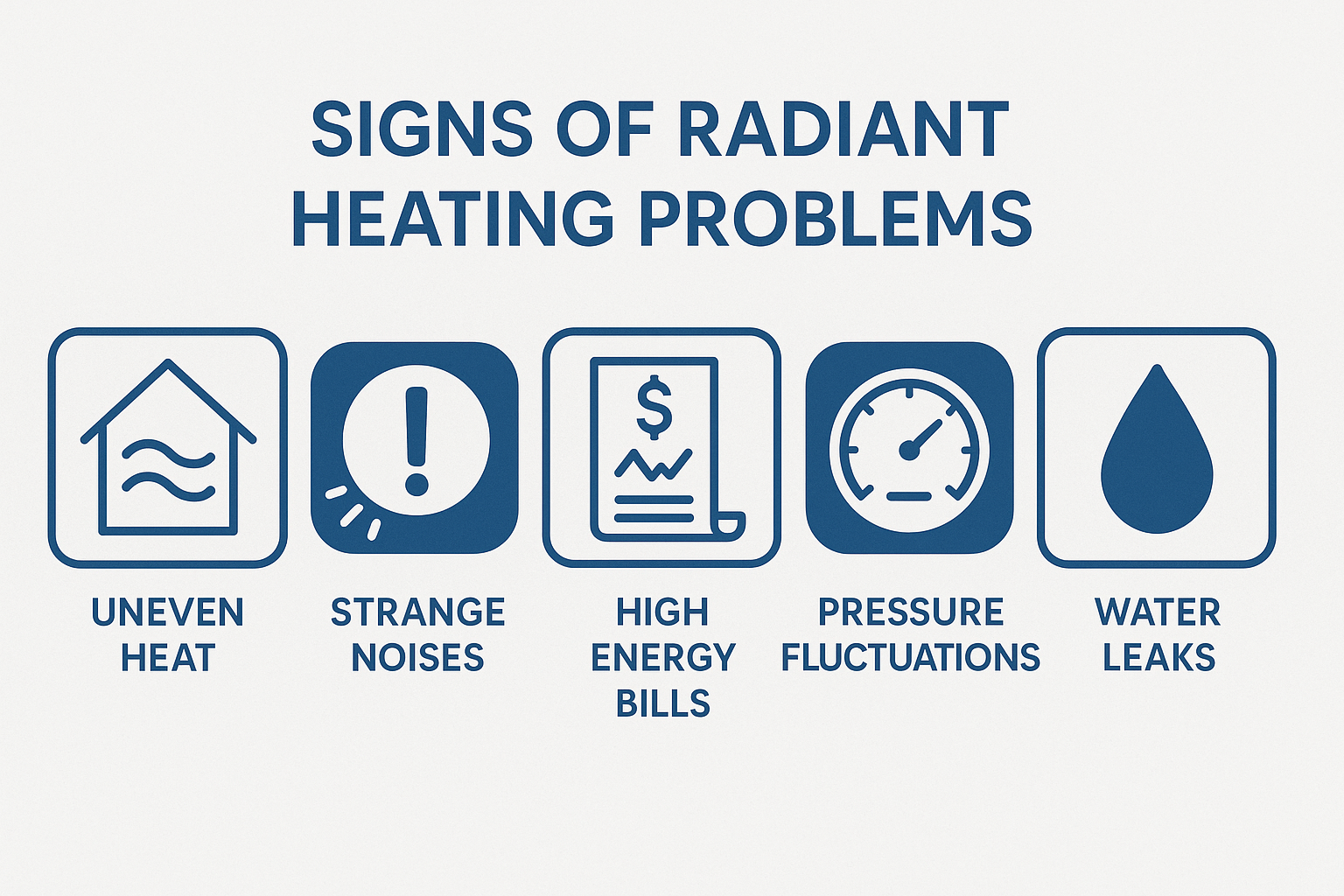
Knowing the signs that require professional help saves time and prevents damage. Radiant heating systems have complex parts that need expert care. Ignoring certain issues can cause bigger problems and higher repair costs. Watch out for these clear signs that show a professional should check your system.
Frequent Breaker Trips
Your circuit breaker trips often when the radiant heating runs. This signals a possible overload or wiring problem. A professional electrician can inspect and fix electrical faults safely. Frequent trips can lead to fire hazards if ignored.
Possible Electrical Shorts
Electrical shorts cause sparks, burning smells, or flickering lights near the heating system. These are dangerous and must be handled by a trained technician. Short circuits can damage your system or cause electric shocks.
Pump Or Valve Failures
The pump or valves in your radiant system control water flow and heat distribution. Strange noises, no heat, or uneven warmth can mean these parts fail. A specialist can test and replace faulty pumps or valves to restore comfort.
Leaks And Plumbing Issues
Leaks under floors or near pipes indicate plumbing problems in hydronic radiant heating. Water damage and mold risks grow if leaks continue. A licensed plumber can find and repair leaks to protect your home and system.
Credit: gtdsupply.com
Frequently Asked Questions
Why Is My Radiant Heat Not Working?
Check the thermostat settings and power supply first. Inspect breakers for trips or blown fuses. For hydronic systems, bleed air from pipes. Test zone valves and circulator pumps. Electric systems need cable inspections. Call a professional if issues persist.
What Common Problem Is Associated With Electric Radiant Floor Heating?
A common issue with electric radiant floor heating is uneven heat distribution. Causes include damaged cables, trapped air, or poor installation.
How Do I Reset My Underfloor Heating?
To reset underfloor heating, first check the thermostat settings and power supply. Reset any tripped breakers. For hydronic systems, bleed air from the pipes. For electric systems, inspect wiring and heating cables. Consult the system manual or a professional if issues persist.
What Are Common Problems With Underfloor Heating?
Common underfloor heating problems include uneven heat, cold spots, thermostat issues, tripped breakers, air trapped in pipes, and faulty pumps or valves.
Why Is My Radiant Heating System Not Turning On?
Check the circuit breaker and thermostat power first. Loose wiring or blown fuses often cause the system to stay off.
Conclusion
Radiant heating problems can feel frustrating and cold. Start by checking simple things like the thermostat and circuit breaker. Know your system type—electric or hydronic—to apply the right fix. Look for common signs: cold spots, uneven warmth, or no heat at all.
Some issues, like air trapped in pipes or broken cables, need careful attention. Don’t hesitate to call a professional for complex repairs. Staying patient and systematic helps restore cozy warmth to your home quickly and safely. Keep these tips in mind for smoother radiant heating troubleshooting.