If you own a Raypak pool heater, you know how important it is to keep your pool warm and inviting all season long. But what happens when your heater stops working or shows error codes?
Don’t worry—this Raypak Pool Heater Troubleshooting Manual is here to help you fix common problems quickly and confidently. You’ll learn simple steps to check your power supply, water flow, gas valves, and key components like the flame sensor and pressure switch.
By following this guide, you can identify and solve issues like ignition failures, no heat, or short cycling without needing costly repairs. Ready to get your Raypak heater running smoothly again? Let’s dive into the most effective troubleshooting tips that will save you time and frustration.

Credit: www.youtube.com
Common Raypak Issues
Raypak pool heaters are reliable but can face issues over time. Understanding common problems helps in quick fixes and saves downtime. This section covers typical faults and practical tips to resolve them.
No Power Or No Start
Check the power supply first. Ensure the heater is plugged in and the circuit breaker is on. Inspect the fuse for any damage. Confirm the thermostat is set correctly. A tripped breaker or blown fuse often stops the heater from starting.
Low Or No Heat Output
Dirty filters or clogged water flow reduce heat output. Clean the pool filter and pump basket regularly. Check the water flow rate to ensure it meets heater requirements. A faulty thermostat or sensor can cause low heat. Replace damaged sensors promptly.
Frequent Cycling On And Off
The heater turning on and off repeatedly signals a problem. This could be due to poor water flow or temperature sensor issues. Inspect the pump and filter for blockages. Faulty sensors may cause incorrect temperature readings. Replace any malfunctioning parts.
Ignition Failures And Error Codes
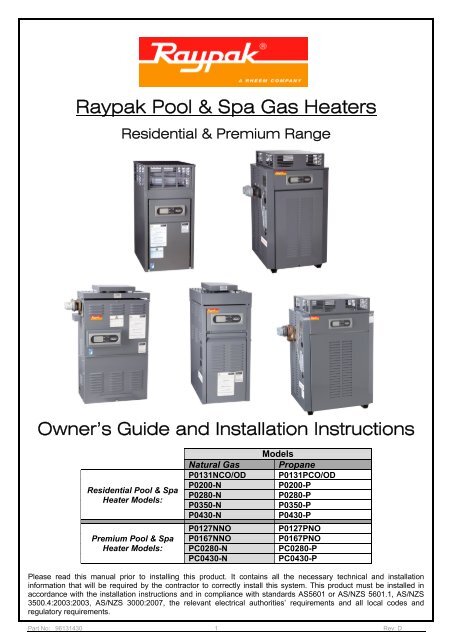
Ignition failures happen if the igniter electrode is dirty or damaged. Clean or replace the electrode as needed. Check the gas supply valve and pressure to ensure proper flow. Flame sensors must be clean and aligned properly. Error codes on the display help identify specific faults quickly.
Credit: www.yumpu.com
Power And Gas Checks
Power and gas supply are the most common causes of Raypak pool heater issues. Checking these first saves time and prevents damage. This section guides you through basic power and gas checks.
These steps help identify simple problems that stop the heater from working. Follow them carefully before calling a technician.
Main Power Supply And Breakers
Ensure the heater is plugged in securely. Check the main power switch is turned on. Inspect your home’s circuit breaker panel for tripped breakers. Reset any tripped breaker by flipping it off and on. Verify power at the heater’s terminal with a multimeter if possible. No power means the heater cannot start or run.
Gas Valve And Pressure
Confirm the gas valve to the heater is open. A closed valve blocks gas flow and stops ignition. Check the gas pressure with a manometer. Low pressure can cause weak or no flame. Look for gas leaks or damage in the supply line. If you smell gas strongly, shut off the supply immediately and call a professional.
Timer And Switch Settings
Verify the timer is set to allow heating periods. Incorrect settings can keep the heater off during expected operation. Check the on/off switch is in the correct position. Some models have a remote switch or thermostat control. Ensure these controls are set to start the heater. Faulty or wrong settings can mimic power or gas issues.
Water Flow Problems
Water flow problems in a Raypak pool heater can stop it from working correctly. Proper water circulation is essential for heating. Without good flow, the heater may shut down or fail to warm the pool. Identifying the cause quickly helps avoid bigger issues. Check key parts that affect water flow to keep the heater running smoothly.
Filter And Basket Cleaning
Clogged filters reduce water flow and pressure. Remove the pool pump basket and filter cartridge. Clean out leaves, dirt, and debris. Rinse the filter thoroughly with a hose. Dirty filters make the heater work harder and may cause it to shut off. Regular cleaning keeps water moving freely.
Pump Operation And Circulation
The pool pump moves water through the system. Listen for unusual noises or vibrations. Check that the pump is running without stopping. A broken or air-locked pump lowers flow. Inspect the pump lid and seals for leaks. Proper pump function ensures steady water flow to the heater.
Pressure Switch Inspection
The pressure switch detects water flow before heater ignition. If the switch is faulty or blocked, the heater will not start. Test the switch with a multimeter for continuity. Clean any buildup around the switch. Replace the switch if it does not respond correctly. This safety feature prevents heater damage from low water flow.
Sensor Maintenance
Sensor maintenance is vital for a Raypak pool heater to work well. Sensors monitor temperature and safety functions. Dirty or damaged sensors cause errors and stop the heater. Regular checks keep your heater running smoothly and extend its life.
Cleaning and inspecting sensors prevents many common problems. Always turn off power before any sensor work. Follow the manual’s steps carefully to avoid damage. Focus on key sensors like the flame sensor, high limit sensor, and igniter.
Flame Sensor Cleaning
The flame sensor detects if the burner is lit. Dirt or soot on the sensor blocks its signal. Clean it gently using fine emery cloth or sandpaper. Remove the sensor first, then wipe the rod carefully. Avoid scratching or bending the sensor. Reinstall and test the heater after cleaning.
High Limit And Temperature Sensors
High limit sensors stop the heater if it gets too hot. Temperature sensors control water heat levels. Check these sensors for dirt, corrosion, or damage. Clean contacts with a soft cloth. Replace sensors if readings seem incorrect or inconsistent. Proper sensor function keeps the heater safe and efficient.
Igniter Condition And Replacement
The igniter lights the gas burner inside the heater. Cracks or buildup can stop it from sparking. Inspect the igniter for signs of wear or damage. Clean the tip gently with a soft brush or cloth. Replace the igniter if it no longer sparks or looks cracked. A good igniter ensures reliable heater starts.
Control Board And Electrical Components
The control board and electrical components play a vital role in your Raypak pool heater’s performance. These parts manage ignition, temperature settings, and safety features. Understanding how to troubleshoot them helps maintain efficient heating and avoid costly repairs.
Problems with the control board or electrical parts often cause the heater to fail or shut down unexpectedly. Testing voltage and spark ensures the system receives proper power and ignition signals. Resetting the heater can clear error codes and restore normal operation. Knowing when to replace the control board prevents repeated breakdowns and improves reliability.
Testing Voltage And Spark
Start by checking the voltage at the control board terminals. Use a multimeter to verify power supply matches specifications. Next, test the spark at the igniter electrode. A strong, consistent spark is necessary for ignition. Weak or no spark may signal a faulty igniter or wiring issue. Inspect wires for damage or loose connections. Proper voltage and spark confirm the electrical system works correctly.
Resetting The Heater
Turn off the heater’s power switch or unplug it. Wait at least five minutes to allow the system to reset. This pause clears any error codes stored in the control board memory. After the wait, restore power and check if the heater starts normally. Resetting often resolves minor faults or temporary glitches. If the heater remains unresponsive, further troubleshooting is needed.
When To Replace The Control Board
Replace the control board if tests show no voltage or response despite correct power supply. Frequent error codes or heater lockouts also indicate a failing board. Physical damage, burnt components, or corrosion on the board means replacement is necessary. A new control board restores proper control and safety functions. Consult a professional if unsure about the replacement process.
Credit: www.yumpu.com
Safety Tips Before Repairs
Before starting any repairs on your Raypak pool heater, safety must come first. Handling electrical and gas components without caution can cause serious injury or damage. Follow basic safety steps to protect yourself and your heater. These tips will help you prepare properly and avoid accidents during troubleshooting or repairs.
Turning Off Power And Gas
Always switch off the power to your pool heater at the circuit breaker. This stops any electricity flow and lowers the risk of shocks. Next, close the gas valve supplying the heater. This prevents gas leaks or fires while you work on the unit. Confirm that both power and gas are completely off before touching any parts.
Handling Internal Components Safely
Wear protective gloves to avoid cuts or burns from hot or sharp parts. Use tools designed for electrical and gas work to reduce risks. Avoid touching the flame sensor or ignition system directly with bare hands. Keep the area dry to prevent slips and electric shocks. Always follow the manufacturer’s instructions for safe handling of internal components.
Step-by-step Troubleshooting
Troubleshooting a Raypak pool heater can seem complex without clear guidance. This step-by-step process simplifies the task. Follow each stage carefully for effective results. This method ensures safety and improves heater performance.
Initial Inspections
Begin by checking the power supply to the heater. Confirm the circuit breaker is not tripped. Inspect the gas supply valve and ensure it is fully open. Look for any error codes on the heater’s display panel. Examine the water flow through the pump and filter. Poor water circulation can cause heater issues. Check for blockages or dirty filters.
Cleaning And Replacing Parts
Turn off power and gas before cleaning any parts. Remove the flame sensor and clean it gently with fine emery cloth. Inspect the igniter electrode for cracks or buildup; replace if damaged. Check the pressure switch and high limit sensor for dirt or wear. Replace any faulty sensors to avoid ignition problems. Clean or replace clogged filters to restore proper water flow.
Monitoring Performance After Fixes
Restore power and gas supply after repairs. Set the thermostat to the desired temperature. Observe the heater as it attempts to ignite. Listen for normal ignition sounds without buzzing. Watch for steady flame and stable temperature rise. If problems persist, recheck previous steps or consult the manual. Regular monitoring helps maintain heater efficiency and prevents future issues.
Expert Tips For Longevity
Extending the life of your Raypak pool heater requires smart care and attention. Simple habits help avoid breakdowns and keep the heater running smoothly. Following expert tips ensures your pool stays warm longer without costly repairs. Focus on regular upkeep, preventing common issues, and improving efficiency for the best results.
Regular Maintenance Schedule
Set a routine to check your pool heater every month. Clean filters and baskets to maintain water flow. Inspect the flame sensor and clean it gently to avoid ignition problems. Look for any signs of rust or leaks around pipes and valves. Replace worn parts before they cause bigger issues. Keep the heater’s exterior free from debris and dirt. Regular checks help catch small problems early and keep your heater working well.
Preventing Common Failures
Watch for warning signs like unusual noises or error codes on the display. Check gas supply lines and valves for proper flow and tight connections. Avoid running the heater without water circulation to prevent damage. Make sure the thermostat is accurate and set correctly. Clean or replace dirty filters to stop blockages. Addressing these simple points lowers the risk of common failures and keeps the heater reliable.
Optimizing Heater Efficiency
Maintain steady water flow by cleaning the pump and filter regularly. Set the temperature to a comfortable but energy-saving level. Use a pool cover to keep heat from escaping during cold nights. Inspect the heat exchanger for scale buildup and clean it as needed. A well-tuned heater uses less gas and heats faster. These steps reduce energy costs and help your Raypak heater last longer.
Frequently Asked Questions
Why Is My Raypak Pool Heater Not Firing Up?
Your RayPak pool heater may not fire up due to no power, clogged filters, faulty igniter, dirty flame sensor, or gas supply issues. Check power, clean sensors, ensure proper water flow, and verify gas valves are open. Replace damaged parts to restore ignition.
How To Reset Raypak Heater?
To reset a RayPak heater, turn off the power and wait five minutes to clear the error code. Then, turn the power back on.
How To Diagnose Pool Heater Problems?
Diagnose pool heater problems by checking the thermostat settings, cleaning filters, and ensuring the pump circulates water properly. Inspect power supply and gas flow. Clean or replace dirty flame sensors and burners. Review error codes on the display for specific issues.
Always turn off power before inspections.
How To Clean The Flame Sensor On A Raypak Pool Heater?
Turn off power and gas. Remove the flame sensor carefully. Gently clean the rod with fine emery cloth. Reinstall and restore power.
Why Is My Raypak Pool Heater Not Igniting?
A common cause is a dirty or damaged igniter electrode. Check the gas supply and clean or replace the electrode. Also, inspect the flame sensor for cleanliness and proper alignment.
Conclusion
Troubleshooting your Raypak pool heater becomes easier with clear steps. Always start by checking power, gas supply, and water flow. Clean sensors and filters regularly to keep the heater working well. Watch for error codes on the display to find specific problems fast.
Remember to turn off power before inspecting any parts inside. Following these tips helps maintain warm, comfortable pool water. Keep your pool heater in good shape to enjoy every swim.