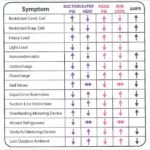
Is your car making strange noises or handling oddly when you turn or accelerate? These could be signs that your rear differential is acting up.
The rear differential plays a crucial role in how your vehicle turns and transfers power to the wheels. Ignoring its warning signs can lead to costly repairs or even dangerous driving situations. But don’t worry—you don’t have to be a mechanic to start troubleshooting.
In this guide, you’ll learn how to spot common rear differential problems, what causes them, and the steps you can take to fix or prevent serious damage. Keep reading to protect your car and keep your drives smooth and safe.
Symptoms Of Rear Differential Issues
The rear differential is a key component of your vehicle’s drivetrain. It helps transfer power from the engine to the wheels. Problems with the rear differential show up through certain signs. Knowing these symptoms can help you act early and avoid costly repairs.
Watch for noises, handling issues, and fluid leaks. These often signal trouble inside the differential. Below are common symptoms that indicate rear differential problems.
Noise And Vibration
Whining or howling sounds during acceleration or turns can indicate worn gears. Grinding or clunking noises often mean damaged bearings or gears. Vibrations felt through the floor or seat may also point to differential issues.
Handling Problems
The vehicle may pull to one side when turning. Steering can feel stiff or jerky. These signs suggest the differential isn’t distributing power correctly to the wheels.
Loss Of Power
A failing rear differential can cause power loss to the rear wheels. The car may struggle to move or accelerate. This reduces overall driving performance and can be dangerous.
Wheel Lockup Risks
In severe cases, the differential may cause wheels to lock up. This can happen if internal parts seize or break. Locked wheels increase the risk of accidents and loss of control.
Tire Wear Patterns
Uneven or rapid tire wear often points to differential problems. Worn gears can cause wheels to spin at different speeds. This uneven rotation wears tires faster and unevenly.
Fluid Leaks And Smells
Leaking differential fluid shows as oily spots under the vehicle. Low fluid levels cause overheating and damage. A burnt smell near the rear axle may mean the fluid is old or contaminated.
Diagnosing Rear Differential Problems
Diagnosing rear differential problems requires careful inspection and testing. The rear differential plays a key role in power delivery to the wheels. Problems here can cause noises, vibrations, and poor handling. Early diagnosis helps prevent costly repairs and keeps your vehicle safe.
Checking Fluid Level And Condition
Start by checking the differential fluid level. Low fluid can cause overheating and damage. The fluid should be clean and free from debris. Dark, dirty, or burnt-smelling fluid signals trouble inside the differential.
Inspecting For Metal Shavings
Metal shavings in the fluid indicate internal wear or damage. Drain a small amount of fluid into a clear container. Look closely for tiny metal particles. Finding shavings means the gears or bearings may be failing.
Using Diagnostic Tools
Special tools help find exact problems inside the differential. Dial indicators measure gear backlash and clearances. Gear marking compound shows how the gears mesh. These tools provide accurate data on gear wear and alignment.
Testing Gear Alignment
Proper gear alignment ensures smooth power transfer. Misaligned gears cause noise and quick wear. Use marking compound on gear teeth and rotate them slowly. Check the contact pattern to see if it matches manufacturer specs.
Assessing Wheel Movement
Check the wheels connected to the differential. Move each wheel by hand to feel for play or resistance. Excessive free play or rough movement signals worn bearings or damaged gears. This test helps spot mechanical faults early.
Quick Fixes To Try
Quick fixes can save time and money when dealing with rear differential issues. These simple steps often restore smooth driving. Most fixes need basic tools and little experience. Start here before seeking professional help.
Refilling Or Changing Fluid
Check the differential fluid level regularly. Low fluid causes noise and wear. Replace old or dirty fluid to protect gears. Use the fluid type recommended by your vehicle’s manual. Clean fluid ensures proper lubrication and cooling.
Tightening Loose Components
Loose bolts or mounts cause noise and vibration. Inspect the differential housing and axle bolts. Tighten any loose parts to the correct torque. Secure components prevent damage and improve stability.
Replacing Seals And Gaskets
Worn seals cause fluid leaks and dirt entry. Look for oil spots under the vehicle. Replace damaged seals and gaskets promptly. New seals keep fluid in and contaminants out, extending differential life.
Lubricating Moving Parts
Moving parts inside the differential need proper lubrication. Use quality grease for bearings and joints. Lubrication reduces friction and prevents overheating. Regular lubrication keeps parts moving smoothly.
Adjusting Gear Settings
Incorrect gear alignment causes noise and uneven wear. Adjust gear backlash and pinion depth carefully. Proper gear settings improve performance and reduce damage. Use special tools or seek expert help for accurate adjustment.
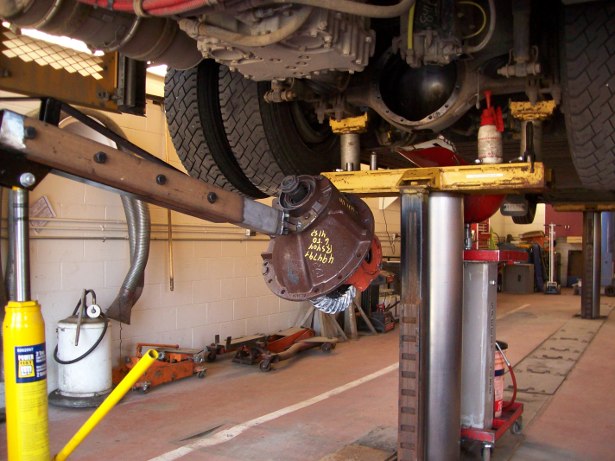
Credit: mechanicshub.com
When To Seek Professional Help
Knowing when to seek professional help for rear differential issues can save your vehicle from serious damage. Some problems look small but grow fast. Early attention prevents costly repairs and safety risks. This guide helps you understand key signs and steps to take.
Signs Of Severe Damage
Loud whining or grinding noises often mean internal damage. Fluid leaks under your car can signal worn seals. Uneven tire wear or difficulty turning shows differential trouble. Metal shavings in differential fluid indicate serious wear. Sudden vibrations or jerking while driving are warning signs. If these appear, get a mechanic’s help right away.
Risks Of Continued Driving
Ignoring differential problems can cause more damage. The rear wheels may lose power or lock up. This can lead to loss of control or accidents. Driving with a damaged differential also harms other parts. Repair costs rise as the damage spreads. Safety risks and repair bills grow the longer you wait.
Choosing A Qualified Mechanic
Pick a mechanic with rear differential experience. Specialists understand specific problems and fixes. Ask about their training and certifications. Check reviews to confirm quality service. A skilled mechanic uses the right tools for diagnosis. This ensures accurate repairs and long-lasting results.
Cost Considerations
Repair costs vary by damage severity and vehicle type. Simple fixes like fluid changes cost less. Major repairs or full replacement cost more. Getting a detailed estimate helps avoid surprises. Some shops offer warranties on their work. Prioritize quality repairs over low prices to save money long term.
Preventative Maintenance Tips
Regularly check differential fluid level and quality. Change fluid as recommended in your vehicle’s manual. Inspect seals and gaskets for leaks. Avoid heavy loads or aggressive driving that strain the differential. Early maintenance reduces wear and extends differential life. Catching small issues early keeps your vehicle safe and reliable.
Preventing Future Differential Issues
Preventing future issues with your rear differential protects your vehicle and saves repair costs. The rear differential is vital for smooth turns and power distribution. Taking proactive steps keeps it working well for longer. Simple habits and regular checks reduce wear and damage. Follow these tips to maintain your differential’s health and avoid common problems.
Regular Fluid Checks
Check the differential fluid level often. Fluid lubricates gears and prevents overheating. Use the correct type for your vehicle. Dirty or low fluid causes noise and wear. Change the fluid as recommended in your manual. This prevents metal parts from grinding together. Clean fluid helps the differential last longer.
Scheduled Maintenance
Stick to your vehicle’s service schedule. Mechanics inspect the differential during routine maintenance. They check seals, bearings, and gears for damage. Early detection stops small issues from growing. Replace worn parts promptly to avoid bigger repairs. Scheduled care keeps the differential working smoothly.
Driving Habits To Avoid
Avoid harsh driving like fast turns or sudden stops. These strain the differential and gears. Don’t overload your vehicle beyond its limit. Excess weight increases stress on the rear end. Avoid off-road driving unless your vehicle is designed for it. Gentle driving reduces wear and extends differential life.
Upgrading Components
Consider upgrading to heavy-duty differential parts for tough use. Stronger gears and seals handle stress better. Performance differentials improve traction and durability. Upgrades suit drivers who tow or drive off-road frequently. Discuss options with your mechanic for the best fit.
Monitoring Vehicle Performance
Listen for unusual noises like whining or clunking. Notice changes in handling or vibrations. Check for fluid leaks under the vehicle. Early signs often indicate differential problems. Regularly inspect tires for uneven wear patterns. Quick response to issues prevents costly damage later.
Credit: www.houstonrebuiltaxles.com
Credit: www.youtube.com
Frequently Asked Questions
How To Diagnose A Bad Rear Differential?
Diagnose a bad rear differential by checking for whining or clunking noises during turns. Inspect fluid level and condition for leaks or metal shavings. Notice uneven tire wear, handling issues, or vibrations. These signs indicate internal wear or damage needing professional repair.
How To Test A Rear Differential?
Check for unusual noises or vibrations while driving. Inspect differential fluid level and look for metal shavings. Use gear marking compound and dial indicators to detect gear wear or misalignment. Test handling for stiffness or pulling during turns.
What Does It Feel Like When Your Rear Differential Goes Out?
A failing rear differential causes whining or grinding noises, stiff or uneven turning, vibrations, fluid leaks, and poor handling. The car may pull to one side or lose power to the rear wheels, risking wheel lockup and unsafe driving conditions.
What Happens When A Rear Diff Fails?
A rear differential failure causes whining or grinding noises, handling problems, fluid leaks, uneven tire wear, and possible wheel lockup. Power loss to rear wheels can occur, making driving unsafe. Immediate professional inspection and repair are essential to prevent accidents and further damage.
What Are Common Signs Of Rear Differential Problems?
Common signs include whining or clunking noises, vibrations, and uneven tire wear. Fluid leaks near the rear axle also indicate issues. These symptoms suggest the differential needs inspection or repair.
Conclusion
Rear differential problems often show clear signs like noise and poor handling. Check fluid levels and look for leaks regularly. Listen for unusual sounds when turning or accelerating. Early detection helps avoid costly repairs. Keep your vehicle safe by addressing issues quickly.
Proper maintenance extends the life of your rear differential. Stay alert to changes in how your car drives. Simple checks can prevent bigger troubles down the road.