Is your refrigerator not cooling like it used to? You might be facing a problem with your compressor—the heart of your fridge’s cooling system.
When your refrigerator compressor struggles, your food spoils faster, the appliance runs nonstop, or you hear strange noises coming from the back. Don’t ignore these signs! In this guide to refrigerator compressor troubleshooting, you’ll learn how to spot common issues, run simple tests, and decide when it’s time to call a professional.
By understanding your compressor better, you can save time, avoid costly repairs, and keep your fridge running smoothly. Ready to take control of your fridge’s health? Let’s dive in!
Signs Of Compressor Issues
Recognizing signs of compressor issues is essential for maintaining your refrigerator. The compressor plays a key role in cooling. Early detection helps prevent food spoilage and costly repairs. Watch for these common symptoms that suggest compressor problems.
Poor Cooling Performance
The refrigerator does not keep food cold enough. Temperatures inside rise above the set level. Food may spoil faster than usual. This often means the compressor is weak or failing.
Constant Running Cycles
The fridge runs nonstop without shutting off. Normally, the compressor cycles on and off regularly. Continuous operation wastes energy and signals a compressor fault.
Unusual Noises
Listen for buzzing, rattling, or grinding sounds near the compressor. A healthy compressor hums quietly. Strange noises may indicate mechanical failure or worn parts.
Overheating Symptoms
The compressor or fridge’s rear feels very hot to touch. Excess heat may come with a burning smell. Overheating can damage the compressor and other components.
Circuit Breaker Trips
The refrigerator causes your home’s circuit breaker to trip frequently. A failing compressor can draw too much electrical current. This overload trips breakers to protect your wiring.
Leaks And Frost Formation
Notice oil stains or moisture leaks near the compressor area. Frost or ice build-up in unusual places can also appear. These signs may point to refrigerant leaks linked to compressor problems.
Basic Diy Checks
Basic DIY checks help identify common refrigerator compressor issues early. These simple steps require no special tools. Anyone can perform them safely at home. This section covers key checks to spot problems fast. Early detection can save costly repairs.
Listening For Abnormal Sounds
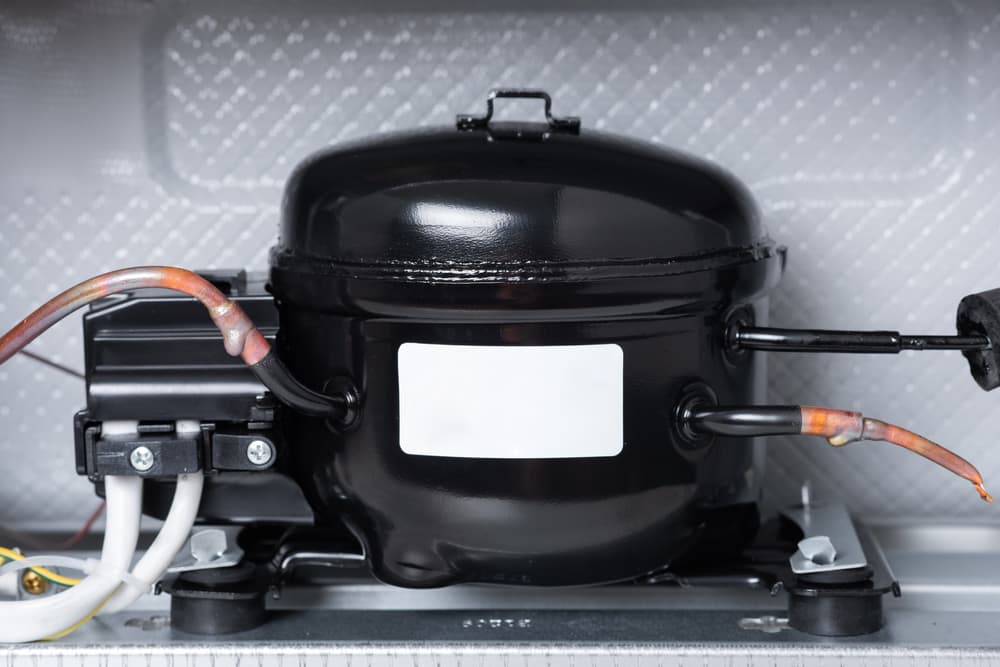
Listen closely to the compressor while the fridge runs. A healthy compressor makes a steady humming noise. Unusual sounds like clicking, buzzing, or rattling indicate trouble. These noises may mean the compressor is struggling to start or running poorly. Note any changes in sound volume or pattern.
Feeling For Excessive Heat
Touch the compressor and the area around it carefully. It is normal for the compressor to feel warm. Excessive heat suggests the compressor is working too hard or overheating. Overheating can cause permanent damage if not addressed. Check also the sides and back of the fridge for unusual warmth.
Inspecting For Visible Leaks
Look closely at the compressor and nearby components for leaks. Refrigerant leaks often appear as oily spots or stains. Frost or ice buildup near the compressor may also signal a leak. Visible leaks reduce cooling efficiency and harm the compressor. Prompt action helps prevent further damage.
Advanced Troubleshooting
Advanced troubleshooting of a refrigerator compressor requires specific tools and careful steps. These methods help identify hidden issues that basic checks miss. Understanding these techniques saves time and avoids unnecessary part replacements.
Start with checking parts that support the compressor’s operation. Then test electrical components using a multimeter. Measuring resistance in compressor windings reveals deeper faults. Each step narrows down the cause of compressor problems.
Checking The Condenser Fan
The condenser fan cools the compressor and condenser coils. Inspect the fan for dust, dirt, or blockage. Turn on the fridge and watch the fan blades spin. If the fan does not run or runs slowly, it needs repair or replacement. A faulty fan causes overheating and compressor failure.
Testing The Start Relay
The start relay helps the compressor begin running. Remove the relay from the compressor. Shake it gently; a rattling sound means it may be broken. Use a multimeter to check continuity across its terminals. No continuity or a clicking noise during operation signals a bad relay. Replace it to restore compressor function.
Using A Multimeter For Shorts
A multimeter detects electrical shorts or open circuits in the compressor. Set the meter to measure resistance. Check between the compressor terminals and the metal casing. Any reading other than infinite resistance indicates a short. Shorts cause the compressor to trip breakers or fail to start. Fixing these shorts requires professional help.
Measuring Winding Resistance
The compressor contains three windings: start, run, and common. Measure resistance between each pair of terminals. Compare the readings to the manufacturer’s specifications. Very high or low resistance means winding damage. Balanced resistance shows the windings are fine. This test confirms the compressor’s internal health.
Resetting The Compressor
Resetting the refrigerator compressor can fix common issues without costly repairs. It helps clear minor faults and restarts the system for normal operation. This simple step can often restore cooling and stop unusual noises.
Follow the steps carefully to ensure the reset works correctly. Different brands may need specific methods. Understanding the right reset process saves time and effort.
Basic Reset Steps
Unplug the refrigerator from the power outlet. Wait at least five minutes to let the compressor cool down.
Plug the fridge back in and turn it on. Allow several minutes for the compressor to restart fully.
Check if the compressor runs smoothly and the fridge cools properly. Repeat if needed, but avoid frequent resets.
Power Cycling Procedures
Power cycling means turning the appliance off and on to reset its electronics. Start by unplugging the fridge.
Leave it unplugged for 10 to 15 minutes. This allows internal components to reset and clear errors.
Plug the fridge back in and switch it on. Listen for the compressor’s humming sound, indicating it is working.
Power cycling helps fix temporary glitches and resets sensors controlling the compressor.
Reset Tips For Specific Brands
Some brands require unique reset methods. For example, Samsung models often have a reset button inside the fridge.
LG refrigerators may need a quick power cycle combined with holding the reset button on the control panel.
Frigidaire units sometimes need a longer unplug time, up to 30 minutes, before restarting.
Always check the user manual or brand website for precise instructions. Using the correct reset method avoids damage.
When To Seek Professional Help
Knowing when to call a professional for refrigerator compressor issues saves time and prevents damage. Some problems need expert tools and skills beyond basic checks. Ignoring complex signs can cause costly repairs or unsafe situations. This section helps identify when to seek professional help for your refrigerator compressor troubles.
Recognizing Complex Electrical Issues
Electrical problems inside a refrigerator compressor are not easy to fix. Faulty wiring, shorts, or a damaged motor require special tools. Professionals use multimeters to test electrical resistance and connections. If the compressor trips breakers or smells burnt, it signals complex electrical faults. Attempting repairs without experience can cause injury or worsen damage.
Cost Considerations
Repairing a refrigerator compressor can be expensive. Professionals can diagnose the issue accurately and suggest cost-effective fixes. Sometimes, replacing the compressor costs more than buying a new fridge. A technician helps weigh repair costs against replacement value. This saves money and avoids repeated repairs in the long run.
Safety Precautions
Handling compressor repairs involves risks like electric shock and refrigerant leaks. Professionals follow safety standards to protect themselves and your home. They use proper tools and wear protective gear. DIY attempts may expose you to harmful chemicals or fire hazards. Prioritize safety by letting experts handle complex compressor issues.

Preventive Maintenance Tips
Preventive maintenance helps keep your refrigerator compressor in good shape. Small, regular care stops big problems later. It also saves money by avoiding costly repairs. Follow these simple tips to make your compressor last longer and work better.
Regular Cleaning Of Condenser Coils
Dirty condenser coils make the compressor work harder. Clean coils improve cooling and save energy. Use a soft brush or vacuum to remove dust and dirt. Clean coils every three to six months for best results. This keeps the compressor from overheating and failing early.
Ensuring Proper Ventilation
Good airflow around the fridge helps the compressor stay cool. Leave space between the fridge and the wall. Avoid blocking vents or placing the fridge in a tight corner. Proper ventilation stops heat buildup, which can damage the compressor. Check vents regularly and clear any obstacles.
Routine Fan Inspections
The condenser fan helps cool the compressor. Make sure the fan spins freely and is free of dust. Listen for unusual noises that may mean the fan motor is failing. Clean the fan blades carefully to avoid damage. Test the fan every few months to ensure it works well.

Frequently Asked Questions
How Can You Tell If A Fridge Compressor Is Bad?
A bad fridge compressor causes poor cooling, constant running, loud buzzing, overheating, or tripped breakers. Check for unusual noises, excessive heat, and leaks. Use a multimeter to test electrical shorts or winding resistance. Consult a professional for accurate diagnosis and safe repair.
How To Reset Refrigerator Compressor?
Unplug the refrigerator for 5 minutes to power down. Plug it back in to reset the compressor. This clears minor faults.
What Is The Most Common Reason For Compressor Failure?
The most common reason for compressor failure is overheating caused by poor ventilation or a faulty start relay.
What Would Cause A Refrigerator Compressor Not To Kick In?
A refrigerator compressor may not kick in due to a faulty start relay, electrical issues, a blocked condenser fan, or a bad compressor motor. Overheating, short circuits, or power supply problems can also prevent it from starting. Professional diagnosis is recommended for accurate troubleshooting.
How To Identify A Bad Refrigerator Compressor?
A bad compressor shows signs like poor cooling and loud buzzing noises. It may run constantly or feel very hot. Checking for these helps spot compressor issues early.
Conclusion
Troubleshooting a refrigerator compressor helps spot common problems early. Watch for poor cooling, strange noises, or constant running. Basic checks like feeling heat or looking for leaks can guide you. Testing parts with a multimeter adds accuracy but requires care.
Knowing these signs helps avoid bigger fridge issues. If problems persist, seek professional repair to protect your appliance. Regular checks keep your fridge running smoothly and your food fresh. Stay attentive and handle small fixes promptly to save time and money.