Is your refrigerator’s ice maker not doing its job? You rely on it for cool drinks and quick ice, so when it stops working, it can be frustrating.
Before calling a repair technician or buying a new fridge, you can try simple fixes yourself. In this guide, you’ll discover easy and practical troubleshooting tips to get your ice maker back on track. Whether your ice maker isn’t producing enough ice, making odd-shaped cubes, or has completely stopped, you’ll learn how to spot common problems and solve them fast.
Keep reading to save time, avoid costly repairs, and enjoy fresh ice again!
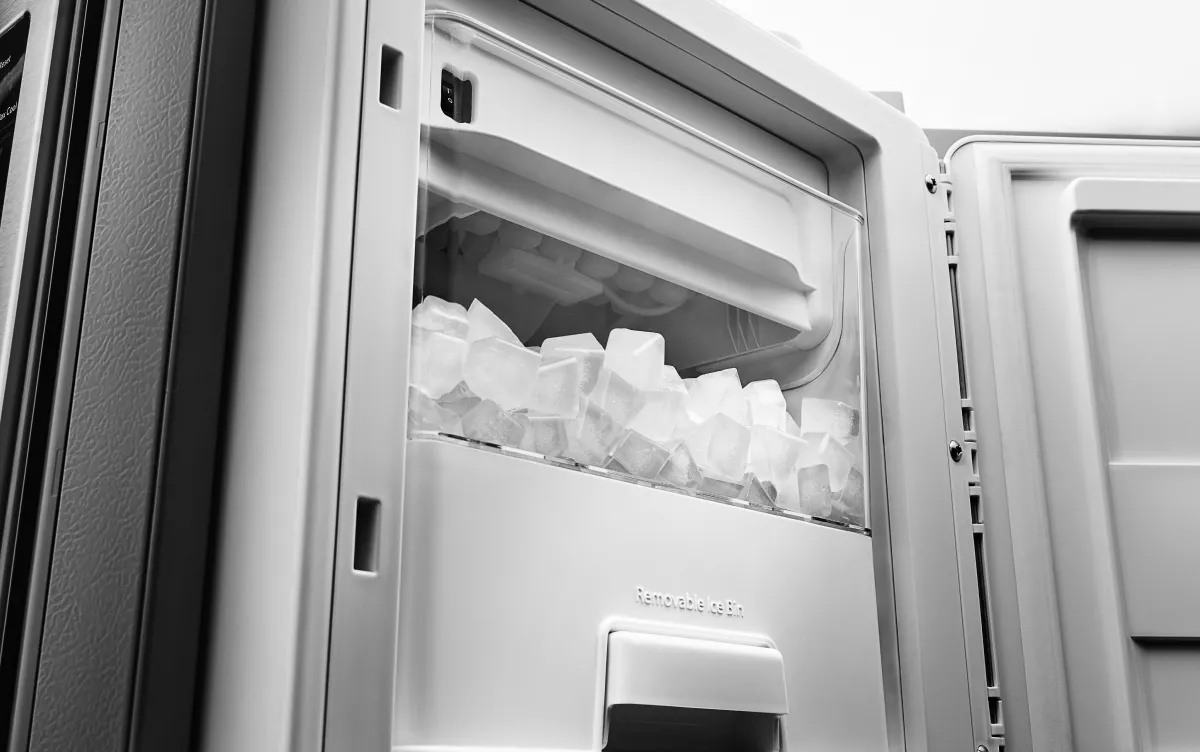
Credit: www.kitchenaid.com
No Ice Or Slow Production
Ice makers in refrigerators can stop working or produce ice very slowly. This issue often causes frustration, especially during hot days. The problem may have simple fixes. Understanding common causes helps solve it quickly.
Check the power and settings first. Sometimes the ice maker is turned off or not getting enough power. Water supply problems are also frequent causes. A frozen fill tube might block water flow. Resetting the ice maker can restart its cycle and fix minor errors.
Power And Settings
Ensure the ice maker is switched on. Some models have a power switch or button. Check the refrigerator’s control panel for ice maker settings. If the fridge is unplugged or has a power issue, ice making stops. Verify the outlet and plug are working properly. Adjust the temperature settings. The freezer should be cold enough for ice production, usually below 0°F (-18°C).
Water Supply Issues
Ice makers need a steady water supply to work well. Check the water line for kinks or leaks. A clogged or frozen water filter can reduce water flow. Replace the water filter if it is old or dirty. Make sure the water valve is open. Low water pressure can slow ice production. Inspect the water inlet valve for damage or blockages.
Frozen Fill Tube
The fill tube moves water into the ice mold. If this tube freezes, water cannot fill the mold. To fix, gently thaw the tube using a hairdryer or warm cloth. Avoid using sharp objects to clear ice. Keep the freezer at the correct temperature to prevent refreezing. Regularly check the fill tube for ice buildup.
Resetting The Ice Maker
Resetting can fix small mechanical or electrical glitches. Find the reset button on the ice maker or control panel. Press and hold the button for 10 seconds or as instructed in the manual. The ice maker will run a test cycle. Unplugging the refrigerator for a few minutes also resets the system. After resetting, check if ice production improves.
Small, Misshapen, Or Odd-tasting Ice
Small, misshapen, or odd-tasting ice can spoil your drink and cause frustration. This problem often points to issues inside the refrigerator. Ice cubes may shrink, become cloudy, or taste strange due to poor water quality or incorrect freezer settings. Understanding these causes helps you fix the problem quickly. Below are key areas to check for better ice quality.
Freezer Temperature
The freezer temperature affects ice size and shape. Set the freezer between 0°F and 5°F (-18°C to -15°C) for ideal ice making. If it is too warm, ice may be small or soft. Too cold can cause ice to form oddly or stick together. Use a thermometer to check the temperature. Adjust the settings on the control panel to keep it steady. Avoid frequent door openings as this changes the temperature.
Water Filter Replacement
A dirty or old water filter can cause bad-tasting or misshapen ice. The filter removes impurities and chemicals that affect ice quality. Change the filter every six months or as the manufacturer suggests. Signs include slow ice production and odd taste or smell. Locate the filter inside the fridge or behind a panel. Replace it with the correct model for your refrigerator. Clean water means clear, fresh-tasting ice every time.
Common Ice Maker Problems
Ice makers often stop working properly due to simple issues. Knowing common problems helps solve them fast. These issues affect ice production and quality.
Check these common ice maker problems to keep ice flowing smoothly.
Clogged Water Filter
A clogged filter blocks water flow to the ice maker. This reduces ice production or stops it completely. Replace the filter every six months or as recommended.
Defective Water Inlet Valve
The water inlet valve controls water entering the ice maker. A faulty valve means no water supply to make ice. Test the valve and replace if it does not open.
Warm Refrigerator Or Freezer
Ice makers need cold temperatures to work. If the fridge or freezer is too warm, ice melts or stops forming. Check the thermostat and seal tightness.
Mispositioned Control Arm
The control arm signals the ice maker to stop or start. If stuck in the off position, ice making stops. Make sure the arm moves freely up and down.
Frozen Water Inlet Tube
Water tubing can freeze, blocking water flow. Thaw the tube carefully to restore water supply. Prevent refreezing by keeping the freezer temperature steady.
Ice Clumps In Bin Or Chute
Ice can stick together, blocking the chute or filling bin. Remove clumps to avoid jams. Regularly clean the ice bin to prevent buildup.
Frozen Auger Motor
The auger motor moves ice through the dispenser. Ice jams can freeze the motor, stopping ice delivery. Defrost the motor area and clear ice blockages gently.

Credit: www.youtube.com
Checking Water Line And Valve
Resetting your ice maker is a simple way to fix many common problems. Sometimes, the ice maker stops working due to a small glitch. A reset can clear this and get it running again. Follow these easy steps to reset your ice maker safely and correctly.
Power Cycle Method
Start by turning off your refrigerator. Unplug it from the power outlet. Wait for about five minutes to let the system reset. Plug the fridge back in and turn it on. This process can fix minor errors in the ice maker’s system. Watch if the ice maker begins making ice after the reset.
Using The Reset Button
Many ice makers have a reset button. Press this button firmly for a few seconds. The ice maker will start a test cycle. It may eject old ice and refill with water. This method is quick and often solves the problem. Make sure to follow the instructions in your manual for best results.
Locating The Reset Button By Brand
Reset button location varies by brand and model. Whirlpool buttons often sit inside the ice maker unit. Samsung may place the button on the side or front. GE ice makers sometimes hide it under the ice bin. Check your owner’s manual to find the exact spot. Knowing where to find the button saves time and effort.
Preparing For Reset
Before resetting, clear any ice blockages. Remove the ice bin and empty it completely. Place towels nearby to catch water spills. Ensure the water supply line is connected and working. These steps prevent damage and mess during the reset process. Proper preparation helps your ice maker reset smoothly.
Resetting Your Ice Maker
Knowing when to seek professional help for your refrigerator ice maker saves time and avoids further damage. Some problems need expert tools and skills for a proper fix. Recognizing these signs can keep your appliance running smoothly.
Persistent Ice Maker Failures
Repeated ice maker failures signal a deeper problem. Simple resets or cleaning might not solve the issue. A professional can diagnose hidden electrical or mechanical faults. Continuing to ignore these failures may cause costly damage.
Replacing Broken Control Arm
The control arm controls ice production. If it is broken or stuck, ice making stops. Replacing this part requires careful handling and correct parts. Experts ensure proper installation to avoid further issues.
Complex Mechanical Issues
Mechanical problems like frozen auger motors or water inlet valve faults need specialized tools. These issues are hard to identify and fix without experience. Professional technicians have the training to repair these parts safely and effectively.
When To Seek Professional Help
Maintaining your refrigerator’s ice maker ensures steady ice production. Simple care steps help avoid common problems. Follow these tips to keep ice flowing smoothly and reliably. Regular upkeep prevents blockages and mechanical issues. Clean, fresh water and correct temperature matter most.
Regular Water Filter Changes
Change the water filter every six months. A clogged filter lowers water flow to the ice maker. This reduces ice production and can cause bad tastes. Use the correct filter model for your refrigerator. Follow the manufacturer’s guide for installation. Clean water means clear, fresh-tasting ice.
Keeping Freezer Temperature Optimal
Set your freezer temperature between 0 and 5 degrees Fahrenheit. Too warm slows ice formation. Too cold can freeze water lines and block the ice maker. Check the temperature with a freezer thermometer. Adjust settings as needed for steady ice output. Avoid frequent door openings to keep temperature stable.
Clearing Ice Blockages Promptly
Remove ice clumps in the bin or chute quickly. Ice jams stop new ice from dropping. Use warm water or a hair dryer on low heat to melt blockages. Never force ice out with sharp objects. Check the ice maker regularly for buildup. Prompt clearing keeps ice flowing and prevents damage.
Credit: www.kitchenaid.com
Frequently Asked Questions
How To Reset A Fridge Ice Maker?
Turn off the ice maker or unplug the fridge. Press the reset button or flip the power switch on. Plug in and turn the ice maker on. Check your manual for specific steps and clear any ice jams before resetting.
What Is The Most Common Reason For An Ice Maker Not Working?
The most common reason for an ice maker not working is a clogged or frozen water line. This blocks water flow and stops ice production.
Will The Ice Maker Stop Working If The Water Filter Needs Replaced?
Yes, a clogged or expired water filter can reduce water flow, causing the ice maker to stop producing ice. Replace the filter to restore ice production.
How Do I Know If My Ice Maker Water Line Is Clogged?
A clogged ice maker water line causes slow or no ice production. Check for reduced water flow, unusual noises, or ice cubes not forming. Inspect for kinks, frozen tubes, or blockages in the line. Clear any ice or debris and ensure the water valve is fully open.
Why Is My Refrigerator Ice Maker Not Producing Ice?
The water supply may be off or blocked, stopping ice production. Also, a faulty water inlet valve can cause this issue. Check these parts first to restore ice making.
Conclusion
Troubleshooting your refrigerator ice maker can save time and money. Start with simple checks like power, water supply, and filter condition. Clear any ice jams or frozen tubes carefully. Resetting the ice maker often helps restore function. Always consult your refrigerator’s manual for specific instructions.
Regular maintenance keeps your ice maker working well. Small steps make a big difference in ice production. Stay patient and follow these tips to get ice flowing again.