Is your refrigerator suddenly making strange noises that disrupt your peace at home? You’re not alone.
Those unexpected humming, buzzing, or rattling sounds can be alarming—and they often signal that your fridge needs attention. But before you call a repair technician, you can take simple steps to diagnose the problem yourself. In this guide to refrigerator noise troubleshooting, you’ll learn how to identify common sounds, what they mean, and easy fixes you can try right now.
Keep reading to save time, avoid costly repairs, and get your fridge running quietly again. Your peace of mind is just a few steps away!
Credit: www.electrolux.com.sg
Common Fridge Noises
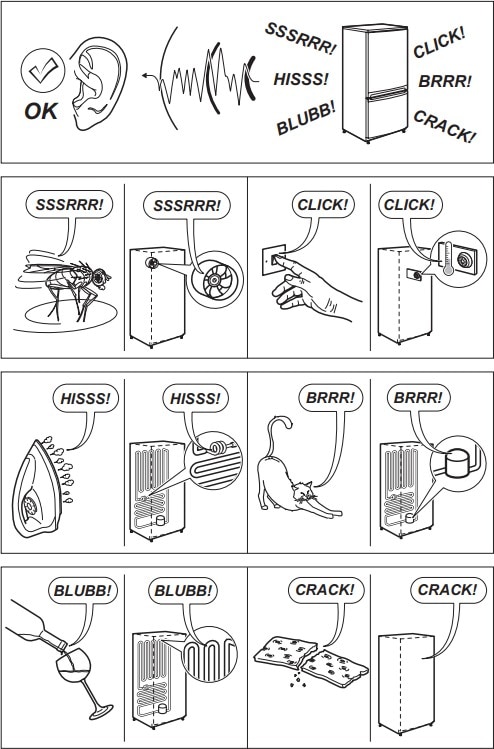
Refrigerators create a variety of sounds during normal operation. Recognizing these noises helps you know when to worry. Some sounds are usual and harmless. Others warn of possible problems that need fixing. Understanding common fridge noises saves time and prevents costly repairs.
Normal Sounds Explained
Soft humming is the most common sound. It comes from the compressor running quietly. You may hear gentle gurgling or bubbling. This is the coolant moving inside the fridge. Clicking noises occur when the compressor starts or stops. These sounds show your fridge is working well.
Signs Of Compressor Trouble
Loud buzzing or grinding sounds can signal compressor failure. If the noise is constant and very loud, the compressor may be overheating. Rattling or banging noises suggest loose parts or motor issues. Repeated clicking without cooling means the compressor might not start. These sounds need quick attention to avoid major damage.
Fan Noise Differences
Fans inside the fridge help cool the compressor and circulate air. A quiet whirring sound is normal while the fan runs. If you hear loud squealing or grinding, the fan motor may be worn out. Rattling noises can mean the fan blades hit something or are loose. Checking fan noise helps keep the fridge running smoothly.
Credit: www.youtube.com
Identifying Compressor Issues
Identifying compressor issues is key to fixing refrigerator noise problems. The compressor is the heart of the fridge. It pumps refrigerant and keeps the temperature steady. When it fails, strange noises often appear. These sounds differ from normal fridge noises. Knowing what to listen for helps pinpoint the problem fast. Below, learn how to spot compressor troubles by location and sound clues. Also, find tips to tell compressor noise apart from fan noise.
Location And Sound Clues
The compressor sits at the back or bottom of the fridge. It is a black, heavy metal part. Compressor noise comes from this exact spot. The sounds are usually loud and deep. A failing compressor may buzz, hum, or rattle nonstop. Sometimes it sounds like knocking or banging. These noises show the motor is working too hard or stuck. If the fridge is not cooling well, the compressor is likely the cause. Listen carefully near the compressor to catch these clues early.
Distinguishing Fan Vs Compressor Noise
Fans inside the fridge and freezer also make noise. Fan sounds are lighter and higher pitched. They often whir or spin fast. Compressor sounds are heavier and more constant. Fan noise changes when the door opens or closes. Compressor noise usually stays steady or cycles on and off. If the noise stops when you unplug the fridge, it is likely the compressor. Fans may also rattle if dirty or loose. Clean fans to check if noise fades. This helps tell if the compressor needs repair or replacement.
Quick Fixes For Loud Humming
Loud humming from a refrigerator often signals simple issues. Quick fixes can reduce noise and restore peace. These steps focus on common causes that anyone can handle. Try these easy solutions before calling a technician.
Leveling Your Fridge
A fridge that is not level can cause loud humming. Uneven placement makes the compressor work harder. Use a spirit level to check the fridge’s position. Adjust the feet by twisting them until the fridge stands evenly. This small fix reduces vibration noise significantly.
Cleaning Condenser Coils
Dirty condenser coils make the fridge overheat and hum loudly. Dust and dirt block airflow, forcing the motor to run longer. Locate the coils at the back or bottom of the fridge. Use a vacuum or coil brush to clean them gently. Regular cleaning keeps the fridge quiet and efficient.
Clearing Ice Buildup
Ice buildup around the evaporator fan causes strange humming sounds. The fan struggles to spin freely, creating noise. Defrost the fridge by turning it off and letting ice melt. Remove excess ice carefully with a plastic scraper. This clears the fan and lowers the humming noise.
Tightening Loose Parts
Loose screws or panels inside the fridge cause vibrations and humming. Check door hinges, shelves, and back panels for any looseness. Use a screwdriver to tighten all screws and bolts firmly. Secure parts stop rattling and reduce annoying fridge noises.
Dealing With Fan Noises
Fan noises in refrigerators often signal underlying issues. These sounds can disrupt your kitchen’s peace and hint at parts needing attention. Identifying the source of the noise helps prevent bigger problems and costly repairs. Fans inside your fridge ensure proper air circulation and cooling. When fans malfunction, noises like buzzing, rattling, or squealing may occur. Understanding how to check and fix these fans keeps your refrigerator running smoothly.
Checking The Evaporator Fan
The evaporator fan moves cold air inside the fridge. It is usually located behind the freezer panel. To check it, unplug the fridge and remove the panel. Spin the fan blades by hand to see if they move freely. Listen for any grinding or rubbing noises when the fan runs. Dust or ice buildup can cause the fan to make noise. Clean the fan blades and remove any ice around it. If the fan still sounds loud or does not run, it may need replacement.
Inspecting The Condenser Fan
The condenser fan cools the compressor and condenser coils. It sits near the bottom back of the fridge. Turn off and unplug the appliance before inspection. Clear away dust and debris from the fan blades and motor. Check if the fan spins easily and quietly. Look for signs of wear or damage on the blades. A noisy or stuck condenser fan can cause the fridge to overheat. Replacing or repairing the fan often stops the unwanted noise.
Replacing Faulty Fans
Faulty fans often cause persistent noise and poor cooling. After confirming a fan is damaged, order a replacement part. Choose the correct fan model for your refrigerator brand and type. Disconnect power and carefully remove the old fan. Install the new fan in the same position and secure it. Test the fridge by plugging it back in and listening. A new fan should run quietly and improve cooling performance. Regular fan maintenance helps avoid future noise problems.
When To Call A Technician
Knowing when to call a technician for refrigerator noise issues saves time and prevents damage. Some sounds mean simple fixes, but others signal serious problems. Ignoring loud or strange noises can lead to costly repairs. Understanding key signs helps decide the right moment to get professional help.
Persistent Compressor Sounds
A loud, constant buzzing or humming means trouble with the compressor. Normal compressor sounds are soft and brief. If the noise keeps going, it may overheat or fail. Grinding or knocking sounds are serious and need quick attention. A technician can check the compressor and fix or replace it safely.
Internal Motor Issues
Motors inside the fridge can wear out or get stuck. Strange noises like rattling, squealing, or clicking suggest motor problems. These issues affect cooling and can cause the fridge to stop working. A technician knows how to access and repair motor parts. They ensure the fridge runs quietly and efficiently again.
Electrical Component Failures
Electrical parts control many fridge functions. Buzzing, clicking, or intermittent noises can mean electrical faults. Faulty relays, start capacitors, or wiring cause these sounds. Such problems risk fire or total fridge failure. A trained technician tests and replaces electrical components safely. They prevent bigger damage and restore fridge performance.

Credit: appliances-connection.com
Frequently Asked Questions
What Does A Bad Compressor On A Refrigerator Sound Like?
A bad refrigerator compressor sounds like loud buzzing, grinding, rattling, or banging. These noises often mean the motor is failing.
Why Is My Fridge So Loud All Of A Sudden?
A sudden loud fridge noise often results from dirty coils, obstructed fans, loose parts, or a failing compressor. Clean coils and check fans first.
How Do I Diagnose Refrigerator Noise Problems?
Diagnose refrigerator noise by identifying sound type and location. Check the compressor, condenser fan, and evaporator fan for unusual noises. Inspect for loose parts, dirty coils, or blocked fans. Note if noise occurs during cooling cycles. Use videos to compare normal and faulty sounds for accurate troubleshooting.
Does Refrigerator Noise Indicate A Serious Problem?
Refrigerator noise does not always signal a serious problem. Normal sounds include humming and clicking. Loud buzzing, grinding, or banging may indicate compressor or fan issues requiring prompt attention. Regular maintenance helps prevent serious faults and keeps noise levels low.
What Causes Loud Humming Noise In Refrigerators?
Loud humming often comes from the compressor working hard. It may signal overheating or motor issues. Regular hums are normal, but loud constant noise is not.
Conclusion
Troubleshooting refrigerator noise can save time and money. Identifying unusual sounds helps find the problem fast. Check the compressor, fans, and other parts carefully. Simple fixes often stop annoying noises quickly. Regular maintenance keeps your fridge running smoothly. Stay alert to new or loud sounds.
Acting early prevents bigger, costly repairs later. Keep your kitchen quiet and your food fresh.