Is your refrigerator not cooling like it used to? You rely on it every day to keep your food fresh and safe.
When it suddenly stops working properly, it can throw your entire routine off balance. But before you panic or rush to call a repair technician, there are simple steps you can take to troubleshoot the problem yourself. In this guide, you’ll learn easy, practical tips to check power, adjust settings, clear airflow, and even reset your fridge.
By following these straightforward fixes, you might save time, money, and avoid unnecessary hassle. Keep reading to find out how to get your refrigerator cooling efficiently again—quickly and confidently.
Power And Settings Check
Before diving into complex repairs, start with the basics. Power and settings issues are common reasons a refrigerator stops cooling. Checking these first can save time and money. A simple power reset or temperature adjustment might fix the problem quickly. Follow these steps to ensure your refrigerator has power and proper settings.
Confirm Power Connection
Check if the refrigerator is plugged in firmly. Sometimes, the plug can loosen or fall out. Look for signs of power like lights or sounds. If there is no power, test the outlet with another device. Replace or repair the power cord if it is damaged. Proper power supply is essential for cooling.
Verify Temperature Settings
Open the fridge and find the thermostat control. Make sure the temperature is set to a cool enough level. Usually, 37°F (3°C) for the fridge and 0°F (-18°C) for the freezer works well. Avoid setting it too warm by accident. Incorrect settings can stop the fridge from cooling properly.
Reset Circuit Breaker
Locate your home’s circuit breaker box. Look for any tripped breakers linked to the refrigerator. Switch the breaker off and then back on to reset it. This can restore power if the breaker tripped due to overload. A quick reset can often bring the fridge back to life.
Airflow And Vent Inspection
Proper airflow inside your refrigerator is key to keeping food cold. Air vents let cold air move between compartments. Blocked vents or poor airflow cause uneven cooling or warm spots. Regularly checking vents and airflow helps keep your fridge running well. It prevents common cooling problems and extends appliance life.
Clear Blocked Vents
Look inside your fridge and freezer for vents. These vents blow cold air inside. Food or containers can block them. Remove any items covering vents. Use a soft cloth to clean dust or debris around vents. Clear vents allow cold air to flow freely. This helps your refrigerator cool evenly and fast.
Organize Interior Items
Keep food and containers away from vents. Avoid stuffing your fridge too full. Overpacking blocks airflow and reduces cooling. Arrange items so air moves easily. Use shelves wisely to separate food. Good organization keeps air circulating. This stops warm spots and keeps food fresh longer.
Door Seal Examination
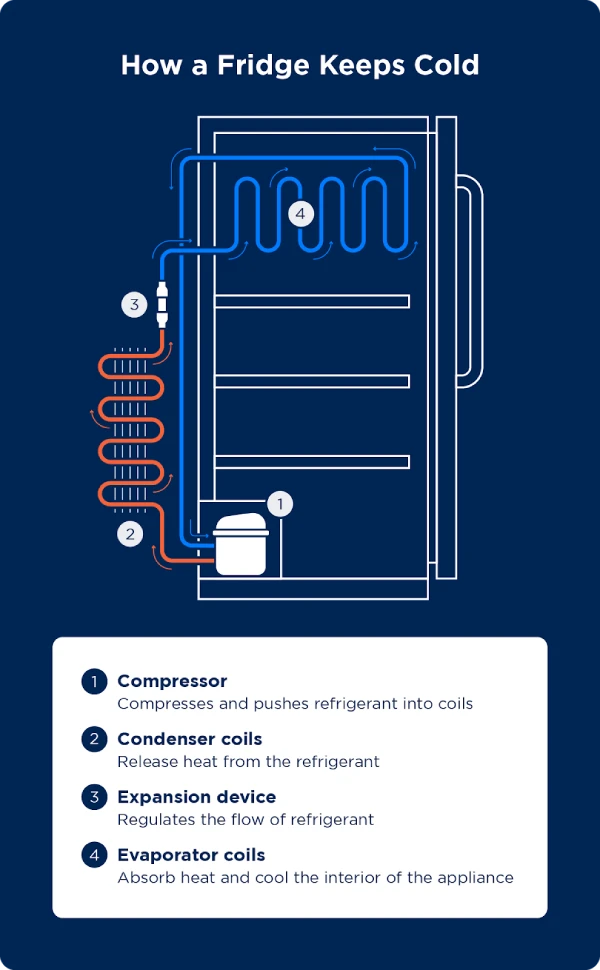
Condenser coil maintenance plays a key role in keeping your refrigerator cool. These coils release heat from inside the fridge to the outside. If they get dirty or blocked, the fridge cannot cool properly.
Regular cleaning of the condenser coils helps the fridge run efficiently. It reduces energy use and prevents breakdowns. Simple maintenance can save money and extend the refrigerator’s life.
Locate Coils
Find the condenser coils on your refrigerator first. They are usually behind a bottom grille or at the back of the fridge. Some models have coils underneath the unit. Check your user manual if you are unsure.
Unplug the refrigerator before starting any maintenance. This keeps you safe while cleaning the coils. Make sure the fridge is cool to avoid injury.
Clean Dust And Debris
Use a vacuum cleaner or a brush to remove dust from the coils. Gently clean all dirt and debris to improve airflow. Avoid using water or harsh chemicals on the coils.
Clean the coils at least twice a year or more if you have pets or dusty surroundings. Clear coils help your fridge cool better and use less electricity.
Condenser Coil Maintenance
Resetting a refrigerator can fix many cooling issues quickly. This process allows the appliance’s systems to restart and clear minor glitches. Follow these simple steps to perform a proper refrigerator reset. It can improve performance without needing a repair call.
Unplug For Several Hours
First, unplug the refrigerator from the power outlet. This cuts power to the compressor and internal electronics. Leave it unplugged for at least two to four hours. This pause lets the fridge’s systems fully shut down and reset.
Allow Complete Defrost
While unplugged, the fridge will defrost naturally. Ice buildup inside can block airflow and cause cooling problems. Allow all ice to melt completely. Wipe away any water inside to prevent leaks when powered back on.
Plug Back In
After defrosting, plug the refrigerator back into the outlet. The compressor and fans will restart. Set the temperature controls to the recommended settings. Give the fridge several hours to reach the correct cooling level before checking again.
Refrigerator Reset Procedure
Mechanical issues often cause refrigerators to stop cooling properly. These problems affect key parts that keep your fridge cold. Understanding common faults helps you spot and fix issues early.
Many cooling failures come from worn or broken components inside the refrigerator. Checking these parts can save time and money. Below are frequent mechanical problems that cause cooling loss.
Compressor Problems
The compressor is the heart of your fridge. It pumps refrigerant to cool the interior. If the compressor fails, the fridge cannot cool.
Signs of compressor trouble include loud noises or no sound at all. The fridge may run but not get cold. Overheating or frequent on/off cycles also indicate issues. A faulty compressor often needs professional repair or replacement.
Fan Motor Malfunctions
Fans help circulate cold air inside the fridge and freezer compartments. If a fan motor stops working, cold air won’t move properly.
You might hear strange noises or no sound from the fan. The fridge could feel warmer inside or have uneven cooling. Dust buildup or worn bearings often cause fan failure. Cleaning or replacing the fan motor restores airflow and cooling.
Defrost Timer Failures
The defrost timer controls the defrost cycle to prevent ice buildup. A broken timer can cause frost to block airflow, reducing cooling.
Symptoms include excessive frost on coils or poor cooling performance. The fridge might run continuously without defrosting. Replacing the defrost timer allows the fridge to thaw regularly and cool efficiently again.

Credit: www.youtube.com
Common Mechanical Issues
Refrigerant leaks are a common cause of refrigerators not cooling properly. Detecting these leaks early can prevent further damage and costly repairs. Certain signs clearly indicate a refrigerant leak inside your fridge.
No Frost On Evaporator Coils
The evaporator coils should have a light frost layer when cooling well. No frost or ice buildup on these coils can mean the refrigerant is low or leaking. Without enough refrigerant, the coils cannot absorb heat efficiently. This stops the cooling process and causes warm air inside the fridge. Check the coils regularly for frost or ice to catch issues early.
Fans Running But No Cooling
Fans inside the fridge usually run to circulate cold air. If you hear the fans running but the fridge still feels warm, it may indicate a refrigerant leak. The fans depend on the coolant to lower the temperature. Without enough refrigerant, the air blown by the fans stays warm. This sign often points to a leak that needs professional repair.
Signs Of Refrigerant Leak
Knowing when to call a technician for refrigerator problems saves time and prevents further damage. Some issues are easy to fix at home. Others need expert care to avoid costly repairs. Understanding the signs helps you act fast and keep your fridge working well.
Persistent Cooling Problems
If your fridge keeps losing cold air after simple fixes, call a technician. Ongoing poor cooling may mean a problem with the compressor or refrigerant. These parts require special tools and skills. Trying to fix them yourself can cause more harm.
Unusual Noises
Strange sounds like buzzing, clicking, or grinding signal trouble. These noises often come from the motor or compressor. A technician can find the noise source and fix it safely. Ignoring odd noises can lead to bigger breakdowns and food spoilage.
Complex Repairs Needed
Some repairs need advanced knowledge and equipment. Issues like refrigerant leaks, electrical faults, or control board failures fall here. Only trained technicians should handle these repairs. They ensure your fridge runs efficiently and lasts longer.

Credit: www.familyhandyman.com
Credit: www.mrappliance.com
Frequently Asked Questions
How Do You Reset A Refrigerator That Is Not Cooling?
Unplug the refrigerator for 5 minutes to reset its system. Plug it back in and set the thermostat to the desired temperature. Ensure vents are clear and door seals are intact for proper cooling.
How Do I Get My Fridge To Start Cooling Again?
Check the power supply and thermostat settings. Clean vents and condenser coils. Unplug the fridge overnight to reset. Call a technician if it still won’t cool.
What Is The Most Common Cause Of A Fridge Not Cooling?
The most common cause of a fridge not cooling is dirty condenser coils. Dust blocks heat release, reducing cooling efficiency.
How To Tell If A Refrigerator Compressor Is Bad?
A bad refrigerator compressor often causes no humming or buzzing sounds. The fridge won’t cool despite running fans. Frequent overheating or tripped breakers also signal compressor issues. Check for no frost on evaporator coils while fans run. Call a technician if these signs appear.
Why Is My Refrigerator Not Cooling Properly?
A dirty condenser coil or blocked vents can reduce cooling. Check and clean coils, and ensure vents are clear.
Conclusion
Troubleshooting a refrigerator not cooling starts with simple checks. Ensure vents and door seals are clear and intact. Clean condenser coils regularly for better performance. Adjust thermostat settings to the recommended temperature. Resetting power can sometimes fix minor glitches. Listen for unusual sounds indicating compressor problems.
When issues persist, seek professional help promptly. These steps save time and prevent food spoilage. Keep your fridge running smoothly with basic care and attention.